


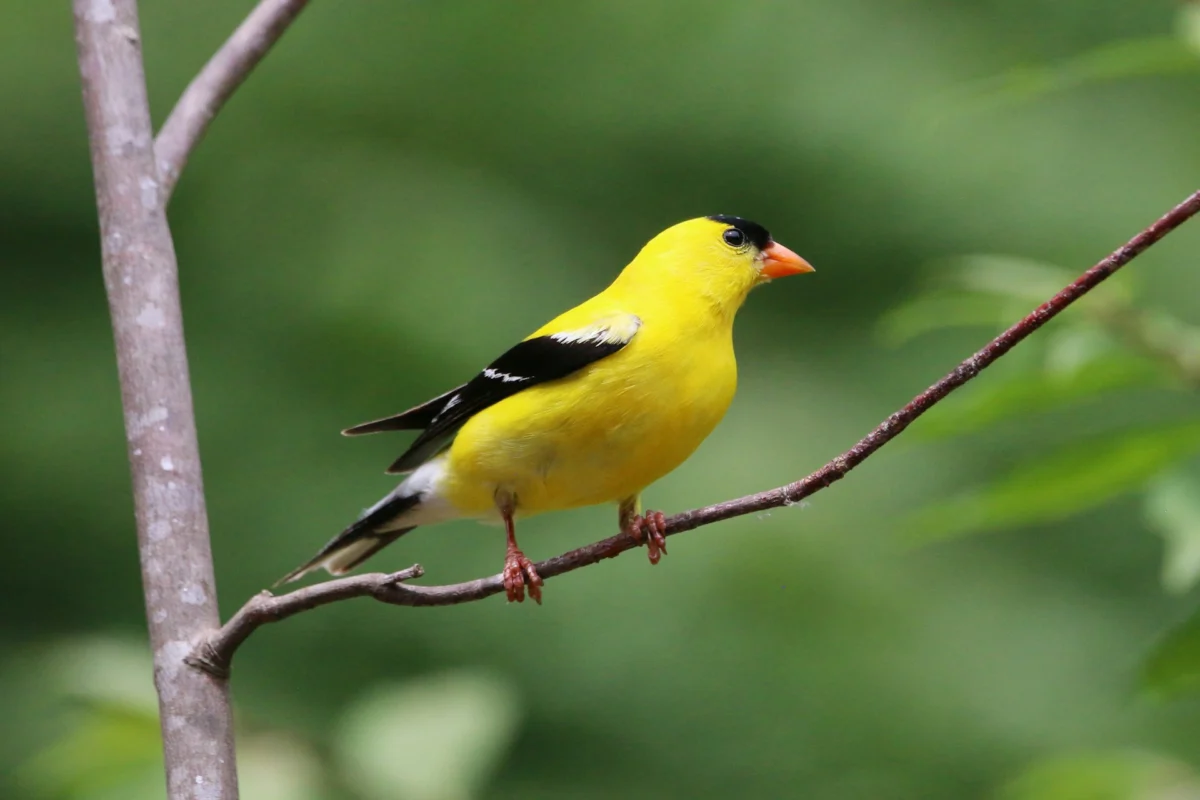
The American Goldfinch, with its striking yellow plumage and distinctive black and white wing markings, is a beloved sight for bird enthusiasts across North America. Their cheerful chirping can transform a quiet yard into a lively sanctuary, especially during the colder months. For those fortunate enough to reside within their range, particularly in the northeastern United States where they are year-round residents, the question of how to attract these vibrant songbirds in winter becomes a rewarding pursuit. This comprehensive guide delves into the most effective strategies for transforming your backyard into a welcoming haven for Goldfinches throughout the year, with a particular focus on the challenging winter season.
Understanding the American Goldfinch: A Year-Round Resident
The American Goldfinch ( Spinus tristis) is a small passerine bird belonging to the finch family. Their adaptability and specific dietary needs make them a fascinating subject for backyard birders. Unlike many bird species that undertake long migratory journeys south for the winter, American Goldfinches in the northeastern United States are known to remain in their breeding territories, adapting to the seasonal changes. This resident status means that consistent efforts to provide food, water, and shelter can yield year-round rewards. However, the challenges of winter—scarce natural food sources and freezing temperatures—necessitate specific approaches to ensure their continued presence and well-being. Understanding their behavior, diet, and habitat preferences is crucial for success.
The Diet of the Goldfinch: Seed Specialists
A primary reason for the Goldfinch’s accessibility to backyard feeders is their specialized diet, which predominantly consists of seeds. This makes them relatively easy to attract compared to insectivorous birds or those requiring specialized live feeds. Their preferred food sources are crucial for attracting them, especially when natural food availability dwindles in winter.
Sunflower Seeds: The cornerstone of any Goldfinch feeding strategy is the provision of sunflower seeds. Black oil sunflower seeds are particularly favored due to their high fat content and thin shells, which Goldfinches can easily crack.
Thistle Seed (Nyjer): Perhaps the most iconic Goldfinch attractant is thistle seed, also known as Nyjer. These tiny, oil-rich seeds are a particular delicacy for finches. Due to their small size, they are often best offered in specialized feeders designed to prevent spillage and keep the seeds dry.
Specialized Feeders: To maximize the appeal of thistle seed, many birders opt for specialized thistle seed socks or feeders with very small ports. These feeders allow Goldfinches to hang and meticulously extract the seeds from between the fabric fibers or through tiny openings. Observing this feeding behavior can be a particularly heartwarming experience for observers.
Maintaining Seed Quality: Winter conditions can significantly impact the quality of birdseed. Moisture from snow and ice can cause seeds to clump together, become moldy, and lose their appeal to birds. It is essential to ensure that the seed offered is always dry and fresh. Regularly checking feeders, shaking out damp seeds, and replacing old or spoiled food every three to four weeks is a critical practice. This ensures that the offerings remain nutritious and appealing, even in the harshest weather.
Beyond Seeds: While seeds form the bulk of their diet, Goldfinches will also supplement their intake by consuming the bark of young twigs and fresh tree buds during winter. Providing access to native plants that offer these natural food sources can further enhance your yard’s attractiveness.
Selecting the Ideal Bird Feeder
The choice of bird feeder plays a significant role in successfully attracting and sustaining a Goldfinch population. Their small size and feeding habits necessitate feeders that cater to their specific needs.
Specialized Goldfinch Feeders: Feeders specifically designed for Goldfinches are highly recommended. These are typically smaller in size, which helps to deter larger, more aggressive birds like Blue Jays or Grackles, ensuring that the Goldfinches have a less competitive and more secure feeding environment. The design often mimics how birds forage in the wild, allowing them to perch and extract seeds with ease, making the feeder feel more natural and inviting.

Mesh and Tube Feeders: Mesh feeders and tube feeders with small perches and ports are excellent choices. These designs are particularly effective at keeping thistle seed dry and accessible. The mesh allows for good ventilation, and the tube design prevents large amounts of seed from being exposed to the elements at once.
Strategic Placement: The placement of feeders is also important. Positioning feeders in areas that offer some protection from wind and predators, such as near shrubs or trees, can provide Goldfinches with a sense of security. However, avoid placing them too close to dense foliage where predators might lurk.
Cultivating a Natural Buffet: Planting for Goldfinches
Beyond artificial feeders, landscaping with native plants that provide natural food sources and nesting materials can significantly enhance your yard’s appeal to Goldfinches year-round, but especially in winter when natural foraging options are limited.
Seed-Producing Plants:
- Sunflowers: As mentioned, sunflowers are a prime attractant. Their large seed heads provide a substantial food source that Goldfinches can readily access. Planting a variety of sunflowers, including those with abundant seeds, can create a natural feeding station.
- Asters and Coneflowers: These native wildflowers are excellent sources of seeds for Goldfinches and other small songbirds. Their late-blooming nature means they can provide sustenance well into the fall and early winter.
- Wild Thistle: True to their name, Goldfinches have a particular fondness for the seeds of wild thistle species. These plants are often found in meadows and open fields, and cultivating them in your yard can create a highly desirable food source.
Nestling Materials: While not directly related to winter feeding, providing plants that offer nesting materials can encourage Goldfinches to establish territories in your vicinity, leading to a more consistent presence.
- Cattails, Dandelions, and Milkweed: These plants provide fluffy seeds and down that Goldfinches use to line their nests during the breeding season. Even in winter, the presence of these plants signifies a healthy ecosystem that can support their needs.
Plants to Avoid: It is important to be aware of plants that could pose a risk. Burdock, for instance, has numerous burrs that can entangle small birds, leading to injury or death. Careful plant selection is paramount for creating a safe environment.
Creating a Sanctuary: Security and Comfort
Attracting Goldfinches is not solely about food; it’s also about creating an environment where they feel safe and comfortable. This is particularly crucial during the winter when birds are more vulnerable to predators and harsh weather.
Managing Bird Interactions: Goldfinches are generally gregarious but can be timid around larger, more aggressive bird species. While they may tolerate birds like Black-capped Chickadees and Chipping Sparrows, larger birds such as Blue Jays can intimidate them, driving them away from feeders.
- Multiple Feeders: To mitigate this, consider using multiple feeders. Smaller feeders with specialized perches and ports can be less accessible to larger birds, effectively creating separate feeding zones. This allows Goldfinches to feed without constant harassment.
- Predator Awareness: Ensure feeders are placed in locations that offer some visibility to alert them to approaching danger, but also provide nearby cover (shrubs or trees) where they can quickly retreat if necessary.
The Importance of Water: Water is a critical, yet often overlooked, resource for birds, especially in winter. While open water sources may freeze, birds still need water for drinking and bathing to maintain their plumage, which is essential for insulation against the cold.
- Heated Bird Baths: A heated bird bath is an invaluable addition to a winter bird-feeding station. Maintaining a small, unfrozen water source provides a vital resource for Goldfinches and other winter birds, encouraging them to visit your yard more frequently. The ability to drink and bathe even in freezing temperatures significantly increases their chances of survival and comfort.
Understanding Goldfinch Migration Patterns
The migratory behavior of American Goldfinches varies significantly depending on their geographic location within the continent. This is a key factor for bird enthusiasts to consider when planning their attracting strategies.
Year-Round Residents: In the northeastern United States, American Goldfinches are considered year-round residents. Their populations in these regions do not typically undertake long-distance migrations. This is largely attributed to the availability of hardy seed-producing plants and the adaptation of their diet to include bark and buds during periods of scarce seed availability. For these populations, consistent provision of food and water is the primary method of attraction throughout the year.

Partial Migrants: In other parts of their range, American Goldfinches exhibit partial migration. This means that while some individuals may stay put, a significant portion of the population will move south to warmer climates during the winter months. These birds often travel considerable distances, with some migrating as far south as Mexico, where food sources are more abundant and temperatures are milder.
Summer Range Expansion: Conversely, during the summer months, some Goldfinch populations may move further north, into regions of mid-Canada, seeking cooler temperatures and taking advantage of the increased insect availability that supports breeding.
This migratory variability underscores the importance of understanding the specific populations in your region. For those in areas with migratory Goldfinches, winter feeding becomes even more critical to support the individuals that remain.
Seasonal Appearance: A Tale of Two Plumages
The visual appearance of the American Goldfinch undergoes a notable transformation between the breeding season and the non-breeding season, a phenomenon that can sometimes cause confusion for observers.
Summer Plumage: During the spring and summer, the male American Goldfinch is at its most striking. It sports a brilliant, almost incandescent yellow body, contrasted by a distinctive black cap on its head and black wings with white markings. This vibrant coloration is a key component of their courtship displays.
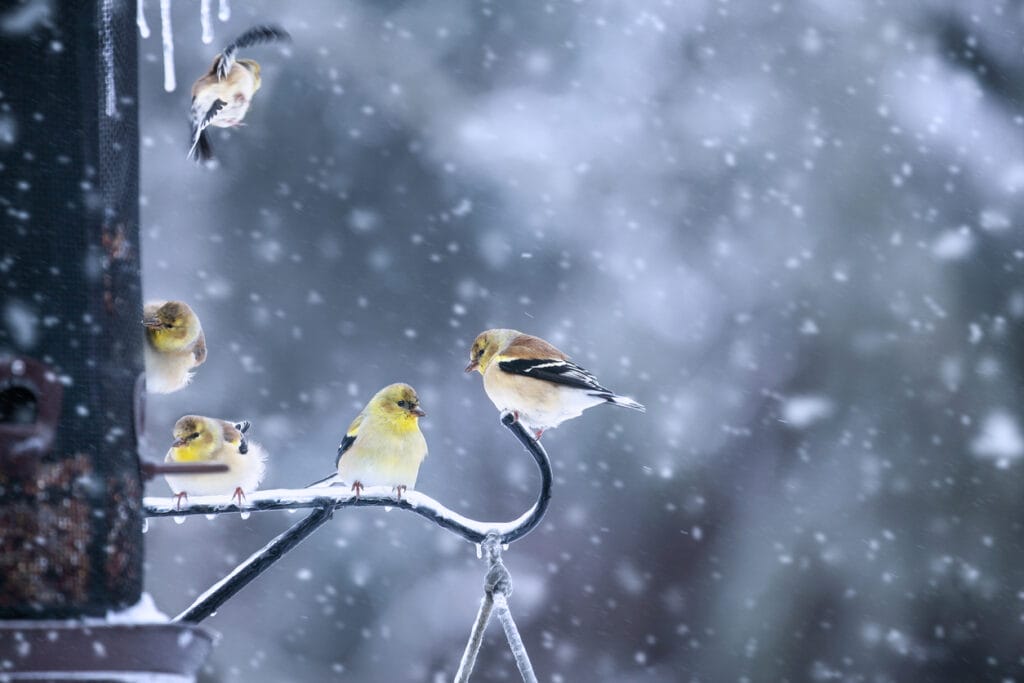
Winter Plumage: As the seasons change and the breeding season concludes, the male Goldfinch’s plumage shifts dramatically. The bright yellow fades to a more subdued, muted brown or olive-green. The black cap also disappears, giving the male a much less conspicuous appearance. This change in coloration serves as camouflage and helps them blend into the winter landscape.
Female and Juvenile Appearance: Female Goldfinches, and juveniles of both sexes, generally exhibit a duller, more muted coloring throughout the year. They typically have a light-brown or olive-yellow appearance, lacking the bold black cap of the breeding male. In winter, the distinction between males and females becomes much less pronounced, as both sexes adopt a similar brownish hue. This seasonal dimorphism is a fascinating adaptation that aids in camouflage and survival during different phases of their life cycle.
Expected Behaviors of Goldfinches
Understanding the typical behaviors of Goldfinches can help anticipate their interactions within your yard and enhance your bird-watching experience.
Nervousness and Socialization: Goldfinches are known to be somewhat nervous birds, particularly in the presence of humans or larger, more dominant bird species. However, their attraction to reliable food sources often outweighs their apprehension. They are generally comfortable associating with other birds of similar size and feeding habits, which is why you often see them congregating at feeders.
Flocking Behavior: It is not uncommon for American Goldfinches to flock together, especially outside the breeding season. A sudden influx of small, yellow birds at your feeders can be a common sight in fall and winter. These flocks are driven by the search for food and safety in numbers. Interestingly, these large flocking events are less likely to occur during the late summer breeding period when individuals are focused on nesting and raising young.
Cautious Approach to New Resources: When introduced to a new food source, Goldfinches may exhibit cautious behavior. They might hover around the feeder for a period, chirping nervously, before they feel secure enough to land and begin feeding. This initial hesitancy is a natural survival instinct.
The Melodious Voice of the Goldfinch
The vocalizations of the American Goldfinch are as distinctive as their appearance. Their songs and calls add a cheerful soundtrack to any garden.
Song Structure: The typical Goldfinch song is a lively, rapid series of chirps, trills, and whistles, often described as sounding somewhat "perky" or even "teetering." It’s a complex and varied melody that can be heard throughout the year, though it is most prominent during the breeding season.
Contact Calls and Alarm Notes: In addition to their elaborate song, Goldfinches use various calls to communicate. They often emit a nervous "chip" or "tweet" when first approaching a food source or when feeling uneasy. When flying in a flock, they frequently chatter, creating a pleasant, almost continuous soundscape as they move from one location to another. Hearing these cheerful sounds before seeing the birds themselves is a common experience for those who actively attract them.
Frequently Asked Questions About Goldfinches
Q: What is the difference between a yellow finch and a goldfinch?
There is no bird officially designated as a "yellow finch" in the United States. The term is often used colloquially. The Yellow Warbler is a distinct species, a small, round bird that is entirely yellow with some reddish streaks. In contrast, the American Goldfinch, while also bright yellow, is characterized by the male’s distinctive black cap and black wing markings during the breeding season.
Q: What is the lifespan of a goldfinch bird?
In the wild, the average lifespan of an American Goldfinch is typically between 3 to 6 years. However, with optimal conditions, sufficient food, and protection from predators, some individuals may live longer.
Q: Are goldfinches always gold?
No, Goldfinches are not always gold. The vibrant, brilliant yellow plumage is primarily exhibited by the male during the spring and summer breeding season, when it plays a role in attracting mates. During the non-breeding season (fall and winter), both males and females, as well as juveniles, take on a duller, more muted yellowish-green or brownish coloration for camouflage.
Conclusion: A Rewarding Endeavor for Bird Enthusiasts
Attracting American Goldfinches to your backyard, especially during the challenging winter months, is a deeply rewarding endeavor for any bird enthusiast. The key lies in understanding their specific needs and creating an environment that caters to their dietary preferences, desire for security, and need for water. By thoughtfully selecting the right types of seeds, opting for appropriate feeders, incorporating native seed-producing plants into your landscape, and providing a reliable source of water, you can transform your yard into a vibrant sanctuary.
The American Goldfinch’s year-round presence in many regions, coupled with their relatively predictable behaviors and dietary habits, makes them an accessible and consistent visitor for those willing to make a modest effort. The reward is a constant stream of cheerful activity and brilliant color, bringing life and joy to your outdoor space throughout the year. As the days shorten and the temperatures drop, remember that your consistent provision of these essential elements will make your yard an indispensable haven for these charming finches, ensuring their continued presence and your continued enjoyment of their delightful company.

