


The Ibiza Fashion Festival (IFF) has officially announced a comprehensive ban on all animal-derived knits from its runways, marking a significant turning point for the international fashion circuit and solidifying the event’s reputation as a global leader in ethical luxury. Effective immediately for the 2026 season, the ban encompasses sheep’s wool, mohair, angora, cashmere, and alpaca wool. This decision follows a series of undercover investigations by PETA entities that documented systemic animal welfare violations within the global wool and hair industries. By implementing this policy, the Ibiza Fashion Festival becomes one of the most stringent high-fashion events in the world regarding animal welfare, building upon its existing prohibitions on fur, leather, and wildlife skins.
The announcement was accompanied by a statement from Ibiza Fashion Festival CEO Karen Windle, who emphasized the compatibility of high-end aesthetics with ethical manufacturing. "Cruelty to animals has no place on the runway," Windle stated. "By implementing natural, sustainably made animal-free materials, our designers are showing that a more conscious fashion industry is possible." The festival, which has long marketed itself as a platform for sustainable innovation, previously made headlines in 2025 when it became a signatory to PETA’s Feather-Free Pledge, effectively removing down and decorative feathers from its collections.
A Chronology of Ethical Evolution at Ibiza Fashion Festival
The transition to a completely animal-free knitwear policy is the culmination of a multi-year strategy by the IFF organizers to align the event with the shifting values of the modern luxury consumer.
In the early 2020s, the festival began its journey by banning the use of fur and exotic skins, such as crocodile and snake leather, following similar moves by major fashion houses and international fashion weeks in London and Copenhagen. However, the 2026 ban on wool and specialty animal fibers represents a much broader disruption of the traditional supply chain.
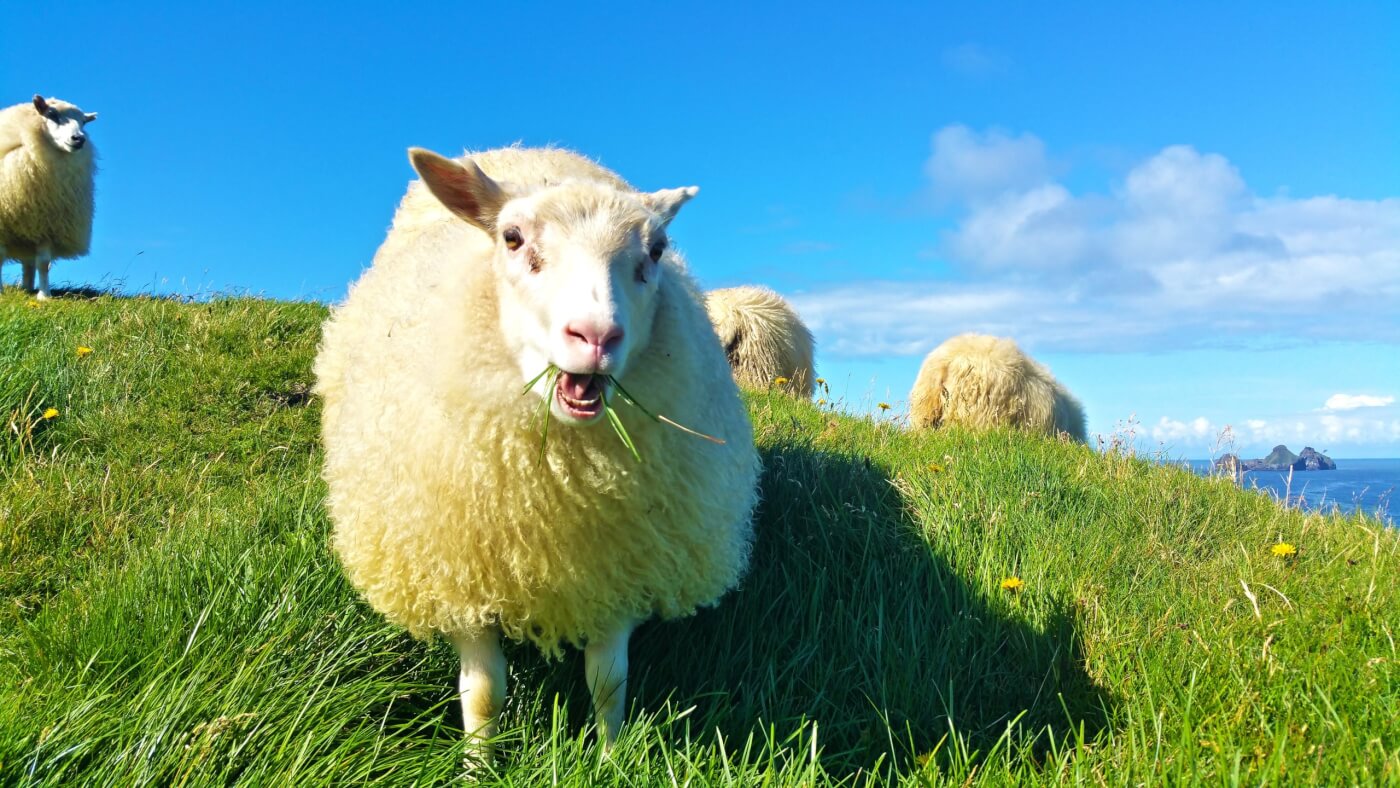
In 2025, the festival took the proactive step of signing the Feather-Free Pledge. This move was prompted by growing awareness of the "live-plucking" practices prevalent in the down industry. Following the success of the 2025 season, which saw a surge in the use of high-tech synthetic and plant-based insulators, the festival leadership turned its attention to the knitwear sector. The decision to include sheep’s wool and luxury fibers like cashmere and mohair was driven by recent data highlighting not only welfare concerns but also the significant environmental footprint associated with industrial animal agriculture.
Investigative Catalysts: The Global State of the Wool Industry
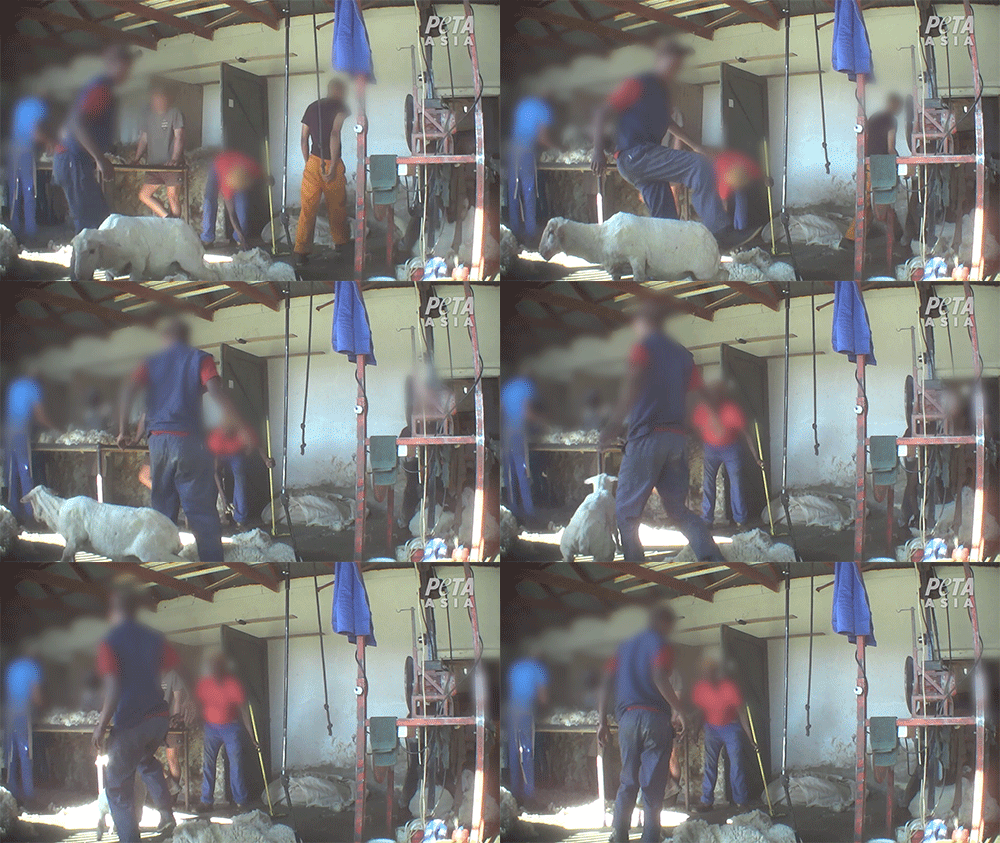
The IFF’s policy shift was heavily influenced by a series of exposés conducted by PETA entities, which have investigated over 180 wool-producing operations across six continents. These investigations, which included farms carrying "ethical" or "sustainable" certifications, consistently revealed a pattern of animal suffering that the organization argues is inherent to large-scale commercial shearing.
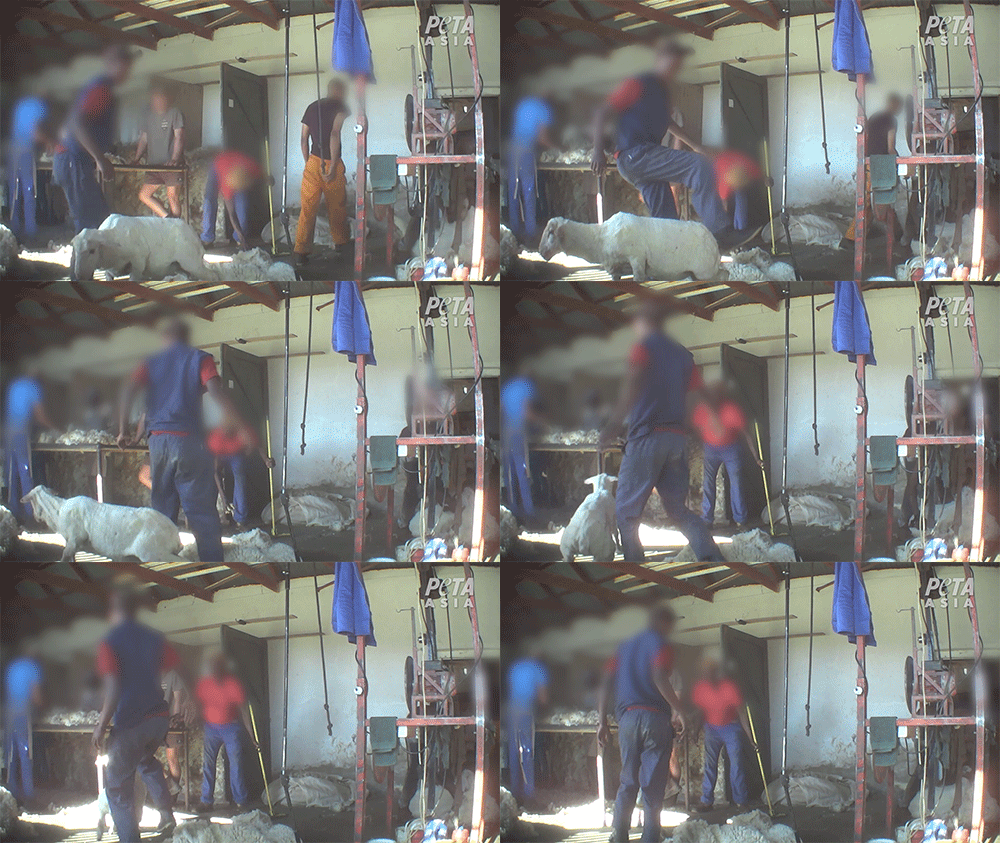
The documented evidence included footage of workers striking sheep during the shearing process, which is often paid by volume rather than by the hour, incentivizing speed over animal safety. In the mohair industry, investigations in South Africa—the world’s largest producer of the fiber—revealed goats being handled roughly and left vulnerable to the elements after shearing. Similar findings were reported in the cashmere industry in Mongolia and China, where the combing process used to collect the fine undercoat of goats was shown to be distressing to the animals.
Furthermore, the angora industry has faced intense scrutiny after footage showed rabbits having their fur pulled out while still alive. While many brands had already moved away from angora, the IFF’s 2026 ban creates a "blanket prohibition" that prevents any loopholes for luxury fibers derived from animals, including the increasingly popular alpaca wool.
Technical Analysis of Plant-Based Alternatives
A central pillar of the Ibiza Fashion Festival’s new mandate is the promotion of "plant wools" and bio-based textiles. The 2026 runway is expected to showcase a diverse array of materials that replicate the warmth, breathability, and texture of traditional wool without the use of animal products.
Designers participating in this year’s festival, such as Eritage Madagascar and Omina Otsieno, have been at the forefront of this material revolution. Their collections utilize a variety of innovative fibers:
- Banana Fiber: Derived from the stalks of banana trees, this fiber is highly durable and biodegradable. It has a natural sheen similar to silk but can be processed to have the weight and warmth of wool.
- Raffia and Organic Cotton: These traditional materials are being reimagined through new weaving techniques to create chunky, textured knits that mirror the aesthetic of heavy sheep’s wool.
- Flower-Based Fibers: Emerging technologies are now allowing for the creation of textiles from roses, lavender, and lotus. These fibers are noted for their softness and are being positioned as direct competitors to high-end cashmere.
- Bamboo and Seaweed: These regenerative crops are used to create "cellulose" fibers that are moisture-wicking and hypoallergenic, offering a sustainable alternative for lightweight summer knits.
The shift toward plant-based materials is also supported by the Higg Materials Sustainability Index (MSI), which frequently ranks natural plant fibers and certain recycled synthetics as having a lower environmental impact than virgin animal fibers. For instance, the production of wool is associated with high methane emissions and land degradation, particularly in fragile ecosystems like the Gobi Desert, where cashmere goat overgrazing has contributed significantly to desertification.
Economic and Industry Implications
The Ibiza Fashion Festival’s ban is likely to reverberate through the global fashion economy. As a boutique but influential event, Ibiza often serves as a testing ground for trends that eventually migrate to the "Big Four" fashion capitals: New York, London, Milan, and Paris.
Industry analysts suggest that the ban reflects a growing "vegan luxury" market. According to recent market research reports, the global vegan fashion market is projected to grow at a compound annual growth rate (CAGR) of over 7% through 2030. This growth is driven by Gen Z and Millennial consumers who prioritize transparency and ethics in their purchasing decisions.
However, the ban also presents challenges. Critics within the wool industry argue that wool is a natural, renewable fiber that is biodegradable, unlike synthetic petroleum-based alternatives like acrylic or polyester. The IFF has addressed this by specifically mandating "natural, sustainably made animal-free materials," steering its designers away from plastics and toward regenerative plant-based options. This distinction is crucial for maintaining the festival’s "sustainability-focused" branding while adhering to animal welfare standards.
Official Responses and Global Reaction
The reaction from the fashion community has been largely positive, though it has sparked a debate regarding the future of traditional heritage crafts. PETA has lauded the move, calling it a "monumental victory for animals" and urging other fashion weeks to follow suit.
"Ibiza Fashion Festival is setting a new standard for the industry," said a spokesperson for PETA. "By proving that luxury can be achieved without the exploitation of sheep, goats, or rabbits, they are dismantling the myth that animal-derived materials are a necessity for high fashion."
Conversely, some trade groups representing wool growers have expressed concern that such bans do not account for farms that adhere to strict animal welfare protocols. They argue that a total ban overlooks the progress made in traceability and welfare auditing. Nevertheless, the IFF’s stance remains firm, with the organization stating that no certification can entirely eliminate the risks of animal handling in a commercial environment.
The Broader Impact on Future Runways
As the 2026 season commences, all eyes will be on the Ibiza runway to see if plant-based knits can truly match the performance of their animal-based predecessors. The success of this transition will depend on the ability of textile engineers to provide designers with fibers that are not only ethical but also commercially viable and aesthetically pleasing.
The Ibiza Fashion Festival’s decision serves as a powerful signal to the textile industry to increase investment in bio-material research. As more festivals and brands move away from animal products, the demand for high-quality plant-based alternatives is expected to skyrocket, potentially lowering costs and making ethical fashion more accessible to the mainstream market.

In conclusion, the Ibiza Fashion Festival has moved beyond mere rhetoric by implementing a policy that fundamentally changes the composition of its collections. By banning all animal-derived knits, the festival is not just protecting animals; it is challenging the global fashion industry to innovate and redefine the meaning of luxury in the 21st century. The move underscores a broader shift toward a "circular" and "compassionate" economy where the elegance of a garment is measured as much by its origins as by its design.

