


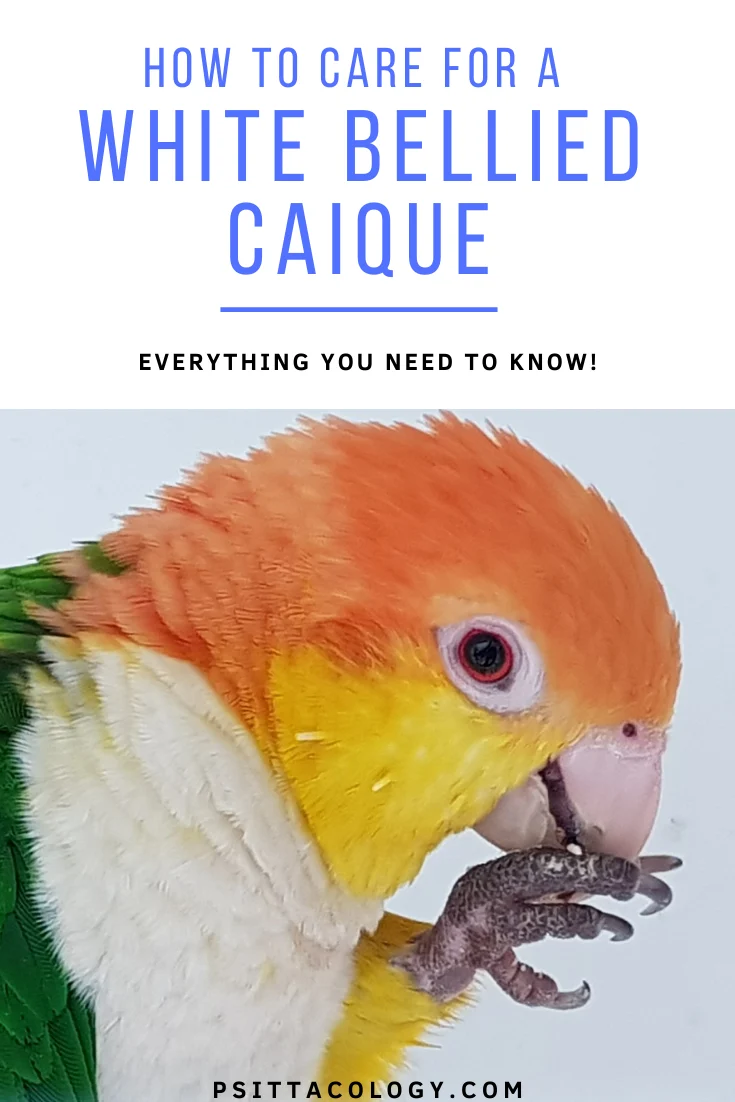
The white-bellied caique (scientific names: Pionites leucogaster, Pionites xanthomerius, Pionites xanthurus), also known as the white-bellied parrot, green-thighed parrot, yellow-tailed parrot, black-legged parrot, or yellow-thighed parrot, is a vibrant and highly active species native to the rainforest canopies of the Brazilian Amazon basin and surrounding South American countries. These charismatic parrots, averaging 23 cm (9 inches) in length and weighing up to 170 grams, are renowned for their playful antics and robust personalities, often earning them the moniker "clowns of the parrot world." With a potential lifespan exceeding 40 years, acquiring a white-bellied caique represents a significant, long-term commitment for any prospective owner. While their noise level is considered moderate for a parrot, their high energy, intelligence, and complex behavioral needs necessitate a thorough understanding of their care requirements before bringing one into a domestic environment.
Understanding the White-Bellied Caique: Appearance and Taxonomy
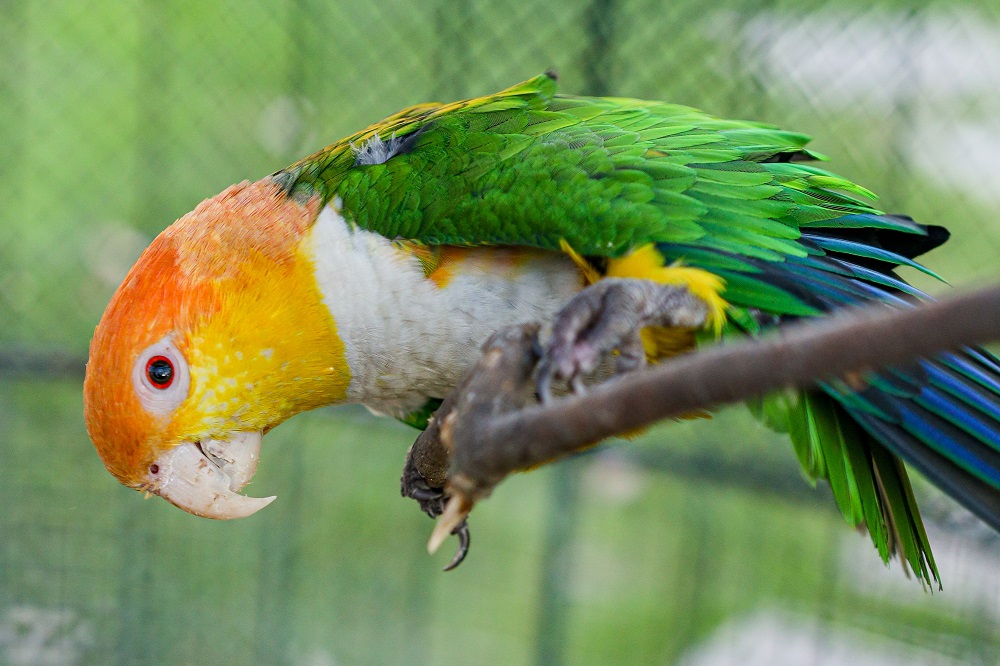
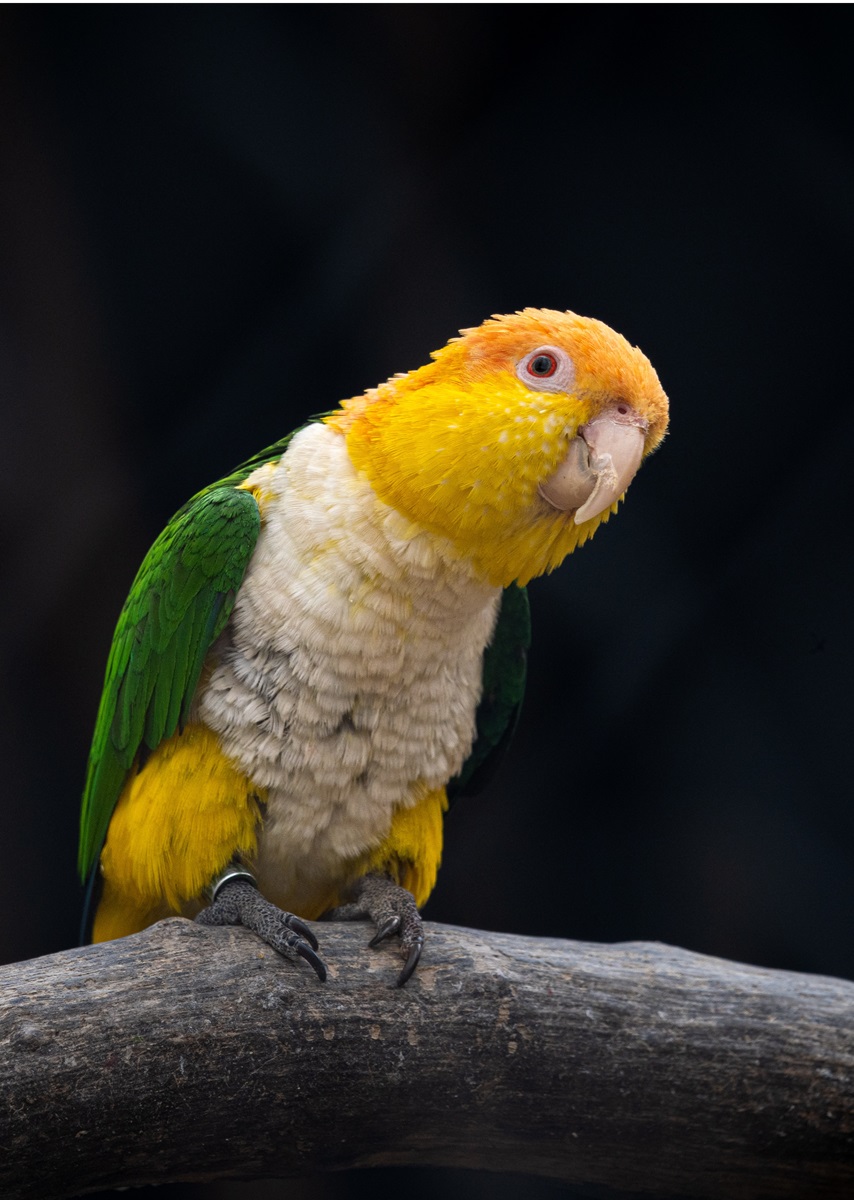
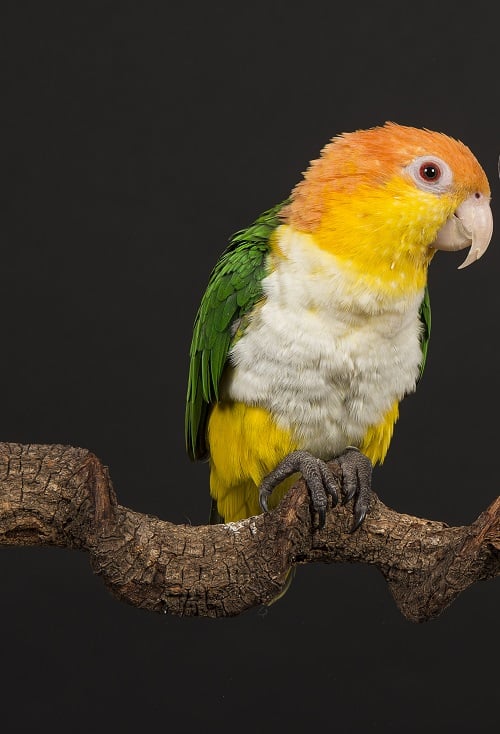
White-bellied caiques are easily identifiable by their distinctive, stocky build and striking coloration. As their primary common name suggests, their chests and bellies are predominantly white to cream-colored. This contrasts sharply with their vivid yellow cheeks, an orange head, and bright green wings and back. Their beak is typically beige, complementing their overall plumage. A unique feature across all subspecies is their reddish eyes, encircled by a bare eye-ring, which gives them a distinctive, intense gaze.
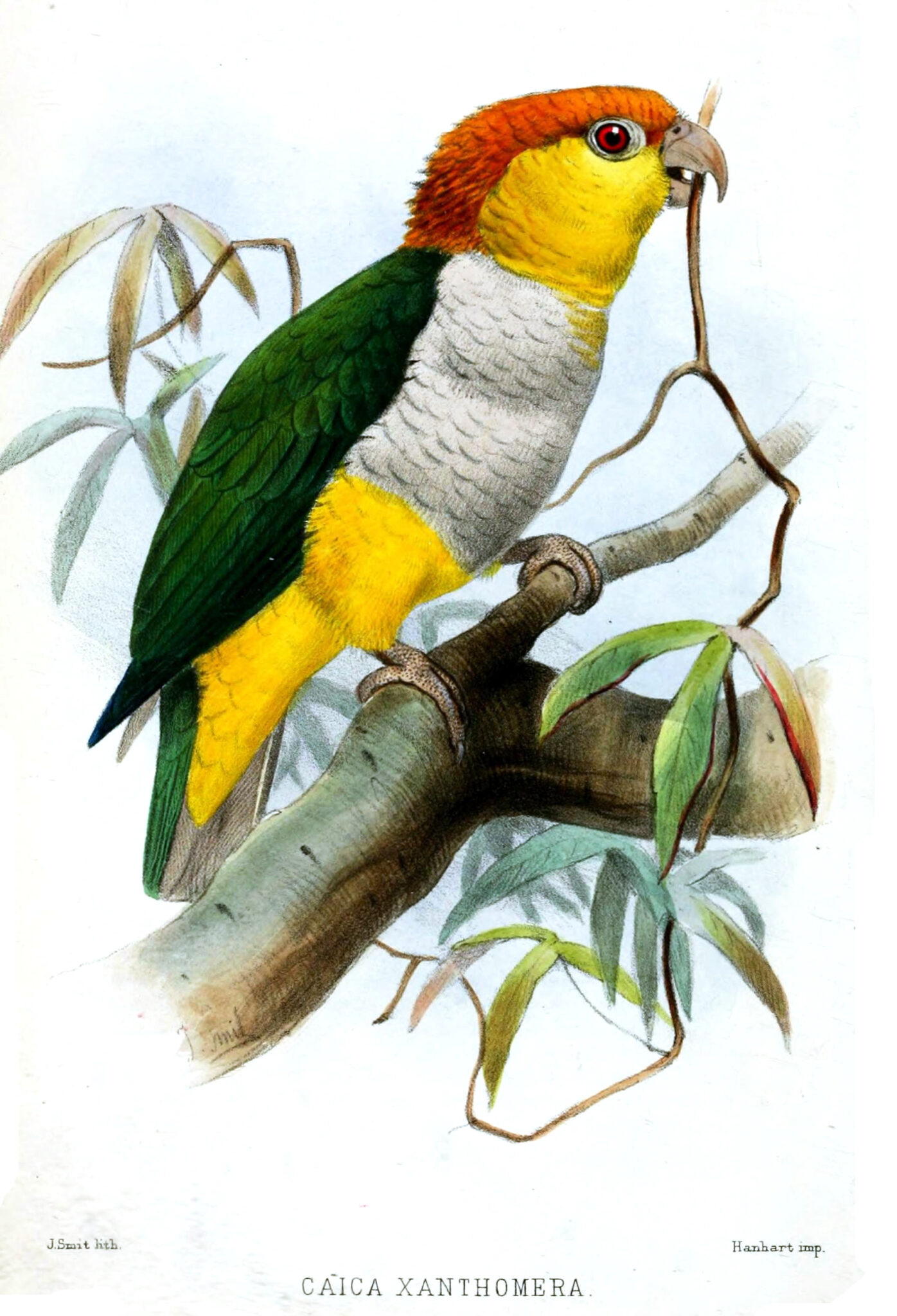
Variations in coloration, particularly concerning the tail and legs, distinguish the different subspecies. Historically, the genus Pionites was recognized as comprising two species: the white-bellied caique (P. leucogaster) and the black-capped caique (P. melanocephalus). Within the P. leucogaster complex, three traditional subspecies were identified based on these subtle color distinctions. However, contemporary ornithological sources, such as "Birds of the World," now frequently elevate P. l. xanthurus and P. l. xanthomeria to full species status, citing these phenotypic differences as sufficient for species-level differentiation. This ongoing taxonomic debate highlights the complexity of avian classification and the need for further scientific research, potentially involving genetic studies, to definitively clarify their phylogenetic relationships. Visually distinguishing between male and female white-bellied caiques is not possible, requiring DNA testing for accurate sex determination.
Natural Habitat, Ecology, and Conservation Status
The natural range of the white-bellied caique spans the vast tropical forest canopies of the Amazon basin. While most commonly found in Brazil, their distribution extends into neighboring South American countries, including Bolivia, Peru, Ecuador, Colombia, and parts of the Guianas. These social parrots are typically observed in flocks of up to 10 individuals, foraging and nesting high within the hollows of trees, a critical behavior for their reproductive success and protection from predators.
Unfortunately, the majority of white-bellied caique populations are currently classified as endangered by the International Union for Conservation of Nature (IUCN). This precarious status is primarily a direct consequence of escalating habitat loss driven by rampant deforestation of the Amazon rainforest. Agricultural expansion, cattle ranching, logging, mining operations, and infrastructure development (such as roads and dams) are systematically destroying their primary habitat. The fragmentation of forests isolates populations, reducing genetic diversity and increasing vulnerability to local extinctions. Conservation efforts in their native range focus on establishing protected areas, implementing sustainable land management practices, and engaging local communities in conservation initiatives to mitigate these threats and safeguard the future of this species in the wild.
Dietary Needs: Wild Habits Informing Domestic Care
Understanding the white-bellied caique’s natural diet is paramount to providing appropriate nutrition in a domestic setting. A comprehensive 2014 study by Lee et al., observing 190 wild white-bellied caiques, documented their consumption of no less than 44 different plant species. This remarkable dietary diversity highlights their adaptability and the broad spectrum of nutrients they require.
Wild Diet:
In the wild, their diet fluctuates seasonally, but a significant portion consists of seeds, including those from various fruits. Fruits, many of which are consumed unripe (thus lower in natural sugars), also form a substantial part of their intake. Flowers and flower buds are frequently consumed, providing nectar and pollen. Another study confirmed caiques’ role as important pollinators for certain tree species, underscoring their ecological significance. Beyond these primary food sources, wild caiques occasionally consume leaves, bark, and even ants, which provide essential proteins and micronutrients. They are also known to visit natural clay licks, where they ingest soil to obtain vital minerals and detoxify plant compounds. This rich and varied diet is a stark contrast to the often-impoverished diets provided to pet parrots.

Domestic Diet:
Replicating the exact natural diet of a white-bellied caique in captivity is practically impossible due to the unavailability of specific wild plant species. Therefore, a carefully formulated domestic diet is crucial to prevent nutritional deficiencies and associated health issues. The common practice of feeding an exclusive seed mix is highly detrimental. Seed-only diets are excessively fatty and deficient in essential vitamins, minerals, and amino acids, leading to obesity, liver disease, and a weakened immune system over the parrot’s long lifespan. Similarly, a diet overly reliant on human-cultivated fruits, while seemingly natural, can be problematic due to their significantly higher sugar content compared to wild fruits, especially when consumed ripe.
A balanced domestic diet for a white-bellied caique should primarily consist of:
- High-Quality Pellets: These should form the foundation (approximately 60-70%) of the diet, as they are nutritionally complete and fortified with necessary vitamins and minerals. Reputable brands formulated for small to medium parrots are recommended.
- Fresh Vegetables: A wide variety of chopped, parrot-safe vegetables should be offered daily (20-30%). Examples include leafy greens (kale, spinach, romaine), bell peppers, carrots, broccoli, zucchini, sweet potatoes, and squash. These can be served raw or lightly steamed.
- Limited Fruits: Fruits should be offered in moderation (5-10%) due to their sugar content. Good options include berries (blueberries, raspberries), melon, kiwi, papaya, and apples (seeds removed).
- Cooked Grains and Legumes: Small portions of cooked brown rice, quinoa, lentils, and chickpeas can be provided occasionally for added protein and complex carbohydrates.
- Sprouts: Freshly sprouted seeds like mung beans or alfalfa offer a highly nutritious and digestible food source.
- Safe Nuts and Seeds (Treats Only): Nuts such as almonds and walnuts, and seeds like pumpkin or sunflower, are calorie-dense and should be reserved as training treats or offered in very limited quantities.
- Occasional Lean Protein: Very small amounts of cooked chicken or hard-boiled egg can be given sparingly.
Fresh, clean water must always be available, preferably from multiple sources, and changed daily. A calcium block or cuttlebone is also important for providing essential minerals and aiding in beak conditioning. Consulting an avian veterinarian for specific dietary recommendations tailored to an individual bird’s needs is highly advised.
Temperament: The Clowns with a Complex Side
The temperament of white-bellied caiques is arguably their most defining characteristic, setting them apart from many other parrot species. While all parrots possess intelligence and a playful nature, caiques elevate these traits to an exceptional level, earning their reputation as the "clowns of the parrot world." Their energetic antics, which include unique behaviors like "caique surfing" (rolling on their backs), dancing, hopping, and wrestling with toys, are endlessly entertaining.

However, their charismatic personality comes with significant complexities. Caiques are capable of forming incredibly strong bonds with their human companions, often displaying intense loyalty and affection. Yet, this bond can also lead to possessiveness. As they mature, particularly through puberty, caiques can become prone to bonding strongly with one individual while exhibiting territorial or even aggressive behavior towards others, including family members or even their primary caregiver at times. Owners must be prepared for this potential shift, understanding that consistent socialization, positive reinforcement training, and an awareness of parrot body language are crucial for managing these behaviors.
Their high intelligence and boundless energy necessitate constant mental and physical stimulation. A bored or undersocialized caique can develop undesirable behaviors such as excessive screaming, feather plucking, or destructive chewing. They require several hours of out-of-cage interaction and supervised playtime daily. Owners must also be aware that caiques are inherently territorial and generally cannot be housed with other bird species due to a high risk of aggression over cages, food, or perceived threats. Their mischievous nature means they will explore and chew on anything within reach, often leaving a trail of "mayhem." This requires extensive parrot-proofing of any area they can access. Ultimately, owning a caique is a commitment to managing a highly intelligent, intensely social, and sometimes challenging companion, but one that offers immense joy and unique interactions to those prepared for the challenge.
Housing and Environmental Enrichment
Given their extraordinary energy levels and intelligence, white-bellied caiques demand a spacious and stimulating environment. Even with ample out-of-cage time, a large, well-appointed enclosure is fundamental to their well-being.
Cage Requirements:
- Size: The minimum recommended cage size for a single white-bellied caique is typically 24x24x36 inches (width x depth x height), though a larger enclosure is always preferable to allow for movement, climbing, and stretching.
- Construction: The cage must be sturdy, made of durable materials like powder-coated wrought iron or stainless steel, to withstand their powerful beaks. Bar spacing should be appropriate, generally between 3/4 to 1 inch, to prevent escapes or injury.
- Security: Caiques are highly intelligent and adept at manipulating latches. Cages should feature secure, parrot-proof locking mechanisms to prevent escapes.
- Interior: The cage should include multiple natural perches of varying diameters and textures (e.g., java wood, manzanita, rope perches) to promote foot health and prevent pressure sores. Stainless steel food and water bowls are recommended for hygiene. A bird bath or a dedicated bathing area is essential for feather maintenance and enjoyment.
Out-of-Cage Environment:
Daily out-of-cage time, ideally several hours, is non-negotiable for a caique. To facilitate this, a dedicated "parrot playground" outside the cage is highly beneficial. This playground should be constructed from safe, natural wood, encouraging chewing and exploration. It should be equipped with a variety of stimulating toys, ladders, swings, and foraging opportunities to keep the bird engaged.
Parrot-Proofing:
Any room or area a caique has access to must be thoroughly parrot-proofed. Their insatiable curiosity and destructive tendencies mean they will investigate and chew on virtually anything. Potential hazards include electrical cords, toxic household plants, open toilets, ceiling fans, candles, cleaning chemicals, and fumes from non-stick cookware (PTFE, PFOA). Owners must exercise constant vigilance to ensure their bird’s safety.
Enrichment: Preventing Boredom and Behavioral Issues
All parrots, especially highly intelligent and active species like caiques, require extensive daily enrichment to prevent boredom, loneliness, and the development of destructive behaviors such as feather plucking, incessant screaming, or aggression. In their natural habitat, they spend their days foraging, socializing within their flock, and engaging their keen intellect. Domestic caiques need this same level of mental and physical stimulation.
Key enrichment strategies include:

- Foraging Opportunities: Mimicking their natural foraging behavior is crucial. This can involve hiding food in specialized foraging toys, puzzle feeders, or within paper and cardboard for them to shred.
- Chewing and Shredding Toys: Providing a constant supply of safe, destructible toys made from untreated wood, paper, cardboard, and natural fibers satisfies their innate need to chew, which is vital for beak health and mental stimulation.
- Training and Mental Engagement: Positive reinforcement training, including target training, trick training, and clicker training, is an excellent way to engage a caique’s intelligence, strengthen the bond with its owner, and reinforce desired behaviors.
- Social Interaction: Daily, direct, and meaningful social interaction with their human flock is paramount. This includes talking, playing, cuddling (if the bird enjoys it), and involving them in household activities.
- Physical Exercise: Encouraging flight (in a safe, supervised environment), climbing, and playful activities like dancing helps burn off their immense energy and maintains physical health.
- Variety: Regularly rotating toys, introducing new challenges, and varying their environment prevents habituation and maintains interest.
Vocalization: The Soundscape of a Caique
Compared to some of the louder parrot species, white-bellied caiques are generally considered to have a moderate noise level. However, it is a common misconception that any parrot can be truly "quiet." Caiques are capable of producing a range of sounds, from pleasant whistles and beeps to softer squawks, which typically characterize their daily vocalizations. These sounds are often used for communication within their social group, both in the wild and in a domestic setting.
Despite their generally moderate daily noise, caiques retain the ability to emit very shrill, piercing screams. These loud calls serve a vital function in the wild, enabling flock members to locate each other across dense forest canopies or to signal alarm. While such intense screams may not occur constantly in a home environment, owners must be prepared for these occasional outbursts, particularly during excitement, alarm, or when seeking attention. For individuals living in apartments, a caique might be a more suitable choice than some larger, louder parrot species, but prospective owners should still anticipate a significant change in their home’s ambient soundscape. Earplugs might become a regular accessory for sensitive individuals.
Talking Ability:
For those seeking a parrot primarily for its talking prowess, a white-bellied caique may not be the ideal choice. While individual caiques can sometimes mimic a few words or phrases, their verbal vocabulary is generally limited and cannot compete with champion talking species like African Greys or Amazon parrots.
However, caiques are excellent candidates for vocalization training focused on mimicking whistles, tunes, and specific sounds. Their intelligence and eagerness to interact make them quick learners in this regard. Teaching a caique a short tune, such as a wolf whistle, through consistent repetition and positive reinforcement (treats) can be a rewarding experience, strengthening the bond between bird and owner while adding a delightful trick to the bird’s repertoire.
Health and Medical Emergencies
While the prospect of a medical emergency is unsettling, it is an essential consideration for any pet owner, particularly with a highly curious and active parrot like a caique. Proactive healthcare and emergency preparedness are vital for their long-term well-being.
Preventative Care:
Regular annual check-ups with an avian veterinarian are crucial for monitoring a caique’s health. These visits typically include a physical examination, weight checks, and discussions about diet and behavior. Owners should also be vigilant in observing their bird’s daily habits, noting any changes in appetite, droppings, energy levels, or feather condition, as these can be early indicators of illness.
Common Health Concerns:
Caiques are susceptible to several avian diseases. One significant concern, particularly in young birds (under four weeks old), is polyomavirus. This highly contagious viral disease can cause severe organ issues, leading to lethargy, anorexia, digestive problems, and often fatal outcomes. Vaccination against polyomavirus is highly recommended, especially for birds in multi-bird households or those acquired from breeders. Other common avian ailments that can affect caiques include psittacosis (Chlamydophila psittaci), Pacheco’s disease, PBFD (Psittacine Beak and Feather Disease), and various nutritional deficiencies if their diet is inadequate. Respiratory infections are also a risk if environmental conditions are poor.
Emergency Preparedness:
Every caique owner should have the contact information for an avian veterinarian readily available and know the location of the nearest emergency avian clinic. A basic avian first-aid kit can also be beneficial for minor injuries. Recognizing common symptoms of illness—such as ruffled feathers, lethargy, changes in droppings, discharge from nostrils or eyes, or loss of appetite—is critical for seeking prompt veterinary attention. Early intervention can significantly improve outcomes in many medical situations.
Frequently Asked Questions
How long do caiques live?
White-bellied caiques are a species with an impressive lifespan. With proper care, nutrition, and veterinary attention, they can live for over 40 years, and some individuals have been known to exceed 50 years. This extended lifespan means that acquiring a caique is a multi-decade commitment, often spanning a significant portion of an owner’s life, and requires careful consideration of future lifestyle changes.
Are caiques good for beginners?
No, white-bellied caiques are generally not recommended for beginning parrot keepers. Their complex needs, including very high energy levels, demanding social requirements, potential for territorial aggression, strong chewing instincts, and the need for consistent training, make them a challenging species. They require an experienced owner who understands parrot behavior, can dedicate significant time to interaction and enrichment, and is prepared for their vocalizations and potential for nipping. More docile or less demanding species are typically better suited for novice parrot enthusiasts.
Are caiques aggressive?
Caiques can exhibit aggressive behaviors, particularly during hormonal periods such as mating season, or when they feel territorial over their cage, toys, or primary human companion. Some owners describe these episodes as the bird appearing "possessed by demons" due to sudden, intense shifts in temperament. This aggression can manifest as biting, lunging, or squawking aggressively. It is crucial for owners to understand parrot body language, recognize triggers, and employ consistent positive reinforcement training to manage these behaviors. While not constantly aggressive, their strong personalities and territorial instincts mean that potential for aggression always exists, necessitating a patient and knowledgeable owner.
The decision to welcome a white-bellied caique into a home is one that demands profound consideration and commitment. These vibrant, intelligent, and highly social parrots offer unparalleled companionship and entertainment, but they require dedicated care, a stimulating environment, and an understanding of their complex behavioral nuances. For those prepared for the challenge, the rewards of sharing life with these "clowns of the parrot world" are immeasurable.

