


The Appeal of Parrots, The Hidden Dangers
Parrots, with their vibrant plumage, remarkable mimicry, and capacity for deep bonds, have grown significantly in popularity as companion animals. From the smallest budgerigar to the majestic macaw, these birds captessivate owners with their complex personalities and intellectual prowess. However, this very intelligence, coupled with their natural behaviors—such as beak conditioning through chewing, foraging, and seeking out enclosed spaces—often clashes with the man-made environment of a home. What appears harmless to a human can be a life-threatening hazard to a parrot. Studies and veterinary reports consistently highlight that a significant number of avian emergencies and fatalities are preventable, stemming directly from owners’ unawareness or underestimation of common household dangers. Avian welfare organizations and veterinarians routinely emphasize that "parrot-proofing" is not merely a suggestion but a fundamental requirement for responsible parrot ownership.
Understanding Avian Vulnerabilities: A Deep Dive into Safety Hazards
The domestic environment, filled with various objects, substances, and architectural features, presents a complex landscape of potential threats to a parrot. Owners must adopt a proactive mindset, anticipating their bird’s natural inclinations and systematically mitigating risks.
Electrical Hazards: A Silent Shock
Parrots are inveterate chewers, a natural behavior essential for maintaining beak health and, in the wild, for excavating and maintaining tree hollow nests. In a home setting, this instinct can turn deadly when directed at electrical cords and outlets. Exposed wiring, phone chargers, lamp cords, or appliance cables become irresistible targets for a parrot’s strong beak. The consequences of gnawing on live wires range from severe burns to electrocution, cardiac arrest, and neurological damage, often resulting in tragic and sudden death. Even if a bird survives, the trauma and potential long-term health issues can be devastating.
To prevent such incidents, all electrical cords in areas accessible to a parrot must be either completely hidden, encased in chew-proof PVC piping, or otherwise protected. Unused outlets should be covered with child-proof caps. Owners should cultivate a habit of scanning rooms for exposed wiring before allowing their parrot free-roam time, recognizing that even a momentary lapse can have irreversible consequences.
Air Quality: The Canary in the Modern Home
One of the most critical, yet often overlooked, aspects of parrot safety is air quality. Parrots possess a highly efficient respiratory system, characterized by a complex network of air sacs that facilitate continuous airflow and gas exchange. While this adaptation is vital for flight, it also makes them exceptionally sensitive to airborne toxins. The historical use of canaries in coal mines to detect dangerous gases serves as a poignant reminder of birds’ acute vulnerability to atmospheric contaminants.
Modern homes, unfortunately, are rife with potential respiratory irritants and toxins. Fumes from overheated non-stick cookware containing polytetrafluoroethylene (PTFE), commonly known as Teflon, are notoriously lethal to birds, causing acute respiratory distress and rapid death even at low concentrations. Similarly, aerosol sprays (air fresheners, hairsprays, deodorants, cleaning products), scented candles, incense, plug-in air fresheners, paint fumes, cigarette or vape smoke, and carbon monoxide are all profoundly dangerous. Burned food, especially from forgotten pots on the stove, can also release harmful particulate matter and fumes.
Owners must commit to a scent-free home environment, particularly in rooms where parrots spend time. The use of non-stick cookware should be avoided entirely, or strictly limited to well-ventilated areas far from the bird. Installing carbon monoxide and smoke detectors is not only crucial for human safety but an absolute necessity for avian residents. During periods of poor outdoor air quality, such as from wildfires or industrial pollution, owners must take extra precautions, such as using air purifiers with HEPA and carbon filters and keeping windows closed.
Ingestion Risks: What Goes In Can Be Deadly
Parrots explore their world orally, constantly testing objects with their beaks. This natural curiosity means that anything left within reach is a potential ingestion hazard. A wide array of common household items and substances are toxic to birds.
- Toxic Foods: Chocolate, avocado, caffeine, alcohol, xylitol (artificial sweetener), and certain seeds (like apple seeds) are highly toxic and can cause severe illness or death. Even small amounts can be lethal.
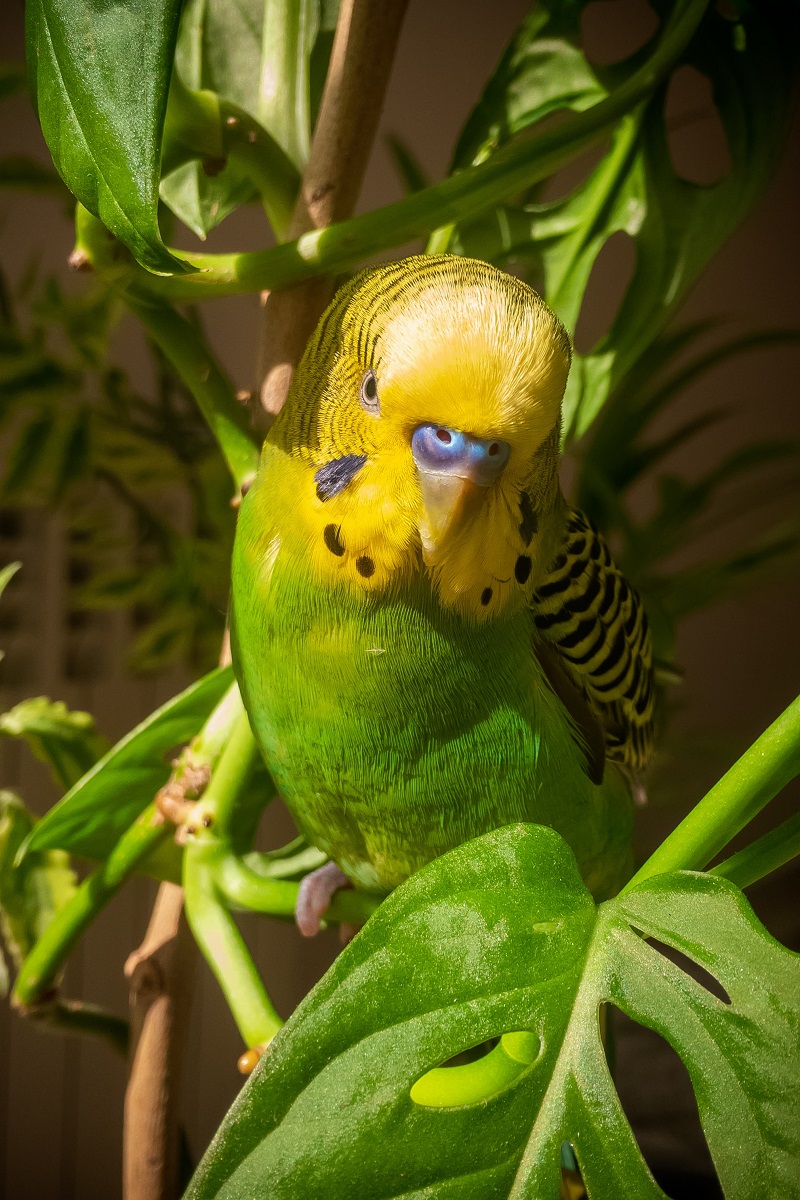
- Plants: While many houseplants are parrot-safe, a significant number are toxic. Common examples include lilies, azaleas, philodendrons, poinsettias, and even the popular Monstera species (as noted in the original article, it’s mildly toxic). Owners must research all plants in their home and remove or secure any that pose a risk.
- Medications and Cosmetics: Human medications, both over-the-counter and prescription, are potent poisons for birds. Cosmetics, nail polish, perfumes, and cleaning products also contain chemicals that can be fatal if ingested or absorbed through skin.
- Heavy Metals: Zinc and lead are particularly insidious threats. Zinc toxicity can arise from galvanized wire cages, certain toys, food dishes, or hardware. Lead, found in older paints, stained glass, fishing weights, and some costume jewelry, is also highly toxic. Symptoms of heavy metal poisoning can be vague and progress slowly, making diagnosis challenging, but prompt veterinary intervention is crucial. A study by Lightfoot & Yeager (2008) highlighted the prevalence of zinc toxicity from seemingly "bird-safe" toys, underscoring the need for vigilant product scrutiny.
A thorough sweep of all parrot-accessible areas to remove or secure any potentially toxic items is paramount. This includes small objects that could be swallowed, such as jewelry, buttons, or coins.
Environmental Traps: Doors, Windows, and Reflective Surfaces
The freedom of flight is a joy for parrots, but uncontrolled free-flight in a home presents distinct dangers. Escapes through open doors and windows are heartbreakingly common. A bird startled by a sudden noise or simply exploring a new path can vanish in seconds. Once outside, domesticated parrots are ill-equipped to survive in the wild, facing predators, starvation, and exposure.
Beyond escape, collisions with glass windows and mirrors are frequent causes of injury. Parrots do not perceive glass as a barrier and may fly directly into it, sustaining concussions, broken bones, or fatal head trauma. The original article’s anecdote of a cockatiel-shaped impression on a mirror serves as a vivid reminder of this risk.
To mitigate these risks:
- Always ensure all windows and doors are securely closed before a parrot is out of its cage.
- Consider adding secondary barriers like mosquito netting to windows in rooms where parrots are frequently out.
- Use decals, curtains, or blinds on windows and mirrors to make them visible to birds.
- Establish a family protocol where everyone checks on the parrot’s location before opening any exterior doors.
- Keep interior doors closed to prevent access to unsafe rooms and avoid injuries from doors accidentally closing on perched birds.
The Sanctuary Within: Ensuring Cage Safety
Even a parrot’s cage, intended as its primary safe haven, can pose hazards if not properly chosen and maintained.
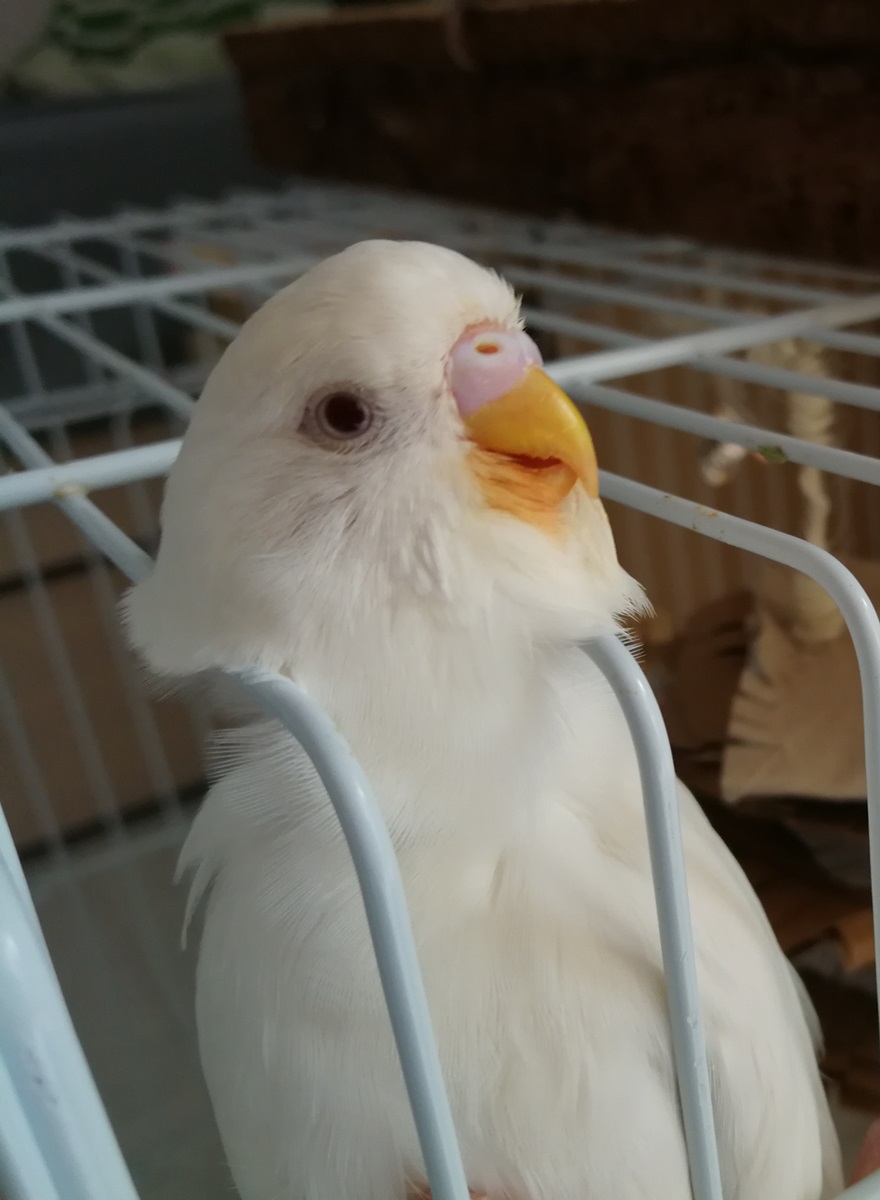
- Bar Spacing: The bars must be narrow enough to prevent the bird from fitting its head or body through, which can lead to strangulation or injury. This is particularly crucial for smaller species.
- Materials and Construction: Cages should be made of durable, non-toxic materials. Galvanized steel cages can be a source of zinc, especially new ones that haven’t been thoroughly cleaned. Rust on older cages indicates corrosion and can harbor bacteria, necessitating replacement. Flimsy cages can be bent or broken by larger, stronger parrots, creating sharp edges or escape routes.
- Toys and Accessories: Toys are vital for enrichment but must be selected and maintained with care. Avoid toys with small parts that can be ingested, loose strings that can entangle toes or necks, or design flaws that can trap a beak or foot. As highlighted by Lightfoot & Yeager (2008), even commercially marketed "bird-safe" toys can contain zinc or have unsafe designs. Regularly inspect toys for wear and tear; discard or repair damaged ones to prevent them from becoming dangerous. Natural branches for perches must be non-toxic and free of pesticides.
Home as a Hazard: Furniture and Water Sources
Parrots, especially during hormonal periods, are driven to explore small, enclosed spaces that mimic natural nesting hollows. This instinct can lead them into dangerous situations involving furniture. Behind heavy furniture, inside open drawers, under appliances, or within loose upholstery are all potential entrapment sites. A bird can get stuck, crushed, or encounter hazardous materials. All such nooks and crannies must be blocked off or made inaccessible.
Open water sources also present a significant drowning risk. Uncovered toilets are a common trap, especially for smaller birds who may fall in and be unable to climb out. Bathtubs, sinks, buckets, large vases, and even uncovered aquariums pose similar threats. Owners must maintain vigilance: keep toilet lids down, cover aquariums with secure lids, and ensure all water containers are inaccessible or emptied when a parrot is out of its cage.
Inter-Species Risks: The Peril of Other Household Pets
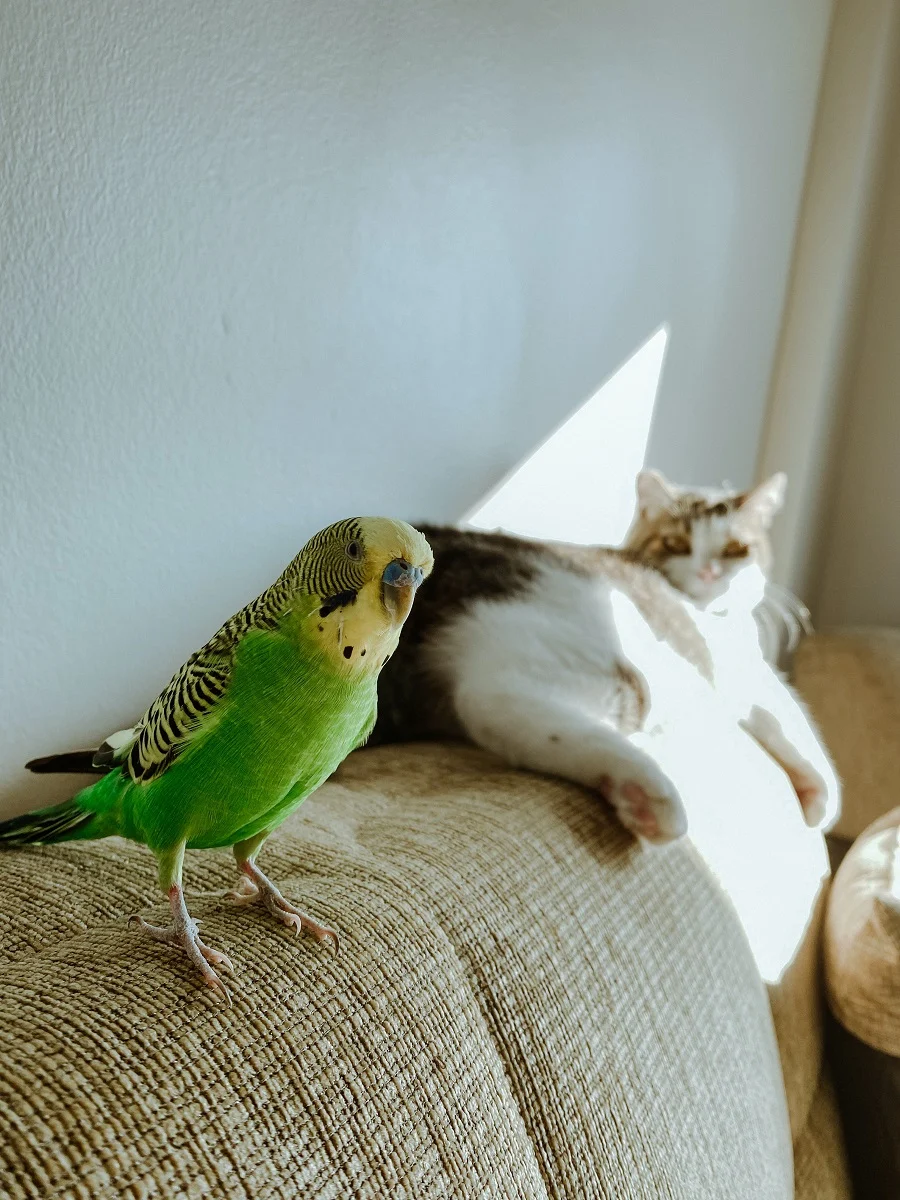
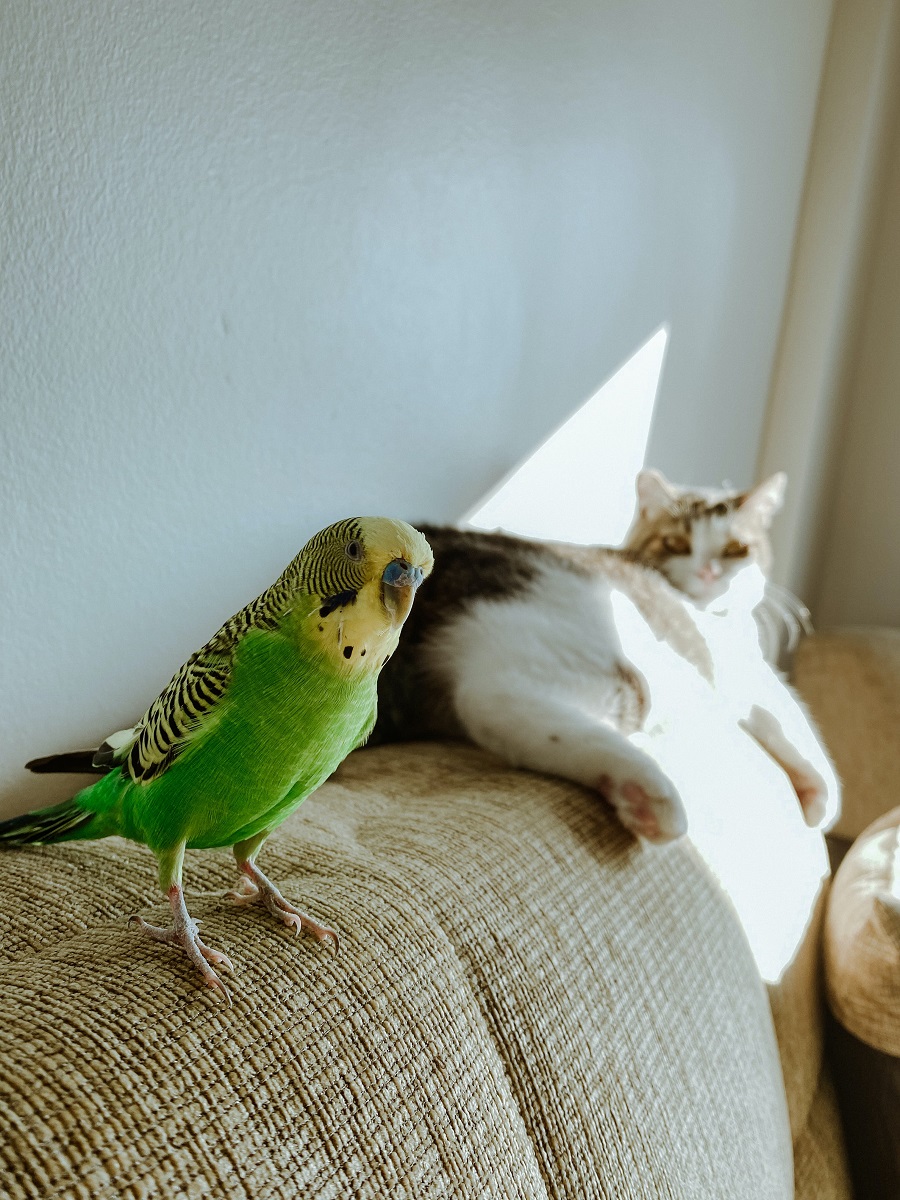
One of the most consistently underestimated dangers to parrots is the presence of other household pets. Even the most docile dog or seemingly indifferent cat possesses natural instincts that can be lethal to a bird. The predator-prey dynamic is deeply ingrained; a parrot’s sudden flutter or vocalization can trigger a chase response in a cat or dog.
The consequences are often catastrophic. A playful swat from a cat, even without malicious intent, can result in severe internal injuries or puncture wounds. Cat saliva, in particular, contains bacteria (Pasteurella multocida) that are highly pathogenic to birds, leading to fatal infections within hours or days, even from a minor scratch. Dogs, while generally less prone to carrying such specific bacteria, can still inflict crushing injuries or bite wounds. Ferrets, rabbits, and even rodents can also pose threats.
Avian experts strongly advise against allowing any unsupervised interaction between parrots and other pets. Separation is key: parrots should have their own designated safe space, and other pets should not be allowed access to it when the bird is out of its cage. The risks far outweigh any perceived benefits of inter-species companionship.
Beyond the Obvious: Miscellaneous Safety Considerations
Several other less obvious, but equally important, safety tips contribute to a parrot-proof home:
- Ceiling Fans: Always turn off ceiling fans when a parrot is out of its cage. Birds can fly into rotating blades, suffering severe or fatal injuries.
- Hot Surfaces and Open Flames: Kitchens are particularly hazardous. Hot stovetops, ovens, irons, candles, fireplaces, and even hot beverages can cause severe burns. Parrots should never be allowed unsupervised access to kitchens, especially when cooking.
- Sticky Traps: Mouse or insect sticky traps are incredibly dangerous. Birds can become hopelessly entangled, causing feather damage, broken bones, and extreme stress. They should never be used in a home with parrots.
- Chemicals: All household cleaning agents, pesticides, herbicides, and automotive fluids must be stored securely out of reach.
- Human Food: While some human foods are safe in moderation, many processed foods, high-sugar items, and dairy products are unhealthy or toxic. Always research before offering new foods.
Proactive Ownership: A Call to Action
Creating a truly parrot-proof home is an ongoing commitment, not a one-time task. It requires constant vigilance, regular assessment of the environment, and education for all family members and visitors. Every individual sharing the home must understand and adhere to safety protocols.
Beyond prevention, responsible parrot ownership includes preparedness. Owners should know basic parrot emergency care, have a first-aid kit specifically for birds, and, most critically, have the contact information for an avian veterinarian readily available. Avian vets are specialized professionals equipped to handle the unique physiological and medical needs of birds, and knowing where to go in an emergency can be life-saving.
In conclusion, while parrots bring immense joy, their inherent curiosity and unique physiology demand a highly modified living environment. By meticulously identifying and mitigating common household hazards, owners fulfill their ethical responsibility to provide a safe, enriching, and thriving home for their feathered companions, ensuring that their intelligence and vivacity are celebrated, not jeopardized.

