


When new acquaintances discover a passion for rats, the initial reaction is often a blend of surprise and a barrage of questions. While the fascination is understandable, the depth of knowledge held by rat enthusiasts can be overwhelming. The true joy lies not just in the basic facts, but in the myriad of delightfully amusing quirks that make these creatures so uniquely captivating and perpetually entertaining. These endearing habits, ranging from vocalizations to peculiar sleeping arrangements, offer a window into the complex and often underestimated nature of domestic rats. This exploration delves into some of these remarkable behaviors, providing context and understanding for those who share their lives with these intelligent rodents.
The Symphony of Bruxing and Boggling: A Rat’s Expressive Language
One of the most recognized and cherished behaviors among rat owners is the phenomenon of "bruxing" and "eye boggling." While these terms may sound technical, they describe observable and endearing actions that are deeply rooted in a rat’s emotional state. Bruxing, the act of teeth grinding, serves a dual purpose. Primarily, it is a biological necessity for maintaining the health and length of their continuously growing incisors. However, on a more profound level, bruxing is a significant indicator of a rat’s emotional well-being.
Rats will brux when they are upset or frightened, a subtle signal of distress. Yet, more frequently, bruxing is associated with contentment and happiness. This gentle grinding of teeth is often described as a rat’s equivalent of purring, a soft, rhythmic sound that signifies a relaxed and comfortable state. The accompanying audible clicks or rustles are a familiar and welcome soundscape for those who understand its meaning.

When bruxing reaches a certain intensity, it can trigger "eye boggling." This is a remarkable physiological response where the rat’s eyes rapidly move back and forth within their sockets, causing them to visibly bulge and retract. To an untrained observer, this can appear startling, even alarming. The rapid oscillation of the eyeballs is directly linked to the powerful muscles in the rat’s jaw, which are engaged during intense bruxing. The vibration from these jaw muscles is transmitted to the ocular muscles, resulting in the distinctive boggling effect. This visual spectacle, often described as cartoonish, is a clear indication of a rat experiencing profound pleasure and relaxation.
The author’s personal account of witnessing eye boggling for the first time highlights a common initial reaction of alarm. Long before the widespread availability of the internet and readily accessible information on rat behavior, such an unusual display could be deeply concerning. A veterinary visit, where the behavior was described but not demonstrated, led to the veterinarian’s suggestion that the owner might have imagined it, underscoring the fact that such nuanced behaviors were not widely understood or taught in veterinary education at the time. This anecdotal experience points to a broader issue of the underestimation and lack of comprehensive knowledge regarding the specific behaviors of domesticated rats, even within the veterinary community. The advent of online resources has since been instrumental in educating owners and fostering a greater appreciation for these unique expressions.
The Meticulous World of Rat Grooming: Beyond the Stereotype
Contrary to the long-held stereotype of rats as unsanitary creatures, domestic and wild rats alike are remarkably fastidious groomers. This diligent self-care is a constant and observable aspect of their daily lives, contributing significantly to their overall health and well-being. Rats dedicate substantial portions of their day to grooming, employing a sophisticated repertoire of actions to maintain their coats and skin.
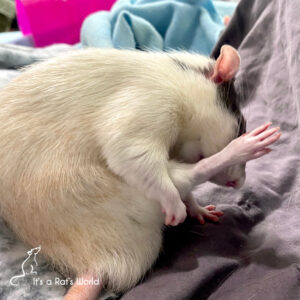
The grooming process involves a meticulous cleaning of nearly every inch of their bodies, often performed multiple times a day. Rats utilize their agile paws to wipe down their fur, much like a cat would. They also employ their sharp teeth to nibble away any dirt or debris from their coats. This process can be surprisingly acrobatic, with rats contorting their bodies to reach difficult areas. A particularly fascinating aspect of their grooming is their thoroughness in cleaning their feet and toes. They will often splay their toes out to their maximum capacity, meticulously cleaning each one individually. This attention to detail extends to their ears, where they may use their hind legs to clean them, followed by a diligent inspection of their toes, seemingly to remove any earwax.

However, there is one area where their fastidiousness often falters: their tails. In the experience of many long-term rat owners, tails are rarely, if ever, groomed. Witnessing a rat attend to its tail is a rare event, often prompting a double-take and a moment of surprised observation. This selective neglect of their tails adds another layer to their peculiar grooming habits, making those rats that do clean their tails even more unique. The contrast between their intense focus on their bodies and their apparent indifference to their tails highlights the selective nature of their hygiene practices.
Allogrooming: The Social Bonding and Human Interaction
Beyond self-grooming, rats engage in a behavior known as "allogrooming," which involves grooming other individuals. This is a crucial social behavior for rats, fostering bonds and reinforcing social hierarchies within a group. They will meticulously groom their cagemates, meticulously cleaning each other’s fur and keeping them presentable. This act of mutual grooming is a strong indicator of social cohesion and affection within a rat colony.
Interestingly, this allogrooming behavior extends to their human companions. Rats often display a strong desire to groom their owners, a gesture that, while well-intentioned, can sometimes be perceived as intrusive or even a subtle critique of human hygiene. When a rat begins grooming itself immediately after being touched by a human, it can lead an owner to wonder if their pet perceives them as less than pristine.
However, the act of grooming their humans is a testament to their social nature and their perception of their owners as part of their social group. While many pets engage in grooming, rats can be particularly persistent and even "pushy" about it. They often develop favorite areas to groom on their humans. Some rats are particularly drawn to their owner’s hair, delicately licking or even nibbling at it. Others prefer to groom the face, with some individuals demanding to clean their owner’s cheeks and eyelids. While the intention is affectionate, the "gentle" nibbles of grooming can feel quite intense on sensitive facial areas.
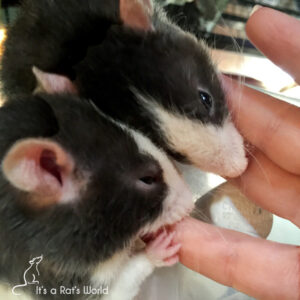
A common target for this allogrooming is the human hand, specifically the fingers and fingernails. Many rats become habitual "nail biters" of their owners, not by chewing their own nails, but by attempting to groom and "trim" yours. This behavior, while seemingly odd, can be interpreted as a rat’s way of caring for their human, believing they are providing a necessary service. This unique form of "rat-icure" is a clear demonstration of their social integration and their desire to maintain the perceived cleanliness of their human companions.
The Rodentist Phenomenon: An Unsolicited Dental Service
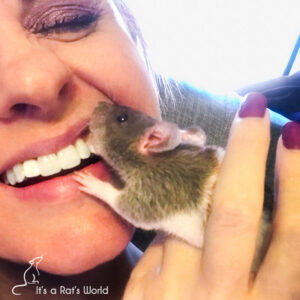
Perhaps one of the most peculiar and striking forms of allogrooming involves a rat’s fascination with its owner’s teeth. This behavior has become so well-known within the rat-keeping community that it has even been given a specific term: "rodentistry." A rat exhibiting this behavior is known as a "rodentist."
Rodentists display an unwavering dedication to cleaning their human’s teeth, often with an almost obsessive fervor. They will not hesitate to shove their small heads into their owner’s mouths, with the apparent goal of removing any perceived imperfections or debris. The exact nature of what they are trying to "clean" remains a subject of speculation, but their determination is undeniable.
The author recounts the persistent efforts of a rat named Rory, who was not only an eye-boggler but also a dedicated rodentist. Rory’s daily ritual involved attempting to pry open the author’s mouth with his tiny paws, despite protests. Even with tightly pursed lips and muffled laughter, Rory would persistently try to perform his dental inspection, sometimes using his nose to create an opening. While this resulted in minor scratches around the mouth, the author found it amusing and secretly cherished Rory’s unwavering commitment to his "job." This anecdote illustrates the extreme dedication some rats exhibit towards this peculiar behavior, highlighting the unique and often humorous interactions that can occur between humans and their pet rats.
The Unreserved Appetites of Rats: Masters of Food Acquisition
Rats are renowned for their opportunistic and often uninhibited approach to food. When given out-of-cage time, especially during human mealtimes, they exhibit a remarkable lack of manners. The expectation of a share, or indeed an entire portion, of human food is immediate and non-negotiable. They do not engage in polite requests or puppy-dog eyes; instead, they rely on a direct and swift approach.
The moment food is present, rats within a considerable radius will detect its scent and converge with a determined dash. Their primary objective is to snatch food directly from plates or fingers. Even the act of quickly stuffing food into one’s mouth does not deter them; they are known to dive after it or, at the very least, offer a thorough licking of the lips.
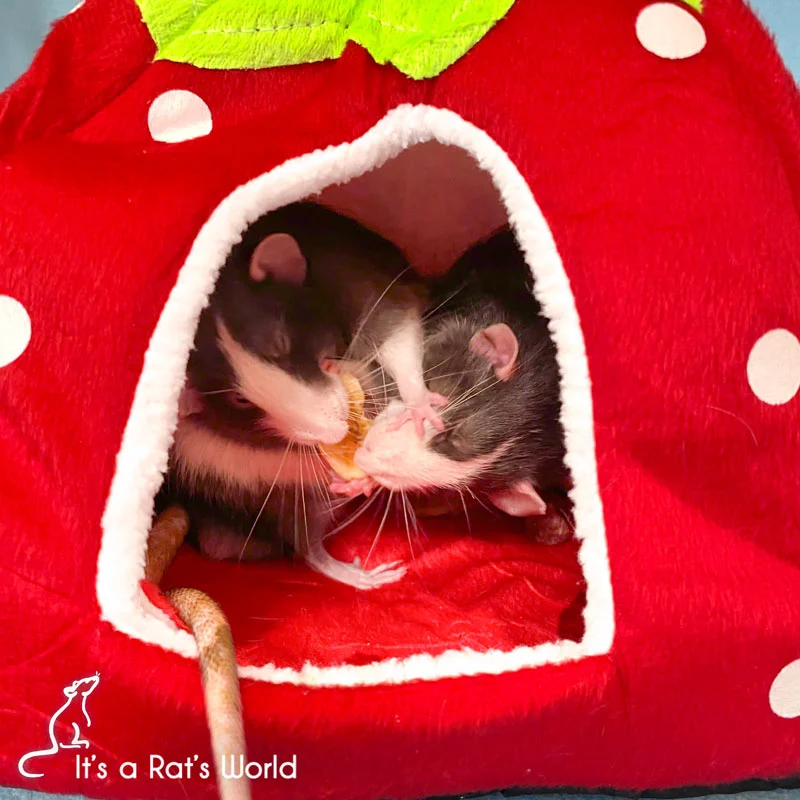
This behavior is not exclusive to their interactions with humans. Rats display the same food-driven assertiveness amongst themselves, frequently stealing food from their cage mates, even from right out of their mouths. This competitive nature is a fundamental aspect of their survival instincts, ensuring that the most opportune feeders often gain the most resources.
The implications for owners are clear: enjoying a meal in the presence of rats requires a certain level of acceptance and vigilance. The prospect of sharing ice cream on the couch is often a reality, with rats actively trying to pry bowls or spoons away. Even beverages are not safe, as rats are known to perch on the rims of glasses and mugs, partaking in whatever liquid is available. This unreserved approach to food acquisition is a significant part of their personality and a constant source of amusement and occasional frustration for owners.
The Peculiarities of Rat Sleep: Beyond the Standard Snooze
While a sleeping rat is inherently adorable, some rats elevate this cuteness to an extraordinary level through their sleeping positions. Generally, rats tend to avoid sleeping on their backs due to a perceived vulnerability. However, a subset of rats actively chooses to sleep in this position, sprawled out and belly-up, as if awaiting a chalk outline.
The author shares a personal experience with a family of "back-sleepers." Two twin brothers, Moffett and Brinley, not only exhibited this behavior themselves but also managed to teach their unrelated cagemate, Kelton, to adopt the same unusual sleeping posture. This suggests that while the predisposition to sleep on their backs might be innate for some, it can also be a learned behavior within a social group.
The Communal Awakening: Rats Drinking in Tandem
The unique sleeping habits of rats can also intertwine with other behaviors, leading to even more peculiar observations. One such instance involves drinking habits, particularly the phenomenon of "drinking in tandem." The author recounts the story of a rat named Potter, who was not only a back-sleeper but also a particularly codependent drinker.
Potter had a habit of sleeping directly beneath the water bottle. This strategic positioning effectively prevented his cagemates from accessing water without disturbing him. This behavior was not driven by malice but by a strong aversion to drinking alone. Potter viewed drinking as a group activity and would actively seek out his cagemates if he was awake and away from his perch.

Remarkably, this behavior proved contagious. Over time, all four rats in Potter’s group began to drink simultaneously from the single water bottle nozzle. Adding to the peculiarity, Potter would often perform his drinking while lying on his back, even as his upright cagemates clustered around him. While the author has observed other instances of tandem drinking, Potter’s unique combination of back-sleeping and communal drinking made him particularly memorable and illustrative of the complex social dynamics that can influence seemingly simple behaviors.
A Continuing Revelation of Rat Quirks
The behaviors discussed—bruxing, boggling, meticulous grooming, persistent allogrooming, uninhibited food acquisition, unusual sleeping positions, and communal drinking—represent just a fraction of the fascinating traits that domestic rats possess. Each rat has the capacity to develop and exhibit unique quirks, consistently surprising and delighting their owners. The moment one believes they have encountered every conceivable strange habit, rats inevitably find a way to introduce something new and unexpected.
This ongoing discovery underscores the depth and complexity of these often-misunderstood animals. Their intelligence, social nature, and individual personalities shine through their peculiar habits, fostering a profound bond with those who take the time to observe and appreciate them. The world of rat behavior is a continuously unfolding narrative, offering endless opportunities for learning and amusement for their dedicated human companions. Owners are encouraged to share their own observations, further enriching the collective understanding of these remarkable rodents.

