


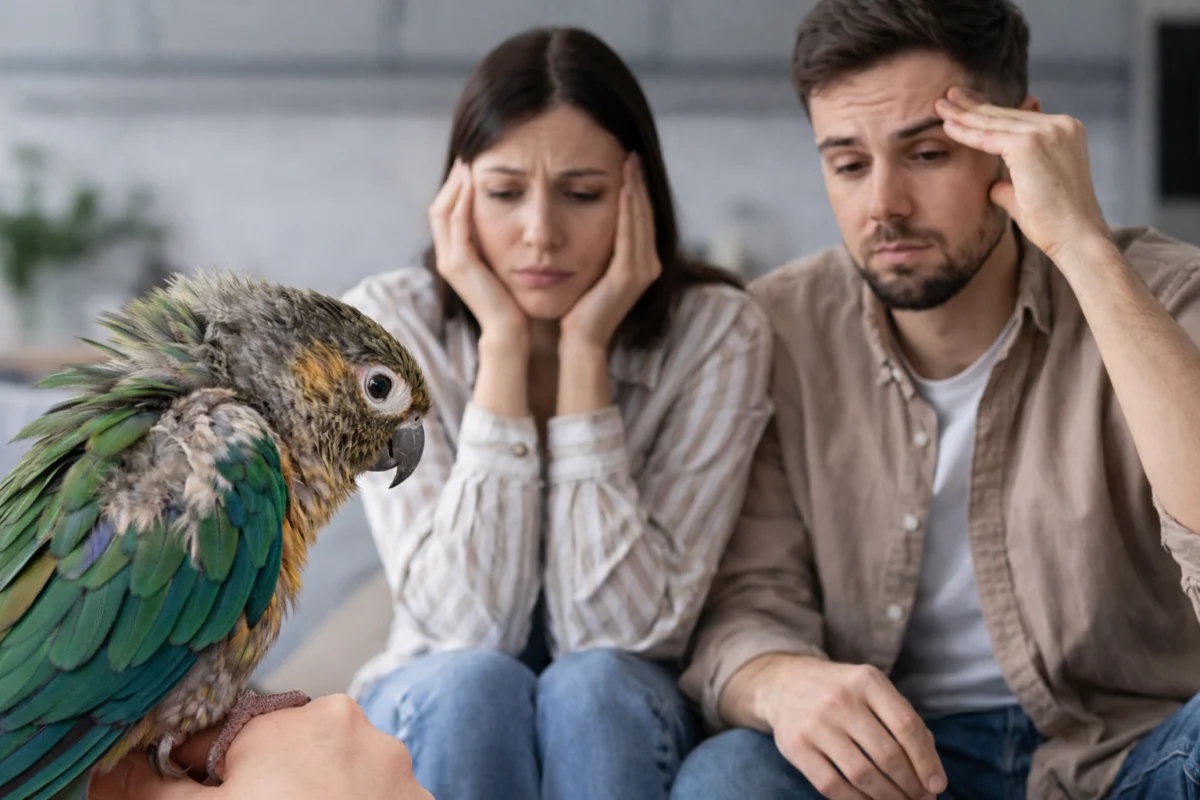
Chronic feather, skin, or "never-ending molt" issues in pet birds are not sudden occurrences; rather, they represent a persistent and often distressing challenge that unfolds over weeks or months, leaving owners to grapple with uneasy questions about their bird’s health and well-being. This guide is designed to empower bird owners with the knowledge to discern prolonged issues from normal physiological processes, understand the underlying causes, and implement effective strategies for recovery and sustained health. It critically emphasizes the paramount importance of ruling out medical etiologies before embarking on behavioral interventions, aligning with best practices in avian veterinary care and behavior.
Understanding the Avian Integument: A Complex and Demanding System
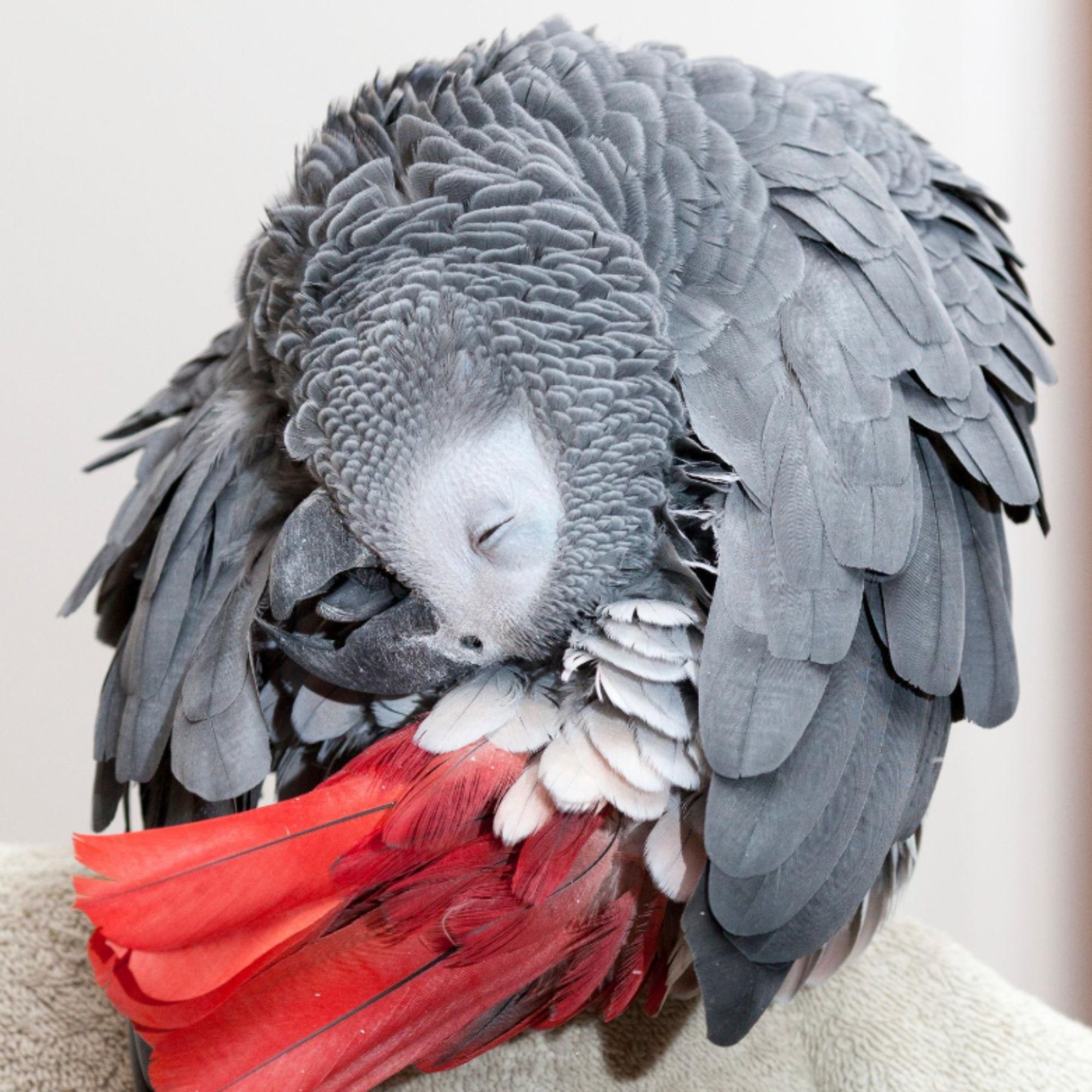
Feathers are more than just a bird’s aesthetic covering; they are intricate, vital structures essential for flight, thermoregulation, protection, and communication. The avian integument, comprising skin and feathers, is a marvel of biological engineering, constantly undergoing cycles of growth, wear, and replacement. Molting, the natural process of shedding old feathers and growing new ones, is a physiologically demanding event. It requires significant nutritional resources, energy, and precise hormonal regulation. A healthy bird typically experiences molting in predictable waves, where old feathers are gradually replaced, and the process resolves within a reasonable timeframe, leaving behind a coat of vibrant, intact new plumage. The "awkward" phase of pin feathers, characterized by new feathers emerging encased in keratin sheaths, is a normal part of this cycle, usually passing without chronic irritation as the feathers unfurl.
However, when this natural repair cycle falters, it signals an underlying issue that demands attention. The continuous growth and replacement of feathers are among the most metabolically intensive processes a bird undertakes. It mobilizes vast reserves of protein, amino acids (especially sulfur-containing ones like methionine and cysteine), vitamins (particularly A, D, and biotin), and minerals (calcium, zinc, copper). Any deficiency or imbalance in these critical components can directly impair feather quality, leading to poor structure, brittle shafts, or abnormal coloration. Moreover, the entire process is intricately orchestrated by a complex interplay of hormones, including thyroid hormones, prolactin, and sex steroids, which are sensitive to environmental cues like photoperiod (light cycles) and ambient temperature. Disruptions in these hormonal pathways, often triggered by chronic stress or inappropriate environmental conditions, can lead to abnormal or prolonged molting.
The Insidious Progression: From Normal Molt to Persistent Problems
Owners typically observe a concerning pattern rather than a single isolated incident. What might initially appear as a slightly prolonged molt gradually escalates. Feathers fall out, and the replacements grow back poorly, are discolored, misshapen, or exhibit "stress bars" – horizontal lines across the feather vane indicating periods of nutritional deficiency or stress during growth. This repeated cycle of flawed regrowth often irritates the bird’s skin, leading to excessive preening, itching, or even self-mutilation, blurring the lines between what an owner perceives as natural molting and self-induced feather destructive behavior (FDB), commonly known as plucking.
The critical distinction lies in the persistence and quality of feather growth. A normal molt concludes with the emergence of healthy, fully formed feathers and a period of quiescence. In contrast, a chronic issue presents as a "never-ending molt," where the bird seems perpetually in a state of feather growth and loss, often accompanied by visible skin irritation, redness, flakiness, or lesions. Common observations that raise concern include:
- Continuous feather loss: Beyond typical seasonal shedding.
- Poor feather quality: Dullness, brittle texture, abnormal shape, or stress bars.
- Incomplete feather growth: Pin feathers that never fully open or new feathers that break easily.
- Excessive preening or itching: Leading to skin redness, abrasions, or bald patches.
- Patchy or sparse plumage: Especially in areas not typically affected by normal molting (e.g., chest, back).
- Changes in skin health: Dryness, flakiness, lesions, or hyperpigmentation.
Documenting these observations is crucial. Owners are advised to define when they last witnessed fully healthy feathers and then photograph the same areas weekly under consistent lighting. This objective evidence prevents guesswork and aids veterinarians in assessing the progression of the condition. Comparing a bird’s current feather health to its own historical condition, rather than to other birds, provides the most relevant data. When a pattern of poor feather growth and skin irritation doesn’t resolve, it strongly indicates that the bird’s body lacks the necessary resources or is under persistent strain preventing proper healing.
Diagnosing the Root Cause: A Veterinary Imperative
When chronic feather and skin issues manifest, the first and most critical step is a thorough diagnostic evaluation by an avian veterinarian. It is a consensus among veterinary professionals that medical causes must be meticulously ruled out before considering behavioral factors. Many systemic diseases and nutritional deficiencies present with dermatological signs, and misinterpreting these as solely behavioral can lead to delayed treatment and worsening prognosis.
A comprehensive veterinary workup typically includes:
- Complete Physical Examination: A hands-on assessment of the bird’s overall condition, including weight, muscle mass (keel prominence), hydration status, oral cavity, nares, eyes, cloaca, and careful examination of all feather tracts and skin.
- Bloodwork:
- Complete Blood Count (CBC): To assess for anemia, infection, inflammation, and overall immune status.
- Biochemistry Panel: To evaluate organ function (liver, kidneys), electrolyte balance, and levels of proteins, glucose, and calcium, which are vital for feather production and general health.
- Thyroid Panel: To check for hypo- or hyperthyroidism, which can impact metabolism and feather growth.
- Viral Testing: Specific tests for common avian viruses known to cause feather and skin issues, such as Psittacine Beak and Feather Disease (PBFD) and Avian Polyomavirus. These diseases can cause progressive feather loss, abnormal feather growth, and immune suppression.
- Skin and Feather Diagnostics:
- Feather Biopsy: Microscopic examination of feather follicles to identify inflammation, infection, or abnormal growth patterns.
- Skin Scrapes/Cytology: To detect external parasites (mites), bacterial infections, or fungal elements.
- Bacterial and Fungal Cultures: If infections are suspected, to identify the causative agent and guide appropriate antimicrobial or antifungal treatment.
- Nutritional Assessment: Detailed dietary history review, often supplemented with blood tests for specific vitamin deficiencies (e.g., Vitamin A), or mineral imbalances. Suboptimal diets, particularly those high in seeds and low in essential vitamins and amino acids, are a pervasive cause of poor feather quality.
- Environmental Assessment: Discussion of the bird’s living environment, including cage size, enrichment, humidity levels, light cycles, exposure to potential toxins (e.g., cigarette smoke, aerosols, lead, zinc), and household stressors.
Diane Burroughs, LCSW, an expert in avian anxiety and behavior, underscores the importance of this rigorous diagnostic phase. She notes, "If you’re seeing physical changes – weight loss, keel prominence, skin damage, low energy, or appetite shifts – start with an avian vet. Once medical causes are ruled out and the issue appears habit-driven, a qualified bird behaviorist can help you reduce stress patterns and reinforce healthier coping behaviors." This sequential approach ensures that any underlying physiological distress is addressed before attributing symptoms solely to psychological factors.
Stabilization and Support: The First Line of Action
While diagnostic tests are underway or medical treatments are initiated, the immediate focus should be on stabilizing the bird’s environment and supporting its physiological needs. This phase is about creating optimal conditions for healing, not about "fixing" the problem instantly. The goal is to reduce overall stress on the bird’s body, allowing it the breathing room to repair and regenerate healthier feathers. Rushing into multiple changes or interventions simultaneously can inadvertently add more stress, hindering recovery.
Key stabilization strategies include:
- Stress Reduction:
- Predictable Routine: Birds thrive on predictability. Consistent feeding times, interaction periods, and sleep schedules can significantly lower stress.
- Quiet Environment: Minimize sudden loud noises, excessive household activity, or constant changes in surroundings.
- Adequate Sleep: Ensure 10-12 hours of uninterrupted, dark, and quiet sleep nightly. Covering the cage can help create a secure sleeping environment.
- Nutritional Fortification:
- Balanced Diet: Transition to a high-quality pelleted diet as the primary food source, supplemented with a variety of fresh vegetables, fruits, and a small amount of healthy grains. Avoid seed-heavy diets, which are typically deficient in crucial nutrients for feather health.
- Supplements (Under Vet Guidance): If nutritional deficiencies are identified, a vet may recommend specific supplements, such as a high-quality avian multi-vitamin, essential fatty acids (e.g., flaxseed oil, red palm oil), or probiotics.
- Humidity and Bathing:
- Increased Humidity: Indoor environments can be very dry, especially with central heating/cooling. This dries out skin and feathers, making them brittle and itchy. Regular misting, a bird bath, or a humidifier near the cage can be beneficial.
- Regular Bathing: Offer opportunities for bathing, either with a shallow dish of water, a shower perch, or gentle misting. Bathing helps clean feathers, moisturize skin, and relieve itching, encouraging healthy preening.
- Environmental Consistency: Avoid unnecessary changes to the cage setup, introduction of new pets, or significant alterations to the bird’s social environment during this sensitive period.
The rationale behind this approach is rooted in avian behavior and physiology. Feather regrowth is inherently stressful, even for healthy birds. It draws heavily on the body’s resources. When a bird is already working hard to replace feathers, additional stressors—such as disrupted sleep, constant handling, or environmental instability—can push its system past its capacity. Just as a human recovering from illness needs rest and a simplified routine, a bird with chronic feather issues requires a supportive, low-stress environment to facilitate healing. Bodies cannot focus on healing when they are constantly bracing for the next challenge.
Beyond Medical: Addressing Behavioral Components and Environmental Factors
Once medical causes have been thoroughly investigated and addressed by an avian veterinarian, attention can turn to behavioral and environmental factors that might contribute to chronic feather destructive behaviors (FDB). It is crucial to understand that FDB, such as plucking or over-preening, is often a symptom of underlying stress, boredom, or psychological distress, rather than a primary disease.
Chronic stress plays a significant role in perpetuating feather problems. Birds, particularly parrots, are highly intelligent and sensitive creatures. Factors such as:

- Lack of Mental Stimulation: Inadequate toys, foraging opportunities, or enrichment.
- Social Isolation: Insufficient interaction with owners or other birds (if housed appropriately).
- Inconsistent Routines: Unpredictable schedules, leading to anxiety.
- Environmental Instability: Frequent cage relocation, exposure to perceived threats.
- Inappropriate Cage Size: Too small or lacking perches/space for exercise.
- Inadequate Light Cycles: Lack of natural light or proper dark periods.
These stressors can elevate stress hormones, suppress the immune system, and divert energy away from essential bodily functions like feather growth. When medical issues are ruled out, behavior work isn’t about "correcting" feather behavior directly, but rather about enriching the bird’s life to reduce overall stress and encourage natural, species-appropriate activities.
Behavior modification, when applied correctly, focuses on reinforcing desired behaviors rather than punishing unwanted ones. Diane Burroughs emphasizes that "behavior modification means reinforcing the behaviors you want to see more of, rather than reacting to the ones you want to fade." For birds with FDB, this translates to strengthening normal parrot activities: eating, bathing, chewing, exploring, and playing. These natural behaviors act as significant stress relief for parrots. When a bird is engaged in constructive activities, it spends less time fixated on its feathers. Increased foraging opportunities, a rotation of stimulating toys, opportunities for supervised out-of-cage time, and consistent positive social interaction can all contribute to a more mentally and emotionally balanced bird. As stress levels decrease and predictability increases, improvements in both behavior and feather quality often occur concurrently.
Proactive Care and Long-Term Management: A Holistic Approach
Managing chronic avian feather and skin issues demands a holistic, long-term commitment. Prevention and proactive care are always superior to reactive treatment. Responsible bird ownership involves understanding the intricate needs of these intelligent creatures and providing an environment that supports their physical and psychological well-being.
Key components of proactive and long-term care include:
- Consistent High-Quality Nutrition: A balanced, species-appropriate diet is the cornerstone of feather health. Regular review of the diet with an avian veterinarian can ensure it meets the bird’s evolving needs.
- Optimal Environmental Conditions: Maintaining appropriate humidity, providing ample natural or full-spectrum lighting, ensuring adequate cage size with varied perches, and a clean living space are non-negotiable.
- Regular Veterinary Check-ups: Annual wellness exams can help detect subtle changes or emerging issues before they become chronic. Early intervention is often less invasive and more successful.
- Mental and Physical Enrichment: Providing a stimulating environment with a variety of toys, foraging opportunities, and safe spaces for exercise prevents boredom and reduces stress.
- Consistent and Positive Social Interaction: Building a strong, trusting bond with a bird through predictable, positive interactions fulfills their social needs and reduces anxiety.
- Vigilant Monitoring: Owners should remain attentive to their bird’s daily behavior, feather condition, and appetite. Any significant or prolonged deviations warrant prompt veterinary consultation.
The journey to resolving chronic feather and skin issues can be challenging, requiring patience and collaboration between the owner, an avian veterinarian, and potentially an avian behaviorist. However, with a comprehensive, integrated approach that prioritizes medical health, environmental optimization, and behavioral enrichment, many birds can recover, grow healthy plumage, and lead fulfilling lives.
Conclusion: A Call for Vigilance and Comprehensive Care
Chronic feather and skin issues in pet birds represent a complex challenge demanding a methodical and informed approach. The critical takeaway is that effective intervention hinges on timing and sequencing: prioritize supporting the bird’s physiological health through proper rest, nutrition, and predictable routines. Should feather problems persist, worsen, or be accompanied by systemic signs such as weight loss, pain, or skin damage, an avian veterinarian must be the first point of contact for thorough medical investigation. Behavioral support, focusing on stress reduction and reinforcing natural, species-specific behaviors, becomes relevant only after all potential medical causes have been definitively ruled out. This integrated strategy—combining rigorous veterinary diagnostics, environmental optimization, and compassionate behavioral enrichment—offers the most robust pathway to restoring feather health and enhancing the overall welfare of companion birds.

