


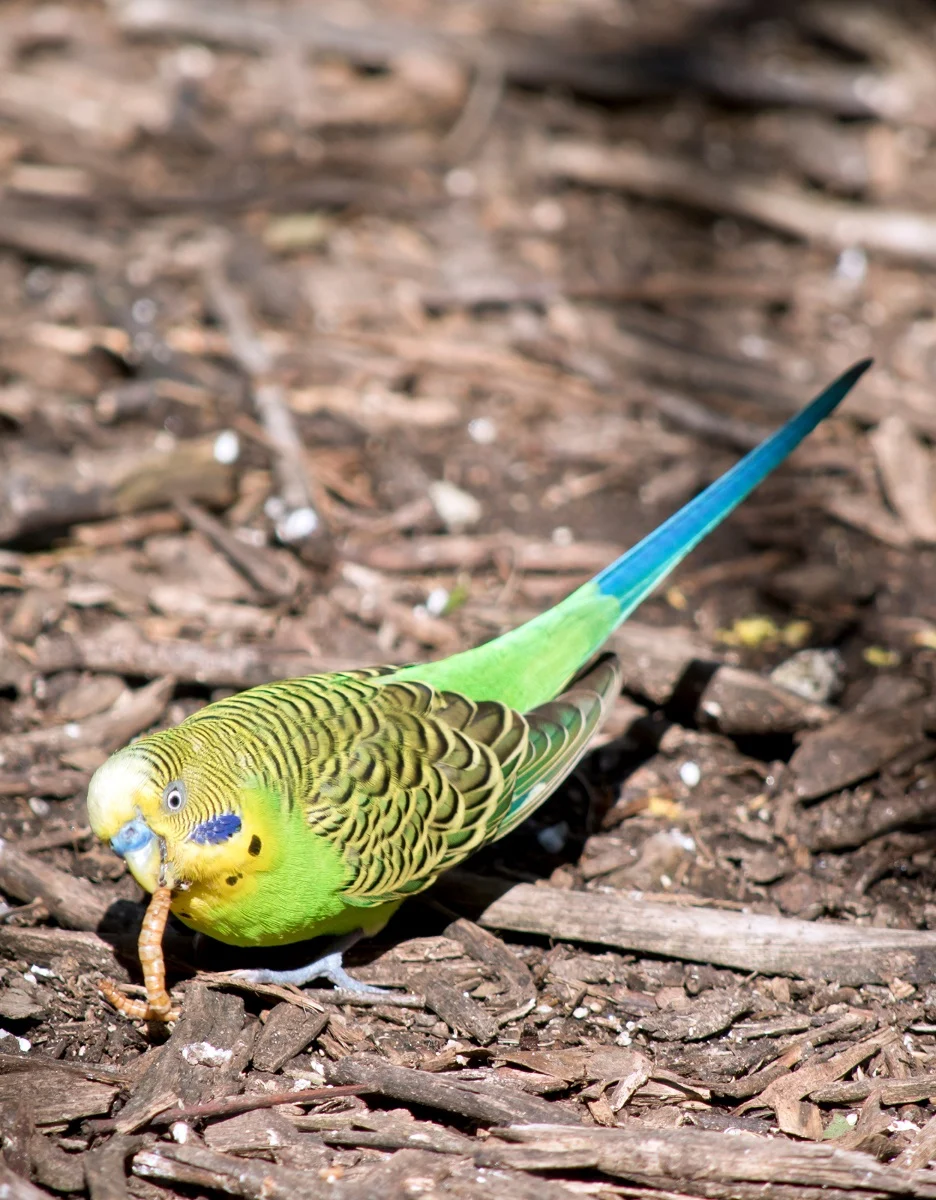
Providing a diverse and balanced diet is fundamental to the health and longevity of budgerigar parakeets (Melopsittacus undulatus). While commercial budgie seed mixes and pellets form the dietary cornerstone, integrating a variety of human-grade foods can significantly enhance nutritional intake and provide vital mental stimulation. However, discerning which items are beneficial and which pose risks is crucial for responsible pet ownership. This guide explores a comprehensive list of common household foods, categorizing them into safe and unsafe options, alongside essential feeding guidelines and insights into avian nutrition.
The Foundation of a Healthy Budgie Diet
Budgerigars, in their native Australian habitat, consume a wide array of seeds, grasses, fruits, and insects. This natural foraging behavior underscores the importance of dietary variety in captivity. A diet consisting solely of seeds is often deficient in essential vitamins, minerals, and amino acids, leading to various health complications such as obesity, liver disease, and vitamin A deficiency. Modern avian veterinary practice strongly advocates for a diet comprising high-quality pellets (60-70%), supplemented with fresh vegetables (20-30%), and a small amount of fruit, sprouted seeds, and occasional treats. Understanding which human foods fit into this supplementary category is key to enriching a budgie’s diet safely.
Why Variety Matters: Beyond Basic Sustenance
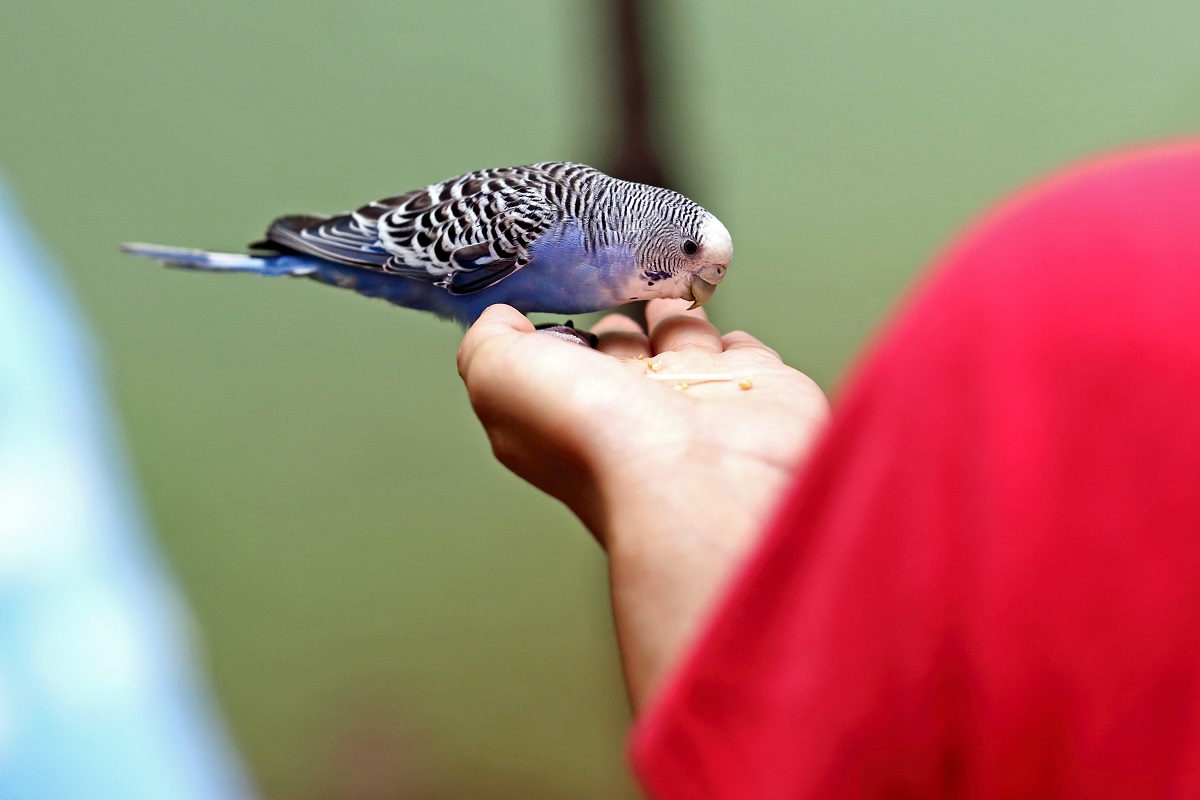
Beyond meeting basic caloric needs, a varied diet contributes significantly to a budgie’s overall well-being. Different foods offer diverse nutrient profiles, ensuring a broader spectrum of vitamins (A, D, E, K, B-complex), minerals (calcium, phosphorus, iodine), and antioxidants. The act of foraging, manipulating, and consuming different textures and tastes provides essential mental enrichment, preventing boredom and destructive behaviors often associated with monotonous diets. This engagement mimics their natural environment, promoting physical activity and psychological health. Avian nutritionists consistently highlight that a stimulated bird is a healthier bird, and diet plays a pivotal role in this cognitive and physical engagement.
Navigating the Pantry: 19 Safe Household Staples for Budgies
When introducing any new food, offer it in small quantities and observe your budgie’s reaction. All fresh produce should be thoroughly washed to remove pesticides. Processed human foods, even those listed as safe, should always be plain, unsalted, unsweetened, and free of artificial additives.
Grains and Seeds:
- Bread (Whole-Wheat): Small pieces of plain, whole-wheat bread can be offered occasionally. It provides carbohydrates and some fiber. Avoid white bread, brioche, or any bread containing added sugars, excessive salt, or fats. Seeds baked onto bread, such as sesame or poppy, are also acceptable if unsalted.
- Sunflower Seeds (Unsalted): These are often a budgie favorite due to their high palatability. However, their high-fat content necessitates strict moderation. Unsalted sunflower seeds can be excellent as training treats but should not be a daily dietary component. Salted varieties are detrimental due to high sodium levels.
- Chia Seeds: A highly nutritious option, chia seeds are rich in Omega-3 fatty acids, fiber, and antioxidants. They can be sprinkled dry (approximately 1/4 teaspoon) into a budgie’s food bowl or offered as a water-soaked pudding. Their nutritional density makes them a valuable addition to a varied diet.
- Hemp Seeds (Human-Grade, Unsalted): Frequently found in commercial bird seed mixes, human-grade hemp seeds are safe and beneficial. They are an excellent source of Omega-3 fatty acids and protein. It is important to note that these seeds lack the psychoactive compounds found in cannabis.
- Pasta (Plain, Cooked or Dry): Plain, unsalted pasta, especially whole-wheat varieties, can be offered cooked or dry. It serves as a source of carbohydrates for energy. Dry pasta can also be incorporated into homemade edible toys, providing enrichment as the bird chews and manipulates it. Avoid pasta with sauces, oils, or heavy seasonings.
- Popcorn (Plain, Air-Popped): Plain, air-popped, and unsalted popcorn kernels are a safe and enjoyable treat for budgies. Corn provides carbohydrates and fiber. The unique texture also makes popcorn an excellent component for DIY bird toys, encouraging foraging and play.
- Quinoa (Cooked or Uncooked): A complete protein source and member of the Amaranth family, quinoa is highly beneficial. It can be offered cooked or raw, providing a range of essential micronutrients. All varieties—white, red, and black—are suitable.
- Rolled Oats (Plain): Both rolled and steel-cut oats are a nutritious addition to a budgie’s diet, offering carbohydrates and fiber. They can be offered dry or soaked in water. While oatmeal made with unsweetened nut milk is permissible, its sticky nature can lead to cleaning difficulties around the beak.
Proteins:
- Boiled Eggs (Plain): Cooked eggs, particularly boiled, are an excellent source of protein, vitamins, and minerals. They are especially beneficial for budgies experiencing molting, illness, or for laying hens who require additional nutrients for egg production. Eggs should be served plain, without oil, salt, or seasoning. Scrambled eggs, cooked without oil or salt, are also acceptable.
- Chicken (Plain, Cooked): Small amounts of plain, cooked chicken breast or thigh can provide a valuable protein boost. This is particularly useful for birds with increased protein needs, such as breeding pairs or those recovering from illness. Ensure the chicken is completely unseasoned and cooked without oil or fat.
Nuts and Legumes (in strict moderation due to fat content):
- Peanut Butter (Natural, Low-Salt): Only natural peanut butter, made solely from peanuts with minimal or no added salt, is suitable. Brands high in sugar, hydrogenated oils, or excessive salt are harmful. Due to its high-fat content, it should be offered sparingly. A tiny dab can be used as an enrichment tool to entice birds to interact with new toys or foods. Ensure it is human-grade to minimize aflatoxin risk.
- Cashews (Unsalted): Like other nuts, unsalted cashews can be offered in very small quantities. They are high in fat, so a quarter of a crushed cashew nut is a sufficient portion for an occasional treat. Roasted cashews are fine, but any added salt must be avoided.
- Pumpkin Seeds (Unsalted): Similar to sunflower seeds, unsalted pumpkin seeds are a high-fat treat. Due to their larger size, offering half a seed at a time is appropriate. While some budgies can hull them, owners may need to assist by cracking them open.
- Almonds (Unsalted): Unsalted almonds, in small chopped pieces (e.g., a quarter of an almond), are safe. Flavored or salted almonds are inappropriate. Sprouting raw almonds and other nuts can enhance their nutritional value and digestibility for birds.
- Pine Nuts (Unsalted): These nuts are acceptable for budgies under the same conditions as other nuts: small amounts and strictly unsalted. Their high-fat content dictates infrequent offering.
- Peanuts (Human-Grade, Unsalted): Peanuts have historically been a subject of concern due to the risk of aspergillosis (a fungal disease caused by mold spores) from improperly stored, low-quality nuts. However, high-quality, human-grade, unsalted peanuts are safe in small amounts. Offering them in the shell with a small opening can provide excellent foraging enrichment.
Other Safe Options:
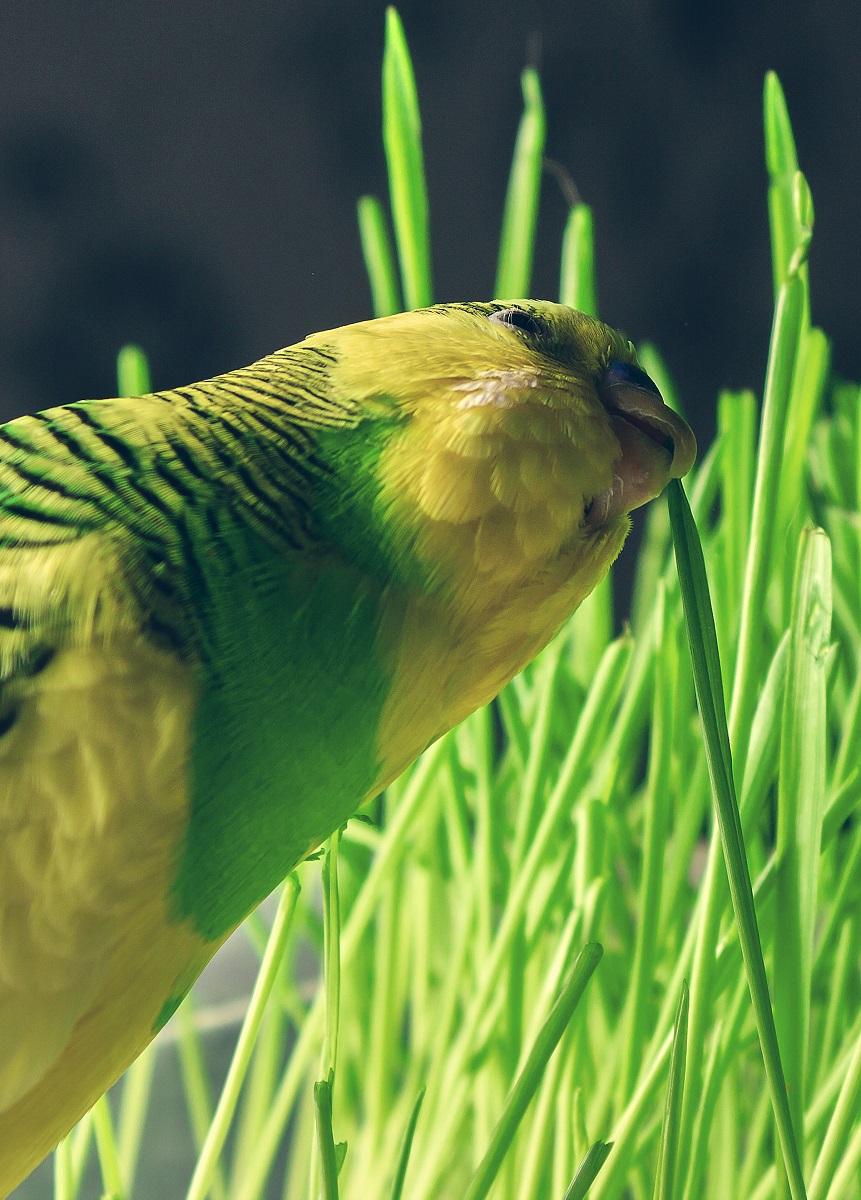
- Wheatgrass (Sprouted): Both wheatgrass seeds and sprouted wheatgrass are excellent, nutritious additions to a budgie’s daily diet. Sprouted wheatgrass offers vitamins, minerals, and fiber. It also serves as a great form of enrichment, allowing birds to forage and demolish the greens. It is best offered sprouted through a mesh to prevent ingestion of potentially contaminated soil.
- Cheerios (Plain): Compared to many sugary cereals, plain Cheerios have a relatively simple ingredient list, primarily whole-grain oats and corn starch. While they do contain some sugar and salt, a small piece (half a cheerio) can be offered very occasionally as a treat. They should not be a regular part of the diet.
- Dried Fruit (Additive-Free): Only dried fruit without any added sugars, sulfites, or other preservatives should be given. Candied fruits or those treated with sweeteners are harmful. Due to the concentrated natural sugars, dried fruit should be offered sparingly. Owners with dehydrators can prepare bird-safe dried fruits at home.
The Perilous Pantry: 9 Foods to Strictly Avoid for Budgies
Certain foods, while seemingly innocuous to humans, can be profoundly toxic or harmful to budgies due to their unique physiology and metabolic processes.
Explicitly Toxic Foods:
- Avocado: This is one of the most well-known toxic foods for parrots. Avocado contains persin, a fungicidal toxin that can cause severe respiratory distress, heart damage, weakness, and even death in birds, particularly small species like budgies. Ingesting any amount warrants immediate veterinary attention.
- Chocolate: Chocolate contains theobromine and caffeine, both of which are highly toxic to birds. These compounds can cause hyperactivity, tremors, seizures, cardiac arrhythmias, and lead to fatal outcomes. All forms of chocolate, including cocoa powder, should be kept strictly away from budgies. Contact an avian veterinarian immediately if ingestion is suspected.
- Honey: While a natural sweetener for humans, honey can contain Clostridium botulinum bacteria spores, which produce a neurotoxin. Similar to why it’s not recommended for infants, a budgie’s digestive system may not be equipped to neutralize these spores, leading to potentially fatal botulism. Furthermore, honey’s high sugar content is entirely unnecessary and unhealthy for budgies.
- Onions and Garlic: These alliums contain sulfur compounds that can cause hemolytic anemia (destruction of red blood cells) in birds, leading to weakness and respiratory issues. All forms—raw, cooked, powdered—are toxic.
- Apple Seeds: Apple seeds, and seeds from other pome fruits like pears, contain amygdalin, which metabolizes into cyanide in the digestive system. While the fruit flesh is safe, the seeds must be removed.
- Xylitol: This artificial sweetener, found in many sugar-free products (gum, candies, some peanut butters), is highly toxic to many animals, including birds. It can cause a rapid and severe drop in blood sugar (hypoglycemia) and liver damage, which can be fatal.
Unhealthy Processed and Digestive Disruptors:
- Chips (Potato and Corn): Commercial potato and corn chips are laden with excessive salt, unhealthy fats, artificial flavorings, and preservatives. These ingredients are detrimental to a budgie’s delicate metabolic system, leading to kidney issues, obesity, and other health problems.
- Aloe Vera Leaves: While the clear gel inside Aloe vera leaves is generally considered safe for topical use, the yellowish layer called aloin, found beneath the skin of the leaves, has a strong laxative effect. Ingesting this can cause severe gastrointestinal upset, diarrhea, and dehydration in budgies.
- Ice Cream and Cheese (Dairy Products): Budgies, like most birds, are lactose intolerant. They lack the enzyme lactase necessary to break down lactose found in dairy products. Consuming ice cream, milk, or soft cheeses can lead to digestive upset, diarrhea, and discomfort. Even hard cheeses, which have lower lactose levels, are too high in fat and salt for a budgie’s diet.
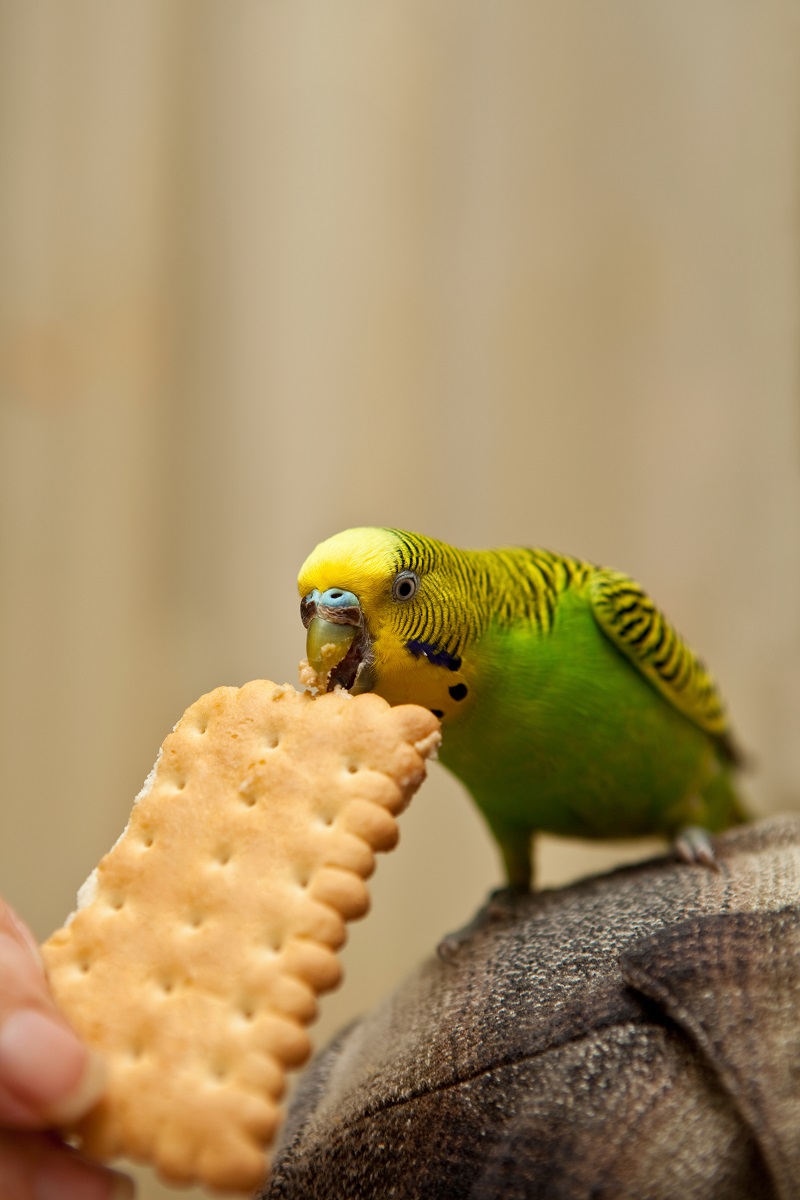
- Crackers and Biscuits (Cookies): Most crackers and biscuits (cookies) are formulated for human consumption with high levels of vegetable oils, salt, sugar, and preservatives. These ingredients are entirely inappropriate for budgies and contribute to obesity, cardiovascular issues, and other health problems. Even small crumbs should be avoided.
Emergency Provisions: What to Feed Your Budgie When Regular Food Runs Out
In an unexpected situation where commercial budgie food is unavailable, your bird does not need to starve. A temporary, balanced meal can be created from household items. A mixture of thoroughly washed, suitable vegetables (e.g., finely chopped broccoli, carrots, bell peppers, leafy greens) combined with a small amount of bird-safe fruit (e.g., apple, banana, berries, melon). Add cooked or uncooked grains like quinoa, rolled oats, or plain pasta. Supplement with a small quantity of chia seeds or hemp seeds and a tiny amount of chopped, unsalted nuts (almonds, cashews, peanuts). This diverse combination provides essential nutrients until regular food can be acquired.
Understanding Budgie Behavior: Beyond the Bowl
Certain budgie behaviors are often linked to their diet or need for enrichment:
- Eating Paper: If your budgie is consuming paper, it’s typically a sign of natural shredding behavior rather than hunger. Budgies are highly playful and enjoy tearing materials. Provide bird-safe paper, cardboard, and a variety of foraging toys to satisfy this instinct. Consistent paper ingestion, however, could indicate a nutritional deficiency, prompting a review of the primary diet.
- Eating Poop: Coprophagia (eating feces) can stem from several factors. A primary cause is often a nutritionally deficient, all-seed diet, where the bird attempts to re-ingest nutrients. It can also be a sign of boredom or a natural cleaning instinct, as some budgies pick at droppings on perches to keep their environment tidy. Addressing dietary deficiencies and providing ample enrichment are key.
- Cockatiel Food: Budgies can generally eat cockatiel food. The dietary needs of these two species are quite similar, particularly regarding pellets and seed mixes. Many commercial bird foods are marketed for "parakeets and cockatiels." However, always prioritize a high-quality pellet diet over seed-heavy mixes for both species.
Professional Perspectives on Avian Nutrition
The consensus among avian veterinarians and nutrition experts is unequivocal: a diverse diet is paramount for budgie health. Dr. Greg J. Harrison and Dr. Teresa L. Lightfoot, authors of "Clinical Avian Medicine," emphasize that nutritional imbalances are a leading cause of illness in pet birds. They advocate for a diet rich in fresh produce and high-quality pellets to prevent common deficiencies and diseases. This scientific backing reinforces the importance of carefully selecting and preparing supplementary human foods, ensuring they contribute positively to the bird’s overall well-being rather than introducing risks.
Broader Implications: The Lifelong Impact of Proper Diet
The long-term implications of a well-managed diet for a budgie are profound. A balanced nutritional intake directly translates to a stronger immune system, increased energy levels, brighter plumage, better reproductive health, and a significantly extended lifespan. Conversely, a poor diet can lead to chronic health issues, reduced vitality, and premature death. By carefully selecting safe, nutritious household foods and diligently avoiding toxic or unhealthy options, owners provide their budgies with the best possible foundation for a vibrant and healthy life. Responsible feeding is not merely about sustenance; it is a critical component of comprehensive avian care and a commitment to the well-being of these cherished feathered companions.

