


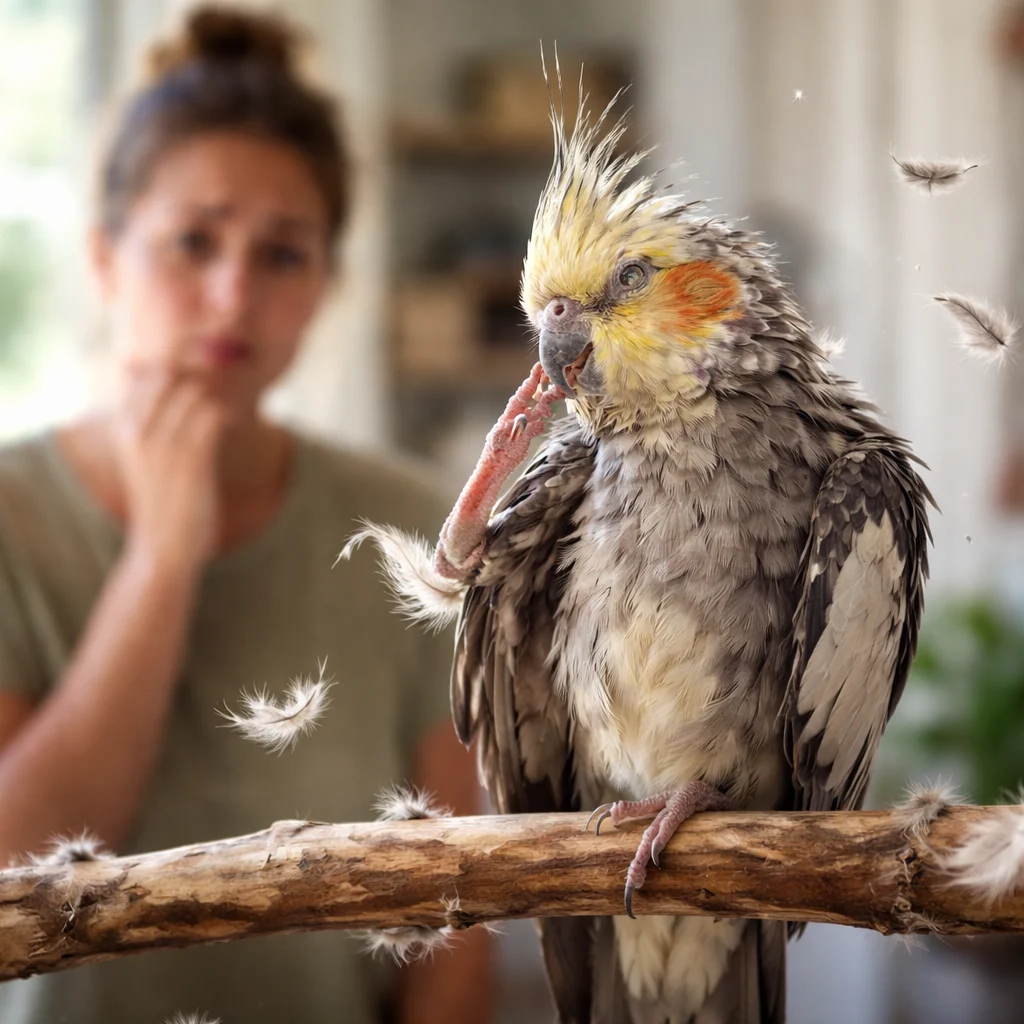
For avian companions, the cyclical process of feather replacement, known as molting, is a fundamental aspect of their physiology, vital for maintaining flight, insulation, and protection. However, discerning between this natural shedding and the potentially detrimental behavior of feather plucking presents a significant challenge for many bird owners. Misinterpreting these distinct phenomena can lead to delayed intervention for serious health or behavioral issues, underscoring the critical importance of accurate identification and appropriate response. This guide aims to equip bird caregivers with the knowledge to distinguish between a healthy molt and problematic feather loss, offering a structured approach to care and outlining when professional veterinary consultation becomes imperative.
Understanding the Natural Phenomenon of Molting
Molting is an intrinsic biological process by which birds periodically shed old, worn, or damaged feathers and replace them with new ones. This renewal is essential for maintaining feather integrity, which directly impacts a bird’s ability to fly efficiently, regulate body temperature, and protect itself from environmental elements. Feathers are not permanent structures; they degrade over time due to daily wear and tear, exposure to sunlight, and preening activities. A healthy molt ensures that a bird’s plumage remains in optimal condition, reflecting its overall health and well-being.
The Biological Imperative of Feather Renewal
Feathers are complex structures composed primarily of keratin, a protein also found in human hair and nails. They are metabolically "dead" once fully grown, meaning they cannot repair themselves. Consequently, regular replacement is necessary. The process is energetically demanding, requiring significant protein and nutrient intake to support the growth of numerous new feathers. This demand can sometimes lead to temporary changes in a bird’s behavior, such as increased lethargy, irritability, or a heightened need for rest, as its body dedicates resources to feather production.
The Molting Cycle: Frequency and Phases
The frequency and duration of molting vary considerably among species and individual birds, influenced by factors such as age, species, reproductive status, nutrition, environmental light cycles, and overall health. Most adult birds undergo one or two complete molts per year, often triggered by seasonal changes in daylight hours, which signal hormonal shifts. Juvenile birds experience their first "baby molt" as they transition from downy plumage to adult feathers.
Molting is typically a gradual process, preventing the bird from losing too many feathers simultaneously, which would impair its ability to fly or regulate temperature. Feathers are shed in a symmetrical pattern, ensuring balance and flight capability. New feathers emerge as "pin feathers"—small, spiky structures encased in a w keratin sheath. As these pins grow, the bird will preen to break open the sheath, releasing the new, fully formed feather. This stage is often associated with intense itching, as the developing feathers are rich in blood supply (hence "blood feathers") and nerve endings, making them sensitive. The entire molting process can last from several weeks to a few months, depending on the bird’s size and species.
Physiological Demands of Molting
During a molt, a bird’s body undergoes significant physiological stress. The synthesis of new feathers requires a substantial amount of specific amino acids (the building blocks of protein), vitamins (especially biotin and B vitamins), and minerals (such as calcium and zinc). A diet rich in these nutrients is paramount to support healthy feather growth and prevent deficiencies that could compromise the quality of new plumage or prolong the molting period. Providing adequate nutrition and a supportive environment during this time is crucial for the bird’s comfort and health.
Identifying the Signs: Molt vs. Problematic Feather Loss
Distinguishing between a normal molt and feather plucking is often the first and most critical step in addressing a bird’s feather condition. Careful observation of the bird’s behavior, the appearance of its feathers, and the condition of its skin can provide vital clues.
Hallmarks of a Healthy Molt: Symmetrical Loss, Pin Feathers, and Their Role
A normal molt exhibits several tell-tale signs:
- Symmetrical Bald Spots: Feathers are typically lost in an even, symmetrical pattern, especially under the wings, on the legs, or around the head. This symmetry is crucial for maintaining balance and flight. Bald patches are temporary and are quickly filled by emerging pin feathers.
- Abundance of Pin Feathers: The appearance of numerous "pin feathers" or "blood feathers" is a definitive sign of molting. These new feathers initially look like tiny, spiky quills protruding from the skin. They are often dark at the base, indicating the presence of blood supply within the shaft, which nourishes the growing feather. As the feather matures, the blood supply recedes, and the keratin sheath flakes off, revealing the mature feather.
- Intact Feather Edges: Feathers that are shed during a normal molt typically have clean, intact edges. The remaining feathers on the bird’s body will not show signs of chewing or damage.
- Temporary Behavioral Changes: During a heavy molt, birds may appear more irritable, sleep more, or have a reduced appetite due to the energy demands and the itchiness of developing pin feathers. This is usually transient and resolves once the new feathers emerge.
Red Flags for Potential Plucking: Ragged Feathers, Skin Irritation, and Underlying Causes
Feather plucking, in contrast, is a self-destructive behavior where a bird intentionally damages or removes its own feathers. This can range from mild feather chewing to severe plucking, leading to significant baldness and skin trauma. The signs often include:
- Ragged/Chewed Edges: The most obvious sign of plucking is the presence of feathers with chewed, broken, or ragged edges, especially on areas the bird can reach (chest, legs, back). The feathers may appear frayed or half-eaten.
- Asymmetrical Feather Loss: Unlike molting, feather plucking often results in irregular or asymmetrical bald patches. Areas that are difficult for the bird to reach, such as the head and neck (unless a cagemate is plucking them), may remain fully feathered while other accessible areas are bare.
- Skin Irritation or Damage: Constant plucking can irritate the skin, leading to redness, inflammation, scabs, or even open wounds. The skin may appear dry, flaky, or discolored.
- Underlying Causes: Feather plucking is a complex issue with a multitude of potential causes, often requiring a multi-faceted approach to diagnosis and treatment. These causes can be broadly categorized:
- Medical Conditions: Parasites (mites, giardia), bacterial or fungal infections, nutritional deficiencies (e.g., Vitamin A, calcium, essential fatty acids), organ diseases (liver, kidney), hormonal imbalances, heavy metal toxicity, allergies, and even certain types of tumors can all manifest as feather destruction.
- Behavioral/Psychological Issues: Boredom, lack of mental stimulation, anxiety, stress (e.g., changes in environment, new pets, perceived threats), insufficient sleep, inappropriate cage size, lack of bathing opportunities, and even a perceived lack of attention can lead to plucking. Birds are highly intelligent and social creatures, and their psychological well-being is closely linked to their physical health.
- Environmental Factors: Low humidity, exposure to irritants (e.g., smoke, harsh cleaning chemicals), improper lighting, or an overly dry environment can contribute to skin irritation and subsequent plucking.
Immediate Veterinary Attention Required: Hemorrhage, Self-Mutilation, and Open Wounds
Certain symptoms warrant immediate veterinary intervention, as they indicate a serious problem that could rapidly escalate:
- Blood or Scabs on the Skin Surface: Any visible blood, open wounds, or scabs on the bird’s skin, especially if accompanied by active bleeding from a broken blood feather or self-inflicted injury, is an emergency. Blood loss in birds can be critical, and open wounds are highly susceptible to infection.
- Self-Mutilation: If a bird is not only plucking but also actively chewing its skin or flesh, causing deep wounds, this constitutes a severe emergency. This extreme behavior indicates intense pain, irritation, or psychological distress and requires immediate medical attention.
- Sudden, Excessive Feather Loss with Other Symptoms: While a heavy molt can result in significant feather loss, if this is accompanied by lethargy, loss of appetite, changes in droppings, or other signs of illness, it is a cause for immediate concern.
Navigating the Molt: An Expert-Recommended Care Regimen
Once it has been established that a bird is undergoing a normal molt, the focus shifts to providing optimal supportive care to facilitate comfortable and efficient feather growth. The primary goal is to reduce the "friction" and discomfort associated with emerging pin feathers and ensure the bird has all the necessary resources for a successful molt.
Optimizing Environmental Conditions: Humidity and Bathing
Adequate humidity is crucial during molting. Dry air can make pin feathers more brittle and harder to shed their keratin sheaths, leading to increased itchiness and potential discomfort.
- Regular Bathing: Offer your bird frequent opportunities to bathe, whether in a shallow dish, a bird bath, or a gentle misting with warm water. Bathing softens the keratin sheaths of pin feathers, making them easier for the bird to preen off and providing immediate relief from itching.
- Humidity Enhancement: Consider using a humidifier in the bird’s room, especially in dry climates or during winter months when indoor heating can reduce humidity. Aim for a humidity level between 50-60%.
- Aloe Vera Bird Spray: As suggested by experts, topical sprays containing aloe vera can provide instant relief for itchy pin feathers and dry skin, helping to soothe irritation and hydrate the skin. Ensure any product used is specifically formulated and safe for birds.
Nutritional Pillars for Robust Feather Growth: Proteins, Vitamins, and Essential Fatty Acids
Nutrition plays an indispensable role in feather health. Feathers are primarily protein, so a high-quality diet is non-negotiable, particularly during molting.
- High-Quality Protein: Ensure the bird’s diet includes ample sources of complete proteins, which provide all essential amino acids. This can come from formulated pellets, cooked lean meats, eggs, and certain legumes.
- FeatherUp! + Biotin: Supplements rich in vitamins, especially biotin and other B vitamins, are vital for keratin synthesis and overall feather quality. Biotin is known to strengthen feathers and promote healthy skin.
- Essential Fatty Acids (EFAs): Omega-3 and Omega-6 fatty acids are crucial for skin health, feather luster, and reducing inflammation. Sources include flaxseed oil, chia seeds, and specific avian supplements.
- Red Palm Oil: This natural oil is a rich source of beta-carotene (a precursor to Vitamin A), Vitamin E, and beneficial Omega fatty acids. It contributes to vibrant, glossy plumage and supports overall skin health. It should be offered in moderation as a supplement.
- Vitamin A: Crucial for epithelial tissue health, including skin and feather follicles. Sources include dark leafy greens, carrots, and sweet potatoes.
- Minerals: Zinc, copper, and calcium are also important for feather structure and pigmentation.
Minimizing Stress and Promoting Well-being
A calm and stable environment can significantly aid a bird through its molt.
- Adequate Rest: Ensure your bird receives 10-12 hours of uninterrupted sleep in a quiet, dark environment.
- Reduced Handling: During a heavy molt, birds can be more sensitive and irritable. Minimize excessive handling or activities that might cause stress.
- Environmental Enrichment: Continue to provide engaging toys, foraging opportunities, and mental stimulation to prevent boredom and anxiety, which could inadvertently lead to excessive preening or plucking.
The Avian Health Stoplight: When to Seek Professional Veterinary Care
Understanding when to consult an avian veterinarian is paramount for a bird’s health. The "Safety Stoplight" system provides a clear framework for decision-making.
Red Light: Call Now – Critical Symptoms
These signs indicate a medical emergency requiring immediate professional attention:
- Active Bleeding: From a broken blood feather, wound, or vent.
- Severe Lethargy and Weakness: Bird is unusually quiet, unresponsive, unable to perch, or collapsing.
- Loss of Appetite and Significant Weight Loss: Refusal to eat for more than 24 hours, or noticeable decrease in body mass.
- Difficulty Breathing: Open-mouthed breathing, tail bobbing, wheezing, or gasping.
- Severe Skin Trauma: Deep wounds, extensive scabbing, or signs of self-mutilation.
- Vomiting or Regurgitation (non-mating related): Especially if accompanied by other signs of illness.
- Sudden Change in Droppings: Diarrhea, blood in droppings, or completely abnormal color/consistency persisting for more than a few hours.
Yellow Light: Monitor Closely – Cautionary Signs
These symptoms warrant close observation and a veterinary appointment if they persist or worsen:
- Mild Skin Irritation: Redness or flakiness without open wounds or active bleeding.
- Slight Decrease in Activity or Appetite: If the bird is still eating and drinking but less active than usual, or has a slightly reduced food intake.
- Increased Preening that Seems Excessive: If the bird is preening more than usual, but not yet causing feather damage or skin trauma.
- Minor Asymmetrical Feather Loss: If there are a few areas of feather loss that don’t fit the typical symmetrical molt pattern, but no skin damage.
- Persistent Itchiness: If the bird seems excessively itchy despite appropriate bathing and humidity.
- Changes in Feather Quality Post-Molt: If new feathers appear dull, discolored, or malformed after a molt.
Green Light: Proceed with Care – Supportive Management
These are normal signs of a healthy molt, where supportive home care is appropriate:
- Symmetrical Feather Loss: Predictable shedding pattern.
- Abundance of Pin Feathers: Spiky new feathers emerging through the skin.
- Temporary Irritability or Increased Sleep: Mild behavioral changes common during molting.
- Increased Preening: Normal activity to remove keratin sheaths from new feathers.
- Intact Skin: No redness, scabs, or bleeding.
Proactive Measures and Long-Term Implications
Understanding and responding correctly to a bird’s feather condition has profound long-term implications for its health and welfare. Proactive care is always more effective than reactive treatment.
Preventing Behavioral Plucking: Enrichment and Routine
Prevention of behavioral plucking is rooted in providing a stimulating, stable, and enriched environment. This includes:
- Adequate Cage Size: Ensuring the bird has enough space to move, climb, and exercise.
- Environmental Enrichment: A variety of safe toys, foraging opportunities, perches of different textures and sizes, and opportunities for mental stimulation (e.g., puzzle toys, training).
- Consistent Routine: Birds thrive on predictability. A stable daily schedule for feeding, sleep, and interaction can reduce anxiety.
- Social Interaction: Regular, positive interaction with caregivers, tailored to the bird’s species and individual needs.
- Proper Lighting: Exposure to natural light cycles or full-spectrum lighting, crucial for hormonal balance and overall well-being.
The Long-Term Consequences of Misdiagnosis
Misdiagnosing feather plucking as a normal molt can have severe consequences. If the underlying cause of plucking (medical or behavioral) is not addressed, the condition can become chronic, leading to:
- Chronic Pain and Discomfort: Constant irritation and potential skin infections.
- Psychological Distress: Plucking can become a compulsive behavior, indicating significant stress or anxiety.
- Permanent Follicle Damage: Prolonged plucking can damage feather follicles, leading to permanent baldness in affected areas.
- Increased Vulnerability: Loss of feathers compromises insulation and protection, making the bird more susceptible to temperature fluctuations and injury.
- Systemic Illness: If plucking is a symptom of an underlying disease, failure to diagnose and treat it can lead to the progression of serious health issues.
The Crucial Role of Regular Avian Veterinary Check-ups
Regular preventive care with an avian veterinarian is indispensable. Annual check-ups allow for early detection of health issues, nutritional deficiencies, and provide an opportunity for caregivers to discuss any concerns regarding their bird’s behavior or feather condition. An avian vet can perform diagnostic tests, offer tailored nutritional advice, and help develop strategies to manage or prevent feather plucking.
Conclusion: Empowering Bird Owners Through Knowledge
The ability to differentiate between a natural molt and problematic feather plucking is a cornerstone of responsible bird ownership. By understanding the biological processes of molting, recognizing key indicators of both normal shedding and concerning behaviors, and knowing when to seek professional veterinary intervention, bird owners can ensure their avian companions receive the optimal care they deserve. Proactive management, encompassing a nutrient-rich diet, a stimulating environment, and attentive observation, empowers caregivers to support their birds through healthy molts and address any signs of distress promptly and effectively, fostering a life of vitality and comfort for these magnificent creatures.

