


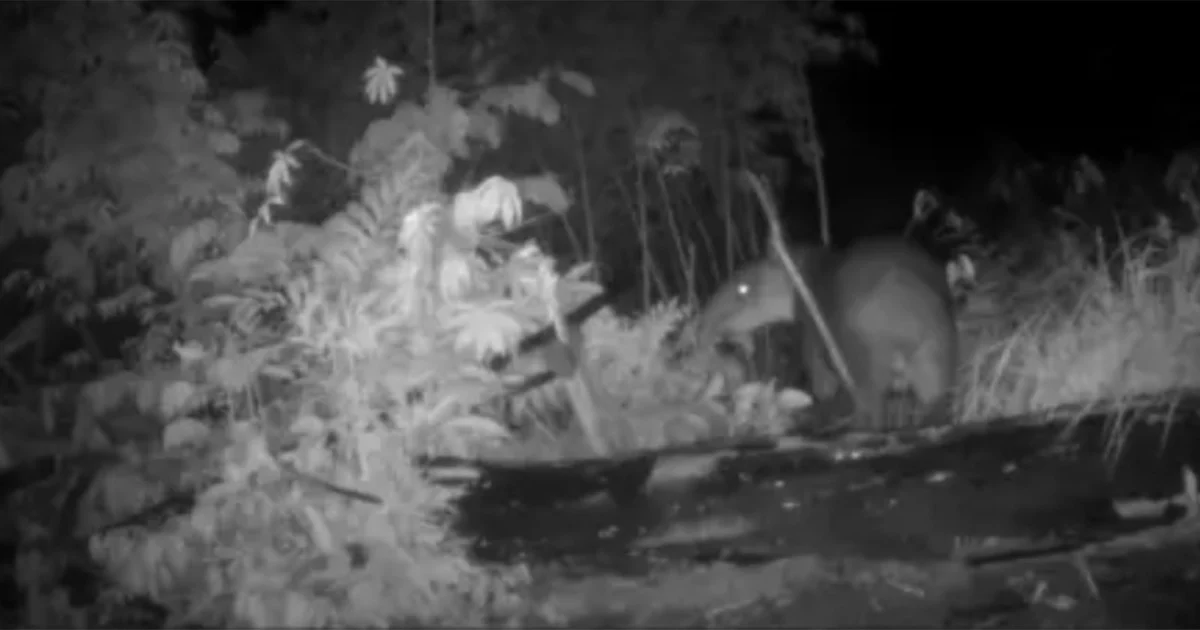
In the dense, verdant expanses of eastern Honduras, a long-standing dispute between indigenous farmers and the region’s largest terrestrial mammal has been mediated not by legal arbitration, but by the impartial lens of motion-activated technology. For generations, the Miskitu community of Mavita has contended with the mysterious destruction of their cassava fields, locally known as yucales. Suspicion historically fell upon the Baird’s tapir (Tapirus bairdii), an endangered species whose formidable size and nocturnal habits made it a natural scapegoat for agricultural losses. However, a landmark study published in the journal Neotropical Biology and Conservation has utilized camera trap data to overturn these local assumptions, revealing that the true perpetrator of the crop damage is a far smaller, less conspicuous resident of the forest: the Honduran cottontail rabbit.
The research, led by the Wildlife Conservation Society (WCS) and spearheaded by lead author Manfredo Turcios-Casco, highlights a critical turning point in wildlife conservation. By providing empirical evidence to counter anecdotal perceptions, the study addresses one of the most persistent challenges in environmental management—human-wildlife conflict (HWC). In many tropical regions, these conflicts often escalate into retaliatory hunting or the destruction of critical habitats, further threatening species already on the brink of extinction. The exoneration of the Baird’s tapir in the yucales of Honduras offers a blueprint for how non-invasive technology can foster coexistence between human populations and the natural world.
The Context of Conflict in La Mosquitia
The study took place in the remote region of La Mosquitia, an area often referred to as the "Little Amazon" of Central America. This region is home to the Indigenous Miskitu people, whose livelihoods are deeply intertwined with the rainforest. Cassava, a starchy root vegetable, serves as a primary staple for the community, providing both food security and a modest source of income. Because these fields are often carved out of the forest edge, they create a "buffer zone" where wild animals frequently encounter human agriculture.
For years, farmers in Mavita reported significant damage to their crops, with plants uprooted and tubers consumed under the cover of darkness. The Baird’s tapir, which can weigh up to 800 pounds (approximately 360 kilograms), was the most logical suspect. As the largest land mammal in Central America, its presence is hard to ignore; its tracks are deep, and its physical impact on the undergrowth is substantial. Known locally as the "mountain cow," the tapir’s visibility and size led to a prevailing narrative within the community that it was the primary driver of agricultural economic loss.
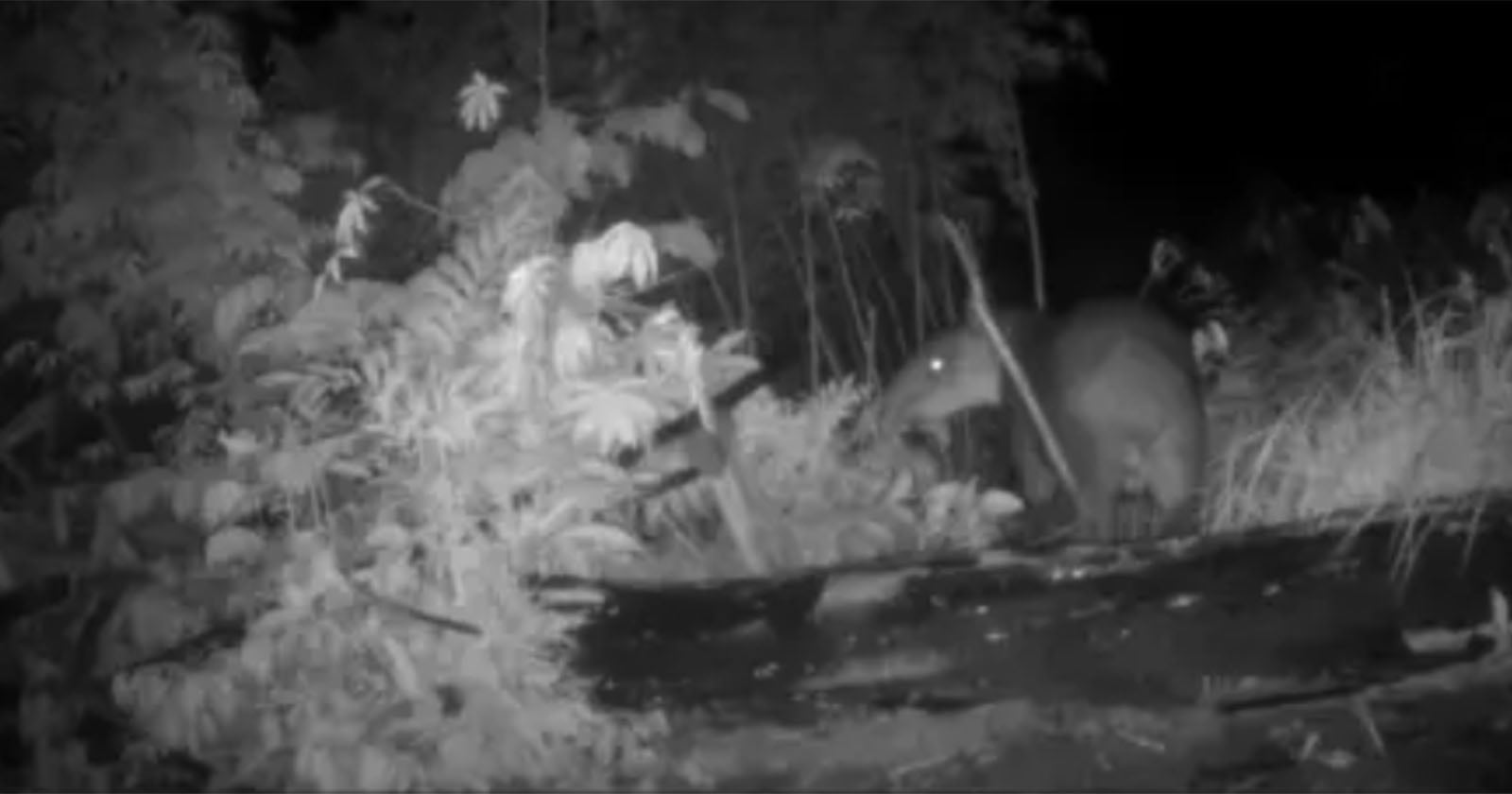
This perception placed the tapir in a precarious position. The species is currently listed as Endangered on the IUCN Red List, with global populations estimated to be fewer than 5,500 individuals. Habitat fragmentation, climate change, and hunting have already decimated their numbers. When an endangered species is viewed as a pest, the likelihood of local support for its conservation diminishes, often leading to lethal "problem animal" control measures.
Methodological Approach: The 10-Hectare Experiment
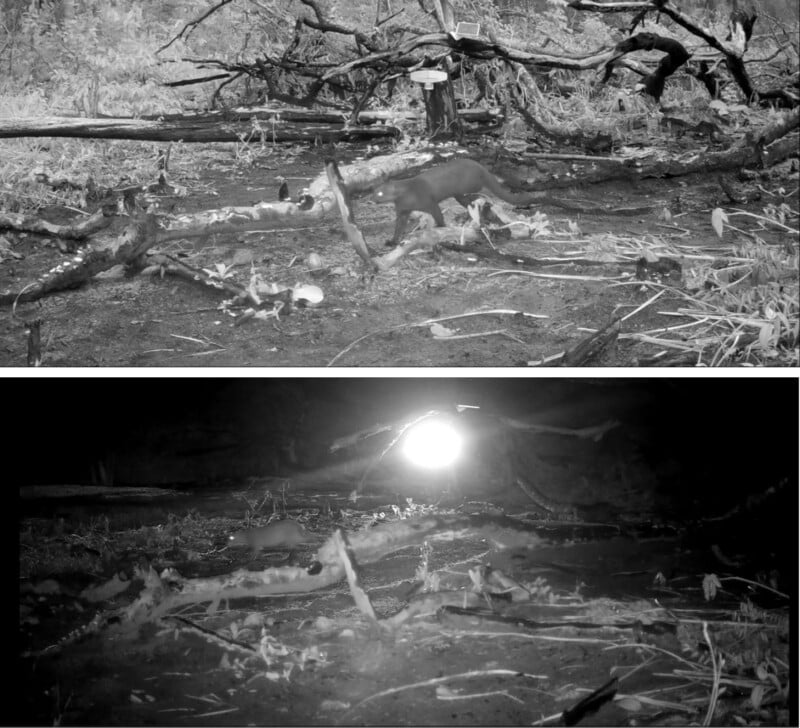
To investigate the veracity of these claims, researchers from the WCS designed a rigorous monitoring program. They selected a 10-hectare cassava field in Mavita that had been identified by locals as a frequent site of animal intrusion. The team deployed a network of camera traps—rugged, waterproof cameras equipped with infrared sensors that trigger a photograph or video whenever motion is detected.
A unique component of this study was the integration of solar-powered, motion-activated LED lights. The researchers wanted to achieve two goals: first, to identify the species visiting the crops, and second, to test whether light-based deterrents could serve as a non-lethal method of crop protection. Over a period of two months, these cameras stood as silent sentinels, capturing thousands of images of the forest’s nocturnal inhabitants.
The data collection period was meticulously timed to coincide with the peak growing season of the cassava, ensuring that the cameras would be active when the crops were most vulnerable to foraging wildlife. This systematic approach allowed the researchers to move beyond sporadic sightings and create a comprehensive "visitor log" for the agricultural site.
The Findings: A Case of Mistaken Identity
When the researchers analyzed the footage, the results were startling and directly contradicted the long-held beliefs of the Mavita residents. While the camera traps did record seven different species of mammals visiting the cassava fields—including ocelots (Leopardus pardalis), jaguarundis (Herpailurus yagouaroundi), opossums (Didelphis marsupialis), and indeed, the Baird’s tapir—the frequency of their visits told a different story.
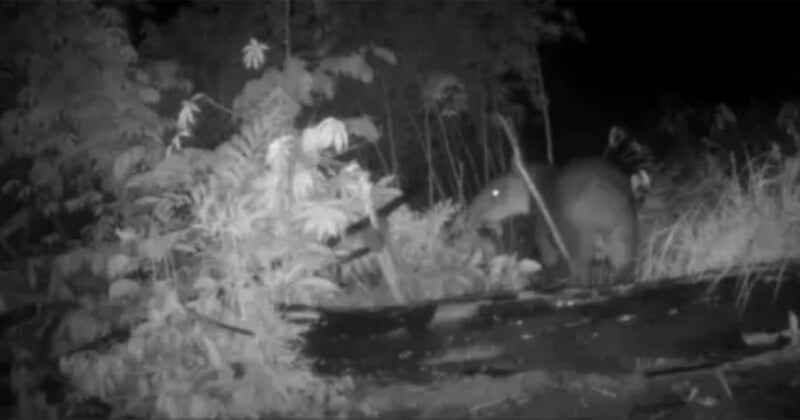
The most frequent visitor, by a significant margin, was the Honduran cottontail rabbit (Sylvilagus hondurensis). This small lagomorph was captured on film repeatedly, engaging in the very behaviors that farmers had attributed to the tapir. Interestingly, the local community had not even considered the rabbit as a potential threat to their crops. Its small size and quiet nature allowed it to operate under the radar, while the large and conspicuous tapir bore the brunt of the blame.
"Many conservation conflicts begin with assumptions. Without evidence, it is easy to blame large and conspicuous animals," stated Manfredo Turcios-Casco. "Camera traps allowed us to identify which species were truly interacting with the crops and helped us separate perception from reality."
The study also noted that while tapirs did enter the fields, their interactions with the cassava were less frequent and often less destructive than those of the rabbits and smaller rodents. Other species, such as the paca and armadillo, which were also suspected "accomplices" by the locals, were found to visit the fields but not in the quantities or with the consistency required to explain the total volume of crop loss.
The Psychology of Wildlife Perception
The findings in Honduras highlight a phenomenon known in conservation science as "visibility bias." Human beings are naturally inclined to notice and remember interactions with large, charismatic, or intimidating animals. Because a tapir is a rare and impressive sight, a single encounter in a field may be weighted more heavily in a farmer’s memory than a hundred sightings of a common rabbit.
Furthermore, the damage caused by a large animal is often more dramatic. A tapir might knock over several plants just by moving through a field, whereas a rabbit nibbles away at the foliage or roots. Over time, the cumulative damage caused by a high population of small animals can exceed the occasional damage caused by one large animal. However, the dramatic nature of the larger animal’s presence leads to it being branded as the "problem species."
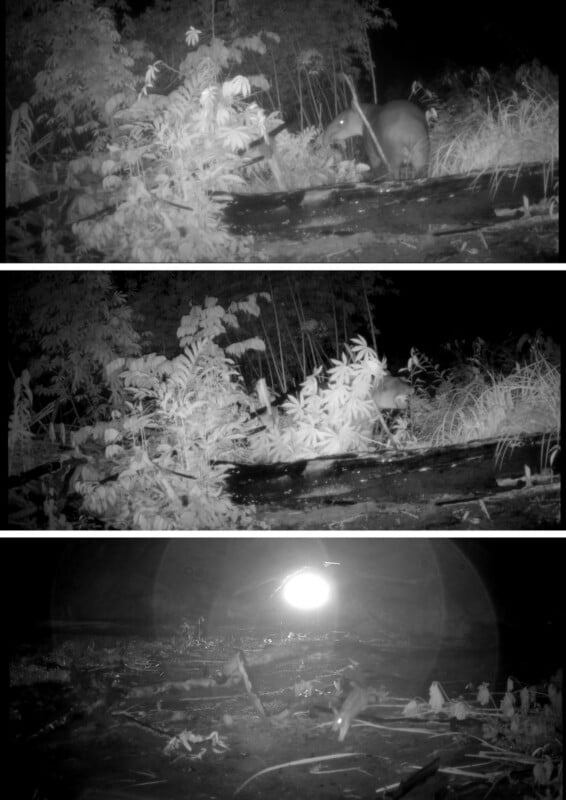
This psychological aspect of human-wildlife conflict is a major hurdle for conservationists. If a community believes a specific animal is destroying their livelihood, they are less likely to support initiatives to protect that animal’s habitat. By providing photographic proof that the tapir was not the primary culprit, WCS researchers were able to shift the narrative in Mavita, potentially saving the lives of tapirs that might otherwise have been targeted by frustrated farmers.
Implications for Non-Lethal Mitigation
Beyond identification, the study also provided insights into the effectiveness of LED motion-sensor lights. The researchers observed how different species reacted to the sudden illumination. While some animals appeared startled and fled the area, others became habituated to the light over time.
The use of solar-powered LEDs represents a low-cost, sustainable technology that can be maintained by indigenous communities without the need for expensive batteries or complex infrastructure. For the Miskitu people, implementing such deterrents could provide a way to protect their yucales without resorting to fences or traps that could harm the biodiversity of the surrounding forest.
The study suggests that a multi-tiered approach to crop protection is necessary. Since the primary pest was identified as a rabbit, the mitigation strategies can now be tailored specifically to that species. Fencing that is permeable to large mammals but restrictive to small rodents, or the use of specific olfactory deterrents, could be more effective than broad-spectrum measures.
Broader Impact on Global Conservation Strategy
The success of the Honduras study has implications far beyond the borders of La Mosquitia. Human-wildlife conflict is a global crisis, affecting everything from elephant-farmer tensions in Africa to wolf-livestock issues in North America and Europe. In many of these cases, the "perceived" damage caused by a species is much higher than the "actual" damage.
By integrating camera traps into community-led conservation efforts, organizations can provide the objective data needed to de-escalate tensions. When communities are involved in the scientific process—seeing the photos for themselves and participating in the deployment of the cameras—they are more likely to trust the results and adopt new management strategies.
In the case of the Baird’s tapir, this research is a vital component of a broader survival strategy. As an "umbrella species," the protection of the tapir and its habitat ensures the survival of countless other plants and animals within the ecosystem. If the people of Mavita can view the tapir not as a thief of their harvest, but as a neutral or even beneficial neighbor, the prospects for the species’ long-term survival in Honduras improve dramatically.
Conclusion and Future Outlook
The exoneration of the Baird’s tapir in the cassava fields of Honduras serves as a powerful testament to the role of technology in modern ecology. It proves that science can act as a bridge between indigenous traditional knowledge and effective wildlife management. Moving forward, the Wildlife Conservation Society plans to continue working with the Miskitu community to refine crop protection methods and monitor the health of the tapir population.
The study concludes that identifying the "true culprit" is the first and most essential step in any conservation program. As Manfredo Turcios-Casco noted, the most surprising element of the research was the disconnect between local perception and biological reality. By closing that gap, researchers have not only protected a crop but have also secured a more peaceful future for one of Central America’s most iconic and endangered giants. The "mountain cow" may continue to roam the forests of La Mosquitia, no longer a fugitive in the eyes of those who share its home.

