


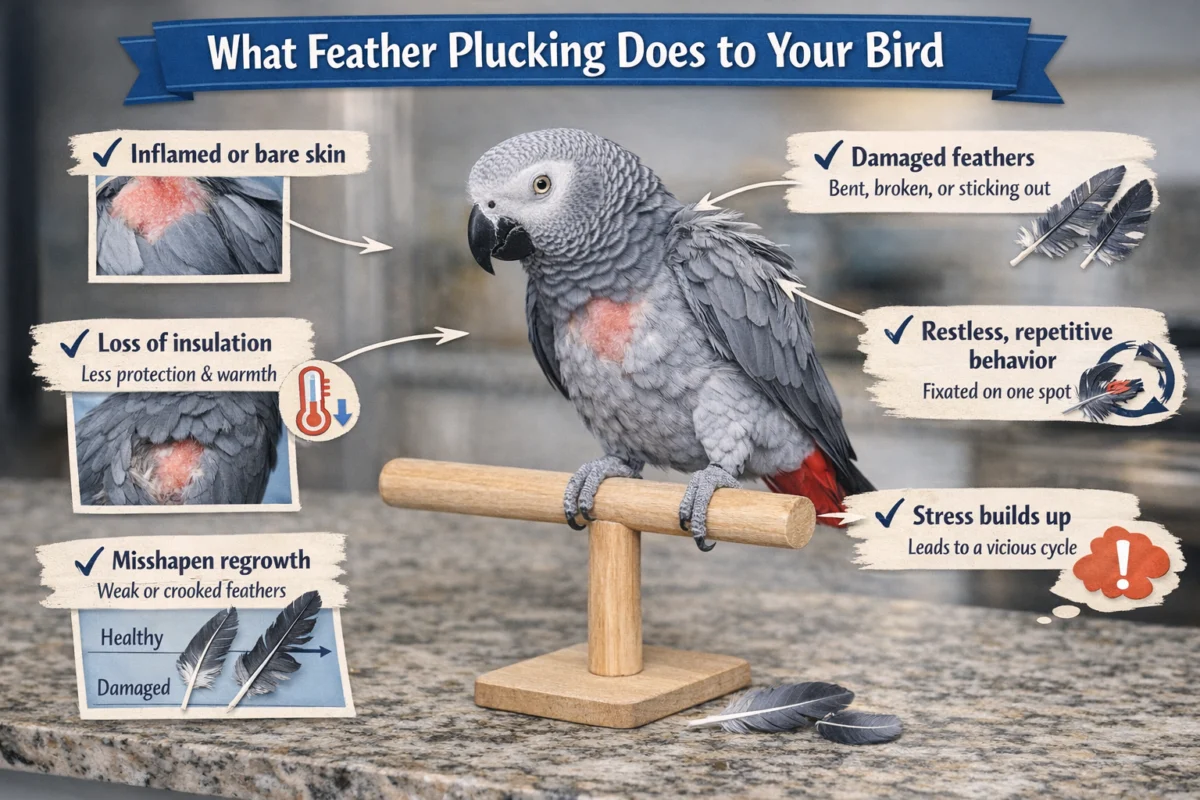
Feather plucking, a distressing and often misunderstood behavior in captive birds, represents a significant challenge for avian caretakers and veterinarians alike. While the sight of feathers on a cage floor might initially suggest a natural process, discerning between normal molting, routine preening, and pathological feather plucking is paramount for a bird’s health and well-being. Early identification and intervention are critical, as what begins as a subtle behavioral shift can rapidly escalate into a chronic and debilitating condition, potentially leading to severe self-mutilation.
Understanding Normal Feather Maintenance
To properly identify feather plucking, it is essential to first understand the natural processes of molting and preening. These are fundamental biological functions vital for maintaining a bird’s plumage, which is crucial for flight, insulation, waterproofing, and display.
- Molting: This is the natural, periodic shedding of old, worn feathers and their replacement with new ones. Molting typically occurs once or twice a year, often triggered by seasonal changes in light and temperature, as well as hormonal shifts. During a normal molt, feathers are shed gradually and symmetrically, ensuring the bird retains its ability to fly and regulate body temperature. Owners will typically observe a moderate scattering of intact feathers on the cage floor. New feathers, known as pin feathers, emerge encased in a waxy keratin sheath, which birds carefully remove during preening. This process, while sometimes itchy, is a sign of healthy feather regeneration.
- Preening: This is a daily grooming ritual where a bird meticulously cleans, arranges, and waterproofs its feathers. Using its beak, a bird will smooth out barbs, remove dirt and parasites, and distribute oils from its preen gland (uropygial gland) over its plumage. Normal preening is a calm, methodical activity, moving across various parts of the body. The goal is to maintain the structural integrity and optimal function of each feather. A healthy bird spends a significant portion of its day preening, a behavior indicative of good health and environmental comfort.
The Onset of Feather Plucking
In stark contrast to these natural behaviors, feather plucking is an abnormal, self-destructive act where a bird damages or removes its own feathers. The key distinctions lie in the intensity, focus, and outcome of the behavior. While normal preening involves gentle manipulation to align feathers, plucking involves aggressive actions such as digging, chewing, snapping, or forcefully pulling out feathers. This behavior is often fixated on a specific area of the body, leading to visible feather damage, breakage, or complete denudation of patches of skin.
Initial signs an owner might notice include:
- Damaged, frayed, or chewed feather tips, especially on the wings, chest, or legs.
- An unusually high number of broken or shredded feathers, rather than intact shed feathers.
- Red, irritated, or inflamed skin underneath the feathers.
- Repetitive, obsessive focus on a particular body area, often accompanied by audible feather ripping.
- Changes in the bird’s demeanor, such as increased agitation, withdrawal, or excessive vocalization associated with the behavior.
The Progression: From Plucking to Mutilation
The trajectory of feather plucking can be insidious, often progressing through several stages if left unaddressed.
- Early Stage (Feather Chewing/Barbering): The bird begins by damaging the feather structure without necessarily pulling them out. Feathers appear ragged, frayed, or "barbered" (cut short). This is often an early warning sign, indicating underlying discomfort or stress.
- Moderate Stage (Feather Plucking): The bird starts pulling out feathers, leading to visible patches of feather loss. The skin underneath may appear pink and irritated. At this point, the behavior is becoming more ingrained and difficult to interrupt.
- Severe Stage (Self-Mutilation): This is a critical and urgent condition. The bird no longer targets only feathers but begins to damage the underlying skin and tissue. This can involve biting, tearing, or creating open wounds. Self-mutilation is incredibly painful and carries a high risk of infection, often requiring immediate veterinary intervention and potentially surgical repair. The behavior at this stage is highly repetitive, compulsive, and extremely difficult to stop.
Underlying Causes: A Multifaceted Problem
Feather plucking is rarely a primary disease but rather a symptom of an underlying physical or psychological issue. Avian veterinarians emphasize that a comprehensive diagnostic approach is necessary, as there is no single cause, and often multiple factors contribute to the behavior.

-
Medical Causes (Physical Discomfort):
- Parasites: External parasites (mites, lice) or internal parasites can cause intense itching, leading a bird to over-preen or pluck.
- Infections: Bacterial, fungal, or viral infections of the skin or feather follicles can cause irritation and pain.
- Systemic Diseases: Liver disease, kidney disease, thyroid dysfunction, cancer, or heavy metal toxicities (e.g., zinc, lead) can manifest as skin irritation or general malaise, leading to plucking.
- Allergies: Environmental allergens (dust, mold, pollen) or food allergies can cause chronic itching.
- Pain: Injuries, arthritis, or even egg-laying difficulties can cause a bird to target painful areas.
- Nutritional Deficiencies: A diet lacking essential nutrients, particularly Vitamin A, D, calcium, and essential fatty acids (Omega-3 and Omega-6), can lead to poor feather quality, dry skin, and itching. Many commercial seed-only diets are highly deficient.
- Hormonal Imbalances: Hormonal fluctuations, especially during breeding season, can lead to excessive preening or plucking, often related to nesting behaviors or frustration.
-
Environmental Causes (Inadequate Living Conditions):
- Low Humidity: Many exotic birds, particularly parrots from tropical climates, require higher humidity than typically found in indoor environments. Dry skin can become itchy.
- Poor Lighting: Lack of full-spectrum lighting (UV-A and UV-B) can disrupt natural hormonal cycles and lead to behavioral issues.
- Inadequate Cage Size: A cage that is too small restricts movement and opportunities for exercise, leading to boredom and frustration.
- Lack of Enrichment: A barren environment without foraging opportunities, shreddable toys, varied perches, and social interaction can lead to profound boredom, anxiety, and the development of stereotypic behaviors like plucking.
- Environmental Toxins: Exposure to cigarette smoke, household cleaners, air fresheners, or certain cooking fumes can irritate a bird’s respiratory system and skin.
- Inconsistent Schedules: Erratic feeding times, sleep deprivation, or sudden changes in routine can be highly stressful for birds.
-
Psychological/Behavioral Causes (Mental Distress):
- Stress and Anxiety: Birds are highly sensitive creatures. Changes in household dynamics, introduction of new pets, loud noises, or perceived threats can induce chronic stress.
- Boredom: Highly intelligent and social species, like many parrots, require constant mental stimulation. A lack of engagement can lead to self-destructive behaviors.
- Attention-Seeking: Some birds learn that plucking elicits a strong reaction from their owners, inadvertently reinforcing the behavior.
- Trauma: Early weaning, improper handling, or previous negative experiences can leave lasting psychological scars.
- Mating Frustration: In single birds, strong hormonal drives without an outlet can lead to frustration and redirect it towards their feathers.
- Lack of Socialization: Birds are flock animals; isolation can lead to loneliness and stress.
Impact on the Bird: A Cycle of Discomfort
The consequences of feather plucking extend far beyond aesthetic concerns. The physical and psychological toll on the bird can be severe:
- Physical Harm: Exposed skin is vulnerable to cuts, scrapes, and secondary bacterial or fungal infections. Repeated trauma to feather follicles can permanently damage them, leading to abnormal feather growth (stress bars, bent quills) or complete cessation of feather production. The loss of plumage compromises temperature regulation, making the bird susceptible to chilling or overheating.
- Chronic Pain and Discomfort: Constant irritation and potential open wounds lead to chronic pain, exacerbating the plucking cycle.
- Psychological Distress: The underlying causes of plucking, whether medical or behavioral, often involve significant stress, anxiety, or frustration. The act of plucking itself can become a compulsive coping mechanism, similar to self-harm in humans, offering a temporary release that reinforces the behavior. This can lead to a state of learned helplessness or chronic depression.
- Impaired Quality of Life: A bird that is constantly uncomfortable, stressed, and potentially in pain cannot engage in natural behaviors, impacting its ability to play, forage, and interact normally.
Intervention Strategies: A Holistic Approach
Avian veterinarians and animal behaviorists stress that successful intervention requires a thorough diagnostic process followed by a multi-pronged treatment plan. Estimates suggest that feather plucking affects a significant proportion of captive parrots, ranging from 10-30% in some species, highlighting the widespread nature of this welfare concern.
- Immediate Veterinary Consultation: The first and most crucial step is to consult an avian veterinarian. A detailed history, including diet, environment, daily routine, and duration of the behavior, will be taken.
- Diagnostic Work-up: The veterinarian will conduct a physical examination and may recommend various tests:
- Blood Tests: To check for organ function, nutritional deficiencies, and systemic infections.
- Skin Scrapes and Fungal Cultures: To identify external parasites or fungal infections.
- Feather Biopsies: To examine feather follicle health and rule out specific diseases.
- Radiographs (X-rays) or Endoscopy: To detect internal abnormalities, foreign bodies, or organ enlargement.
- Heavy Metal Screening: To test for lead or zinc toxicity.
- Addressing Medical Causes: If a medical condition is identified, treatment will focus on resolving it (e.g., antibiotics for bacterial infections, antiparasitics, dietary supplements for deficiencies).
- Environmental Enrichment: This is often a cornerstone of treatment for behavioral plucking.
- Provide a Larger Cage: Ensure ample space for flight and play.
- Varied Perches: Offer different textures and diameters to promote foot health.
- Foraging Opportunities: Hide food in toys or puzzle feeders to stimulate natural foraging instincts.
- Shreddable Toys: Provide plenty of safe toys that can be destroyed, offering an outlet for chewing and mental engagement.
- Regular Bathing/Misting: To improve skin hydration and feather health.
- Full-Spectrum Lighting: Install avian-specific UV lighting on a consistent 12-hour cycle.
- Consistent Routine: Establish predictable schedules for feeding, play, and sleep.
- Dietary Modification: Transitioning to a high-quality pelleted diet supplemented with fresh fruits, vegetables, and small amounts of healthy grains can significantly improve overall health and feather quality. Avoid seed-only diets.
- Behavioral Modification:
- Positive Reinforcement: Reward desirable behaviors (playing with toys, calm preening) to redirect focus.
- Counter-Conditioning: Teach the bird to associate positive experiences with non-plucking behaviors.
- Increased Social Interaction: Spend quality time interacting with the bird through training, talking, and gentle petting, but avoid reinforcing plucking with attention.
- Medication (Under Veterinary Guidance): In severe cases, or when other interventions are insufficient, a veterinarian may prescribe medications such as anti-anxiety drugs or low-dose antidepressants. These are typically used as a temporary aid to break the plucking cycle while underlying issues are being addressed.
- Protective Collars: For birds engaging in severe self-mutilation, an Elizabethan collar may be necessary to prevent further physical injury, allowing skin to heal and giving time for other treatments to take effect. This is usually a last resort, as collars can be stressful.
Broader Implications and Owner Responsibility
The prevalence of feather plucking underscores a broader issue in avian welfare: the challenges of providing appropriate care for complex, intelligent creatures in a captive environment. Many captive birds, particularly parrots, are long-lived and possess cognitive and emotional capacities comparable to small children. Their natural behaviors, such as extensive foraging, complex social structures, and flight, are often severely restricted in typical pet settings.
This situation places a significant responsibility on bird owners to educate themselves thoroughly on the species-specific needs of their companions. Avian experts frequently reiterate that birds are not "low-maintenance" pets; they require dedicated time, specialized knowledge, and often substantial financial investment for proper care and veterinary attention. Research continues to advance our understanding of avian psychology and physiology, leading to improved diagnostic tools and more effective behavioral and medical interventions. Ultimately, preventing feather plucking begins with creating an enriching, stable, and healthy environment that caters to a bird’s intricate physical and psychological needs, transforming a potential crisis into a testament to responsible pet ownership. The earlier an owner identifies signs of distress and seeks professional help, the greater the chance of a successful recovery and a restored quality of life for their avian companion.

