


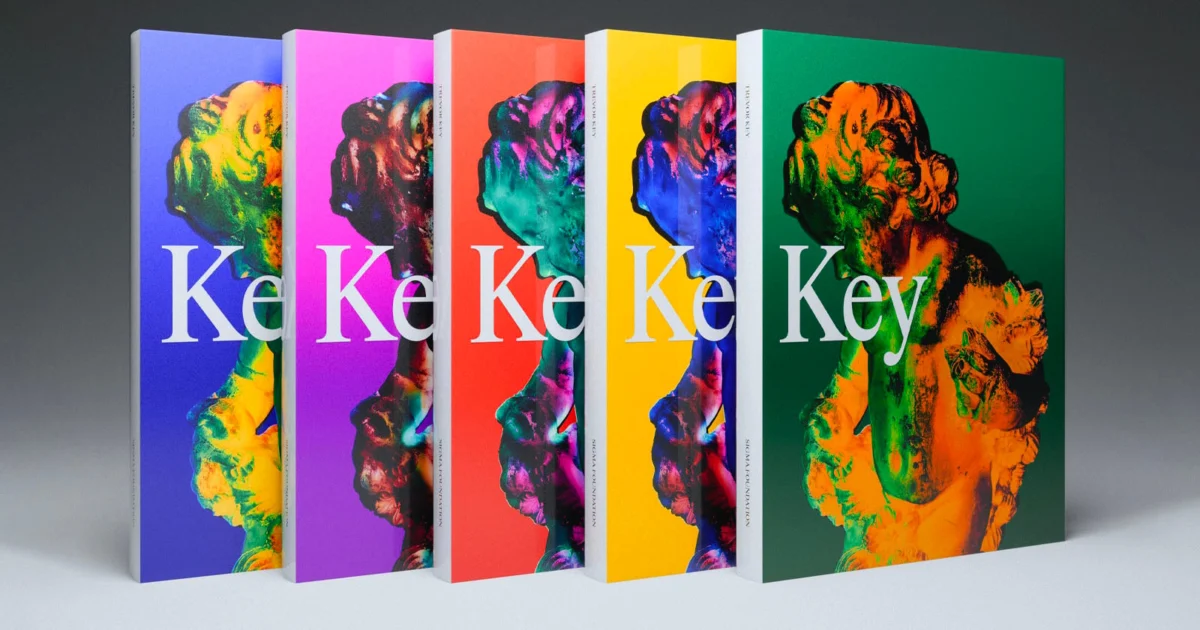
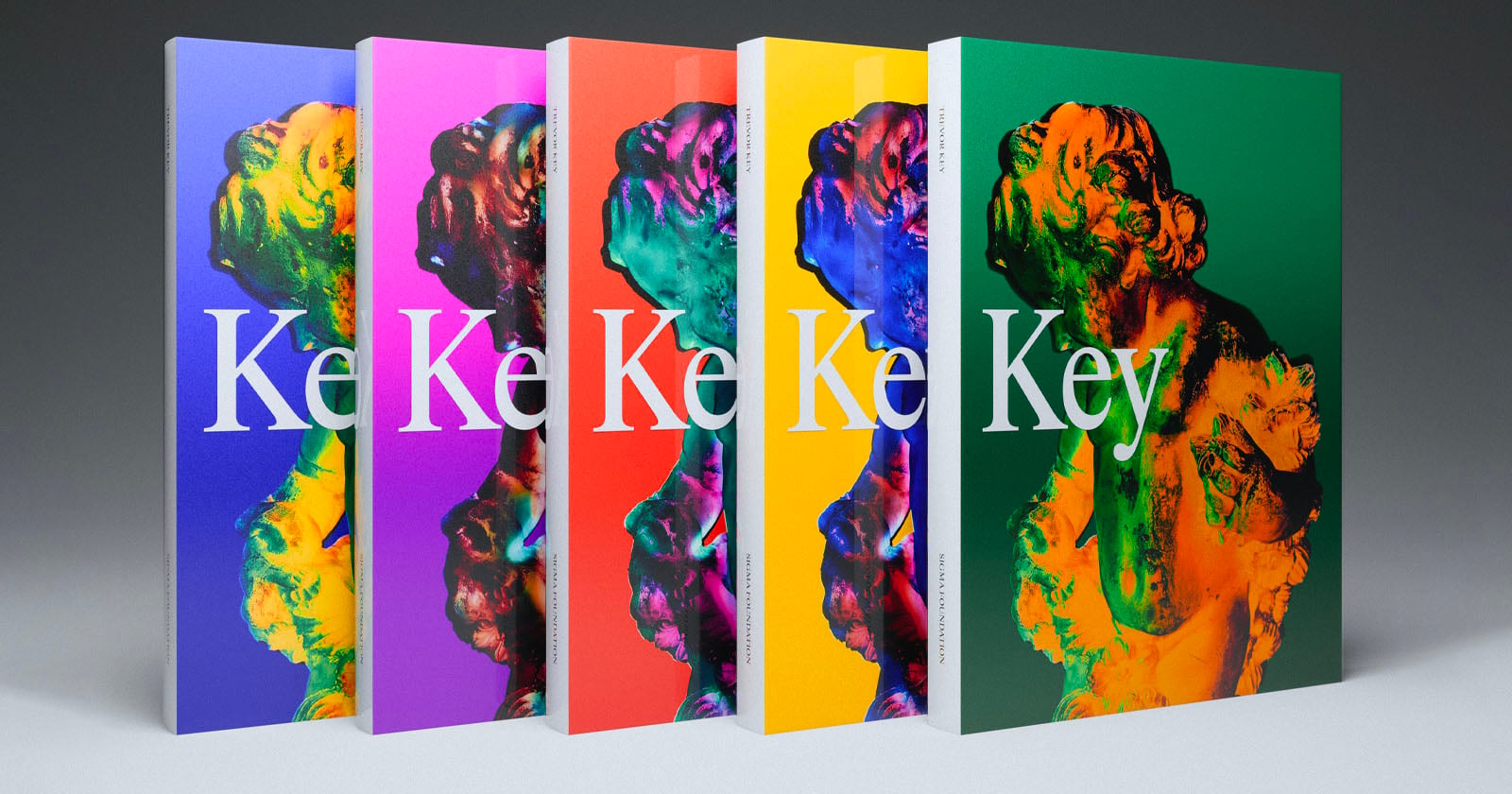
The Sigma Foundation has officially unveiled its third major literary project, a comprehensive monograph titled Trevor Key, marking a significant milestone in the foundation’s mission to document and preserve the history of experimental photography. This upcoming release is described as the first definitive volume to honor the intricate processes and visionary foresight of Trevor Key, a photographer whose work bridged the gap between commercial record sleeve design and avant-garde image-making. Slated for release in August, the book is positioned as a visual tribute to the future of the medium, highlighting a career that redefined the boundaries of the analog darkroom.
Established in July 2023 by Sigma Corporation, the renowned Japanese manufacturer of high-end optical equipment, the Sigma Foundation serves as a dedicated cultural initiative. Under the leadership of Kazuto Yamaki, President of Sigma Corporation, the foundation seeks to support photography as both an essential artistic practice and a critical cultural pillar. The announcement of the Trevor Key volume follows the successful publication of the foundation’s first two books in January: Hanataba by Sølve Sundsbø and Songen by Julia Hetta. While those initial works focused on contemporary fashion and portraiture, the third installment delves into the archives of a mid-century pioneer whose influence continues to resonate in the digital age.
The Legacy of Trevor Key: A Career of Experimental Innovation
Trevor Key’s professional trajectory spanned more than two decades, from 1972 until his untimely passing in 1995. During this period, he became a pivotal figure in the British visual arts scene, though his name was often overshadowed by the high-profile art directors with whom he collaborated. Key was not merely a technician; he was a conceptual problem-solver who sought to manipulate light and chemistry to create images that defied standard categorization.
The Sigma Foundation’s new book focuses heavily on Key’s ability to align himself with "exacting conceptual thinkers." This included legendary art directors such as Jamie Reid, famous for his work with the Sex Pistols; David James; and most notably, Peter Saville. Saville, the co-founder of Factory Records and the designer behind iconic covers for Joy Division and New Order, found in Key a collaborator capable of translating abstract graphic concepts into tangible photographic realities.
Throughout the 1980s, Key became synonymous with a brand of visual experimentation that rejected the literalism of traditional photography. At a time when the industry was beginning to move toward digital solutions, Key remained rooted in the physical world, using the darkroom as a laboratory. He famously "flipped" analog conventions, creating vibrant, abstract compositions that appeared digital or otherworldly despite being produced through purely physical means. This "prescience," as noted by the foundation, allowed Key to create a visual language in 1987 that remains strikingly contemporary today.
The Saville-Key Collaboration and the Speculative Flow
A central theme of the 244-page monograph is the professional and personal relationship between Trevor Key and Peter Saville. The Sigma Foundation describes their partnership as a "personal quest" that extended far beyond the commercial requirements of the music industry. While they produced some of the most recognizable album art of the era, their internal motivation was to rethink the very nature of image-making.
The book features a detailed conversation between Saville and the celebrated writer and curator Charlotte Cotton. In this dialogue, Saville provides what is described as a "deeply personal account" of the radical shifts in visual culture they navigated together. Their work was characterized by a "speculative creative flow," where the goal was not just to fulfill a brief, but to discover new ways of seeing.
One of Key’s most significant contributions was his development of the "Dichromat" process. This technique involved creating multiple exposures and using color filters in the darkroom to produce images with a unique depth and luminosity. This process was instrumental in the creation of the cover for New Order’s 1989 album, Technique, which featured a photograph of a garden gnome treated with high-contrast, psychedelic colors. The Sigma Foundation’s book seeks to demystify these processes, providing a "route map" for modern creators to understand how these historical techniques can inform the visuals of our time.
Physical Specifications and Production Excellence
In keeping with Sigma’s reputation for precision engineering and high-quality craftsmanship, the production of Trevor Key has been handled with meticulous attention to detail. The book is being printed by Hakko Bijutsu, a Japanese printing house known for its expertise in high-fidelity art reproductions.
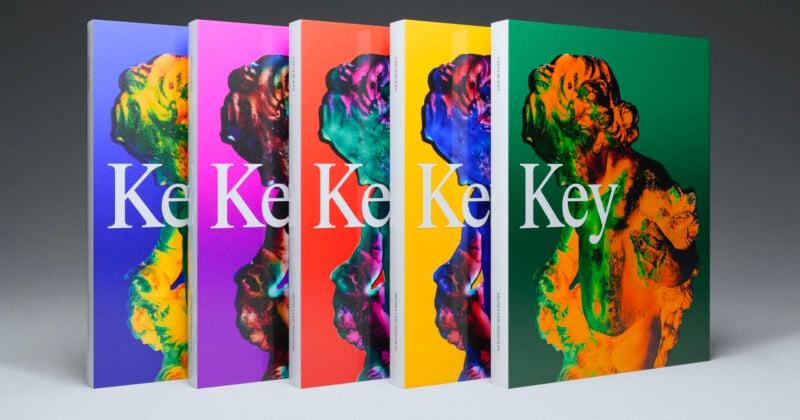
The physical dimensions of the book are 213 x 285 x 24.5mm, a format designed to showcase the scale and texture of Key’s original prints. The edition is strictly limited to 1,500 copies, ensuring its status as a collector’s item for enthusiasts of both photography and graphic design. The volume includes:
- A comprehensive selection of Trevor Key’s most significant photographic works.
- An analytical essay by Charlotte Cotton, who contextualizes Key’s work within the broader history of 20th-century art.
- The aforementioned interview between Peter Saville and Charlotte Cotton, offering first-hand insights into the creative process.
By limiting the print run, the Sigma Foundation emphasizes the "human-scaled" nature of the project, echoing the collaborative and intimate processes that Key himself championed during his lifetime.
The Sigma Foundation: Bridging Engineering and Art
The release of Trevor Key serves as a broader statement of intent for Sigma Corporation. Under Kazuto Yamaki, the company has increasingly positioned itself as a patron of the arts rather than just a hardware manufacturer. Yamaki has frequently stated that a "deep respect for the arts" guides Sigma’s engineering philosophy. This perspective suggests that the development of photographic lenses is not merely a quest for sharpness or technical perfection, but a mission to provide artists with the tools necessary to realize their creative visions.
The foundation’s choice of subjects—from the floral abstractions of Sundsbø to the classical, moody lighting of Hetta, and now the experimental legacy of Key—demonstrates a commitment to a diverse range of photographic styles. By documenting these artists, the Sigma Foundation is building a library that serves as an educational resource and a source of inspiration for the global photographic community.
Analysis: The Enduring Relevance of Trevor Key’s Vision
The decision to focus on Trevor Key in 2024 is particularly timely. In an era dominated by artificial intelligence and digital manipulation, there is a growing resurgence of interest in "analog" aesthetics and physical processes. Key’s work serves as a bridge between these two worlds. He achieved "impossible" visuals using physical light and chemistry, proving that the constraints of the material world can often lead to greater creativity than the infinite possibilities of a digital canvas.
Key’s work for the music industry, including the iconic "bent bell" on Mike Oldfield’s Tubular Bells (though his later work with Saville was more abstract), helped define the visual identity of the 70s, 80s, and early 90s. However, by focusing on his "speculative" and "independent" work, the Sigma Foundation is elevating Key from a commercial photographer to a fine artist.
The inclusion of Charlotte Cotton as a primary contributor further solidifies this elevation. Cotton, a highly respected figure in the photography world and author of The Photograph as Contemporary Art, brings a level of academic and critical rigor to the project. Her involvement ensures that Key’s legacy is not just remembered for its nostalgia, but analyzed for its structural contribution to the evolution of the image.
Conclusion and Release Information
The Sigma Foundation’s Trevor Key stands as an "enduring visual love letter" to a creator who was often ahead of his time. By chronicling his collaborations with the likes of Peter Saville and Jamie Reid, the book offers a rare glimpse into a period of radical visual change. It serves as both a historical record and a forward-looking inspiration for contemporary photographers who seek to push the boundaries of their craft.
As the industry looks toward the August release, the limited edition of 1,500 copies is expected to be highly sought after by art book collectors, graphic designers, and photographers alike. The project reaffirms the Sigma Foundation’s role as a vital custodian of photographic history, ensuring that the innovative spirit of artists like Trevor Key is preserved for future generations. Through this publication, the foundation continues to bridge the gap between the tools of photography and the profound art they are capable of producing.

