


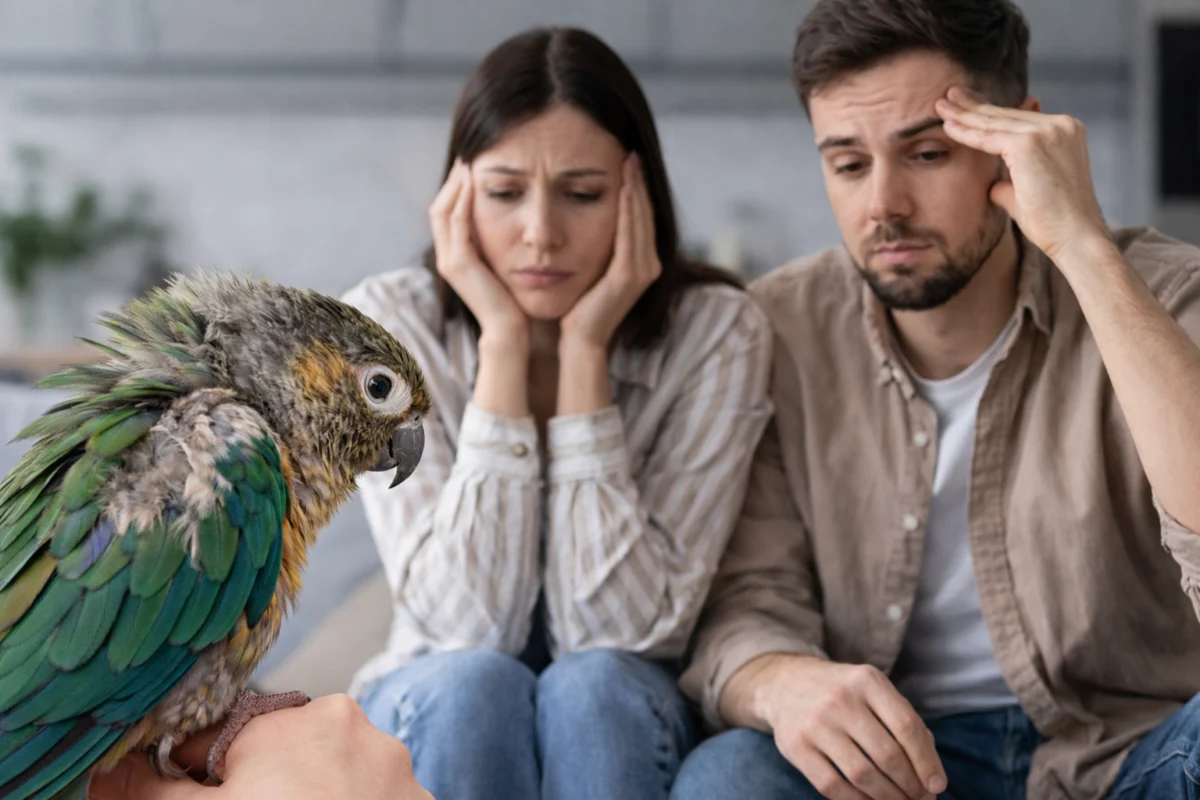
Chronic feather, skin, or "never-ending molt" issues do not emerge suddenly; they represent a persistent challenge for companion birds and their caregivers, often developing over weeks or months rather than a single "bad feather day." Owners frequently find themselves grappling with perplexing questions: "Is this molting or plucking?", "Why does this seem to be an endless cycle?", and "Why aren’t the feathers healing properly?" This comprehensive guide aims to equip bird owners with the knowledge to recognize when a bird’s physiological repair mechanisms are failing and to understand the critical steps required for effective intervention, emphasizing the crucial distinction between observed behavior and underlying medical conditions. We will also explore the appropriate place for behavior modification, which should only be considered after medical causes have been thoroughly investigated and ruled out.
Understanding Chronic Feather and Skin Issues
The journey to understanding chronic feather and skin issues begins with meticulous observation of a bird’s behavior and physical presentation. What owners typically notice is not an isolated incident but a recurring pattern: feathers detach, new ones emerge with suboptimal quality, skin irritation persists, and the cycle perpetuates. Before hastily concluding "molt" or "plucking," the paramount first step involves a deliberate slowdown to accurately identify and document the specific bird behaviors visible day after day, without premature judgment.
The physiological process of feather growth is inherently demanding. Feathers, composed primarily of keratin, require significant nutritional resources and energy for their development, a process orchestrated by complex hormonal signals. When a bird’s system is already under strain from this natural renewal, the introduction of additional stressors—such as disrupted sleep cycles, constant handling, environmental instability, or inadequate nutrition—can compromise the quality of new feather growth. This often manifests as visible imperfections or a failure to complete the molting process efficiently.
The Distinction: Normal Molt vs. Persistent Problems
A normal molt is a well-regulated biological process, typically occurring in predictable waves. During this period, old feathers are shed, and new pin feathers emerge, gradually unfurling to replace them. The characteristic "spiky" appearance of pin feathers is a temporary phase, naturally resolving as these new feathers mature and the skin regains its settled state. This cycle is usually time-bound, with periods of active molting interspersed with phases of calm.
However, certain indicators should prompt concern:
- Unending Molt: The absence of a discernible end to the molting cycle, where feathers continuously fall out without a period of rest and full regrowth.
- Poor Quality Feathers: New feathers that are visibly malformed, brittle, discolored, or otherwise compromised, lacking the vibrancy and structural integrity of healthy plumage.
- Stress Bars: Horizontal lines or bands of weakness across the feather shaft, indicating periods of nutritional deficiency, illness, or severe stress during feather formation (McGraw, 2006). These are a clear physiological marker of past distress.
- Skin Irritation or Damage: Persistent redness, flakiness, lesions, or scabs on the skin, often exacerbated by the bird’s own scratching or preening attempts.
- Self-Mutilation: Any behavior where the bird actively pulls out, chews, or damages its own feathers or skin, extending beyond normal preening. This is a critical red flag for underlying issues.
- Patches of Baldness: Areas where feathers fail to regrow, leading to exposed skin, which can further predispose the bird to skin infections or injury.
While it is natural to compare one’s bird to others when anxieties arise, the most pertinent comparison is against the bird’s own historical health. How do today’s feathers measure up against your bird’s previous healthy plumage? And critically, how long has this challenging cycle persisted without resolution? A pattern that fails to break typically signifies that the bird’s body has not been afforded sufficient opportunity or resources to heal and restore itself.
The Physiological Demands of Feather Regrowth
Feather regrowth is one of the most metabolically intensive processes a bird undertakes, rivaling the energy expenditure of reproduction or migration (Chen et al., 2020). This complex biological event demands a significant allocation of nutrients, energy, and finely tuned hormonal signals. When a bird’s system is already heavily invested in this process, any additional stressors can tip the balance, leading to compromised feather quality or prolonged molting. Such stressors can include insufficient sleep, frequent environmental disturbances, erratic handling, or an inadequate diet, all of which force the body to prioritize immediate survival over optimal feather development. The integumentary system, including feathers, serves as a sensitive barometer of a bird’s overall health and environmental well-being (Lucas & Stettenheim, 1972; Stettenheim, 2000).
Consider the human analogy: a person recovering from illness or exhaustion requires rest, simplicity, gentle nourishment, and uninterrupted sleep. Birds undergoing the demanding process of feather growth necessitate similar supportive conditions. Their body language often provides clear cues of their state, which can be understood through careful behavioral observation. Reducing daily stressors, therefore, does not miraculously resolve feather issues, but it establishes the fundamental conditions under which the subsequent round of feather growth has a significantly improved chance of developing healthily.
Identifying and Documenting Problematic Behavior
A crucial initial step is to establish a baseline of what constitutes normal for your bird. This involves defining the last period when fully healthy feathers were observed. Subsequent to this, a systematic approach to documentation is essential. Photograph the same areas of your bird’s body weekly, ensuring consistent lighting and angles. This objective evidence is invaluable for tracking progress, identifying patterns, and avoiding subjective guesswork regarding whether the issue is "molting vs. plucking." Detailed records should also include observations of skin condition, any visible feather damage, and the bird’s overall demeanor and activity levels.
Immediate Stabilization: Prioritizing Health and Reducing Stress
When confronted with chronic feather and skin issues, the immediate focus should be on stabilization and support, rather than attempting rapid, comprehensive "fixes." The objective is to provide the bird’s body with the necessary foundation and respite to facilitate healthier feather growth. Rushing to implement multiple changes simultaneously can inadvertently perpetuate a state of stress, which directly impedes proper feather development.
Nutritional Cornerstones for Feather Health
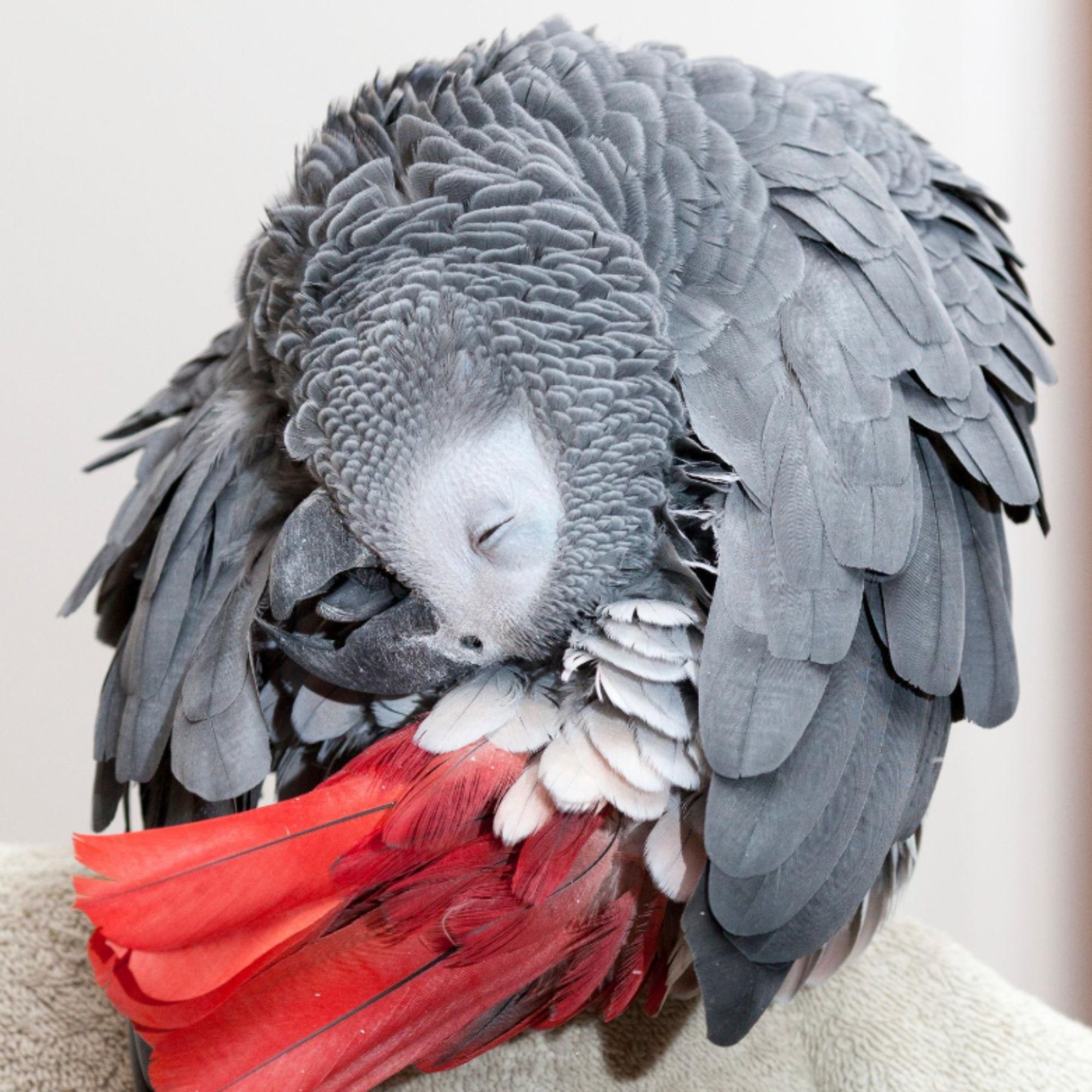
A foundational element of stabilization is a critical review of the bird’s diet. Many common diets, particularly those heavy in seeds, are deficient in essential nutrients vital for feather quality and overall health (as highlighted in related posts like "Why Seed Diets Fail Birds During Molt"). A balanced diet is paramount, emphasizing high-quality avian pellets as a primary food source, supplemented with a diverse array of fresh fruits, vegetables, and species-appropriate greens. Key nutrients for feather health include high-quality proteins (for keratin synthesis), essential amino acids (especially sulfur-containing ones like methionine and cysteine), vitamins (particularly A, E, and B-complex, especially biotin), and minerals (such as zinc and selenium). Dietary improvements alone can significantly impact the body’s capacity for repair and regeneration.
Environmental Optimization and Routine
A stable, predictable, and enriching environment is crucial for reducing stress. This includes:
- Consistent Sleep Schedule: Birds require 10-12 hours of uninterrupted darkness for adequate rest. Establishing and maintaining a regular bedtime and wake-up routine is vital.
- Appropriate Humidity and Bathing: Indoor environments, especially during colder months, can be excessively dry. Regular misting, access to bathing opportunities, and potentially a humidifier can aid skin hydration and feather flexibility.
- Stable Cage Environment: The cage should be appropriately sized, clean, and equipped with a variety of perches, foraging opportunities, and safe toys. Sudden changes in cage setup or location can be stressful.
- Predictable Daily Routine: Birds thrive on predictability. Consistent feeding times, interaction periods, and quiet times help reduce anxiety.
- Reduced Unnecessary Handling: While interaction is important, avoid excessive or forceful handling, particularly when the bird is showing signs of distress or during active feather growth.
The Dangers of Over-Intervention
It is a common human instinct to want to "fix" a perceived problem immediately. However, with chronic avian health issues, a scattergun approach can be counterproductive. Introducing too many new foods, supplements, toys, or behavioral training methods simultaneously can overwhelm an already stressed bird. The goal during this initial phase is to simplify the bird’s environment and routine, allowing its body to conserve energy and focus on healing. This is not the time for intensive behavior modification or significant environmental overhauls, but rather for creating a calm, supportive, and stable sanctuary.
The Role of Professionals: Veterinary and Behavioral Expertise
Understanding when to seek professional help, and from whom, is critical for addressing chronic feather and skin issues effectively.
When to Consult an Avian Veterinarian
An avian veterinarian should always be the first point of contact when a bird exhibits persistent physical changes. Indicators warranting an immediate veterinary consultation include:
- Weight Loss or Keel Prominence: Significant changes in body condition, indicating potential underlying illness or malnutrition.
- Visible Skin Damage: Open wounds, infections, or severe inflammation that could lead to further complications.
- Low Energy or Lethargy: A notable decrease in activity, alertness, or engagement.
- Appetite Shifts: A sudden increase or decrease in food consumption, or a refusal to eat.
- Changes in Droppings: Abnormal color, consistency, or frequency of droppings, suggesting digestive or systemic issues.
- Respiratory Distress: Any signs of difficulty breathing, nasal discharge, or sneezing.
- Abnormal Growths or Swellings: Any unexplained lumps or bumps on the body.
An avian vet will conduct a thorough examination, which may include blood tests, feather biopsies, skin scrapings, bacterial cultures, viral testing (e.g., for Psittacine Beak and Feather Disease (PBFD) or Polyomavirus), and nutritional assessments. Ruling out underlying medical conditions is paramount, as many feather and skin problems stem from treatable physiological causes (Lightfoot, 2024).
The Scope of a Certified Bird Behaviorist
Once medical causes have been definitively ruled out by an avian veterinarian, and the feather issue appears to be primarily habit-driven or stress-related, a qualified bird behaviorist can provide invaluable support. Behavior modification, in this context, is not about punishing or "correcting" feather-focused behaviors directly. Instead, it centers on strengthening and reinforcing normal, species-typical parrot activities: foraging, bathing, chewing, exploring, and playing.
Natural parrot behaviors serve as crucial stress-relief mechanisms. When birds are engaged in these activities, they are less likely to fixate on their feathers. Calm preening, consistent eating, regular bathing, engaging in destructive chewing, and active exploration help birds regulate their stress levels. As overall stress diminishes and environmental predictability increases, both the bird’s behavior and the quality of its new feather growth tend to improve concurrently. Diane Burroughs, LCSW, an ABA-trained behavior guru and certified in Nutrition for Mental Health, exemplifies the expertise needed in this field. Her approach, often employed through her UnRuffledRx products and consultations, translates scientific principles into practical, real-world solutions for avian anxiety and behavioral challenges. Her work, recognized in publications like the Journal of Avian Medicine & Surgery, underscores the importance of a scientifically informed approach to avian welfare.
Long-Term Strategies and Behavioral Enrichment
The journey to resolving chronic feather and skin issues is often a long-term commitment that requires patience, consistency, and a proactive approach to environmental enrichment and stress management.

Cultivating Natural Parrot Behaviors
Parrots are intelligent, complex creatures with inherent needs for mental and physical stimulation. Providing ample opportunities for natural behaviors is key to reducing stress and diverting focus from feathers.
- Foraging Opportunities: Integrate foraging into daily routines. Instead of simply providing food in a bowl, hide treats in toys, paper, or designated foraging stations. This mimics natural feeding behaviors and provides mental engagement.
- Chewable and Shredable Toys: Parrots have a strong need to chew. Offer a variety of safe, destructible toys made from wood, paper, or natural fibers. This outlet helps manage energy and reduces destructive behaviors directed at feathers.
- Varied Perches: Offer perches of different materials (natural branches, rope, concrete) and diameters to promote foot health and provide varied textures for tactile stimulation.
- Social Interaction: Depending on the species and individual bird, appropriate social interaction with humans or other compatible birds can reduce feelings of isolation and boredom.
- Training and Learning: Positive reinforcement training can be a powerful tool for mental stimulation and strengthening the bond between owner and bird. Learning new tricks or commands can redirect energy and build confidence.
Addressing Hidden Stressors in the Home
Many sources of stress in a bird’s environment go unrecognized by owners:
- Erratic Schedules: Inconsistent feeding, sleep, or interaction times create unpredictability and anxiety.
- Loud Noises and Sudden Movements: A busy household with frequent loud noises, boisterous children, or unpredictable movements can keep a bird in a constant state of alert.
- Lack of Privacy: A cage placed in a high-traffic area without a quiet corner or visual barrier can prevent a bird from feeling secure.
- Over-Cuddling or Constant Handling: While well-intentioned, excessive physical interaction can be overstimulating or stressful for some birds, especially if they are not receptive.
- Unsuitable Cage Placement: Placing a cage near windows (temperature fluctuations, perceived threats) or in isolated areas can be detrimental.
- Perceived Threats: Other pets (cats, dogs) or even certain household objects can be perceived as threats, leading to chronic low-level stress.
Recognizing and mitigating these subtle stressors can significantly contribute to a bird’s overall well-being and its ability to heal. It’s important to remember that such oversights often stem from a desire to help, and awareness is the first step toward more effective support.
The Broader Implications for Avian Welfare
Chronic feather and skin issues are more than just cosmetic concerns; they are significant indicators of compromised avian welfare. A bird struggling with persistent feather problems experiences physical discomfort, potential pain, increased vulnerability to infections, and psychological distress. These conditions can severely impact a bird’s quality of life, its ability to thermoregulate, and its natural behaviors.
For owners, navigating these challenges demands patience, a willingness to learn, and a commitment to a holistic approach. It underscores the responsibility inherent in caring for companion birds, emphasizing that their well-being is intricately linked to their environment, nutrition, and emotional security. Proactive measures, such as providing a species-appropriate diet from the outset, ensuring a stable and enriching environment, and regular veterinary check-ups, are critical for preventing the onset of such debilitating issues. For cases where issues have already arisen, a structured, informed, and collaborative approach involving both veterinary and behavioral professionals offers the best path to recovery and improved quality of life for the feathered companion.
Conclusion: A Holistic Approach to Avian Health
With chronic feather and skin issues, the nature and timing of interventions are paramount. The initial and most critical step involves supporting the bird’s intrinsic healing capabilities through meticulous attention to its physical health, ensuring adequate rest, providing optimal nutrition, and maintaining predictable routines. If feather problems persist, worsen, or are accompanied by alarming symptoms such as weight loss, visible pain, or skin damage, an avian veterinarian is the indispensable first point of contact for thorough diagnosis and medical treatment. Behavioral support, focusing on stress reduction and the reinforcement of natural parrot behaviors rather than coercive change, becomes effective only after medical causes have been definitively ruled out. This integrated approach, blending veterinary science with applied behavioral expertise, offers the most comprehensive pathway to restoring a bird’s health and ensuring its long-term welfare.
References
Chen, M.-J., Xie, W.-Y., Jiang, S.-G., Wang, X.-Q., Yan, H.-C., & Gao, C.-Q. (2020). Molecular signaling and nutritional regulation in the context of poultry feather growth and regeneration. Frontiers in Physiology, 10, Article 1609. https://doi.org/10.3389/fphys.2019.01609
Lightfoot, T. L. (2024, September). Skin and feather disorders of pet birds. In Merck Veterinary Manual. Merck & Co., Inc. https://www.merckvetmanual.com/bird-owners/disorders-and-diseases-of-birds/skin-and-feather-disorders-of-pet-birds
Lucas, A. M., & Stettenheim, P. R. (1972). Avian anatomy: Integument (Agriculture Handbook No. 362). U.S. Department of Agriculture. https://naldc.nal.usda.gov/catalog/CAT87209099
McGraw, K. J. (2006). Mechanics of carotenoid-based coloration. In G. E. Hill & K. J. McGraw (Eds.), Bird coloration, Vol. 1: Mechanisms and measurements (pp. 177–242). Harvard University Press.
Stettenheim, P. R. (2000). The integumentary morphology of modern birds—An overview. American Zoologist, 40(4), 461–477. https://doi.org/10.1093/icb/40.4.461

