


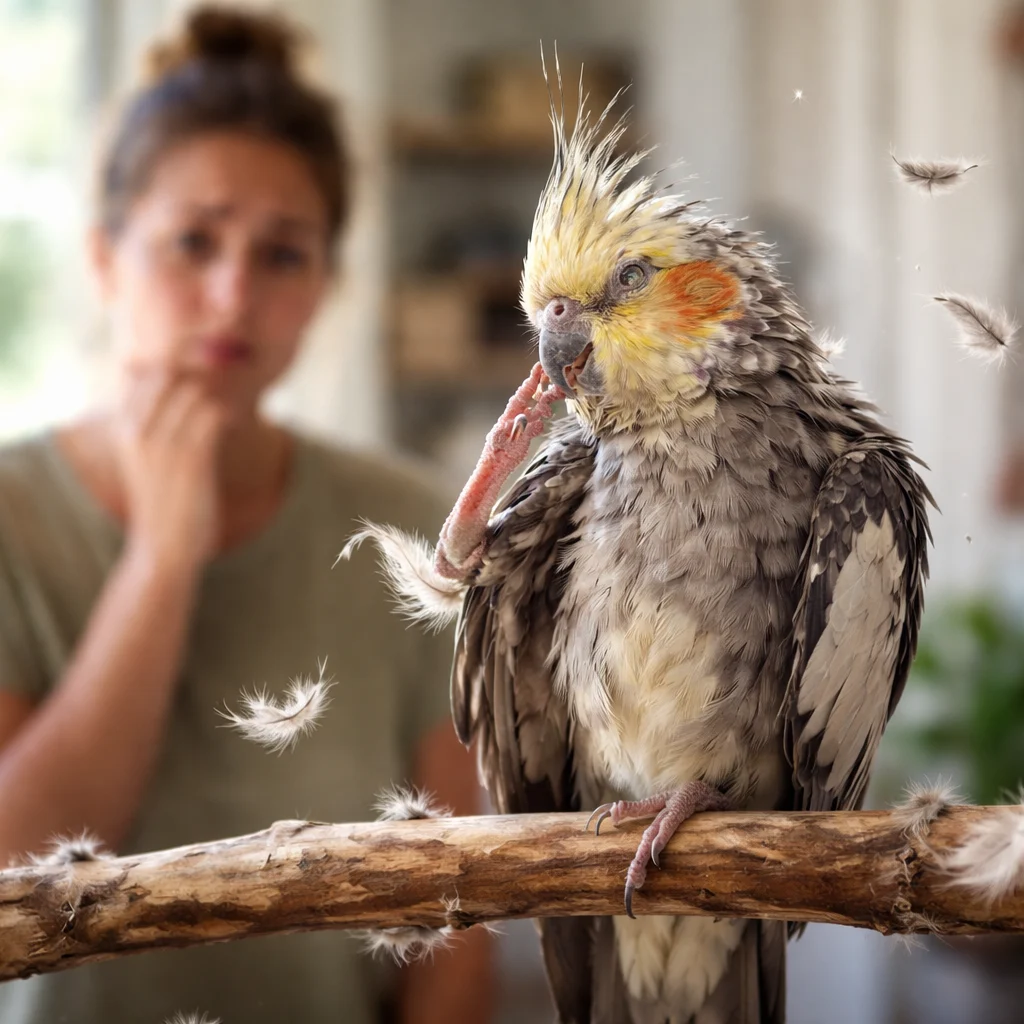
Bird owners frequently face the challenge of discerning whether their feathered companions are undergoing a natural and healthy molting process or exhibiting signs of a more concerning behavioral feather pluck. This critical distinction is paramount for ensuring the bird’s well-being, as misidentification can lead to delayed intervention for serious underlying issues. Understanding the physiological intricacies of molting versus the multifactorial nature of plucking is fundamental to providing appropriate care and maintaining avian health.
The process of molting is a natural, cyclical phenomenon essential for a bird’s survival and health. It involves the systematic shedding of old, worn-out feathers and their replacement with new, robust plumage. Feathers are vital for flight, insulation, camouflage, and display, making their continuous renewal indispensable. Most birds undergo at least one complete molt annually, though the frequency and intensity can vary significantly based on species, age, hormonal cycles, nutritional status, and environmental factors such as photoperiod (light exposure) and temperature.
During a normal molt, feather loss typically occurs in a symmetrical pattern across the body. Owners might observe bald spots, commonly under the wings or on the legs, where feathers are shed in an organized fashion to ensure the bird retains sufficient flight capability and insulation throughout the process. A hallmark sign of new feather growth during a molt is the appearance of "pin feathers." These nascent feathers emerge as tiny, spiky shafts encased in a keratin sheath, often resembling porcupine quills. As these pins grow, the sheath gradually flakes away, revealing the new, fully formed feather. Pin feathers can be itchy and sometimes sensitive, leading to increased preening and occasional grumpiness in birds during this period.
In contrast, feather plucking, also known as pterotillomania, is a self-inflicted feather destructive behavior that is not part of a natural molting cycle. It is characterized by the bird actively pulling out, chewing, or damaging its own feathers. Unlike molting, plucking often results in asymmetrical bald spots, particularly in areas easily accessible to the bird’s beak, such as the chest, abdomen, legs, and wings, while feathers on the head and neck (which the bird cannot reach) typically remain intact. The remaining feathers often exhibit ragged or chewed edges, a clear indicator of active destruction rather than natural shedding.
The distinction is crucial because while molting is a sign of health, feather plucking is almost always a symptom of an underlying problem. This problem can be medical, environmental, or psychological, and sometimes a combination of all three. Prompt and accurate diagnosis is essential to prevent the behavior from becoming chronic and to address any health issues.
The Expert Verdict: A Symptom-Based Diagnostic Guide
To help avian caregivers quickly assess their bird’s feather condition, experts advise a systematic observation approach:
- Symmetrical Bald Spots (typically under wings or on legs): This is a strong indicator of a Normal Molt. The body sheds feathers in a balanced way to maintain balance and function.
- Ragged or Chewed Edges on Remaining Feathers: This is a key sign of Potential Plucking. The damage pattern suggests the bird is actively manipulating its feathers.
- Spiky "Pins" Coming in Through the Skin: These are developing new feathers, confirming a Normal Molt. The presence of these indicates healthy feather regeneration.
- Blood or Scabs on the Skin Surface: This is an Emergency situation. This indicates self-mutilation, trauma, or a severe underlying dermatological or systemic issue requiring immediate veterinary attention.
Unpacking the Causes of Feather Plucking: Beyond the Surface
Understanding why a bird might pluck its feathers requires a comprehensive investigation, as the causes are multifaceted.
-
Medical Causes: These are often the first line of inquiry for avian veterinarians.
- Parasites and Infections: Mites, lice, giardia, or bacterial/fungal infections can cause intense itching and discomfort, leading birds to pluck in an attempt to alleviate the irritation.
- Allergies: Environmental allergens (dust, pollen, cleaning products) or food allergies can manifest as skin irritation and subsequent plucking.
- Nutritional Deficiencies: A diet lacking essential nutrients, particularly Vitamin A, calcium, specific amino acids, or fatty acids, can lead to poor feather quality, dry skin, and a propensity for plucking. For instance, diets consisting primarily of seeds are often deficient in these critical components, as highlighted in articles on the pitfalls of an all-seed diet.
- Organ Disease: Liver or kidney disease can cause toxins to build up, affecting skin and feather health.
- Heavy Metal Toxicity: Exposure to lead or zinc can have systemic effects, including dermatological issues that prompt plucking.
- Hormonal Imbalances: Birds experiencing reproductive urges or hormonal shifts can sometimes redirect this energy into plucking, especially common in species prone to hormonal nesting behaviors.
-
Environmental Causes: The bird’s immediate surroundings play a significant role.
- Dry Air/Lack of Humidity: Indoor environments, especially with central heating, can be excessively dry, leading to dry, itchy skin and brittle feathers, which encourages plucking. Providing safe bathing opportunities and maintaining appropriate humidity levels is crucial, as detailed in guides for indoor birds.
- Inadequate Light Cycle: Birds require specific light cycles to regulate their hormones and daily rhythms. Too little natural light or constant artificial light can disrupt these cycles, contributing to stress and plucking.
- Boredom and Lack of Enrichment: Highly intelligent and social birds, if kept in barren environments without sufficient toys, foraging opportunities, or interaction, can develop plucking as a coping mechanism for their boredom and frustration.
- Cage Size and Placement: An overly small cage or a cage placed in a high-traffic, stressful area can contribute to anxiety and plucking.
- Exposure to Irritants: Smoke, strong perfumes, chemical fumes, or even dust from certain bedding materials can irritate a bird’s respiratory system and skin, leading to plucking.
-
Behavioral/Psychological Causes: Often intertwined with environmental factors, these are complex.
- Stress and Anxiety: Changes in routine, new pets, loud noises, loneliness, or perceived threats can all induce stress. Birds are creatures of habit and sensitive to their environment.
- Fear: A traumatic event or chronic fear can trigger anxiety-related plucking.
- Attention-Seeking: If a bird learns that plucking garners immediate attention from its owner, it can become a learned behavior, even if the attention is negative.
- Lack of Sleep: Insufficient uninterrupted darkness (10-12 hours for most species) can lead to chronic stress and hormonal imbalances.
What to Do Next: Nurturing a Healthy Molt
Once a normal molt has been confirmed, the owner’s primary role shifts to supporting the bird through this physiologically demanding period. The goal is to minimize the "friction" and discomfort associated with growing thousands of new feathers. Expert routines focus on a 3-step approach:
-
Optimize the Environment:
- Increase Humidity: Provide regular access to baths or showers. Misting with plain water or a bird-safe aloe vera spray can help soften pin feather sheaths, making them easier to preen and reducing itchiness.
- Quiet and Calm: Ensure a stress-free environment, allowing the bird ample rest. Molting requires significant energy, and a calm setting aids recovery.
- Adequate Sleep: Maintain a consistent sleep schedule, ensuring 10-12 hours of uninterrupted darkness.
-
Enhance Nutrition: Feather growth is protein-intensive. A diet rich in high-quality protein, essential amino acids, vitamins (especially A, D, and B-complex like Biotin), and minerals is crucial.
- Pellets: A high-quality formulated pellet should form the cornerstone of the diet.
- Fresh Fruits and Vegetables: Provide a wide variety, focusing on dark leafy greens and orange/yellow vegetables rich in Vitamin A.
- Healthy Fats: Sources like flaxseed, chia seeds (in moderation), and specific supplements can provide essential fatty acids for skin and feather health.
- Supplements: Targeted supplements can bridge nutritional gaps.
-
Provide Enrichment and Gentle Interaction:
- Preening Assistance: Gently rolling pin feathers between fingers (only if the bird tolerates it and the pins are mature enough to be shed) can provide relief from itchiness. Never force or pull.
- New Toys and Foraging: Offer new, stimulating toys and foraging opportunities to keep the bird mentally engaged and reduce focus on any discomfort.
The "Smooth Molt" Essential Trio: Expert-Vetted Supports
To maximize comfort and expedite healthy feather growth, specific products are often recommended:
- Aloe Vera Bird Spray: This spray provides instant relief for itchy pin feathers and dry skin. Aloe vera is known for its soothing, moisturizing, and anti-inflammatory properties. It helps to hydrate the skin and soften the keratin sheaths of developing feathers, making them less irritating and easier for the bird to preen naturally. Regular application during molt can significantly reduce discomfort and prevent excessive preening that could lead to damage.
- FeatherUp! + Biotin: This nutritional supplement is formulated to provide the specific vitamins and minerals crucial for robust feather growth. Biotin (Vitamin B7) is particularly vital for keratin synthesis, the primary protein component of feathers, skin, and nails. Alongside Biotin, a comprehensive feather-support supplement typically includes other B vitamins, Vitamin A for healthy epithelial tissues (skin and feather follicles), Vitamin D for calcium metabolism, and trace minerals like zinc and copper, all essential for strong, vibrant plumage. These nutrients help ensure that the new feathers grow in healthy, strong, and brightly colored.
- Red Palm Oil: A rich source of essential fatty acids (Omegas), Red Palm Oil is celebrated for promoting vibrant, glossy plumage and healthy skin. It is exceptionally high in beta-carotene (a precursor to Vitamin A) and Vitamin E, powerful antioxidants that support skin integrity and immune function. The healthy fats contribute to the natural oils that keep feathers supple and shiny, enhancing their waterproofing and insulation capabilities. Incorporating it into the diet can lead to noticeably healthier and more lustrous feathers post-molt.
The Safety Stoplight: When to Call the Vet
While most molts are merely "itchy" and managed with supportive care, some situations warrant immediate veterinary attention. This stoplight system helps gauge the urgency of a bird’s health status:
-
🔴 RED LIGHT: CALL NOW (Emergency)
- Active, Uncontrolled Bleeding: Especially from a broken blood feather (a new feather with a blood supply) that won’t stop bleeding with pressure.
- Deep Skin Trauma or Lacerations: Any significant wounds from self-mutilation or accidents.
- Lethargy, Weakness, or Collapse: A bird that is unusually quiet, unresponsive, or unable to perch.
- Sudden Loss of Appetite or Refusal to Eat: Especially if accompanied by other symptoms.
- Significant Changes in Droppings: Diarrhea, blood in droppings, or complete absence of droppings.
- Rapid Weight Loss: Noticeable loss of muscle mass over the keel bone.
- Difficulty Breathing: Open-mouthed breathing, tail bobbing, or wheezing.
- Persistent, Severe Plucking with Skin Damage: If the bird is relentlessly plucking to the point of causing open wounds, infection, or chronic pain.
- Any Suspected Exposure to Toxins: If you believe your bird has ingested or been exposed to a harmful substance.
-
🟡 YELLOW LIGHT: MONITOR CLOSELY (Concerning but Not Immediate Emergency)
- Minor, Intermittent Plucking Without Skin Damage: If the bird occasionally pulls a feather but doesn’t cause raw spots or bleeding.
- Prolonged or Atypical Molt: A molt that seems to last much longer than usual, or one that occurs at an unusual time of year without clear environmental triggers.
- Mild Behavioral Changes: Increased grumpiness, slight decrease in activity, or temporary reduced appetite during molt.
- Increased Itchiness or Discomfort: The bird seems overly itchy, but there are no signs of severe irritation or skin trauma.
- Feather Quality Issues Post-Molt: New feathers are dull, deformed, or breaking easily, suggesting a possible nutritional or underlying health issue.
- Any other symptoms that are concerning but not life-threatening.
-
🟢 GREEN LIGHT: PROCEED WITH CARE (Normal Molt)
- Symmetrical Feather Loss: Bald spots under wings or on legs.
- Presence of Pin Feathers: Spiky new feathers emerging.
- Increased Preening Activity: Normal behavior to remove pin feather sheaths.
- Temporary Grumpiness or Reduced Energy: Common during the energy-intensive molting process.
- Good Appetite and Normal Droppings: Indicates general health.
- No Signs of Skin Damage, Bleeding, or Distress.
Broader Implications and Proactive Avian Husbandry
The implications of misdiagnosing or neglecting feather plucking can be severe. Untreated plucking can lead to chronic skin infections, pain, permanent feather follicle damage, and profound psychological distress for the bird. It can also be a harbinger of serious underlying medical conditions that, if left unaddressed, could be life-threatening. Therefore, a proactive approach to avian husbandry is critical. This includes:
- Regular Veterinary Check-ups: Annual or semi-annual check-ups with an avian veterinarian are crucial for early detection of health issues, including nutritional deficiencies or subclinical diseases that might predispose a bird to plucking.
- Optimal Nutrition: Providing a balanced, varied diet rich in all essential nutrients is the foundation of good feather and overall health.
- Environmental Enrichment: A stimulating environment with a variety of toys, foraging opportunities, perches of different textures, and ample out-of-cage time prevents boredom and promotes mental well-being.
- Appropriate Social Interaction: Birds are highly social creatures. Ensuring adequate interaction, whether with human companions or compatible avian partners, is vital to their psychological health.
- Observation and Record-Keeping: Owners should routinely observe their birds for any changes in behavior, appetite, droppings, or feather condition and keep records to help identify patterns or assist veterinary diagnosis.
As Diane Burroughs, LCSW, a psychotherapist and ABA-trained behaviorist with over 30 years of experience in decoding bird behavior, emphasizes, understanding the nuances of avian health often "skips the clinical jargon to focus on nutrition and science-backed, behavior-first care that actually works for real parronts." This holistic perspective underscores that a bird’s physical and psychological health are inextricably linked, and attentive, informed care is the best defense against feather destructive behaviors.
In conclusion, distinguishing between a natural molt and behavioral plucking is a fundamental skill for any bird owner. While molting is a healthy, albeit sometimes uncomfortable, process, plucking signals a deeper issue requiring immediate attention. By understanding the symptoms, potential causes, and appropriate interventions, avian caregivers can ensure their birds navigate the feather renewal process smoothly and address any signs of distress proactively, promoting a life of vibrant health and well-being.
References:
Chen et al., Frontiers in Physiology (2020)
Cooper & Harrison, Avian Medicine: Principles and Application
Lightfoot, Merck Veterinary Manual (2024)
Additional information and expert insights derived from avian veterinary and behavioral science principles.

