


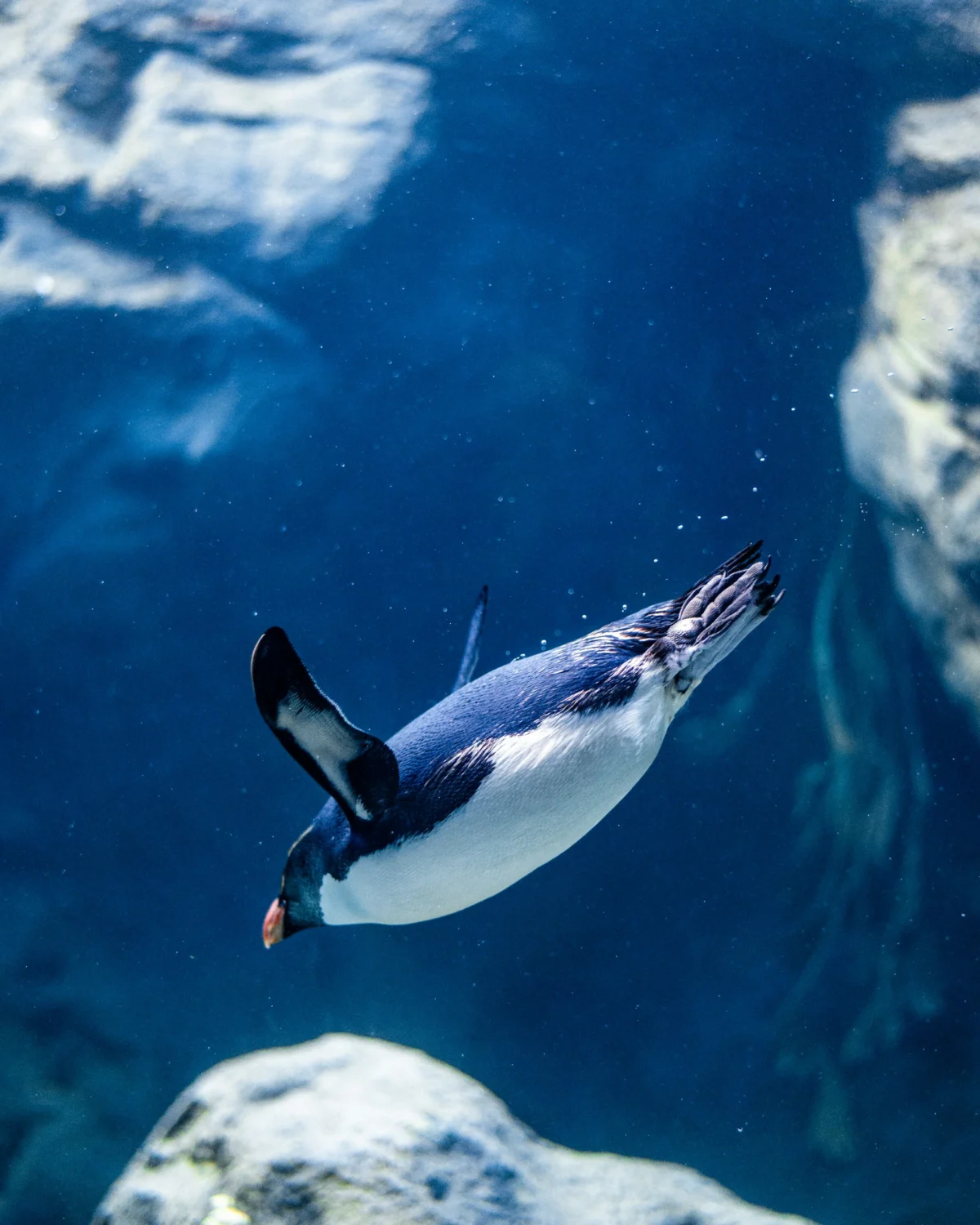
The endearing waddle of penguins has long captivated observers, leading to a common misconception that these flightless seabirds lack visible legs, with their feet seemingly emerging directly from their bodies. This visual illusion prompts a fundamental question: do penguins possess knees, and if so, how do they contribute to their unique locomotion? Scientific examination reveals that penguins indeed have knees, though they are concealed beneath a dense layer of feathers, an adaptation integral to their survival in harsh aquatic and terrestrial environments. This article delves into the anatomical intricacies of penguin legs, exploring the presence and function of their knees, and explaining the evolutionary factors that shape their distinctive gait.
The Hidden Anatomy: Unveiling the Penguin’s Knees
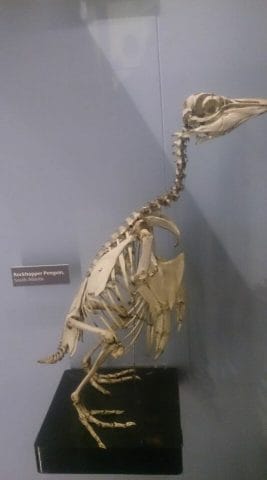
Contrary to popular belief, penguins are equipped with knees, a crucial component of their skeletal structure. These joints, like those of most bipedal animals, are essential for movement and stability. However, their visibility is obscured by the thick, insulating plumage that covers their bodies. A closer examination of a penguin’s skeletal structure, particularly when observed in anatomical diagrams or fossil records, reveals a surprisingly elongated leg structure relative to their compact torso. This anatomical arrangement, characterized by a femur (thigh bone) and tibia (shin bone), is a testament to their evolutionary journey as highly adapted aquatic birds.
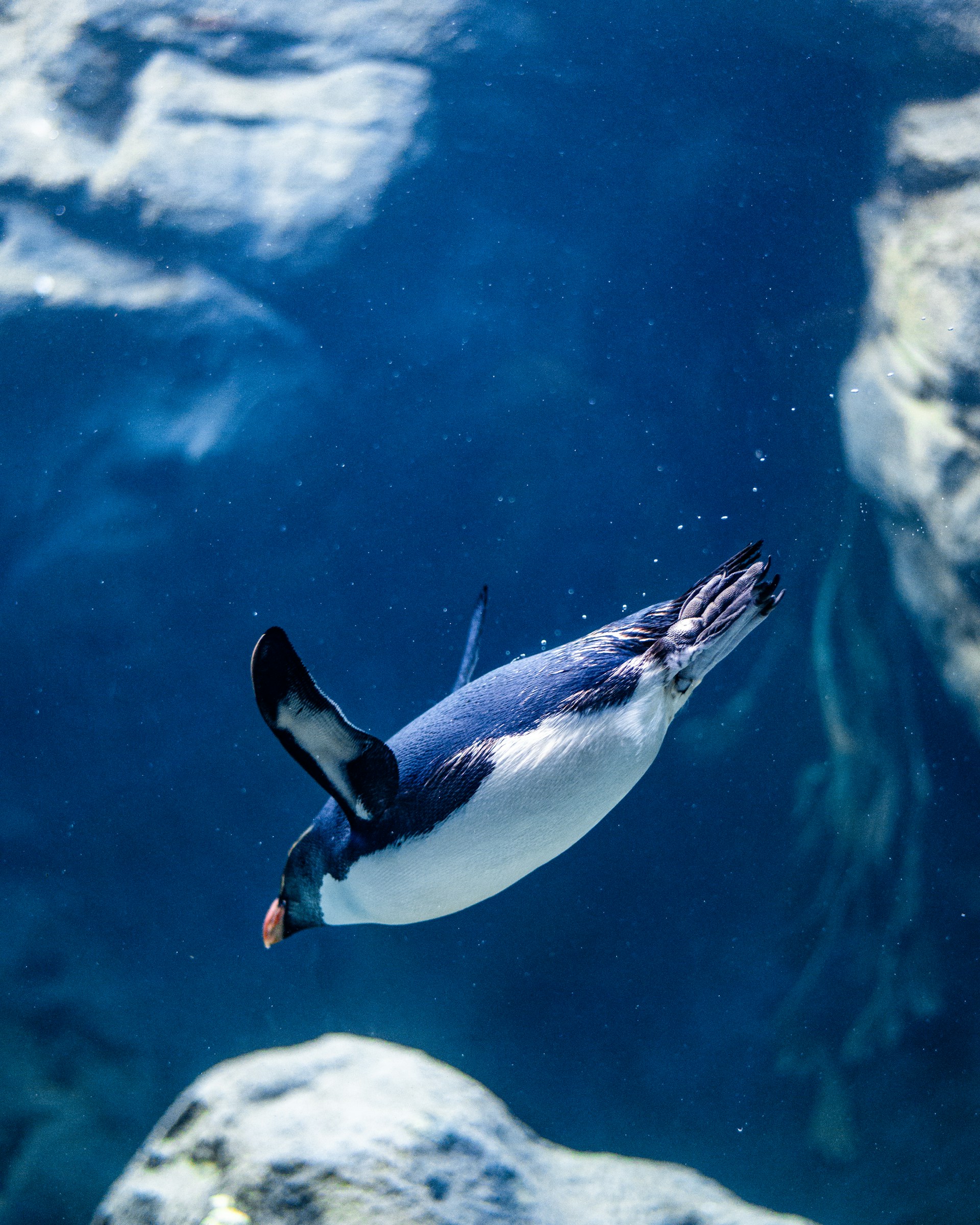
All penguin species possess knees, and remarkably, they also have kneecaps, known as patellae. While the presence of knees is common across avian species, the specific morphology of a penguin’s patella is noteworthy. Unlike the more rounded, C-shaped kneecaps found in humans, penguin patellae are cube-shaped. This unique form allows them to fit snugly within the surrounding tendons, facilitating efficient flexion and extension of the knee joint during locomotion. This adaptation is particularly important for their terrestrial movements, enabling them to navigate icy terrains and maintain balance.
Skeletal Adaptations for a Dual Life
The apparent shortness of a penguin’s legs, which contributes to their characteristic waddle, is largely an optical illusion. The majority of their leg bones, including the femur and tibia, are positioned high within their body and are concealed by their dense feathering. This internal positioning of the leg structure is a key adaptation for their dual lifestyle, balancing the demands of efficient swimming with the need for terrestrial mobility.
The skeletal structure of penguins displays several adaptations directly linked to their flightless nature and their proficiency in water. Unlike flying birds, which possess lightweight, hollow bones to facilitate flight, penguins have evolved heavier, more solid bones. This increased bone density serves a critical purpose: it reduces buoyancy, allowing them to dive deeper and more effectively in pursuit of prey. This physiological trait underscores the trade-offs inherent in evolutionary development, where adaptations for one environment can influence capabilities in another.
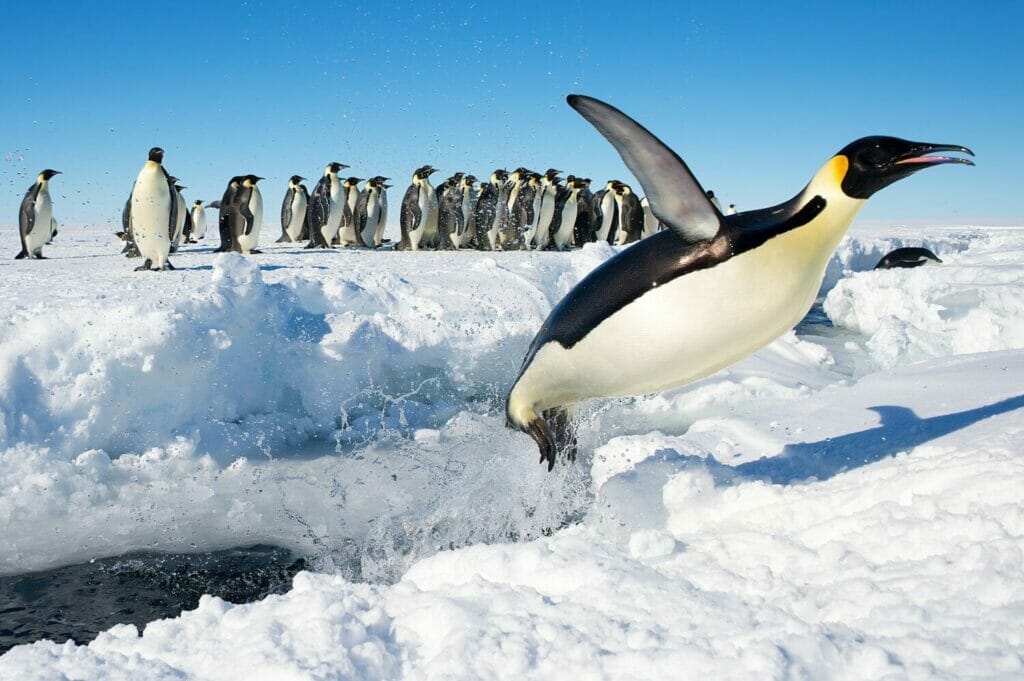
The femur, or thigh bone, in penguins, is relatively short and connects to the pelvis via a hip joint. This joint allows for a degree of rotation, which is vital for their powerful swimming strokes. The upper legs are held at approximately a 90-degree angle to their lower legs, a posture that keeps their knees bent. While this bent-knee stance limits the range of motion at the knee joint on land, it is highly advantageous for their aquatic movements. The knees are situated quite high up on their body, just above where their flippers attach, contributing to the perception of extremely short legs.
The Role of Knees in Penguin Life
The knees of penguins are not merely vestigial structures; they are integral to a range of essential functions, from locomotion to reproductive behavior. Their primary role is in facilitating movement, both on land and in water.
Movement and Agility
On land, the bent-knee posture, enabled by their high-set knees, allows penguins to maintain a stable upright stance. This is particularly important when traversing slippery surfaces like ice and snow. The flexible knee joint, protected by its unique kneecap, enables them to push off with considerable force, propelling them forward in their characteristic waddle. This gait, while appearing somewhat clumsy to human observers, is an energy-efficient method of terrestrial locomotion for a bird of their build and weight.
In the aquatic realm, the high positioning of their knees and the flexibility they offer are paramount. When swimming, penguins use their legs and feet as powerful propellers. The bent knee allows for a greater range of motion in the water, enabling them to generate strong, efficient kicks. Furthermore, the apparent shortness of their legs due to the concealed knees contributes to a more streamlined body shape in the water, reducing drag and enhancing their speed and agility. This hydrodynamic advantage is crucial for hunting their primary food sources, which include fish, krill, and squid.
Beyond active locomotion, their knees also play a role in simple acts of daily life. Penguins utilize their knee joints to stand up from a resting position and to sit down, a necessary action for resting and sleeping. This ability to transition smoothly between standing and resting positions is vital for conserving energy, especially during long periods of foraging or breeding.
Incubation and Nesting
Knees are also central to a penguin’s reproductive strategy, particularly during the crucial period of egg incubation. In many penguin species, the male or female parent will carefully balance a single egg on its feet, using its knees to cradle and protect it. The egg is kept elevated from the frigid ground and is nestled close to the parent’s body for warmth. This method of incubation, sometimes referred to as "brooding," requires precise control of the leg and knee joints to ensure the egg’s safety and warmth. The ability to maintain a stable, upright posture with the egg held securely is a testament to the functional significance of their knee anatomy.
The Enigma of the Waddling Gait
The distinctive waddle of penguins is a direct consequence of several interconnected anatomical and physiological factors, all of which are influenced by their knee structure.
The Influence of Large Feet
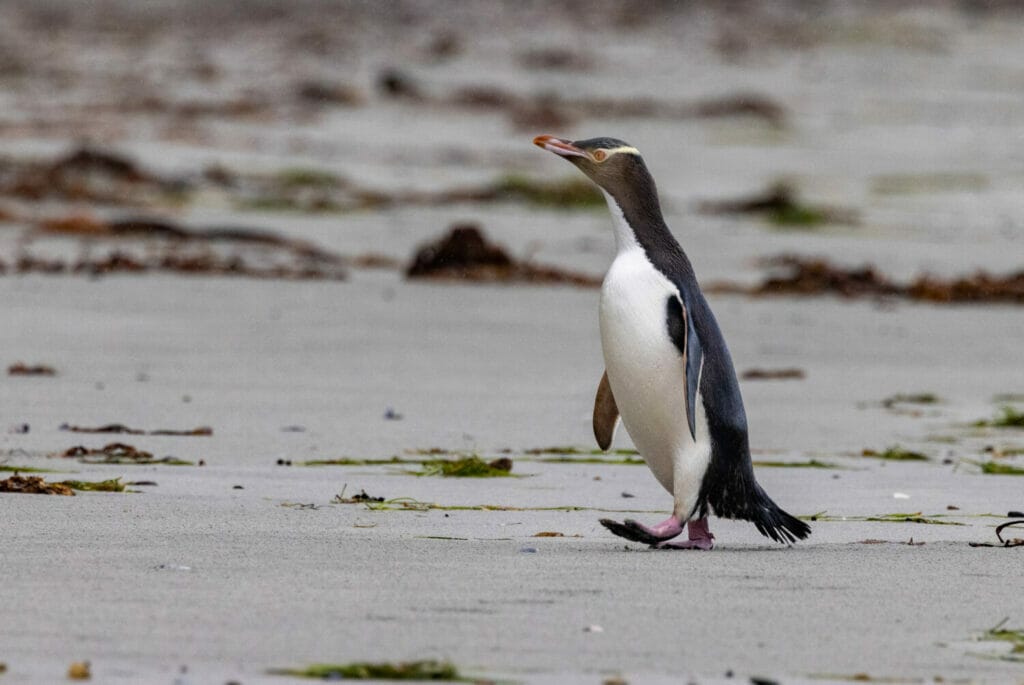
Penguins possess disproportionately large, webbed feet. These serve multiple purposes: providing stability on land, acting as rudders for steering in water, and aiding in propulsion. However, the sheer size of these feet makes rapid or graceful movement on land challenging. To compensate, penguins employ a side-to-side swaying motion, shifting their weight from one foot to the other. This waddle effectively brings their center of gravity over their supporting foot with each step, minimizing the effort required to move their large appendages.
The "High Knee" Phenomenon
As previously discussed, a penguin’s knees are positioned high within their body, concealed by feathers. This arrangement allows for greater flexibility and power in their swimming strokes. However, on land, this high placement results in a pronounced bend at the knee, forcing their lower legs to remain relatively vertical. This posture, combined with their upright stance, necessitates a broad, swaying gait to maintain balance and move forward. The visual effect is a pronounced waddle, where the body appears to rock from side to side.
Body Shape and Bone Density
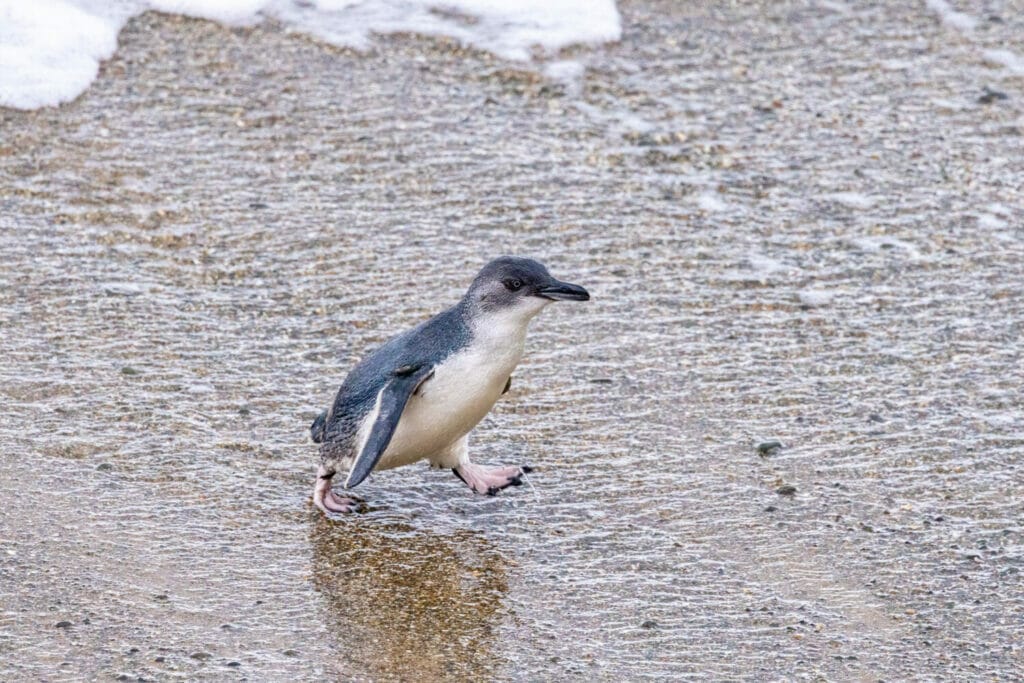
The overall body shape of a penguin is typically oval or torpedo-like, an aerodynamic form optimized for aquatic life. This shape, coupled with their dense bones and streamlined plumage, creates a significant mass that needs to be supported and moved on land. The leg bones occupy a considerable portion of their skeletal structure, and their mass further contributes to the challenges of terrestrial locomotion. Waddling is an evolutionary solution that optimizes energy expenditure for moving this substantial body mass across varied terrains.
Energy Conservation: A Strategic Gait
For bipedal animals, particularly those with substantial body mass like penguins, walking can be an energy-intensive activity. Penguins, in particular, expend a significant amount of energy to maintain their upright posture and propel themselves forward on land. Their waddle is not simply an aesthetic quirk; it is a highly efficient method of locomotion that conserves energy. By minimizing unnecessary movements and optimizing the transfer of momentum, penguins can travel considerable distances on land without expending excessive energy, which is crucial for survival, especially during breeding seasons when they must forage for food for themselves and their young. This energy conservation allows them to allocate more resources to essential activities such as hunting, breeding, and thermoregulation.
Broader Implications and Evolutionary Significance
The study of penguin anatomy, including the function of their knees and the mechanics of their waddle, offers valuable insights into the principles of evolutionary adaptation. Penguins represent a remarkable example of how a lineage of flying birds has successfully transitioned to a predominantly aquatic existence, developing a unique suite of physical characteristics tailored to their environment. Their specialized skeletal structure, particularly the adaptations in their legs and knees, is a testament to the power of natural selection in shaping organisms for survival and reproductive success.
The heavier bone density, the concealed knees, and the distinctive waddle are all interconnected adaptations that highlight the trade-offs and optimizations that occur during evolution. While the waddle might appear inefficient from a human perspective, it is a highly effective strategy for penguins, allowing them to thrive in some of the planet’s most challenging environments. Understanding these adaptations not only deepens our appreciation for these charismatic birds but also provides a window into the broader principles of biomechanics and evolutionary biology.
Frequently Asked Questions About Penguins
Where do penguins live?
Penguins are exclusively found in the Southern Hemisphere. Their populations are most concentrated in Antarctica, but they also inhabit coastal regions of South America, Africa, Australia, and New Zealand.
How many penguin species are there?
There are currently 18 recognized species of penguins, each with its own unique characteristics and geographical distribution.

Are penguins really birds?
Yes, penguins are unequivocally classified as birds. They possess the defining characteristics of avian species, including laying eggs, having feathers, and possessing wings, albeit modified for swimming rather than flight.
Where can you see penguins outside of Antarctica?
Beyond the icy continent, excellent locations to observe penguins include Australia (especially Tasmania and the southern coasts), New Zealand (home to several species, including the rare Fiordland penguin), South Africa (home to the African penguin), and various islands in the sub-Antarctic region. Many of these locations offer opportunities for ethical wildlife viewing, allowing visitors to witness these fascinating creatures in their natural habitats.

