


Bringing home your first pair of rats is an exciting milestone, marking the beginning of a rewarding companionship. This transition, however, can also be accompanied by a surge of questions and a degree of apprehension, even for experienced pet owners embarking on a new species. Understanding the typical behaviors and needs of rats during their initial adjustment period is crucial for fostering a healthy and trusting relationship. This guide aims to demystify the first days, weeks, and months of rat ownership, providing a roadmap for new guardians to ensure their new pets thrive.
The Initial Homecoming: Setting the Stage for Success
The moment you arrive home with your new rat companions is a critical juncture. The journey from their previous environment to their new abode is a significant change for any animal. It’s important to remember that your rats are entering an unfamiliar world filled with novel sights, sounds, and smells, all while being handled by a stranger. Therefore, a measured and gentle approach is paramount to avoid overwhelming them.
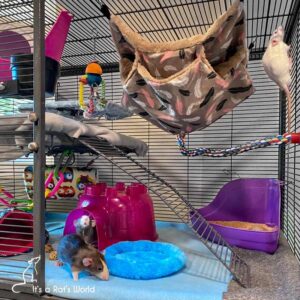
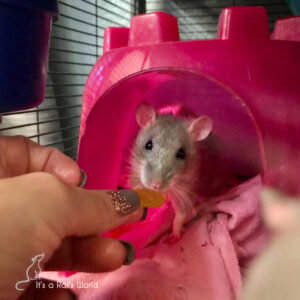
Upon arrival, the first destination should be their prepared cage. This habitat, equipped with appropriate bedding, food, water, and enrichment items, serves as their initial safe haven. Presenting them to their new home in this manner allows them to explore at their own pace, reducing stress and promoting a sense of security. While the temptation to immediately cuddle and interact is strong, it’s vital to allow them this period of acclimatization. Offering a small, palatable treat can be a gentle way to initiate positive association without being intrusive. Talking to them softly and calmly as you point out the various amenities within the cage—such as their sleeping areas, food dishes, and litter boxes—can help them begin to associate your presence with positive experiences. The inclusion of a litter box early on is also beneficial, as the stress of relocation can sometimes affect a rat’s digestive system, making a designated bathroom area particularly useful.
Decompressing and Discovering: The Post-Cage Introduction Phase
Following the initial introduction to their cage, the next steps in integrating your rats into your home should be guided by their individual temperaments and the circumstances of their acquisition. If the journey to your home was brief and local, your rats might be ready for more interaction sooner. However, if they endured a lengthy travel period, a decompression period of 30 to 60 minutes before further engagement is advisable. This period allows them to settle, process their new surroundings, and reduce any lingering travel-induced anxiety.

It is crucial to observe your rats’ cues. Some may emerge from their hiding spots with curiosity, while others might remain withdrawn and fearful. Respecting their individual pace is key. Pushing for interaction before they are ready can inadvertently increase their anxiety and prolong the adjustment process. The goal is to create a foundation of trust, and this is best achieved by allowing them to dictate the tempo of interaction in these early stages.
Understanding Rat Behavior: Expectations for the First Month
The behavioral patterns of rats in their first day, week, and month in a new home can vary significantly. Some rats are naturally bold and will quickly integrate into their new environment, demonstrating curiosity and seeking interaction with their human companions. Others may exhibit a more cautious approach, a blend of tentative exploration and a desire for security. For these more outgoing rats, a rapid assimilation often leads to a more comfortable and relaxed experience for both the pet and the owner.
Conversely, it is not uncommon for newly acquired rats to display nervousness, jumpiness, or even outright fear. This initial skittishness can be particularly daunting for inexperienced owners, sometimes leading to a misconception that a hands-off approach is necessary. However, prolonged avoidance can reinforce their fear, creating a self-perpetuating cycle of anxiety. Rats learn to trust through consistent, positive reinforcement and dedicated interaction. Therefore, beginning this process on day one is essential, regardless of their initial fear response. Daily engagement, including gentle handling and affection, is vital for helping them overcome their apprehension. If your rats are hiding, retreating from your attempts at interaction, or squirming excessively when handled, it is important to remember that this is a common challenge. Resources such as "Helping A Scared Pet Rat" and "Honoring Your Rat’s Personal Space" can offer valuable strategies for navigating these situations.
A common concern among new owners is the potential for rats to bite. While rats are not inherently aggressive, their natural instincts and fear responses can sometimes lead to nipping. Understanding the context behind such behaviors is crucial. For instance, a rat’s poor eyesight means they may not always perceive a finger or toe in the same way a human does. Furthermore, a peculiar but common rat trait is their attraction to socked feet, which can result in nipping. This behavior, while startling, is rarely indicative of malice and typically does not break the skin. It is essential to differentiate between a defensive nip stemming from fear and intentional aggression. Overcoming this apprehension is vital, as a prolonged lack of interaction due to fear can exacerbate a rat’s anxiety. Educating oneself on the topic, such as through an article titled "Do Pet Rats Bite?", can provide the necessary confidence to proceed with positive interactions.
Another behavior some rats exhibit is an attraction to nail polish remover. The strong fumes or smell can be disturbing to rats, potentially triggering a defensive reaction. It is advisable to avoid using such products in the vicinity of your rats to prevent any discomfort or unintended interactions.
Foundational Care: Essential Practices for Rat Well-being
Beyond behavioral considerations, consistent and appropriate care forms the bedrock of a healthy life for your pet rats. Addressing fundamental needs such as hygiene, nutrition, and veterinary attention is paramount from the outset.
Cage Maintenance: A Pillar of Health and Odor Control
The frequency of cage cleaning is a topic that often sparks concern among new owners. While the exact schedule can vary based on several factors, maintaining a clean environment is non-negotiable for preventing odor buildup and promoting your rats’ health. Daily spot cleaning, which involves removing soiled bedding and waste, is highly recommended. This practice significantly reduces the accumulation of ammonia and bacteria, which can lead to respiratory issues and unpleasant odors.
A complete cage overhaul, including washing all accessories and replacing bedding, depends on the number of rats, their litter box habits, their activity levels, and even their sex, as male rats may be more prone to marking their territory. For detailed guidance on establishing a robust cleaning routine, resources like "Resolve To Keep Your Rat’s Habitat Cleaner" offer comprehensive strategies. Furthermore, understanding the optimal placement of the cage within your home is also important. Articles such as "Rats And Home Ambience" and "Rats And The Air" can provide insights into creating a conducive living environment for your pets.
Nutritional Guidance: Fueling a Healthy Metabolism
Rats possess rapid metabolisms, necessitating a balanced and consistent dietary intake. It is generally recommended to divide their daily staple diet into two main meals, breakfast and dinner. This approach helps to regulate their feeding patterns and prevent overeating, a common tendency among some rats. Fruits and vegetables can be incorporated into these meals or offered as smaller, portion-controlled snacks throughout the day.
For example, a breakfast might include yogurt or fruit, while a midday snack could consist of carrots or grapes. Dinner might feature cooked vegetables, pasta, or other suitable human food items. For more in-depth information and specific meal planning examples, consulting resources such as the Rat Guide’s "diet article" and "daily menu example" is highly beneficial.
Veterinary Care: Proactive Health Management
The necessity of immediate veterinary attention upon acquiring new rats depends largely on their source. If your rats come from a reputable rescue organization that adheres to strict quarantine protocols and provides medical care prior to adoption, an immediate vet visit may not be required. However, if your rats originate from a pet store (generally not recommended), an informal breeder, or a situation where their health was compromised, a veterinary consultation is advisable.
Stress can significantly weaken a rat’s immune system, making them susceptible to illness, particularly respiratory infections. Symptoms such as sneezing, labored breathing, wheezing, or crackling sounds warrant prompt veterinary examination. Even if your rats appear healthy initially, establishing a relationship with a veterinarian experienced in exotics is a prudent step. It is also wise to begin setting aside funds for potential future veterinary expenses, as unexpected health issues can arise at any time.
Deepening the Connection: Building a Lasting Bond
As your rats become more comfortable and accustomed to their new home and your presence, the opportunity to strengthen your bond grows. This phase involves engaging with them outside their cage in a safe and stimulating environment. Understanding how to interact with these small, agile creatures is key to fostering a deep connection.
Gentle Handling and Interaction Techniques
The initial attempts at holding your rats might feel challenging, given their small size and energetic nature. Their sharp nails, while a natural part of their anatomy, can also be a point of concern for new owners. Articles such as "How To Pet Your Rats" provide practical advice on gentle stroking and handling techniques that build trust and comfort. The goal is to make every interaction a positive one, reinforcing that your touch is safe and reassuring.
Creating dedicated play areas outside the cage is an excellent way to facilitate bonding. These "rat playgrounds" can be designed to offer a variety of stimulating activities and encourage exploration. One effective method involves creating a safe space on a couch or a designated area within a room, allowing for extended periods of interaction where you can observe and engage with your rats as they explore. This approach offers numerous opportunities for cherished moments and strengthens the human-animal connection.

Understanding Rat Communication
As your relationship with your rats deepens, you will begin to recognize their unique ways of communicating. Understanding these cues is essential for a truly reciprocal bond. While this aspect of communication may take more time to decipher as you become more familiar with your individual rats, learning about their vocalizations, body language, and other expressions can enhance your understanding and responsiveness to their needs. An article titled "Rat Communication: How Your Rat ‘Talks’ To You" can serve as a valuable guide in this endeavor.
In conclusion, embarking on the journey of rat ownership is an immensely rewarding experience. By approaching the initial adjustment period with patience, understanding, and a commitment to consistent, positive interaction, new owners can cultivate a strong and enduring bond with their intelligent and affectionate companions. The key lies in respecting their individuality, providing for their essential needs, and embracing the learning process. With dedication and care, you will soon find yourself navigating this delightful adventure with confidence and joy.

