


Your bird is seed-addicted, a common scenario for many companion parrot owners. While pellets and fresh foods form a superior dietary foundation, transitioning a parrot, cockatiel, budgie, conure, African grey, Amazon, or cockatoo away from a seed-heavy diet is often a complex undertaking. The challenge stems from the inherent curiosity of some birds, the caution of others, and the cunning selectivity of "seed-focused little masterminds" who expertly pick around new foods, dump bowls, or patiently await their familiar treats. Recognizing this complexity, experts emphasize that pellet conversion is not a one-size-fits-all process. The safest and most effective approach lies in selecting a pellet conversion method tailored to an individual bird’s unique behavioral profile.
This comprehensive guide delves into three evidence-based bird diet conversion methods: Birdie’s Choice, Slow and Steady, and Tough Love. This article serves as a method-selector, helping owners identify the most appropriate strategy for their avian companion. For those whose primary concern is, "Will my bird starve if I switch to pellets?" it is advisable to first consult a pellet-refusal guide to understand the critical safety parameters before proceeding with method selection.
The Silent Crisis: Nutritional Deficiencies in Seed-Dominated Diets
For decades, the standard diet for many companion birds consisted primarily of seeds. While seeds are a natural part of a wild parrot’s diet, they represent only a fraction of the diverse nutritional intake from fruits, vegetables, flowers, insects, and grains found in their natural habitat. In captivity, an exclusive or predominant seed diet is a recipe for long-term health problems. Seeds, particularly sunflower and safflower, are high in fat and deficient in crucial vitamins, minerals, and amino acids.
A diet heavily reliant on seeds often leads to:
- Vitamin A Deficiency: This is one of the most common issues, impacting the health of epithelial tissues throughout the body. It can manifest as respiratory problems, kidney disease, impaired immune function, and abnormal feather growth.
- Calcium Deficiency: Inadequate calcium can lead to metabolic bone disease, brittle bones, and egg-binding in female birds, which can be life-threatening.
- Amino Acid Imbalance: Seeds lack a complete profile of essential amino acids, critical for protein synthesis and overall bodily function.
- Obesity and Liver Disease: The high-fat content of seeds, combined with a sedentary lifestyle, frequently results in obesity, which predisposes birds to fatty liver disease (hepatic lipidosis), a serious and often fatal condition.
- Weakened Immune System: Chronic nutritional deficiencies compromise a bird’s immune response, making them more susceptible to bacterial, viral, and fungal infections.
Recognizing these severe health implications, avian veterinarians and nutritionists began advocating for formulated pelleted diets in the late 20th century. Pellets are designed to be nutritionally complete and balanced, providing all the necessary vitamins, minerals, proteins, and carbohydrates in each bite. However, transitioning a bird from a palatable, familiar seed diet to a novel, often less appealing pellet can be challenging, necessitating structured conversion strategies.
The Evidence-Based Approach: A Framework for Safe Conversion
A pivotal avian study, published in the Journal of Avian Medicine and Surgery by Cummings, Hess, Spielvogel, & Kottwitz (2022), rigorously evaluated three distinct pellet conversion methods for seed-fed psittacine birds: Birdie’s Choice, Slow and Steady, and Tough Love. The study’s primary objective was not to force birds to eat, but to provide a structured, monitored approach that prioritized safety and well-being. Researchers meticulously tracked key indicators such as appetite, droppings, activity levels, body weight, and body condition throughout the conversion process, providing a robust evidence base for these methods. This systematic approach ensures that owners can pursue dietary improvement while mitigating risks to their bird’s health.
The study underscored that successful conversion hinges on understanding individual bird behavior and consistently applying the chosen method. It moved beyond anecdotal advice, offering owners a scientific framework to navigate this critical dietary shift.
Matching Your Bird to a Pellet Conversion Method: A Behavioral Guide
The success of any diet conversion hinges on selecting a method that aligns with your bird’s personality and typical reactions to new stimuli. Randomly altering food bowls, removing seeds one day, and reintroducing them the next can create anxiety and undermine the conversion process. A structured method, conversely, provides predictability for both bird and owner, reducing emotional guesswork during moments of hesitation. Crucially, no method should ever supersede the bird’s well-being. Consistent monitoring of appetite, water intake, droppings, activity level, body weight, and body condition is paramount. If a bird loses more than 3% body weight in a week, more than 10% total body weight during conversion, or exhibits any signs of illness, the process must be paused, and an avian veterinarian contacted immediately.
Here’s a detailed breakdown of each method:
1. Birdie’s Choice: The Interactive and Social Approach
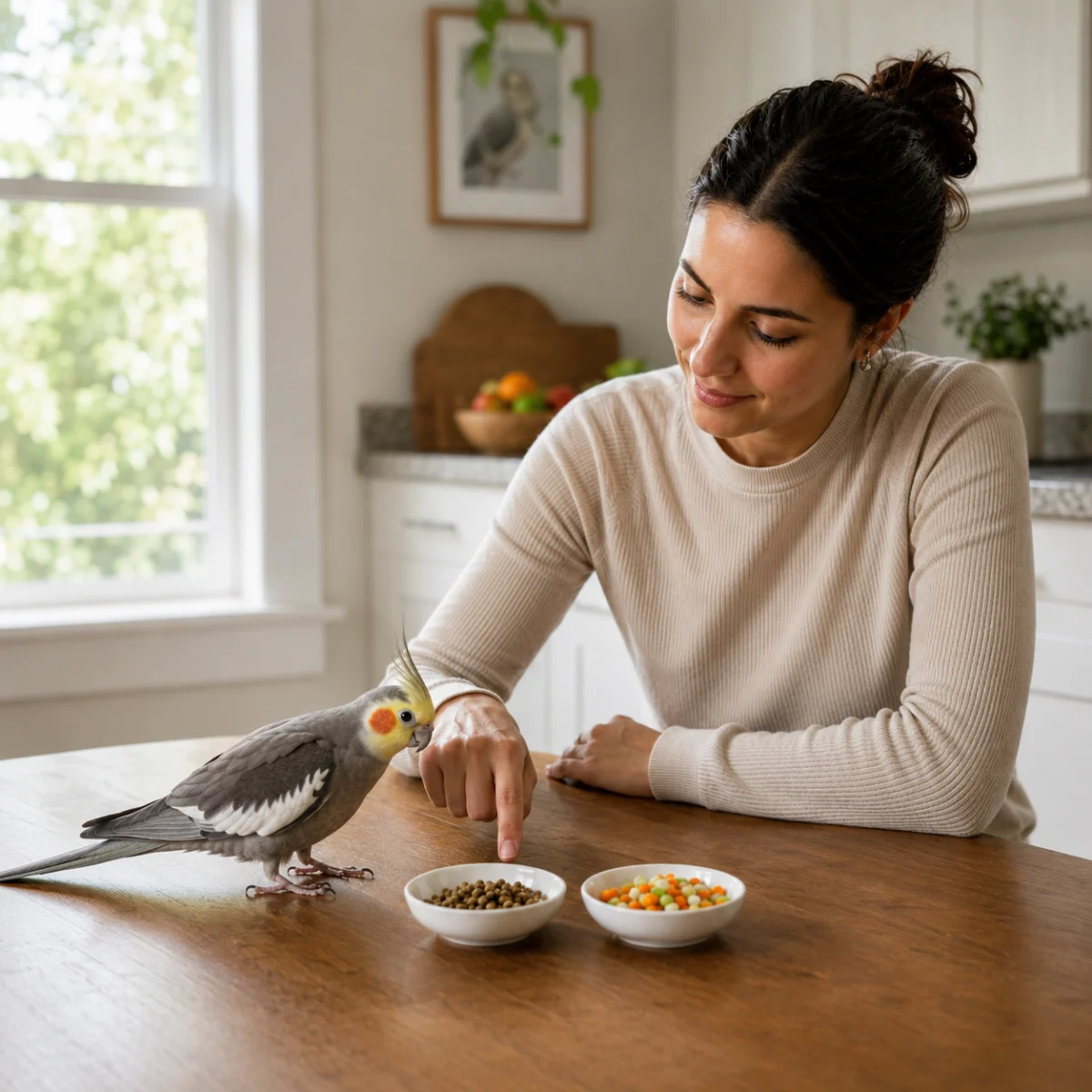
- Best For: Curious, social, finger-tame birds who enjoy attention, exploration, and respond positively to flock-style encouragement. This method often suits smaller ground-feeding birds like budgies and cockatiels who are naturally inclined to forage and investigate alongside their "flock mates."
- Not Best For: Fearful, aggressive, untame birds, or those uninterested in interactive exploration. Owners unable to provide close supervision may also find this method challenging.
- How it Works: This method capitalizes on a bird’s natural curiosity and social learning instincts. The owner offers a small selection of different pellet types or sizes in a low-pressure, interactive setting, such as a tabletop or play stand. The owner actively encourages interaction through praise, gentle tapping near the pellets, or even "pretending" to eat the pellets themselves, making the new food seem safe and desirable. The pellet type that the bird shows the most interest in or interacts with becomes the primary choice for gradual introduction into their regular feeding area. This approach minimizes stress by giving the bird agency and leveraging social cues.
2. Slow and Steady: The Routine-Driven Approach
- Best For: Cautious, routine-driven, or less tame birds who may be easily overwhelmed by sudden changes. This method provides predictable pellet exposure while gradually reducing familiar seed offerings. It can be particularly reassuring for owners who are nervous about rapid dietary changes.
- Not Best For: Birds who have learned to "wait out" their owner, knowing that refusing pellets will eventually lead to more seed. It also fails if owners, out of fear, consistently replenish seed, undermining the method’s structure.
- How it Works: This method involves offering pellets at specific, predictable times of the day, particularly when the bird is naturally most inclined to forage (e.g., first thing in the morning). Familiar seed is offered in smaller, controlled portions, often at a less preferred time or location, and then gradually tapered down over days or weeks. Pellets remain continuously available and fresh in the primary feeding area, allowing the bird repeated, low-pressure encounters with the new food. The key is strict adherence to the timing and tapering schedule to prevent the bird from learning that refusal brings back seed. Consistency builds trust and familiarity.
3. Tough Love: The Assertive but Monitored Approach
- Best For: Healthy, selective birds who are adept at picking around pellets, dumping bowls to find seeds, or manipulating mixed diets. It’s also suitable for birds who readily eat a variety of other fresh foods but specifically refuse pellets. The goal is to make pellets the primary, most accessible food source.
- Not Best For: Sick, underweight, elderly, very tiny, egg-bound, or medically fragile birds. This method should only be undertaken with explicit guidance from an avian veterinarian for vulnerable birds. It also requires owners to maintain calm consistency, avoiding the temptation to repeatedly add back seed due to panic.
- How it Works: This method involves maximizing pellet exposure. Pellets are placed in multiple, easily accessible locations within the bird’s cage or play area. A very small, measured amount of familiar seed is offered only once or twice a day, typically in a less preferred location, and for a limited time. This strategy reduces opportunities for the bird to avoid pellets and makes the new food the default option. Crucially, "Tough Love" does not mean starvation; it means strategic food presentation. This method demands diligent monitoring of weight, droppings, and behavior. Any sign of distress or significant weight loss requires immediate veterinary consultation.
Who Should Use a Pellet Conversion Method Selector?
This guide is indispensable for bird owners who acknowledge their bird’s need for a healthier diet but are uncertain about the safest and most effective conversion strategy. It is a method-matching tool, not a quick fix, a starvation plan, or a substitute for professional avian veterinary care, especially when a bird is medically fragile. This guide is for owners seeking a structured starting strategy, particularly those whose parrots, cockatiels, budgies, conures, African greys, Amazons, cockatoos, or other companion birds are consuming predominantly seeds. The objective is to proactively match the bird to a suitable method, replacing daily guesswork with a predictable plan.
Effective pellet conversion necessitates consistent observation. Owners must be able to monitor their bird’s behavior, interaction with food, droppings, appetite, and weight. While perfection is not required, consistency is vital. If an owner can dedicate a few focused interactions daily for approximately one week, they are well-prepared for this process.
It is paramount to reiterate: this guide is not for birds requiring immediate medical intervention. If a bird is sick, underweight, elderly, egg-bound, very tiny, medically fragile, or exhibiting any signs of illness, the first step is to consult an avian veterinarian. Conversion methods are designed for birds stable enough to learn; when health is uncertain, safety always precedes dietary goals.
The Pitfalls of Mixing Seeds and Pellets
A common misconception among owners is that simply mixing pellets into a bird’s existing seed mix will encourage consumption. However, this approach is often ineffective because birds are highly selective eaters. They are experts at picking out the high-fat, palatable seeds and leaving the unfamiliar pellets untouched. A bowl that appears balanced with a mix of seeds and pellets often masks a bird’s actual intake, which remains predominantly seed-heavy.
Structured pellet conversion methods, conversely, leverage timing, strategic placement, and controlled access to familiar foods to ensure pellets are truly encountered and consumed. Separate pellet dishes, timed offerings, and placing pellets in prominent locations make it easier for owners to discern what their bird is genuinely eating. This also helps birds categorize pellets as a distinct food source, rather than just "weird stuff mixed with seed." This transparency empowers owners to make safer, data-driven decisions based on real intake.
Furthermore, an owner’s natural fear and concern can inadvertently reinforce seed refusal. When a bird hesitates to eat pellets, an anxious owner might quickly add more seed, inadvertently training the bird to wait for its preferred food. A structured conversion method protects both the bird and the owner from this cycle of emotional guesswork, providing a clear path forward.
Navigating the Timeline: How Fast Can a Bird Learn?
Many birds can convert to pellets faster than owners anticipate, especially when a clear and consistent method is employed. However, speed should never be the sole objective. The most effective method is the one that your bird can safely complete while maintaining stable weight, normal droppings, healthy appetite, and consistent energy levels.
While methods like "Tough Love" might accelerate the process for certain birds, speed is secondary to safety and efficacy. The chosen method must align with the bird’s health status, temperament, confidence, and the owner’s ability to consistently monitor. A rapid conversion is only a true success if the bird remains stable and healthy throughout. The best plan is one that can be calmly and consistently executed. If an owner can interact with their bird a few times daily and vigilantly monitor safety signs, they are already well-positioned for success. The ultimate goal is not perfection, but consistent progress away from seed dominance.
Beyond Pellets: Integrating Fresh Foods and Chop
Pellets establish a vital nutritional foundation, but they are not the entirety of a healthy avian lifestyle. Birds still thrive on appropriate fresh vegetables, greens, sprouts, and enrichment foods. The initial goal is to build a reliable nutritional base with pellets. Once this is achieved, introducing fresh foods often becomes significantly easier, as the bird has learned to accept new food items as safe and beneficial.
The same learning principles applied to pellet conversion can be extended to introducing "chop" – a mixture of finely diced or grated vegetables, fruits, and grains. Birds may initially reject vegetables, greens, or sprouts for the same reason they reject pellets: unfamiliarity. Repeated exposure, routine, social modeling, experimenting with different textures (minced, grated, whole pieces), and patience are key. Some birds prefer finely minced chop, while others enjoy larger pieces they can hold and shred. A bird that rejects wet chop might respond positively to clipped greens, grated carrot, warm sweet potato, or sprouts offered separately. While pellets form the balanced base, chop and other fresh foods add variety, enrichment, and additional micronutrients. For a comprehensive fresh-food plan, this article provides the pellet foundation, which can then be complemented by dedicated guides on introducing chop and vegetables.
When to Stop and Call an Avian Vet
It is critical to understand the warning signs during diet conversion. Stop the conversion process and immediately contact an avian veterinarian if your bird exhibits any of the following:
- Significant Weight Loss: More than 3% body weight loss in one week, or more than 10% total body weight loss during the entire conversion period. For small birds, even a few grams can be critical. Use a gram scale consistently.
- Signs of Illness: The bird becomes fluffed, weak, excessively sleepy, shaky, unusually quiet, or less responsive. Also watch for a significant decrease in droppings, complete refusal to eat, vomiting, labored breathing, sitting low on the perch, or a dramatic, sustained behavior change. These are not normal "pellet conversion" signs.
Pausing the conversion is not a failure; it signifies that your bird requires a safer approach or medical support. It may indicate the need for a slower pace, a different method, an alternative pellet brand or size, or immediate veterinary intervention. The overarching mission is to achieve better nutrition without compromising your bird’s health or safety.
While a healthy adult bird may not always require a vet visit before every minor diet improvement, an avian vet consultation is strongly recommended if your bird is sick, underweight, elderly, egg-laying, medically fragile, or already showing any symptoms. A vet can help assess your bird’s overall health and advise on a safe conversion timeline. Never continue pushing a conversion at home if weight loss or illness appears.
Conclusion: A Method, Not a Battle
Your bird deserves a structured, safety-first approach to dietary improvement, not daily shame, pressure, or a food battle. By understanding the three evidence-based strategies – Birdie’s Choice, Slow and Steady, and Tough Love – and accurately matching them to your bird’s unique personality, you can confidently embark on this journey. Remember to monitor weight, droppings, appetite, and energy diligently. The safest and most successful conversion is the one your bird completes without panic, detrimental weight loss, or emotional guesswork on your part. With the right method and consistent, calm execution, you can effectively transition your bird away from a seed-dominant diet, paving the way for a healthier, longer, and more vibrant life.
FAQ: Pellet Conversion Methods
- Which pellet conversion method should I try first?
For curious, social birds, Birdie’s Choice is often the best starting point. For cautious, routine-driven, or less tame birds, Slow and Steady is typically more suitable. Tough Love should only be considered for healthy, selective, seed-focused birds who consistently avoid pellets, and only with careful monitoring. - Is Tough Love safe for birds?
Tough Love can be safe for the right bird when it is correctly implemented as "maximum pellet exposure," not starvation. It is critically unsafe for sick, underweight, elderly, very tiny, or medically fragile birds unless an avian veterinarian is directly guiding the process. It demands consistent monitoring and calm, unwavering adherence to the plan. - Should I mix pellets into seed?
Mixing pellets into seed is generally ineffective because most birds will simply pick out the seeds, leaving the pellets untouched. This method fails to ensure balanced intake. Separate pellet placement, timed exposure, and controlled access to familiar food are far more effective strategies for ensuring actual pellet consumption.
FAQ: Safety and Weight Loss
- Can a bird starve instead of eating pellets?
Yes, some birds may refuse unfamiliar food long enough to experience unsafe weight loss. This underscores why relying solely on hunger as a conversion strategy is dangerous. It is imperative to use a gram scale, monitor droppings and appetite closely, and contact an avian vet immediately if weight drops significantly or your bird appears unwell. - How much weight loss is too much during pellet conversion?
You should stop the conversion and contact an avian vet if your bird loses more than 3% of its body weight in one week, or more than 10% of its total body weight over the entire conversion period. For small birds, even a few grams can indicate a critical situation, emphasizing the importance of precise gram-scale measurements. - Do I need an avian vet before changing my bird’s diet?
While a healthy adult bird might not always require a vet visit before every diet improvement, an avian vet consultation is strongly recommended if your bird is sick, underweight, elderly, egg-laying, medically fragile, or already showing any symptoms. A vet can provide a baseline health assessment and help determine the safest pace for dietary changes. If weight loss or illness develops during conversion, do not hesitate to seek veterinary care.
FAQ: Pellets, Chop, and Next Steps
- Can I use these methods to introduce vegetables too?
Yes, the same learning principles of repeated exposure, routine, modeling interest, and low-pressure experiences can be effectively applied to introduce vegetables, greens, sprouts, and chop. Remember that chop typically serves as a fresh-food layer, while pellets form the foundational balanced diet. - How long does pellet conversion usually take?
The timeline varies significantly. Some birds may convert within days, while others require several weeks or even months of consistent effort. Birds generally respond better when the owner follows a clear, consistent plan rather than frequently changing strategies. The ideal timeline is one that improves the diet while maintaining the bird’s weight, droppings, appetite, and energy stability. - What if my bird refuses every pellet?
First, ensure your bird is safe, maintaining weight, and producing normal droppings. If so, reassess your chosen method, the pellet size, texture, placement, and timing. Some birds may require trying a different brand or type of pellet, adjusting the conversion method, or seeking more structured guidance from an avian professional before they finally accept the change.
Key Principle: Choose the pellet conversion method that matches your bird’s behavior. Monitor weight, droppings, appetite, and energy meticulously. The safest conversion is the one your bird can complete without panic, unhealthy weight loss, or guesswork.
Continue Learning About Bird Nutrition
Many bird nutrition problems are interconnected. Explore evidence-based guides to help you build a healthier diet for your bird.
References
Cummings, A. M., Hess, L. R., Spielvogel, C. F., & Kottwitz, J. J. (2022). An evaluation of three diet conversion methods in psittacine birds converting from seed-based diets to pelleted diets. Journal of Avian Medicine and Surgery, 36(2), 145–152. https://doi.org/10.1647/21-00025

