


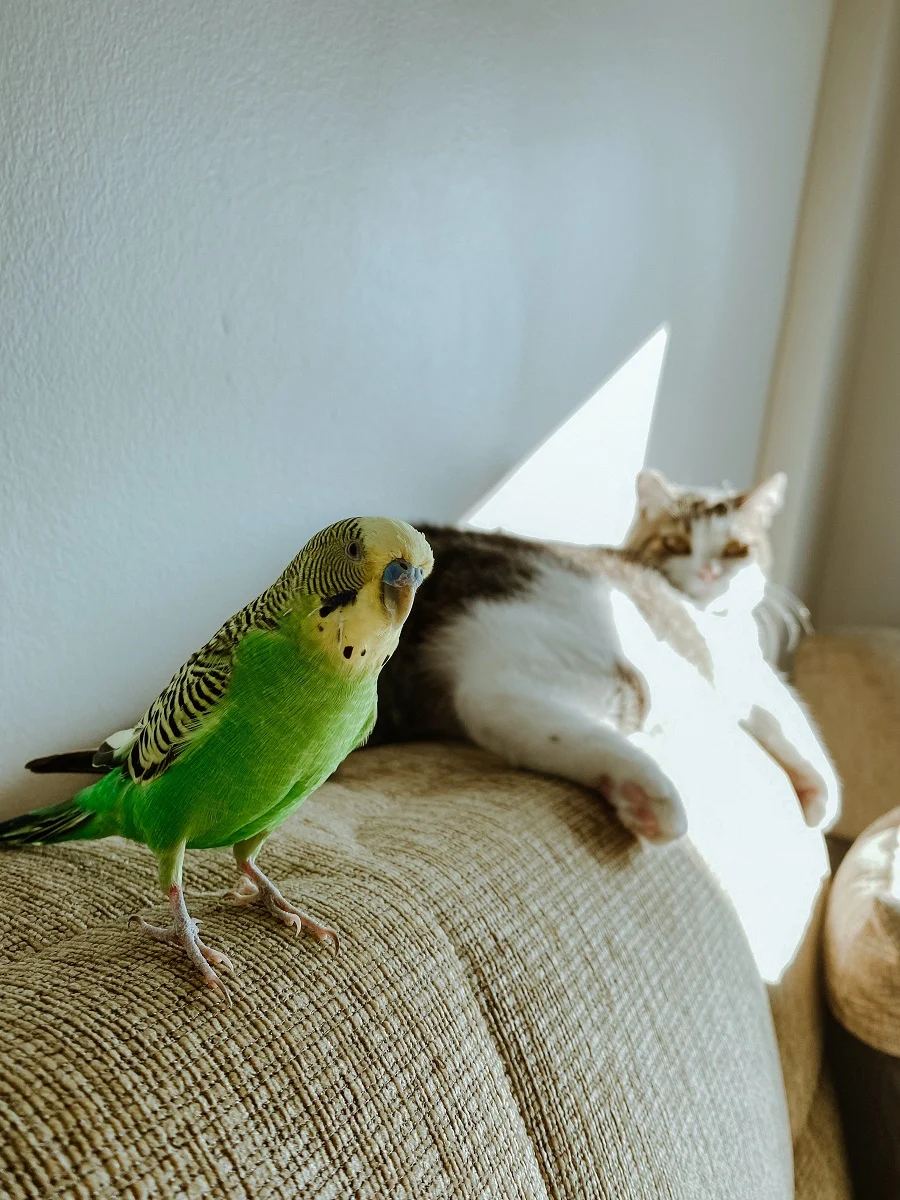
The decision to welcome a parrot into one’s family marks the beginning of a unique and deeply rewarding companionship. These intelligent, often gregarious creatures bring immense joy and personality into a household. However, their highly inquisitive nature, coupled with their innate drive to explore and chew, presents a distinct set of challenges within the human domestic environment. Unlike other common household pets, parrots possess a delicate physiology and a powerful, exploratory beak that can turn seemingly innocuous household items into significant hazards. The responsibility for ensuring a parrot’s safety rests entirely with its human caregivers, necessitating a thorough and proactive approach to "parrot-proofing" any space the bird may access.
The Perils of the Domestic Environment for Avian Companions
Parrots, by their very evolutionary design, are masters of adaptation and exploration within their natural habitats, typically dense forests or savannas. Their intelligence is geared towards problem-solving, foraging, and navigating complex environments. When placed in a human home, these same survival instincts can inadvertently lead them into peril. Their powerful beaks, essential for cracking nuts and excavating nests in the wild, become tools for testing every surface, wire, and object they encounter. Their highly sensitive respiratory systems, optimized for clean, open air, are vulnerable to a myriad of airborne toxins common in modern homes.
The increasing popularity of parrots as companion animals has brought greater attention to their specific welfare needs. Avian veterinarians consistently report that a significant percentage of injuries and illnesses in pet birds are directly attributable to preventable household accidents. These incidents range from electrical burns and toxic ingestions to traumatic collisions and even drowning. Understanding the fundamental differences between a parrot’s natural environment and a human dwelling is the first critical step in mitigating these risks. Preparing a safe haven before the bird arrives is not merely recommended; it is an imperative.
Electrical Hazards: A Silent Threat Beneath the Surface
One of the most insidious dangers within a home environment for a curious parrot is electrical wiring. Parrots possess an instinctual need to chew, a behavior vital for maintaining beak health and exploring their surroundings. In a domestic setting, this natural inclination often extends to electrical cords and outlets. The plastic insulation, often appealing to a parrot’s beak, conceals live wires that can inflict severe electric shocks, deep burns, or even instantaneous electrocution.
The consequences of such incidents are dire, often resulting in agonizing pain, permanent neurological damage, or fatality. Even a seemingly minor jolt can cause internal organ damage that may not be immediately apparent. To prevent these catastrophic events, all electrical cords in areas accessible to a parrot must either be completely hidden or adequately protected. Solutions include routing cords behind heavy furniture, utilizing rigid PVC pipes or flexible spiral cable wraps to encase wires, or employing durable cord covers designed to withstand persistent chewing. Additionally, unused electrical outlets should be fitted with child-proof covers, and any exposed wiring or damaged appliances must be promptly repaired or removed. Vigilance is paramount, as a parrot’s determination to explore can often surprise even the most prepared owner.
Air Quality and Respiratory Sensitivity: The Invisible Killer
Parrots possess an exceptionally efficient and delicate respiratory system, far more sensitive than that of mammals. Their lungs, coupled with a series of air sacs that extend throughout their bodies, facilitate rapid oxygen exchange but also make them extraordinarily vulnerable to airborne toxins. This heightened sensitivity is the basis for the historical use of canaries in coal mines, where their demise served as an early warning sign of dangerous gases like carbon monoxide.
In the modern home, numerous everyday products and activities can release fumes lethal to birds. Overheated non-stick cookware containing polytetrafluoroethylene (PTFE), commonly known by the brand name Teflon, is a notorious culprit. When these coatings reach high temperatures, they release microscopic toxic fumes that can cause acute respiratory distress and rapid death in birds, a condition often referred to as "Teflon toxicity" or "PTFE toxicosis." Other hazardous airborne agents include aerosols (air fresheners, hairsprays, deodorants, cleaning sprays, pest control products), scented candles, incense, chemical cleaning agents, paint fumes, and even the particulate matter and volatile organic compounds (VOCs) released from new carpets or furniture. All forms of smoke – from cigarettes, cigars, vape pens, fireplaces, or burnt food – are equally detrimental.
To safeguard a parrot’s respiratory health, it is imperative to avoid all scented products and aerosols in the bird’s environment. Non-stick cookware should be replaced with ceramic, stainless steel, or cast iron alternatives, or at the very least, never used in the same airspace as a parrot. Adequate ventilation, particularly in kitchens and bathrooms, is crucial. Installation of carbon monoxide and smoke detectors is a vital safety measure for both human and avian residents. Owners should prioritize "bird-safe" cleaning products, often vinegar or baking soda-based, and ensure proper airflow when any home renovations or painting projects are underway.
Accidental Ingestion: A Dietary Minefield in the Home
A parrot’s natural inclination to explore with its beak means that virtually anything within its reach is a potential candidate for nibbling or ingestion. This indiscriminate exploratory behavior makes accidental poisoning a constant threat. The list of household items and substances toxic to parrots is extensive and often surprising to new owners.
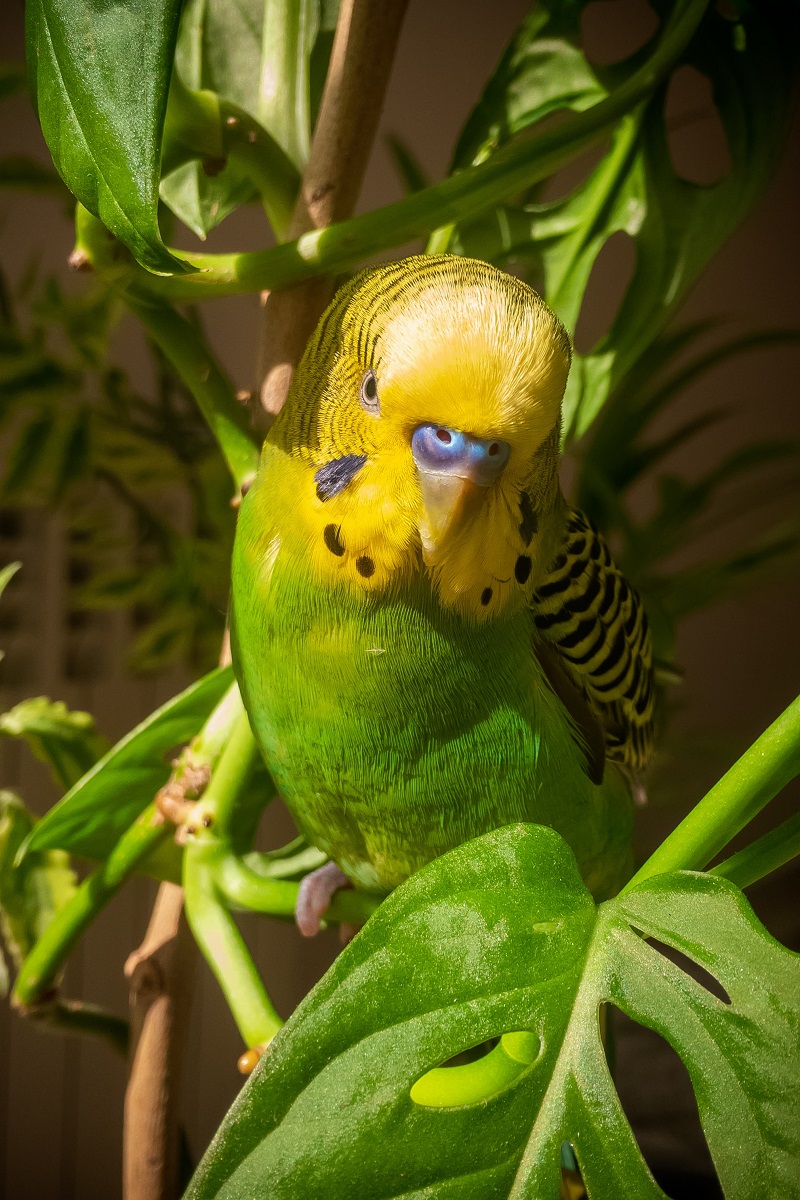
Common houseplants, while aesthetically pleasing, can pose a significant danger. Many popular varieties, such as philodendrons, monsteras, lilies, and azaleas, contain compounds that are toxic to birds, causing symptoms ranging from mild gastrointestinal upset to severe organ damage or death. Owners must meticulously research the safety of every plant in their home and remove or restrict access to any that are deemed hazardous, opting for truly bird-safe alternatives like African Violets or specific herbs.
Beyond plants, human foods like chocolate (containing theobromine), avocado (containing persin), caffeine, alcohol, excessive salt, and artificial sweeteners (especially xylitol) are highly toxic and should never be offered or left accessible. Human medications, even those prescribed for other pets, are lethal if ingested by a parrot. Heavy metals, particularly zinc and lead, are also a serious concern. Zinc, often found in galvanized cages, certain toys, old pennies, and hardware, can cause zinc toxicity, leading to symptoms such as lethargy, vomiting, diarrhea, and neurological issues. Lead, present in older paints, stained glass, and some vintage toys, can cause severe neurological damage. Even small, seemingly harmless items like rubber bands, paper clips, string, or buttons can lead to dangerous internal blockages or foreign body ingestion.
A rigorous approach to storage and supervision is the only effective defense against accidental ingestion. All medications, chemicals, cosmetics, and potentially toxic foods must be stored in secure, bird-proof containers or cabinets. Regular sweeps of the bird’s environment for dropped items or small, chewable objects are essential.
Flight and Physical Obstacles: Doors, Windows, and Reflective Surfaces
For free-flying parrots, the home environment presents several physical hazards related to movement and perception. The most immediate concern is escape. An open door or window, even for a moment, can provide an opportunity for a bird to fly outside, often leading to irreversible loss. Parrots, unaccustomed to the dangers of the outdoors (predators, traffic, lack of food/water), rarely survive long once escaped. Implementing double-door systems for dedicated bird rooms, ensuring robust window screens, and establishing strict household protocols for checking on the bird’s location before opening any external access points are crucial preventative measures. Educating all family members and visitors about these protocols is equally important.
Beyond escape, the reflective surfaces prevalent in modern homes, such as mirrors and large windows, pose a significant risk of traumatic collision. Birds do not perceive their reflections or the transparent nature of glass as barriers, often flying directly into them at speed. Such impacts can result in concussions, broken bones, internal hemorrhaging, or even immediate fatality. To mitigate this risk, mirrors should be covered or removed from bird-accessible areas, and large windows can be made visible to birds by applying decals, UV-reflective stickers, or by keeping curtains/blinds partially drawn. Even interior doors can be a hazard, with parrots often perching on top, vulnerable to crushed toes or tail feather damage if the door is inadvertently closed. Maintaining a habit of keeping interior doors closed when a parrot is out helps define safe zones and prevents access to potentially dangerous areas.
Cage and Toy Safety: The Primary Enclosure as a Sanctuary
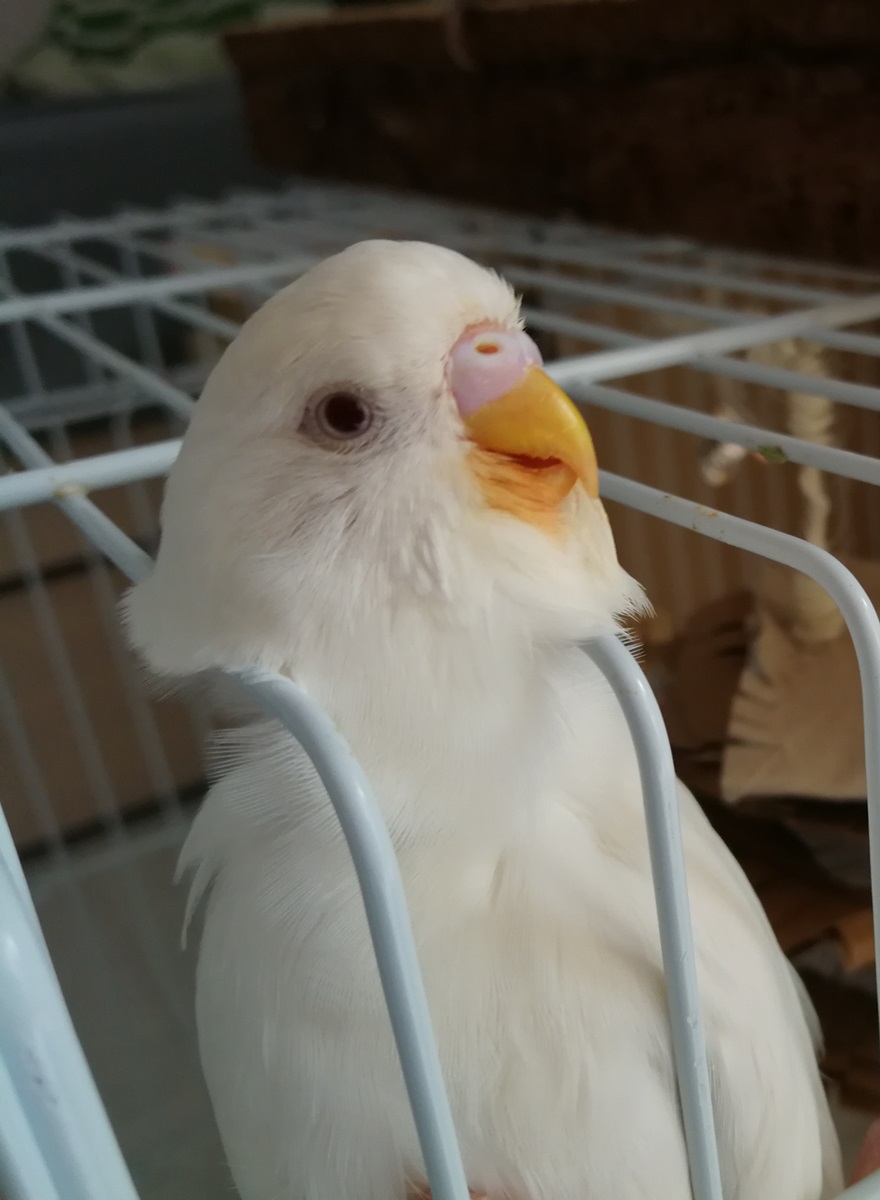
Even within the perceived safety of their own cage, parrots can face preventable dangers. The selection and maintenance of a parrot’s primary enclosure are fundamental to its well-being. Crucial considerations include bar spacing, which must be appropriate for the bird’s species – wide enough to prevent foot entrapment but narrow enough to prevent the bird from forcing its head through and getting stuck or injured. The cage material itself is critical; galvanized cages can leach zinc, especially if the coating is scratched or chipped, leading to heavy metal poisoning. Powder-coated, non-toxic stainless steel cages are generally considered the safest options.
Regular inspection of the cage for rust, broken welds, sharp edges, or loose wires is vital. Large, powerful parrots can inflict significant damage on flimsy cages, creating new hazards over time. Similarly, toys, while essential for enrichment and mental stimulation, must be chosen with extreme care and regularly inspected for wear and tear. A study by Lightfoot and Yeager (2008) highlighted how common zinc-containing items in toys can lead to toxicity and even death, emphasizing that "toys sold at a bird fair, marketed as bird-safe toys, were responsible for the death of one sun conure and severe illness of another." Owners must ensure toys are constructed from bird-safe materials (e.g., untreated wood, natural fibers, food-grade plastic) and free of small parts that can be ingested, loose strings that can cause entanglement, or design flaws that could trap a beak or foot. Damaged toys should be removed or repaired immediately, repurposing unaffected parts where possible.
Hidden Dangers: Furniture, Water, and Other Pets
Beyond the more obvious hazards, several less apparent elements of a typical home environment can pose serious threats to parrots.
Furniture: Parrots, particularly when hormonal or seeking nesting sites, are drawn to small, dark, enclosed spaces that mimic natural tree hollows. This instinct can lead them to crawl into drawers, behind appliances, under furniture, or into the mechanisms of recliners or rocking chairs. Such actions can result in the bird becoming trapped, crushed, or severely injured by moving parts. Owners must proactively block access to these tempting but dangerous nooks and crannies.
Water Sources: Drowning is an alarmingly common cause of accidental death in parrots. Even seemingly shallow water sources, such as uncovered toilets, sinks filled with water, bathtubs, or open buckets, can be fatal. Parrots may fall in, struggle to get out, and quickly become exhausted. Aquariums should always be fitted with secure hoods. It is imperative to keep toilet lids down, drain sinks and tubs immediately after use, and ensure no open containers of water are accessible when a parrot is out of its cage.
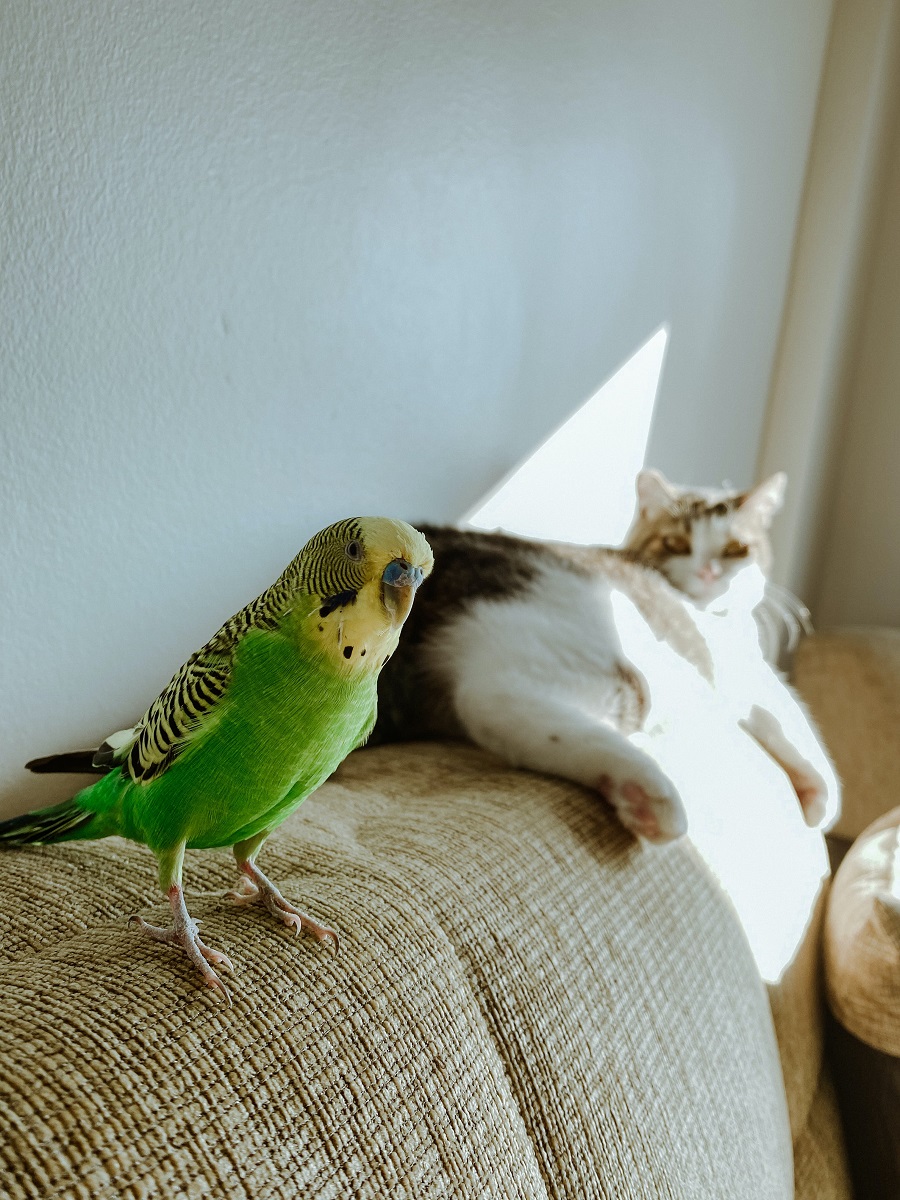
Other Pets: Perhaps one of the most contentious safety topics among parrot owners concerns interaction with other household pets, especially dogs and cats. Despite claims of "well-behaved" or "bird-friendly" dogs and cats, the inherent predator-prey dynamic between these species and parrots cannot be entirely negated. Even a playful swat from a cat or a curious sniff from a dog can have catastrophic consequences for a fragile parrot. Cat saliva, in particular, contains bacteria (e.g., Pasteurella multocida) that are highly pathogenic to birds; even a minor scratch can lead to a rapidly fatal infection if not treated immediately. Beyond direct physical harm, the mere presence of a perceived predator can induce chronic stress in a parrot, negatively impacting its immune system and overall well-being. The consensus among avian veterinarians and animal welfare organizations is clear: for a parrot’s absolute safety, complete physical separation from other companion animals is non-negotiable. Supervised interaction, while seemingly harmless, always carries an unacceptable level of risk.
Miscellaneous but Critical Safety Considerations
Several other important safety measures often fall outside the main categories but are equally vital for comprehensive parrot-proofing:
- Ceiling Fans: A running ceiling fan is an extreme hazard for free-flying birds, capable of causing devastating traumatic injuries or instant death. Always ensure fans are turned off before a parrot is allowed out of its cage.
- Heat Sources: Open flames from candles, fireplaces, or gas stoves, as well as hot surfaces like stove burners or space heaters, pose a significant burn risk. Never leave a parrot unattended near such heat sources.
- Cleaning Chemicals: Many household cleaning products contain harsh chemicals that are toxic if inhaled or ingested. When cleaning, use bird-safe alternatives or ensure the bird is in a completely separate, well-ventilated room until all fumes have dissipated.
- Human Food and Beverages: Hot drinks, alcohol, and certain human foods can cause burns, poisoning, or choking. Never allow a parrot access to these items.
- Visitors and Strangers: Educate guests on the importance of keeping doors closed, not offering food, and respecting the bird’s space. A parrot’s flight response can be unpredictable around unfamiliar people.
- Emergency Preparedness: Every parrot owner should have the contact information for an avian veterinarian readily available, understand basic parrot first aid, and ideally, have an emergency kit prepared. Prompt action can be life-saving in an accident.
- Supervision: Ultimately, constant and diligent supervision remains the most effective safety measure when a parrot is outside its cage. An owner’s watchful eye can prevent countless potential accidents.
In conclusion, responsible parrot ownership extends far beyond providing food and shelter; it encompasses creating an environment meticulously designed to prevent harm. The unique intelligence, exploratory instincts, and delicate physiology of parrots demand a level of vigilance and proactive safety planning that may exceed that required for other pets. By systematically addressing potential hazards related to electricity, air quality, ingestion, physical obstacles, cage integrity, and interactions with other household elements, owners can establish a secure sanctuary where their feathered companions can thrive. This commitment to continuous learning and unwavering attention to safety is the cornerstone of a long, healthy, and enriching life for both the parrot and its devoted human family.

