


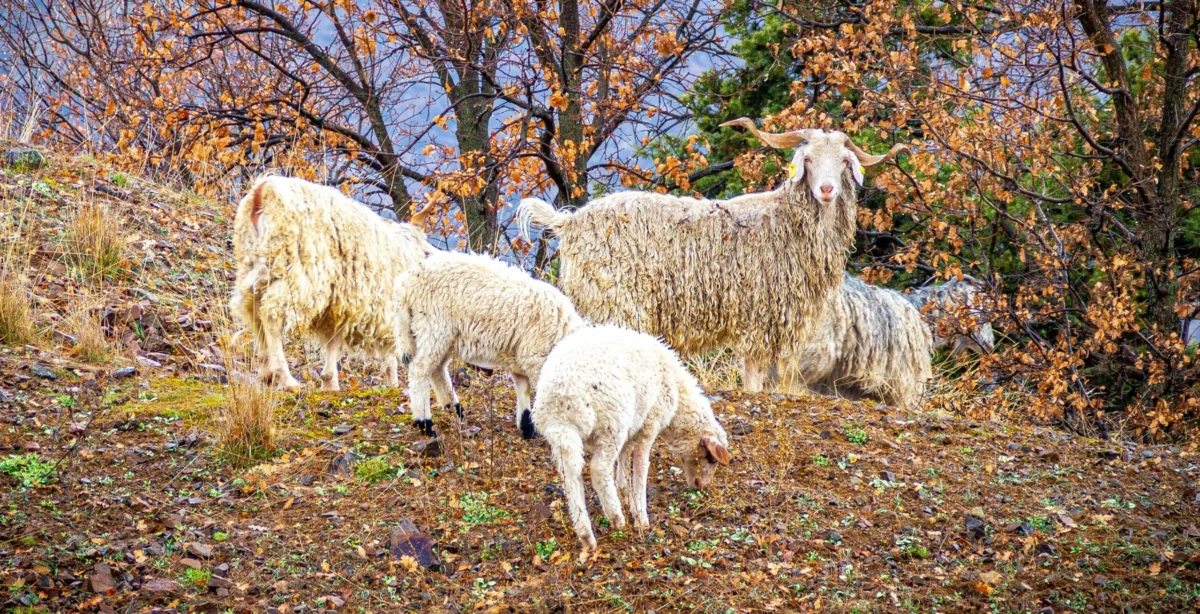
The global fashion landscape is undergoing a significant ethical transformation as major department stores and international retail conglomerates officially announce the cessation of mohair sales within their inventories. This movement, catalyzed by a series of undercover investigations and sustained advocacy from animal rights organizations, has recently seen the inclusion of retail giants Macy’s and TJX Companies—the parent organization of TJ Maxx, Marshalls, and HomeSense. These corporations join a growing list of hundreds of brands, including Zara, Gap, Banana Republic, and UNIQLO, that have committed to purging the luxury fiber from their supply chains. The decision follows the release of distressing evidence regarding the treatment of Angora goats in South Africa and Lesotho, regions that collectively produce the vast majority of the world’s mohair supply.
Mohair, a silk-like fabric or yarn made from the hair of the Angora goat, has long been prized in the textile industry for its high luster, durability, and insulating properties. However, the prestige associated with the fiber has been increasingly overshadowed by reports of systemic animal welfare violations. Investigative footage and reports have highlighted a stark contrast between the luxury status of the final product and the visceral conditions under which it is harvested. As consumers increasingly prioritize transparency and ethical sourcing, the retail sector is being forced to reconcile its procurement practices with modern humanitarian and environmental standards.
The Catalyst: Investigations in Southern Africa and Lesotho
The momentum for the current ban stems largely from a series of undercover investigations conducted by PETA (People for the Ethical Treatment of Animals) and its international affiliates. These investigations focused on the mohair industry in South Africa, which accounts for approximately 50 percent of the global mohair production, and the neighboring kingdom of Lesotho. Despite the existence of industry-led certifications, such as the "Responsible Mohair Standard" (RMS), investigators documented repeated instances of animal distress and physical trauma.
The findings revealed that Angora goats, which are known for their sensitive and gentle nature, were subjected to high-stress environments during the shearing process. Footage captured workers forcefully restraining goats, often pinning them down in ways that induced visible panic. Because shearers are frequently paid by the volume of hair collected rather than by the hour, the speed of the process often leads to significant injuries. The investigations documented goats with gaping wounds caused by shearing equipment; in many instances, these wounds were allegedly stitched together by workers without the administration of anesthesia or proper veterinary care.
Furthermore, the investigation scrutinized the "Responsible Mohair Standard," a certification intended to ensure that mohair comes from farms that practice sustainable land management and respect animal welfare. Critics and investigators pointed out that even on certified farms, the fundamental nature of mass shearing and the eventual disposal of the animals remained unchanged. The footage suggested that the "responsible" label failed to prevent the rough handling and psychological trauma inherent in large-scale commercial operations.
Biological Context and the Vulnerability of Angora Goats
To understand the ethical concerns surrounding mohair, it is necessary to examine the biological characteristics of the Angora goat. Unlike many other breeds of livestock, Angora goats lack significant layers of body fat. Their physiology makes them exceptionally vulnerable to temperature fluctuations. When their thick coats are removed during shearing, they lose their primary defense against the elements.
In the industry, shearing often takes place twice a year. If the timing coincides with unseasonal cold snaps or heavy rains, the newly shorn goats can succumb to hypothermia within hours. Historical reports from the South African mohair industry have noted instances where thousands of goats died in a single weekend following a cold front post-shearing. While industry guidelines suggest providing shelter or "coats" for the animals, investigators have frequently found these measures to be insufficient or non-existent in many commercial facilities.
Beyond the physical risks of shearing, the social nature of these animals adds a layer of ethical complexity. Angora goats are highly social creatures that form complex bonds within their herds. Mothers and kids are known to recognize each other’s vocalizations almost immediately after birth. In the commercial mohair industry, however, kids are often shorn for the first time as young as four months old. This process, which involves separation from the herd and forceful handling, is documented to be a source of immense terror for the young animals.
The Economic Life Cycle and the Slaughterhouse
A primary point of contention for animal welfare advocates is the truncated life expectancy of goats in the mohair industry. In a natural or sanctuary environment, an Angora goat can live for approximately ten years. However, in the commercial sector, their value is tied strictly to the quality and quantity of their hair. As goats age, their hair becomes coarser and loses the "kid mohair" quality that fetches the highest prices in the global market.
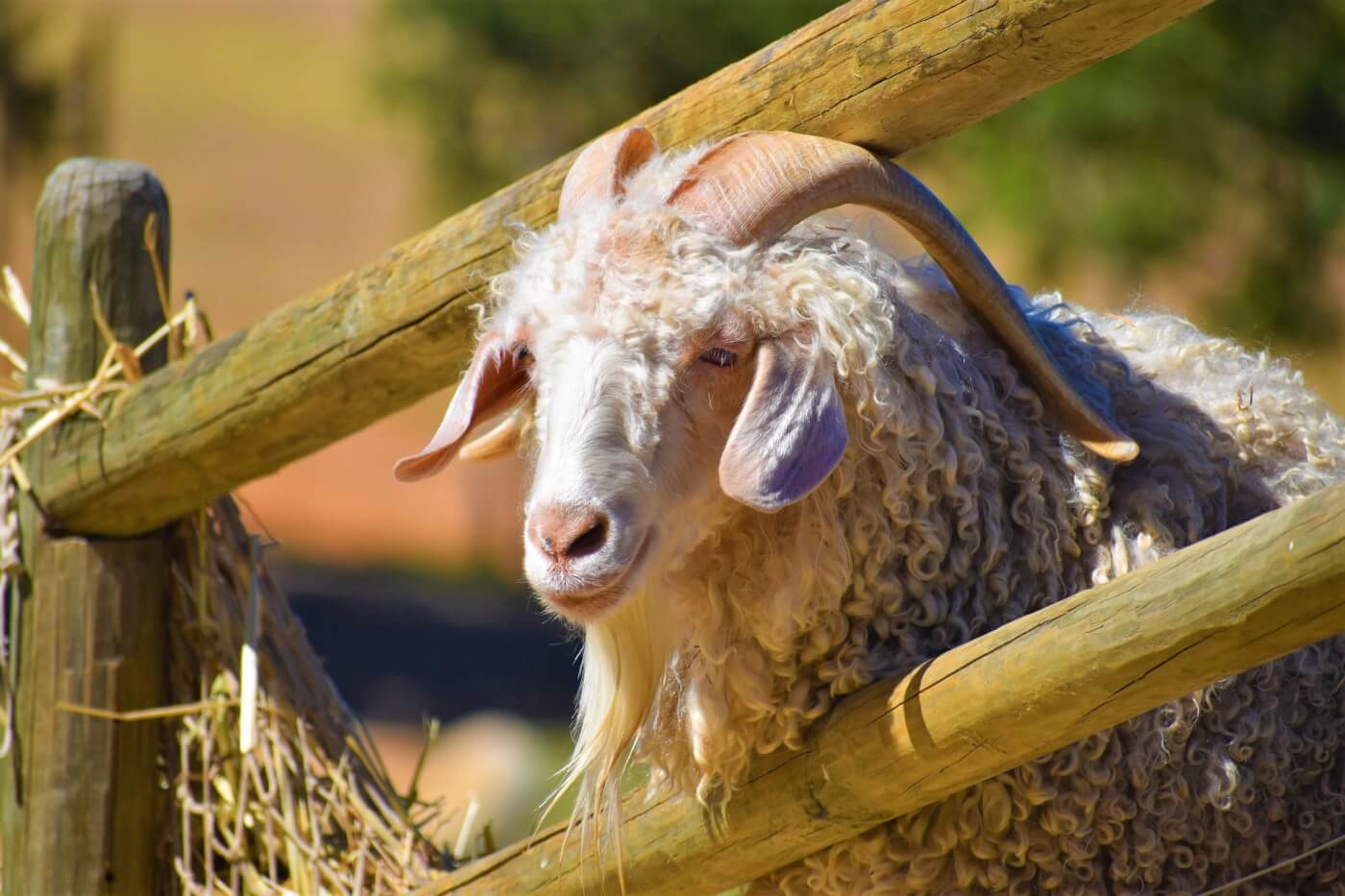
Once a goat’s hair quality declines, or they are no longer deemed reproductively viable, they are typically sold for slaughter. This often occurs well before they reach the midpoint of their natural lifespan. The transition from fiber producer to meat product involves long-distance transport to abattoirs, where investigators have documented goats having their throats slit while still conscious or improperly stunned. This "end-of-life" reality is a significant factor in why many retailers have concluded that there is no truly "humane" way to produce mohair on a commercial scale.
Corporate Responses and the Shift in Global Retail
The decision by Macy’s and TJX Companies to ban mohair is part of a broader "domino effect" that has swept through the fashion industry over the last five years. The timeline of this shift began in earnest around 2018, following the initial wave of exposés.
- 2018–2019: Initial wave of bans. Major high-street brands like H&M, Zara (Inditex Group), and Gap Inc. announced they would phase out mohair. These companies cited the inability to guarantee animal welfare across their vast supply chains as the primary driver for the decision.
- 2020–2022: The ban expanded into the luxury and mid-tier sectors. Brands like Ralph Lauren, Burberry, and Valentino joined the movement, signaling that mohair was no longer considered a "prestige" material if it carried the baggage of animal cruelty.
- 2024–2026: Consolidation of the ban. Large-scale department stores, which act as gatekeepers for thousands of third-party brands, began implementing blanket policies. By banning mohair, Macy’s and TJX are effectively forcing the brands they carry to find alternative materials if they wish to remain on the shelves of these retail giants.
Official statements from these corporations generally emphasize a commitment to "Environmental, Social, and Governance" (ESG) goals. While companies rarely provide detailed accounts of the specific footage that prompted their move, their spokespeople often cite a "commitment to evolving sourcing standards" and "responding to consumer demand for cruelty-free products."
Economic Impact on Producing Nations
The mass exit of global retailers from the mohair market has significant economic implications, particularly for South Africa. The Eastern Cape province is the heart of the world’s mohair production, providing livelihoods for thousands of farmers, shearers, and processing plant workers.
The South African mohair industry has attempted to counter the bans by strengthening the Responsible Mohair Standard and launching marketing campaigns to highlight the "natural and renewable" aspects of the fiber. Industry leaders argue that a total ban hurts the very people—and animals—it seeks to protect by removing the economic incentive for high-standard farming. However, the momentum of the retail bans suggests that for many global brands, the reputational risk of being associated with mohair outweighs the benefits of the fiber.
The Rise of Alternatives and the Future of Textiles
As mohair disappears from the racks, the textile industry is pivoting toward innovative alternatives. These include:
- Synthetic Microfibers: While controversial due to plastic shedding, high-quality recycled polyesters can mimic the loft and warmth of mohair.
- Plant-Based Fibers: Innovations in Tencel (wood pulp), hemp, and organic cotton are being utilized to create soft, brushed textures that serve as vegan alternatives to animal hair.
- Lab-Grown and Bio-Engineered Materials: The emerging field of cellular agriculture is exploring ways to "grow" keratin-based fibers in a laboratory setting, potentially offering the physical properties of mohair without the need for animal husbandry.
The shift away from mohair is increasingly viewed by industry analysts not as an isolated incident, but as a precursor to similar movements regarding other animal-derived materials, such as cashmere and alpaca wool. The common thread is a move toward a "circular economy" where the welfare of sentient beings and the health of the planet are integrated into the cost of production.
Conclusion and Broader Implications
The decision by Macy’s, TJX, and their contemporaries to say "baa-bye" to mohair represents a landmark victory for animal welfare advocacy and a clear signal of changing consumer values. It highlights a world where the "true cost" of a garment is measured in more than just currency. As the fashion industry continues to grapple with its ethical footprint, the transition away from mohair serves as a case study in how investigative journalism, public pressure, and corporate responsibility can converge to reshape global trade.
For the Angora goats of Lesotho and South Africa, the implications are profound. While the economic transition for farmers will be challenging, the reduction in global demand for mohair points toward a future where fewer animals are subjected to the rigors of industrial shearing and the eventualities of the slaughterhouse. The message from the world’s largest retailers is now loud and clear: the only hair appropriate for modern fashion is that which is given willingly, or not taken from an animal at all.

