


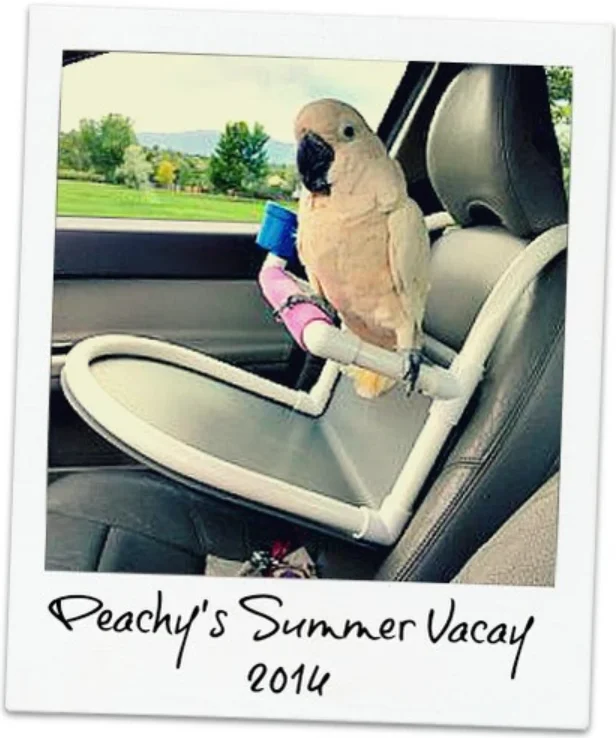
The increasing trend of pet ownership in modern society has extended beyond traditional cats and dogs, with a significant rise in individuals choosing to travel with their exotic companions, particularly birds. For thousands of parrot enthusiasts, the question of whether "traveling with a bird" is not only safe but also enjoyable for their feathered friend is becoming increasingly relevant. This guide provides an in-depth exploration of how to undertake car trips with parrots, ensuring both safety and minimal stress, delving into preparation, packing essentials, calming strategies, and critical considerations for when it is best to leave a bird at home.
The Growing Trend of Avian Travel and Its Unique Challenges
While the idea of vacationing with a pet bird might seem daunting, it represents a profound bonding opportunity for many owners. Parrots, inherently social and flock-oriented creatures, often derive a sense of security from being in the immediate presence of their human companions. This inherent desire for companionship can often outweigh the anxieties associated with new environments, making car travel a preferable alternative to separation or unfamiliar boarding facilities for many birds. However, this preference is contingent upon meticulous preparation and a deep understanding of avian physiology and psychology.
According to a 2021 survey by the American Pet Products Association (APPA), pet travel has seen a consistent increase, with a growing segment of pet owners considering their animals full-fledged family members who accompany them on vacations. While specific data for avian travel remains less documented compared to canine and feline companions, anecdotal evidence from avian veterinarians and specialized pet product manufacturers indicates a significant uptick in inquiries and product development geared towards birds on the move. The primary challenge lies in mitigating the inherent stress factors associated with unfamiliar stimuli—new sounds, vibrations, restricted movement, and altered routines—which can trigger anxiety in these highly sensitive animals.
Assessing Readiness: Is Your Parrot Prepared for the Journey?
Embarking on a road trip with a parrot is not a spontaneous decision but rather the culmination of careful observation and preparatory training. The foundational principle is gradual acclimatization. Start with short, controlled exposures to the travel environment. This involves familiarizing the bird with its travel carrier within the home, then introducing the carrier to the car with the engine off, and finally, undertaking brief drives around the neighborhood. Throughout this process, vigilant observation of the bird’s body language is paramount to gauge its comfort levels and identify any nascent signs of stress.
An at-home readiness checklist can help owners assess their bird’s suitability for travel:
- Does your bird exhibit comfort and calm within a travel carrier?
- Can your bird adapt to new environments without displaying panic or extreme distress?
- Does your bird maintain normal eating and playing behaviors when away from its primary home environment?
- Has your bird had previous positive experiences with car rides?
A preponderance of "yes" answers suggests a bird is likely a good candidate for travel. Conversely, multiple "no" responses indicate a need for more intensive training and exposure before attempting any significant journey. Behavioral conditioning, leveraging positive reinforcement and desensitization techniques, can significantly enhance a bird’s resilience to travel-related stressors.
Understanding and Mitigating Travel Stress in Birds
Despite their social nature, birds are creatures of habit and routine. Disruptions to their familiar surroundings can easily precipitate anxiety. Avian veterinarians universally acknowledge that travel can be a significant stressor. Key indicators of stress in parrots include:
- Panting or heavy breathing: Especially when not physically exerting themselves or in a hot environment.
- Feather fluffing or ruffling: Beyond normal preening, this can indicate discomfort or illness.
- Aggression or biting: Uncharacteristic displays of aggression towards owners or objects.
- Refusal to eat or drink: A critical sign requiring immediate attention.
- Excessive vocalization or silence: Drastic changes in normal communication patterns.
- Pacing or repetitive behaviors: Indicative of confined anxiety.
- Stress bars on feathers: While these develop over time, they are a retrospective sign of past stress.
Should any of these signs manifest during travel, immediate action is required, often necessitating a stop to assess and alleviate the bird’s distress. In emergency scenarios, such as wildfire evacuations or natural disasters, where gradual acclimatization is impossible, the focus shifts to providing maximum comfort and security within the constraints of the situation. Resources detailing emergency evacuation protocols for parrots are invaluable in such unforeseen circumstances.
However, a compelling argument for avian travel lies in the concept of "flock security." For many parrots, remaining with their human flock during travel is less stressful than being left with unfamiliar pet sitters or in a new boarding facility. The consistent presence of their primary caregivers can significantly reduce separation anxiety and the stress associated with novel caregivers, sights, and smells. The crucial differentiator between a stressful experience and a positive one is adequate preparation and the creation of positive associations with the travel process.
To further support a bird’s emotional well-being, especially for those prone to anxiety, specialized calming products can be beneficial. These often include natural supplements, pheromone sprays, or avian-specific mists designed to soothe and hydrate. Consulting with an avian veterinarian before administering any calming product is essential to ensure suitability for the bird’s species and overall health.
The Logistics of Avian Transport: Carriers and Training
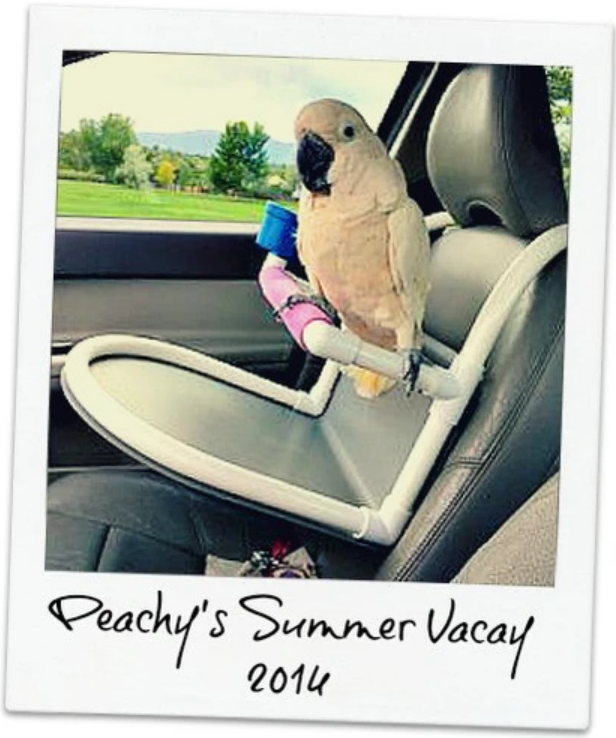
The cornerstone of safe car travel for birds is the appropriate selection and securement of a travel carrier. A well-ventilated carrier, such as those made of clear-sided acrylic or specialized backpack designs like the Pak’o’Bird, offers the best balance of safety, visibility, and airflow. These carriers are designed to provide a secure, contained environment, which is vital for a bird’s sense of security during transit. While some highly confident, harness-trained parrots may tolerate a bird car seat, a secure travel carrier should always be available as a primary or backup option.
Key features of an ideal bird travel carrier include:
- Adequate Ventilation: Essential to prevent overheating and ensure fresh air circulation.
- Appropriate Size: Large enough for the bird to stand, turn around, and perch comfortably, but not so large that it allows excessive movement during braking or turns.
- Secure Latches: To prevent accidental escapes.
- Durable, Non-Toxic Materials: Ensuring the carrier can withstand travel rigors and is safe for the bird to chew on.
- Stable Perching: A textured perch that provides good grip and minimizes foot strain.
- Easy to Clean: Essential for maintaining hygiene during longer trips.
- Food and Water Access: Securely attached, spill-proof dishes.
Carrier training must commence weeks, if not months, before a planned trip. This involves a systematic approach:
- Initial Introduction: Place the carrier in a familiar, safe area of the home. Leave the door open and entice the bird to explore it with favorite treats and toys, fostering positive associations.
- Gradual Confinement: Once the bird willingly enters the carrier, begin closing the door for very short periods, gradually extending the duration.
- Vehicle Acclimatization: Introduce the secured carrier into the car. Initially, with the engine off, then with the engine running but stationary.
- Short Drives: Progress to brief drives around the block, observing the bird’s reaction and rewarding calm behavior. This methodical approach prevents panic and minimizes motion-related distress.
Preventing Motion Sickness and Ensuring Comfort
Birds, much like humans and other pets, can experience motion sickness. To counteract this, ensuring the carrier is level and securely stabilized in the back seat is crucial. Avoid positioning it on a slanted surface or allowing it to swing freely, which can induce disorientation. Remove any dangling or unpredictable toys that might exacerbate motion sickness; instead, offer a stationary comfort item, such as a shreddable block or a soft chew, to provide mental stimulation without causing instability. A light misting with an avian-safe aloe vera spray can also help soothe dry skin, a common issue in climate-controlled car environments or during altitude changes.

Determining Travel Distance and Strategic Break Planning
There is no universal mileage limit for avian car travel; rather, the appropriate duration is dictated by the individual bird’s experience and temperament. For birds new to car travel, initial trips should be limited to under two hours. More seasoned travelers may tolerate four to six-hour stretches, provided careful planning for breaks and continuous monitoring for fatigue or stress. Experiences from emergency evacuations, such as those during wildfires, underscore the critical importance of pre-planning and practice, as unforeseen circumstances often demand rapid, sustained travel.
Strategic break planning is vital for maintaining a bird’s well-being on longer journeys. Every 90 to 120 minutes, pull over at a quiet, secure location. Only open the carrier door when the vehicle is turned off, and the environment is calm. Offer fresh water and a familiar, preferred snack. Familiarity in food and drink significantly reduces stress. These breaks are also crucial opportunities to assess the bird’s comfort level: Is it panting, excessively fluffed, or displaying other signs of distress? This allows for immediate intervention or adjustment to the travel plan. For harness-trained birds, a supervised 5-10 minute stretch outside the carrier, always with the harness securely attached, can provide invaluable physical and mental relief.
Environmental Control: Temperature and Sun Safety
Maintaining an optimal internal environment within the vehicle is non-negotiable. Birds are highly susceptible to temperature extremes. Temperatures exceeding 85°F (29°C) can rapidly lead to heatstroke, characterized by panting, wing-spreading, and lethargy, potentially fatal within minutes. Conversely, temperatures below 45°F (7°C) can induce hypothermia, causing shivering, fluffed feathers, and a weakened state. Owners must ensure the carrier is never in direct sunlight, utilizing window shades or towels if necessary, and maintain a consistent, comfortable temperature within the vehicle using climate control. Adequate ventilation, without creating drafts, is also paramount.
Comprehensive Trip Planning: Beyond the Drive
Successful avian travel extends far beyond the journey itself. Meticulous planning encompasses pre-trip health checks, accommodation logistics, and a comprehensive packing strategy.
1. Veterinary Wellness Check and Grooming: Approximately one week before travel, schedule a visit to an avian veterinarian. This ensures the bird is in peak health for travel, allowing for necessary nail and wing trims (if concerns about escape exist), and provides an opportunity to discuss the suitability of mild calming supplements. A health certificate may also be required for certain destinations or modes of travel.
2. Bird-Friendly Accommodations: The term "pet-friendly" does not automatically imply "parrot-friendly." Many hotels have specific restrictions regarding birds due to potential noise, dander, or allergy concerns. Always call ahead to confirm their avian policies, inquire about quiet rooms, late check-in options, and whether cage covers are permitted. Alternatives like RV parks, cabins, or private rentals (e.g., Airbnb/Vrbo with explicit host permission) may offer more flexibility. Upon arrival, set up the bird’s temporary cage in a quiet corner of the room, away from air conditioning vents, televisions, and direct sunlight, preferably with a waterproof mat underneath for easy cleaning.
3. The Essential Bird Travel Kit: A well-stocked travel kit is critical for any avian adventure. This should include:

- Food and Water: Sufficient supply of the bird’s familiar diet, emergency rations, portable food/water dishes, and bottled water to avoid digestive upset from unfamiliar tap water.
- Medical & First Aid: A basic avian first aid kit (styptic powder, antiseptic wipes, sterile bandages, tweezers), any prescribed medications, and copies of veterinary records.
- Comfort & Enrichment: Favorite toys, a familiar cage cover, a comfortable perch, and a play stand for hotel use.
- Cleaning Supplies: Bird-safe wipes, waste bags, and a small spray bottle with avian disinfectant.
- Identification & Documentation: Bird ID tags (leg bands), microchip information, health certificate, emergency contact information, and photos of your bird.
Bonus: Harness Training for Enhanced Freedom and Safety
Harness training offers a transformative element to avian travel, significantly expanding opportunities for exercise, mental stimulation, and safe exploration during breaks. A harnessed parrot can stretch its wings in a secure outdoor environment, accompany its owner on short walks, or simply enjoy a change of scenery outside the carrier. This enrichment is crucial for mitigating travel-related stress, providing physical activity, and reinforcing the bond between bird and owner.
Consistent practice with the harness long before the trip is essential. During stops, even 5-10 minutes outside the carrier can profoundly benefit the bird’s well-being. Always ensure the location is secure and free from predators, and that the bird has a recall cue if trained. ID tags on the harness or carrier are an additional layer of safety.
When Not to Travel: Prioritizing Avian Welfare
Despite the benefits and preparation, there are critical instances when traveling with a bird is simply not advisable. Prioritizing the bird’s welfare above convenience is paramount.
- Health Concerns: If a bird is ill, undergoing a heavy molt, or experiencing significant hormonal mood swings, the added stress of travel can exacerbate its condition.
- Lack of Training: Attempting a trip without adequate carrier or harness training will inevitably lead to a highly stressful, potentially traumatic experience for the bird and the owner.
- Weather Extremes: Traveling when outdoor temperatures are consistently above 85°F (29°C) or below 45°F (7°C) poses severe risks of heatstroke or hypothermia, respectively. These conditions can be life-threatening, even with climate control in the car.
In such scenarios, alternative arrangements, such as a trusted avian pet sitter or a reputable avian boarding facility, should be considered.
Conclusion: Travel Smart, Travel Safe, Travel Together
The ability to travel safely and comfortably with a feathered companion represents a significant evolution in pet ownership. By understanding the unique physiological and psychological needs of parrots, owners can transform potentially stressful journeys into enriching, bonding experiences. Meticulous preparation, including veterinary consultations, gradual carrier training, and strategic break planning, are the pillars of responsible avian travel. The availability of specialized products, such as secure travel carriers and vet-trusted calming formulas, further empowers owners to prioritize their bird’s well-being.
When birds feel secure, seen, and supported by their human flock, they are far more likely to embrace the adventure, cherishing the journey as much as the destination. The growing market for pet-friendly travel solutions, combined with increased awareness of exotic pet welfare, reflects a broader societal trend towards deeper integration of all pets into family life. For those committed to providing a safe and positive experience, traveling with a bird can indeed be one of the most rewarding aspects of shared companionship.

