


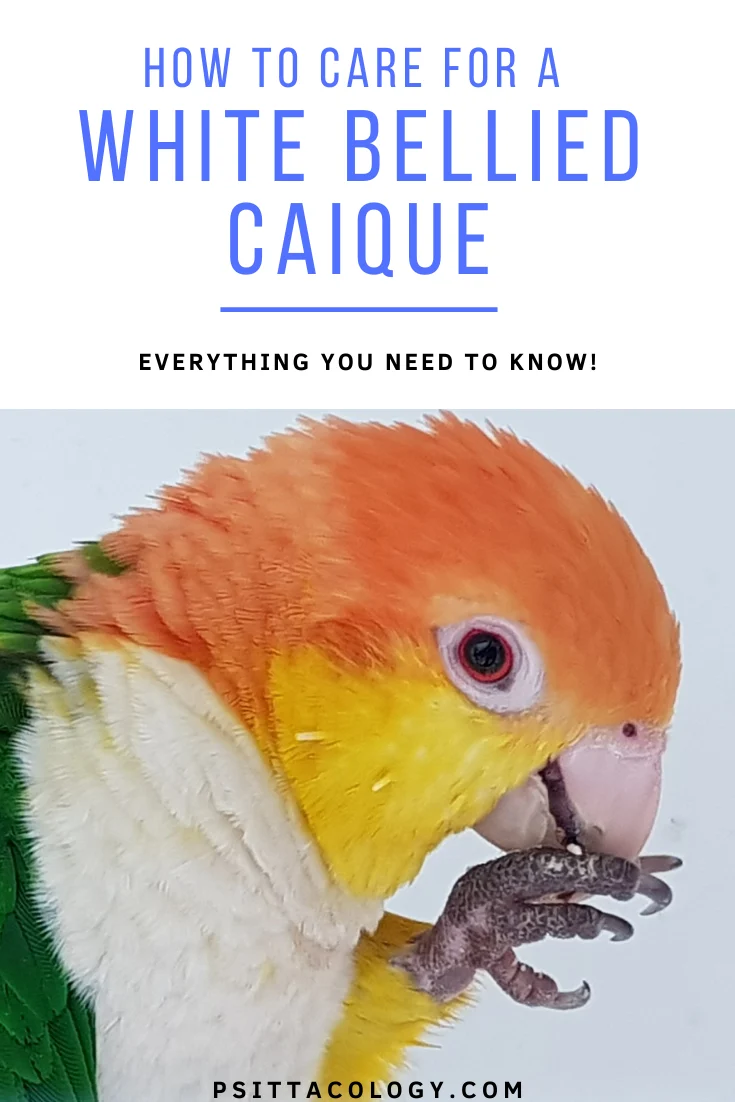
Considering the addition of a white-bellied caique (scientific names: Pionites leucogaster, Pionites xanthomerius, Pionites xanthurus) to a household is a significant decision that necessitates a thorough understanding of these vibrant South American parrots. Renowned for their enormous personalities and often demanding nature, prospective owners must be fully prepared for the extensive commitment involved in their care. This article provides an in-depth exploration of white-bellied caique care, diet, personality, habitat, and broader implications for responsible ownership.
Species Profile and Taxonomy
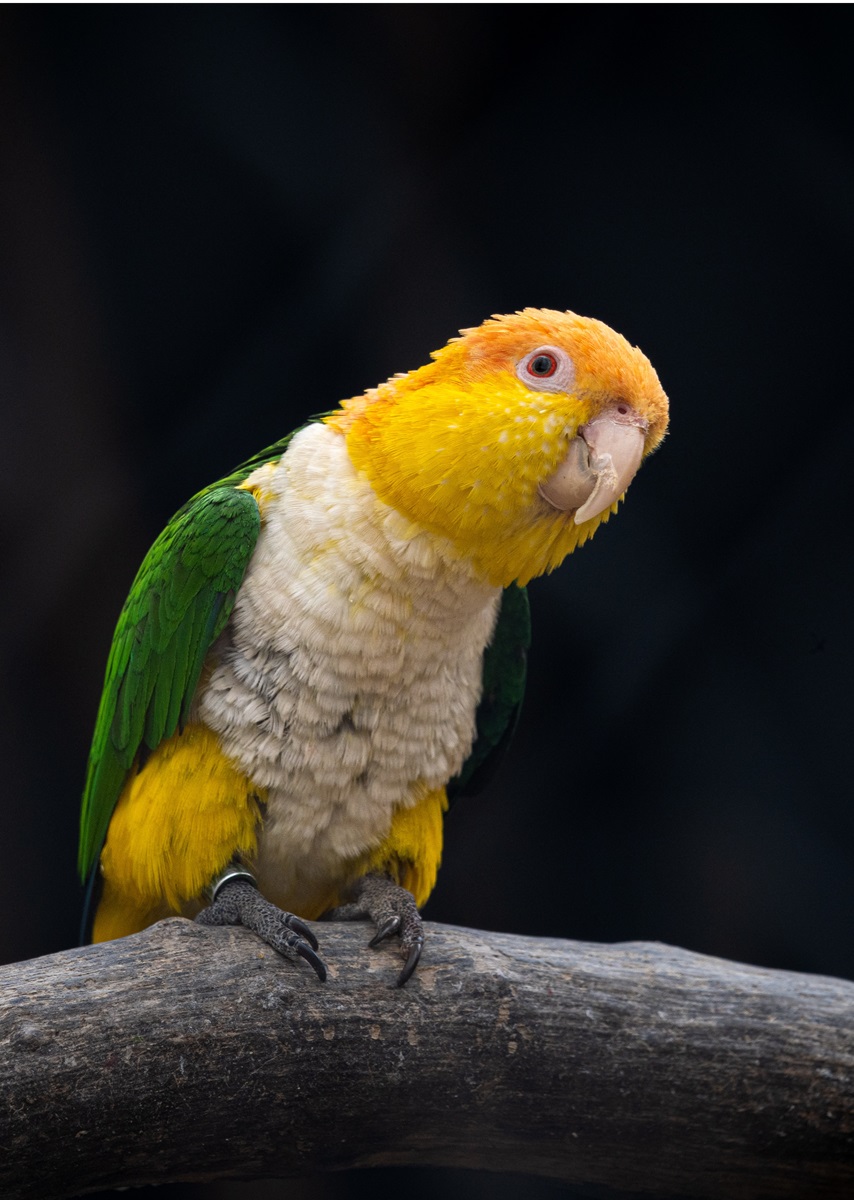
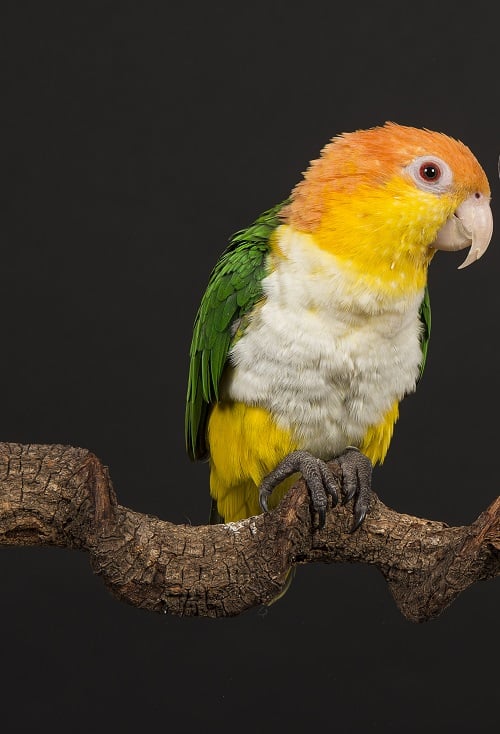
The white-bellied caique is a visually striking parrot, characterized by its compact and stocky build. Typically reaching an adult size of approximately 23 cm (9 inches) and weighing up to 170 grams, they possess a distinctively short tail. Their plumage is a vibrant palette: white to cream-colored chests and bellies, yellow cheeks, an orange head, and green wings and back. The beak is typically beige. A notable feature shared across all subspecies is their unusual reddish eyes, encircled by a bare eye-ring. Sexual dimorphism is not visually apparent in caiques, making DNA testing the definitive method for sex determination.
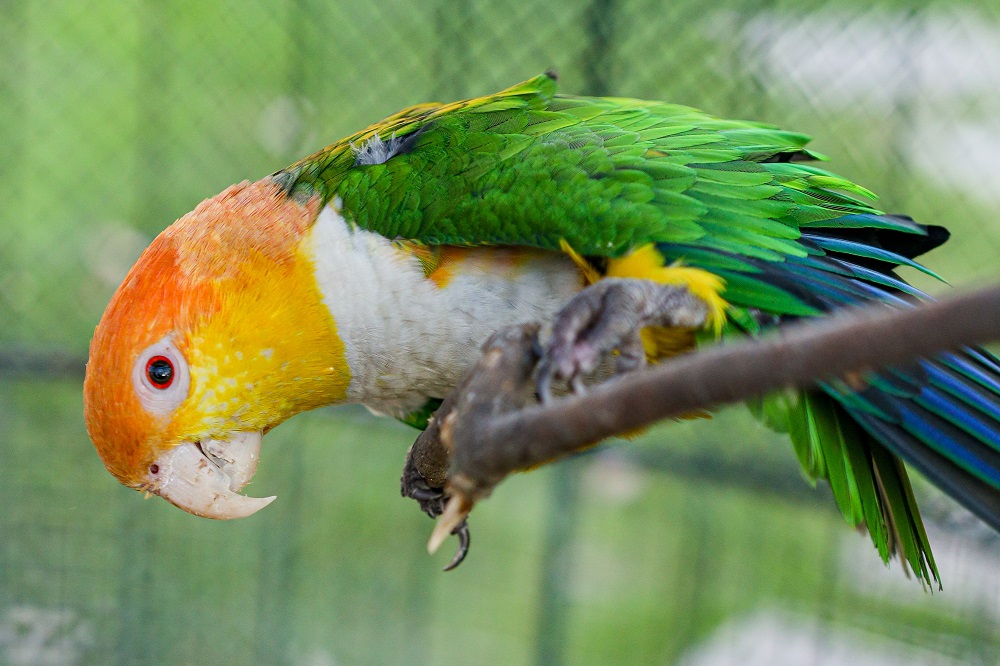
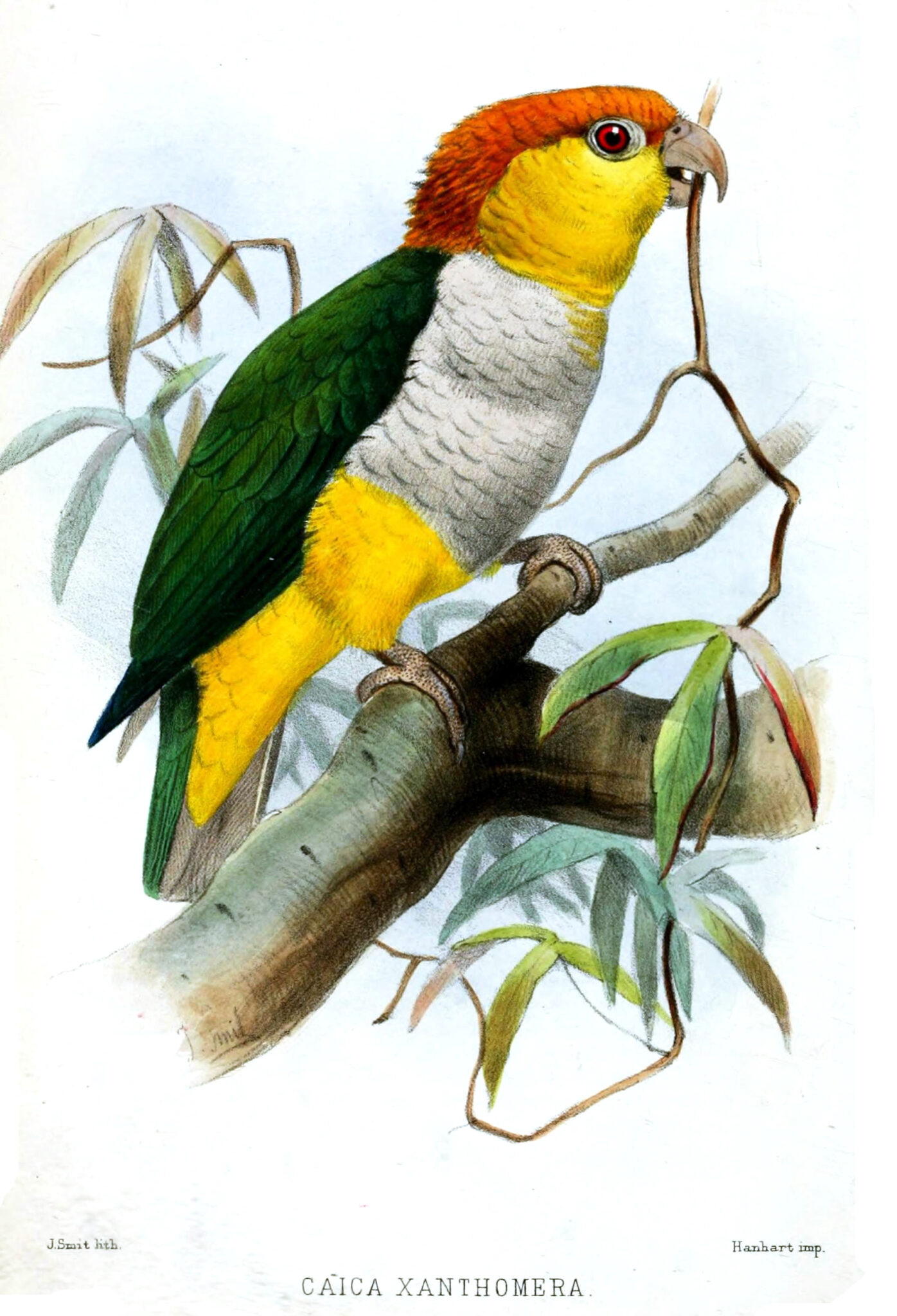
Taxonomic classification within the Pionites genus has been a subject of ongoing scientific discussion. Historically, the genus comprised two species: the white-bellied caique (P. leucogaster) and the black-capped caique (P. melanocephalus). Under this traditional framework, P. leucogaster was further divided into three subspecies: P. l. leucogaster (green-thighed caique), P. l. xanthomerius (yellow-thighed caique), and P. l. xanthurus (yellow-tailed caique), with color variations in their thighs and tail feathers distinguishing them. However, contemporary sources, including authoritative platforms like Birds of the World, increasingly advocate for the elevation of P. l. xanthurus and P. l. xanthomerius to full species status, citing distinct color patterns as a primary differentiator. This reclassification underscores the complex evolutionary relationships within the genus and has potential implications for conservation strategies and captive breeding programs, though a definitive scientific consensus remains elusive.
Natural Habitat and Conservation Status
White-bellied caiques are indigenous to the lush rainforest canopies of the Amazon basin in South America. Their geographic range primarily encompasses Brazil, with populations also found in Bolivia, Peru, Ecuador, and other neighboring countries. In their natural environment, these social parrots typically inhabit tropical forest canopies, utilizing hollow trees for nesting. Observations indicate that they commonly form cohesive groups of up to ten individuals, reflecting their inherent social needs.
Alarmingly, a significant portion of white-bellied caique populations is classified as endangered by the International Union for Conservation of Nature (IUCN). The primary driver behind this precarious status is extensive habitat loss, predominantly stemming from the relentless deforestation of the Amazon rainforest. Agricultural expansion, logging, and infrastructure development continue to fragment and degrade their crucial forest ecosystems. Conservation efforts are focused on protecting remaining forest tracts, combating illegal logging, and promoting sustainable land-use practices. The implications of their endangered status extend to the pet trade, emphasizing the critical importance of sourcing captive-bred birds from reputable breeders to avoid inadvertently supporting illegal wildlife trafficking.

Dietary Needs: From Wild Foraging to Domestic Care
Understanding the wild diet of white-bellied caiques provides crucial insights into their nutritional requirements in captivity. A 2014 study by Lee et al. observed 190 wild caiques feeding on an astonishing 44 different plant species. Their diet varied seasonally but predominantly consisted of seeds, including fruit seeds, and a wide array of fruits, many consumed unripe. Flowers and flower buds were also significant components, and another study highlighted their role as important pollinators through the consumption of pollen and nectar. Occasional dietary inclusions observed were leaves, bark, ants, and visits to clay licks, likely for essential micronutrients.
Replicating this diverse natural diet in a domestic setting is challenging, necessitating a carefully constructed nutritional plan. A common pitfall for inexperienced parrot owners is an exclusive reliance on seed mixes. These are often excessively fatty and deficient in the necessary macronutrients and micronutrients for a caique’s long-term health, leading to obesity and various health complications. Similarly, while caiques are fruit enthusiasts in the wild, an overly fruit-heavy domestic diet can be problematic. Cultivated fruits for human consumption are typically much higher in sugars than their wild counterparts, and domestic caiques rarely consume them unripe, leading to potential sugar overload.
A balanced domestic diet for a white-bellied caique should primarily consist of high-quality pelleted food, which provides a comprehensive nutritional foundation. This should be supplemented daily with a variety of fresh vegetables, offering essential vitamins and minerals without excessive sugar. Limited quantities of parrot-safe fruits can be offered as treats. Additionally, a small amount of sprouted seeds or grains can be provided for variety and nutritional boost. Very fatty or sugary items, such as nuts and dried fruits, should be reserved for infrequent training rewards or special treats. Fresh water must always be available from multiple sources, and a calcium block is vital for bone health and proper physiological function. Avian veterinarians consistently advise that a diverse, pellet-based diet supplemented with fresh produce is paramount for preventing nutritional deficiencies and promoting longevity.

The Caique Personality: Playful Clowns with a Challenging Side
The temperament of white-bellied caiques truly distinguishes them within the parrot world. While all parrots are intelligent and playful, caiques are often lauded as the "clowns of the parrot world," a title they earn through their boundless energy, acrobatic antics, and often mischievous behavior. They are known for their enthusiastic dancing, rolling on their backs, and engaging in playful wrestling.
Caiques are capable of forming incredibly strong bonds with their human companions. However, this deep attachment can also manifest in challenges, particularly as they mature through puberty. Like many parrot species, they can exhibit a tendency to bond intensely with one individual, potentially becoming possessive and aggressive towards others in the household. Instances of nipping and even biting, sometimes described by owners as "demon-possessed" during breeding season or seemingly without provocation, are not uncommon. Managing these behaviors requires immense patience, consistent positive reinforcement training, and a clear understanding of parrot body language. Owners must be prepared for the possibility of these behavioral shifts and actively engage in socialization to mitigate aggression.
Due to their highly social nature, a well-socialized caique thrives on extensive interaction with its owner, requiring several hours of dedicated attention daily. For individuals unable to provide this level of engagement, acquiring a pair of caiques may be a more suitable option, though care must be taken to ensure both birds receive individual attention to maintain their bond with humans. It is crucial to note that caiques are inherently territorial and should not be housed with other bird species, as their assertive nature can lead to aggressive confrontations over space or resources.
Their high energy levels and inquisitive minds mean caiques are prone to destructive behaviors. Chewing, throwing objects, and general mayhem are typical activities. Prospective owners must accept that property damage, whether from chewing or playful tossing, is an inevitable part of living with a caique. Proper training is essential to redirect unwanted behaviors and establish boundaries, but even with diligent effort, their innate drive for exploration and interaction will lead to occasional disruptions. Ultimately, a caique is best suited for individuals who embrace an "extra dash of crazy" in their pet and are prepared for a lively, demanding, but incredibly rewarding companion.
Creating an Optimal Environment: Housing and Enrichment
Given their energetic disposition, white-bellied caiques require substantial living space. Even with ample out-of-cage time, a spacious enclosure is paramount for their well-being. The cage must be robustly constructed, ideally with a durable metal like stainless steel, and feature secure locking mechanisms, as their intelligence often allows them to manipulate simpler latches. Caiques are avid chewers, so cage bars should be resistant, and a constant supply of safe, destructible toys is essential to satisfy this natural urge.
Beyond toys, the cage setup should include multiple natural perches of varying diameters and textures to promote foot health and prevent pressure sores. Food and water bowls should be easily accessible and kept meticulously clean. A bird bath or a designated area for regular misting is also beneficial for feather health and hygiene.

Daily out-of-cage time, ideally several hours, is non-negotiable for a caique’s physical and mental health. To facilitate this, a dedicated "parrot playground" outside the cage is highly recommended. This structure, often crafted from natural wood, provides additional opportunities for climbing, chewing, and play, keeping the bird engaged and preventing boredom. Any room a caique accesses must be thoroughly parrot-proofed. Their innate curiosity and destructive tendencies mean they will explore and potentially damage anything within reach, and they can inadvertently put themselves in dangerous situations. Owners must also be vigilant about avoiding scented products, aerosols, or items that emit fumes, as these can be highly toxic to avian respiratory systems.
Vocalizations and Communication
Compared to some of the louder parrot species, white-bellied caiques are generally considered to have a moderate noise level. This does not, however, equate to silence. As with all parrots, they possess the capacity for significant vocalizations. Their typical repertoire includes a variety of whistles, beeps, and soft squawks, which are usually maintained at an acceptable volume for most of the day. However, they are also capable of emitting piercing, shrill screams, particularly when seeking attention, expressing alarm, or attempting to locate flock members in a large space, mimicking their wild behavior of communicating across forest canopies.
For individuals residing in apartments or shared living spaces, caiques might be a more manageable option than larger, louder parrots. Nonetheless, prospective owners must recognize that adding any parrot to the family inevitably means sacrificing periods of quiet solitude.
Regarding speech capabilities, caiques are not renowned as prolific talkers. While some individuals may develop a limited vocabulary, they generally cannot compete with champion talking species like African Greys or Amazon parrots. However, their intelligence makes them excellent candidates for vocalization training focused on whistles and tunes. Teaching a caique a short, distinct whistle or melody through consistent repetition and positive reinforcement can be a rewarding experience, enhancing the bond between bird and owner and providing a stimulating activity for the bird.
Health and Wellness: Proactive Care for a Long Life
The prospect of medical emergencies is an important consideration for any pet owner, particularly with an active and curious species like the caique. Before acquiring a caique, owners must establish a relationship with an experienced avian veterinarian and have their contact information readily available. Recognizing common symptoms of illness – such as changes in appetite, lethargy, ruffled feathers, discharge, or unusual droppings – is crucial for early intervention.
Caiques are susceptible to specific health concerns. Polyomavirus, a viral disease that can cause severe organ issues, is particularly dangerous for young birds and can be fatal. Vaccination against polyomavirus is highly recommended and should be discussed with an avian vet. Other potential health issues include psittacosis (Chlamydiosis), avian polyomavirus, PBFD (Psittacine Beak and Feather Disease), and various nutritional deficiencies if their diet is not properly managed. Behavioral issues, such as feather plucking or self-mutilation, can also arise from stress, boredom, or inadequate enrichment, often requiring veterinary and behavioral intervention. Proactive care, including regular veterinary check-ups, a balanced diet, a stimulating environment, and vigilant observation, is essential for ensuring a caique’s long-term health and well-being. With proper care, these parrots can live for over 40 years, underscoring the profound, multi-decade commitment required from their owners.
Considerations for Prospective Owners
The decision to welcome a white-bellied caique into one’s home is not to be taken lightly. Their impressive lifespan of over 40 years demands a lifelong commitment. Their complex personalities, characterized by both immense charm and challenging behaviors, make them unsuitable for novice parrot keepers. While they are incredibly intelligent and capable of deep bonds, their potential for aggression, high energy, and need for constant mental stimulation require experienced handling and dedicated training.
Financially, the cost of ownership extends far beyond the initial purchase price. Significant investments are required for a large, sturdy cage, a continuous supply of diverse toys, high-quality pelleted food, fresh produce, and regular veterinary care, including emergency funds. The emotional and time commitment is equally substantial, with several hours of daily interaction and supervision necessary to prevent behavioral problems.
However, for those prepared for the challenges, the rewards of sharing a life with a white-bellied caique are immeasurable. Their playful antics, vibrant personalities, and unwavering companionship can bring immense joy and a unique dynamic to a household. Experienced parrot owners who are willing to invest the time, effort, and patience required will find a loyal, engaging, and endlessly entertaining companion in these captivating "clowns of the parrot world."

