


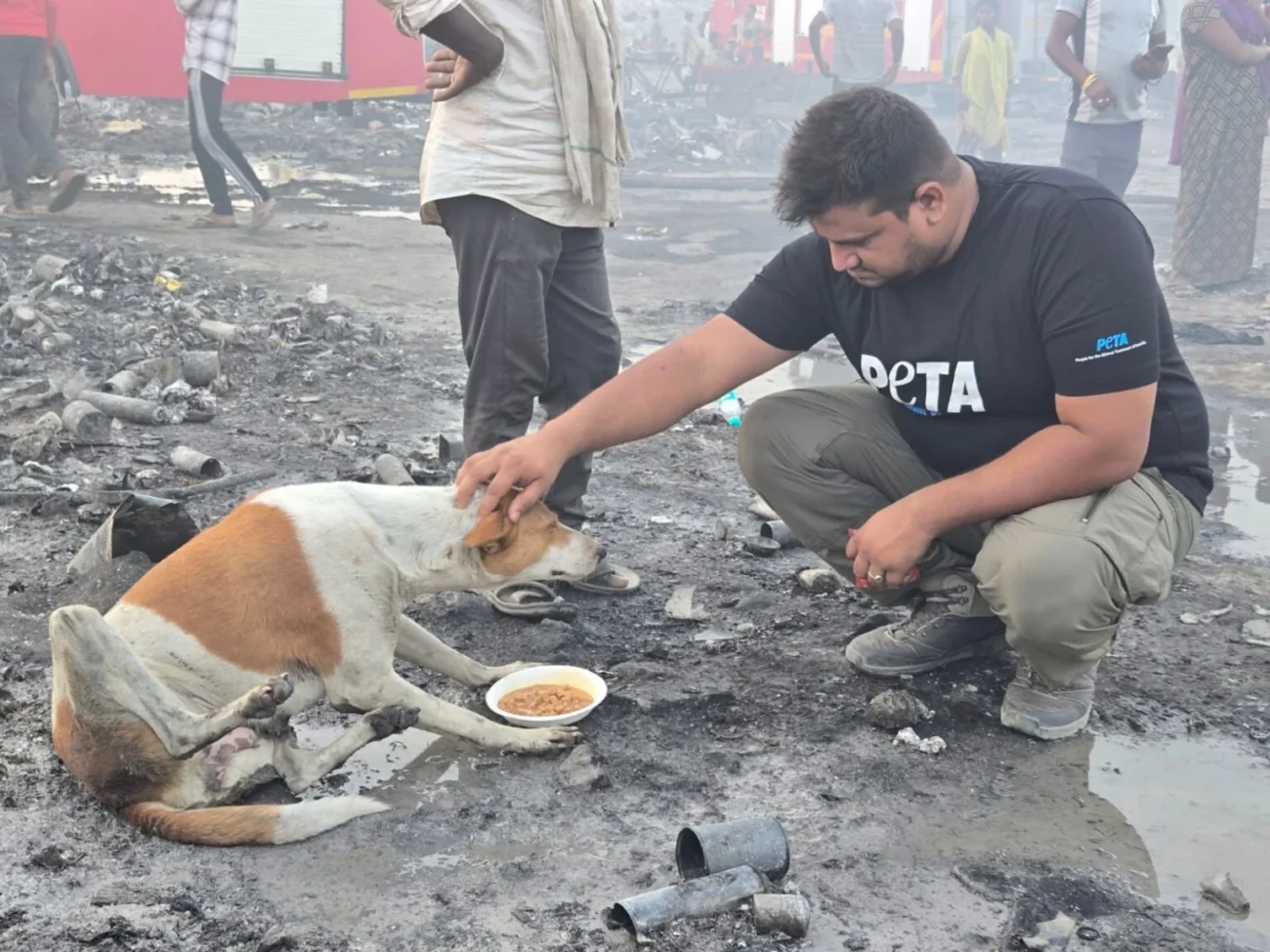
The industrial and residential corridors of Ghaziabad, situated within India’s National Capital Region (NCR), became the site of a significant humanitarian and animal welfare crisis on April 16 when a massive fire broke out in a densely populated neighborhood. As the blaze tore through tightly packed structures, the resulting chaos left not only human residents but also a significant number of domestic and community animals in a state of life-threatening peril. In the immediate aftermath of the outbreak, PETA India’s Rapid Response Team (RRT) initiated an emergency deployment to locate, treat, and evacuate animals trapped within the disaster zone, ultimately providing critical interventions for approximately 40 animals.
The incident highlights the recurring vulnerability of urban wildlife and stray populations during industrial and residential disasters in India’s rapidly expanding urban centers. While emergency services focused on containing the flames and ensuring human safety, the PETA-supported rescuers moved into the smoldering debris to address the "silent victims" of the conflagration. The operation, which lasted several hours, underscores the necessity of specialized animal rescue protocols in disaster management frameworks.
Chronology of the Ghaziabad Fire and Immediate Response
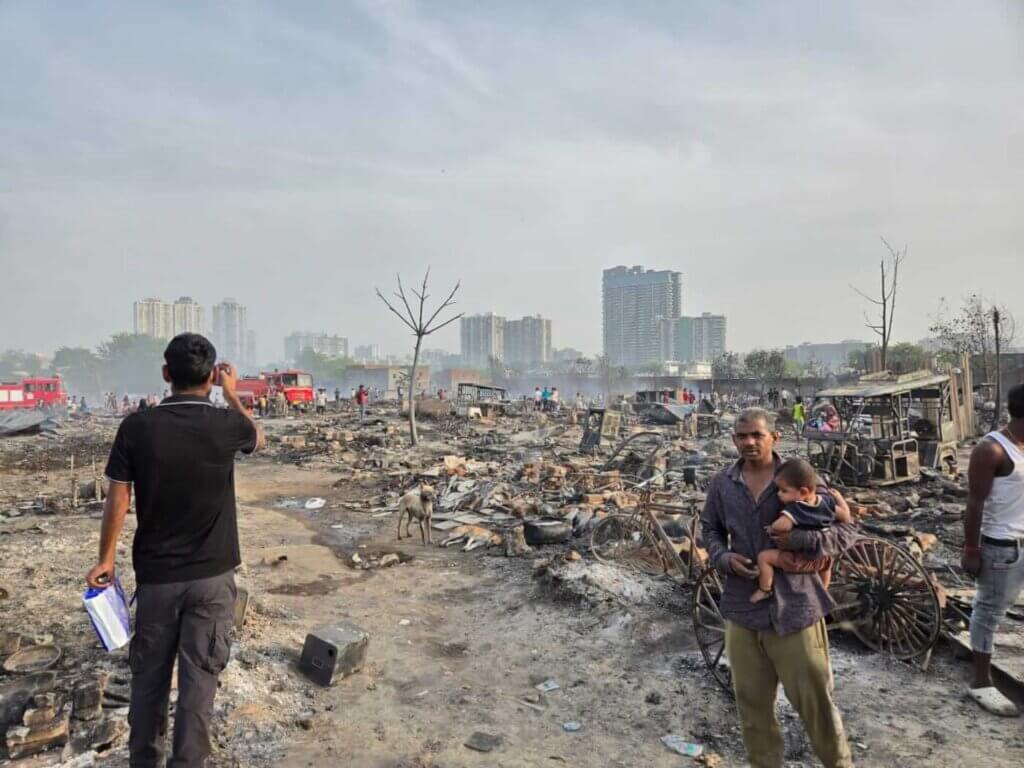
The fire reportedly ignited during the afternoon hours of April 16, a period characterized by rising seasonal temperatures that often exacerbate the intensity of urban blazes. The neighborhood, characterized by its narrow lanes and interconnected housing, allowed the fire to spread with alarming velocity. As residents fled the encroaching flames and thick, black smoke, many community animals—primarily stray dogs and cats that inhabit these urban pockets—were unable to navigate the maze of panic and heat.
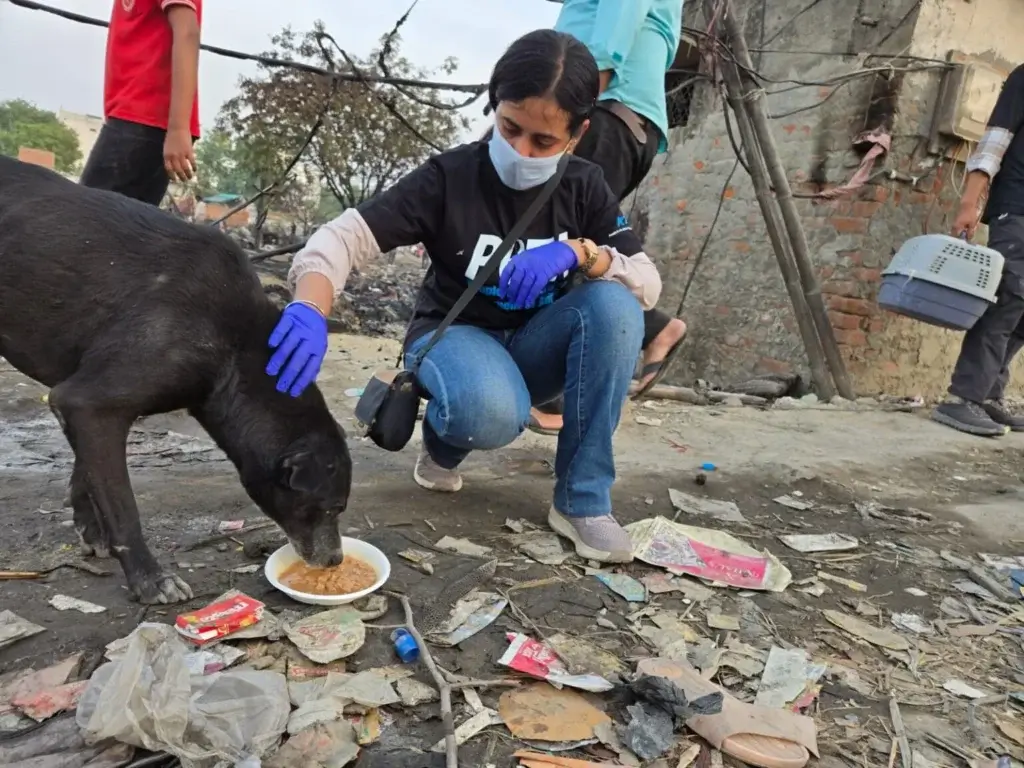
PETA India’s Rapid Response Team was alerted to the situation as news of the fire’s scale reached animal welfare advocates. Upon arrival, the scene was one of environmental devastation: thick smoke continued to hang over the area, and the ground was littered with hot rubble and charred remains of household goods. The RRT immediately established a perimeter for search and rescue operations.
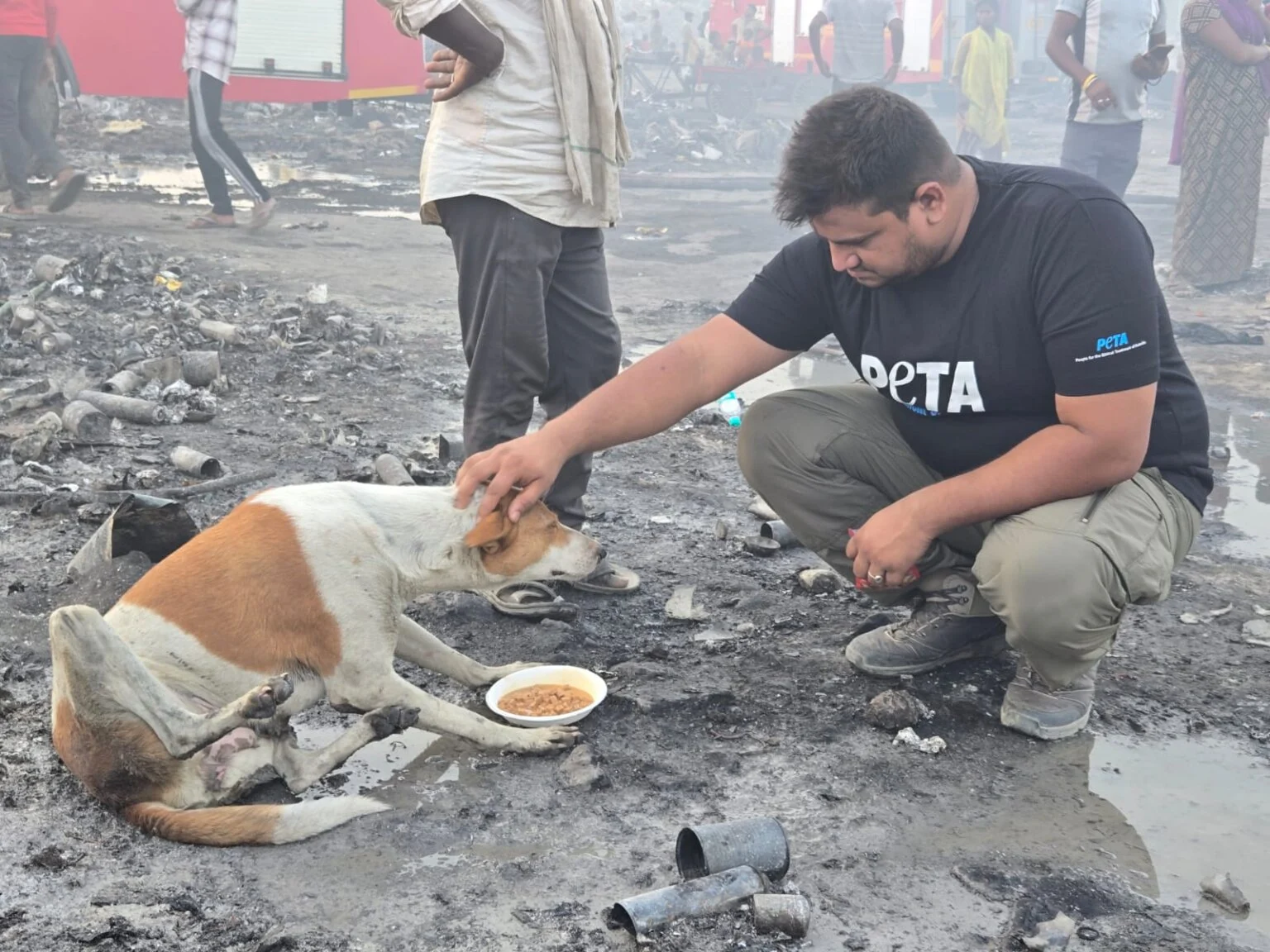
The first successful intervention involved a brown-and-white dog discovered near the epicenter of the fire. The animal was found trembling in a state of advanced shock, suffering from visible thermal burns and significant respiratory distress due to smoke inhalation. This initial rescue set the tone for a systematic search of the surrounding alleys and collapsed structures. Over the course of the day, the team successfully located and assessed approximately 35 to 40 dogs and two cats, each exhibiting varying degrees of injury and psychological trauma.
Veterinary Challenges and Emergency Interventions
Disaster-related injuries in animals require specific veterinary expertise, particularly when dealing with the trifecta of burns, dehydration, and shock. The PETA India responders utilized a triage system to prioritize care for the most severely affected animals.
Thermal burns in dogs and cats are particularly complex because fur can often mask the true extent of skin damage. Rescuers on the ground had to carefully assess the animals for first-, second-, and third-degree burns. Immediate treatment involved the application of cooling agents and antiseptic dressings to prevent the onset of secondary infections, which are a leading cause of mortality in burn victims.
Beyond physical burns, dehydration and heat exhaustion were universal threats among the rescued animals. The intense heat of the Ghaziabad fire, coupled with the ambient April temperatures in northern India, meant that many animals were found in a state of collapse. Responders provided immediate oral rehydration and, in more severe cases, prepared animals for intravenous fluid therapy at nearby veterinary facilities.
Shock, often overlooked in the chaos of physical trauma, was a primary concern for the RRT. Animals caught in fires experience extreme cortisol spikes and neurological distress. The rescue team employed "low-stress" handling techniques, using blankets and quiet reassurance to stabilize the animals before transporting them out of the danger zone. Animals showing signs of severe smoke inhalation—characterized by labored breathing and cyanotic (blue-tinged) gums—were prioritized for transport to specialized animal hospitals where oxygen therapy was available.
Contextualizing Urban Fires and Animal Welfare in India
The Ghaziabad incident is not an isolated event but rather a reflection of a broader systemic challenge within India’s urban landscapes. Ghaziabad is one of the most densely populated cities in Uttar Pradesh, serving as a major satellite city to Delhi. Its mix of unauthorized colonies, industrial units, and high-density residential blocks creates a high-risk environment for fire-related disasters.
According to data from the National Crime Records Bureau (NCRB) and various fire service departments, electrical short circuits and the improper storage of flammable materials are leading causes of urban fires in India. In these scenarios, community animals—often referred to as "Indies" or street dogs—are at a unique disadvantage. Unlike pets that may be evacuated by their owners, community animals rely on their instincts, which can often lead them to hide in corners or under vehicles, inadvertently trapping them as the fire spreads.
The PETA India rescue operation serves as a critical data point for the necessity of including animal welfare in municipal disaster response plans. Currently, most municipal fire responses are optimized for human rescue and property preservation. The presence of NGO-led rapid response teams fills a vital gap in the humanitarian landscape, ensuring that the biological impact of disasters is addressed comprehensively.
The Role of the Global Compassion Fund
The logistical success of the Ghaziabad rescue was made possible through the PETA Global Compassion Fund. This fund is designed to provide the financial and material resources necessary for immediate action during unforeseen crises, including natural disasters, fires, and localized emergencies.
The fund facilitates the training of responders, the procurement of emergency medical supplies, and the maintenance of transport vehicles equipped for animal rescue. In the Ghaziabad operation, the ability of the RRT to arrive "just in time" was a direct result of the readiness protocols funded by international donations. The fund’s role extends beyond immediate rescue; it often covers the long-term rehabilitation costs for animals that require extensive skin grafts, respiratory therapy, or behavioral socialization following a traumatic event.
Broader Implications and the Need for Animal-Inclusive Disaster Management
The events of April 16 in Ghaziabad offer several insights into the future of disaster management in developing urban centers. As climate change increases the frequency of extreme heat events in South Asia, the risk of "heat-sync" fires—where high ambient temperatures contribute to the rapid spread of accidental blazes—is expected to rise.
-
Integrated Emergency Services: There is a growing argument for formalizing partnerships between municipal fire departments and animal welfare organizations. When fire crews arrive on the scene, having a designated animal rescue unit can prevent civilian bystanders from entering dangerous areas to save their pets or community dogs, thereby reducing the risk to human life as well.
-
Public Awareness and Education: The Ghaziabad rescue highlighted the role of the community. Many animals were found because local residents pointed them out to the PETA team. Enhancing public knowledge on how to safely assist animals during a fire—such as leaving gates open or providing water bowls in safe zones—can significantly improve survival rates.
-
Urban Planning: The difficulty of the rescue operation was compounded by the narrow streets of the Ghaziabad neighborhood, which hindered the movement of large vehicles. Future urban redevelopment must consider accessibility for emergency services, which benefits both human and animal populations.
-
Veterinary Preparedness: The incident underscores the need for "disaster-ready" veterinary clinics in every district. While the RRT provided immediate care, the survival of the most severely burned animals depended on the availability of 24-hour hospitals capable of handling complex trauma.
Conclusion and Current Status
Following the intensive rescue operation on April 16, the animals retrieved from the Ghaziabad fire are currently in various stages of recovery. Those with minor injuries and smoke inhalation have been monitored and, in some cases, released back to the care of local community feeders who can ensure they receive ongoing nutrition. The more severely injured animals remain under professional veterinary supervision, receiving specialized treatment for their burns and respiratory health.
The PETA India Rapid Response Team continues to monitor the area for any animals that may have been missed during the initial chaos, as shock often causes animals to remain in hiding for days after an event. This operation stands as a testament to the critical importance of rapid, coordinated intervention. In the face of a disaster that reduced homes to ash and filled the sky with toxic smoke, the survival of these dozens of animals serves as a reminder of the resilience of life and the impact of dedicated humanitarian efforts.
As Ghaziabad moves toward rebuilding the affected neighborhood, the lessons learned from this fire will hopefully inform more robust, inclusive safety protocols. For now, the successful rescue of 40 lives provides a glimmer of hope amidst the charred remains of a community, proving that even in the most dire circumstances, compassion can act as a powerful force for recovery.

