


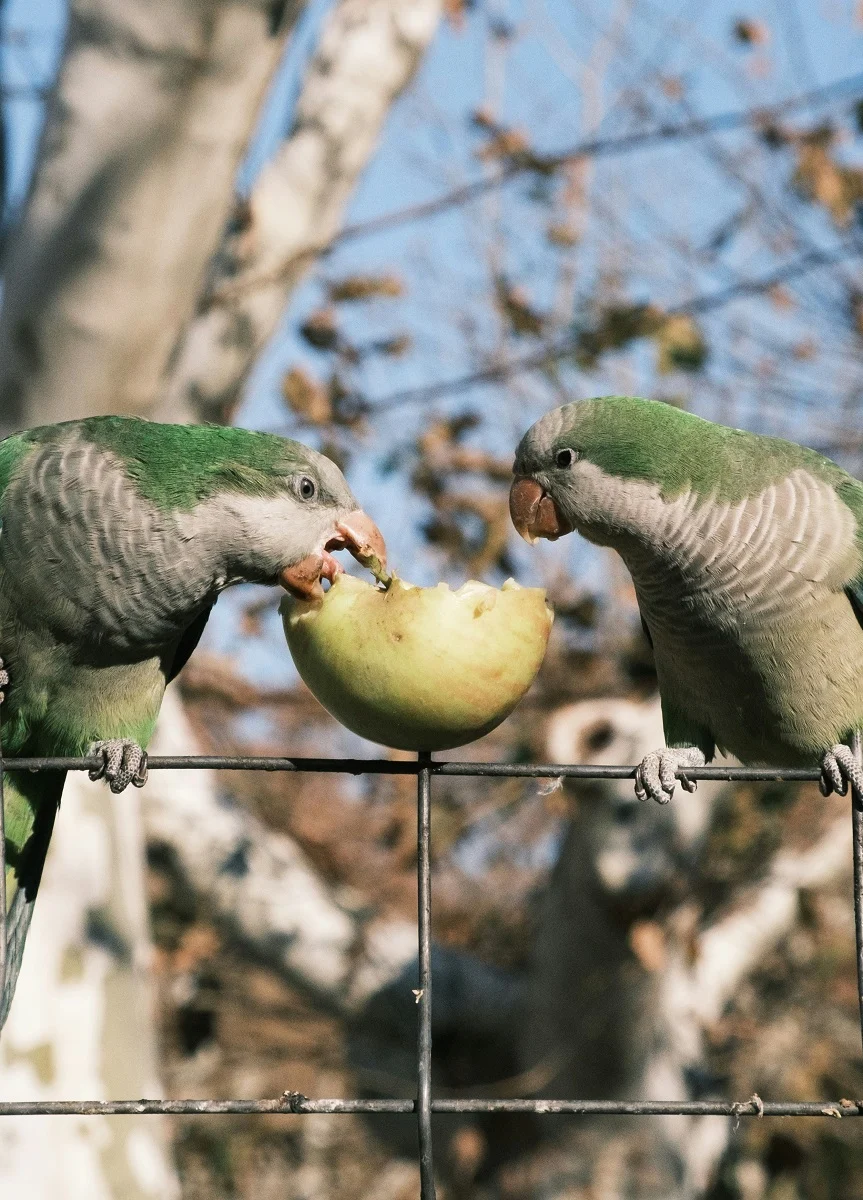
Choosing a companion parrot is a significant decision, and the Quaker parrot, scientifically known as Myiopsitta monachus and also referred to as the monk parakeet, frequently emerges as a compelling option. These vibrant South American parrots, renowned for their intelligence and cheerful disposition, can form deep bonds with their human caregivers, yet they present a unique set of considerations for potential owners. Understanding their natural history, care requirements, and broader ecological implications is crucial for responsible pet ownership.
A Popular Avian Companion with a Complex Profile
The Quaker parrot is a small to medium-sized parrot species, typically reaching lengths of up to 13 inches and weighing around 140 grams. With a potential lifespan of up to 30 years in captivity, these birds represent a long-term commitment. While their noise level is generally classified as low to moderate compared to larger parrot species, their distinct flock calls can be quite pronounced. Their ability to mimic human speech and household sounds, coupled with their playful and confident demeanor, contributes to their popularity. However, their highly social and intelligent nature necessitates consistent interaction and mental stimulation to prevent behavioral issues such as stress or aggression.
Taxonomy and Native Range: Roots in South America
Myiopsitta monachus originates from the lowlands of South America, specifically inhabiting a broad region encompassing southern Brazil, eastern Bolivia, most of Paraguay and Argentina, and all of Uruguay. This distribution highlights their adaptability to diverse environments within a specific climate zone. The genus Myiopsitta is unique among parrots for its communal nesting habits, a characteristic that plays a significant role in their ecological success both in their native range and as an invasive species.
The Unique Nesting Behavior
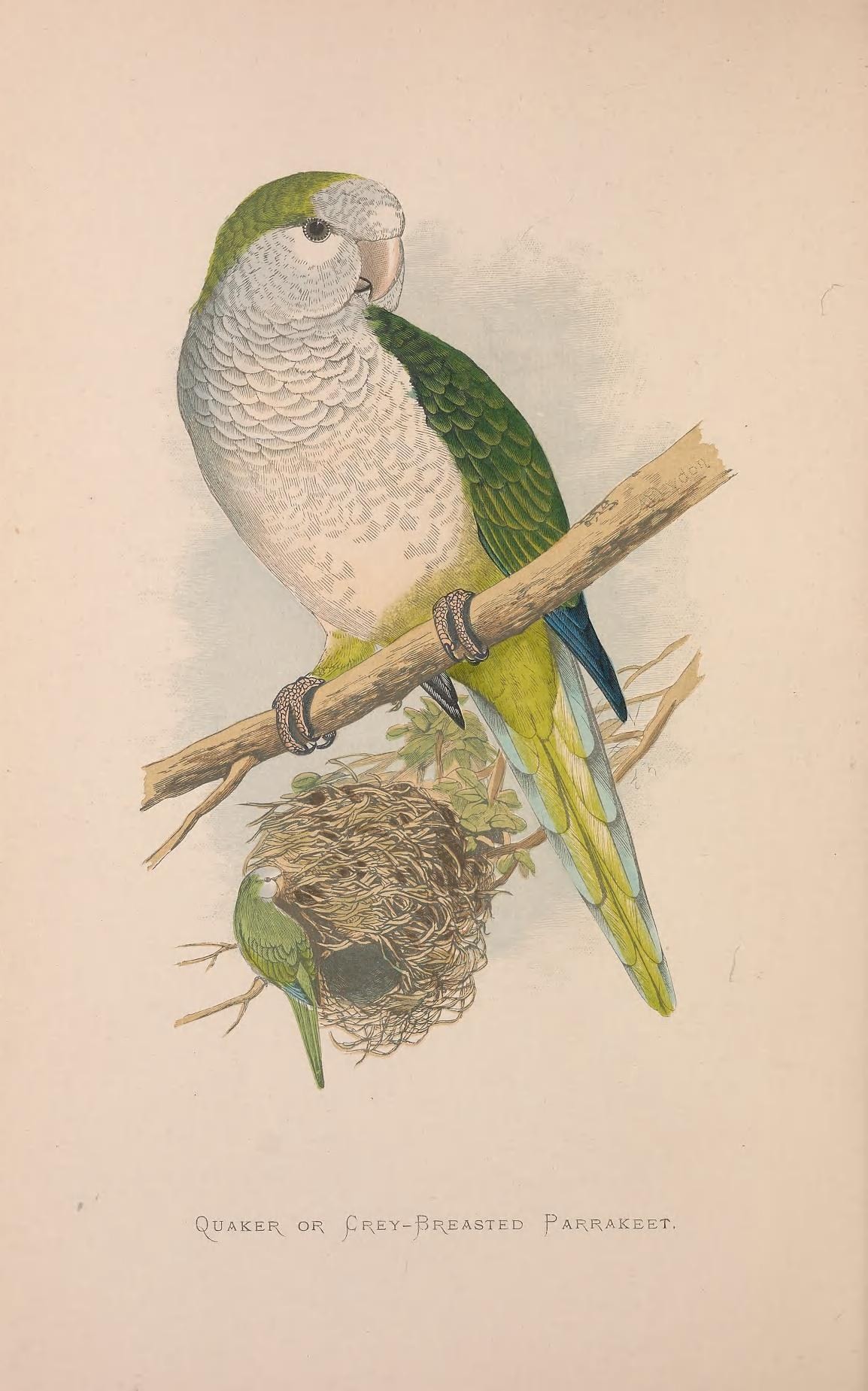
Unlike most parrot species that nest in tree cavities, Quaker parrots construct elaborate, multi-chambered stick nests that can house several breeding pairs and their offspring. These structures, often built in trees, on utility poles, or other elevated platforms, can become quite massive over time, sometimes weighing hundreds of pounds. This architectural prowess is not merely for breeding; the nests also provide year-round shelter from predators and harsh weather, facilitating a strong social structure within the colony. In a captive environment, this innate nest-building instinct can manifest as a parrot meticulously collecting and stacking small, elongated items found around its cage, such as sticks, pens, or even toy parts. While fascinating to observe, this behavior can sometimes trigger hormonal responses in the bird, potentially leading to increased territoriality or crankiness.
Geographic Distribution and Habitat Preferences
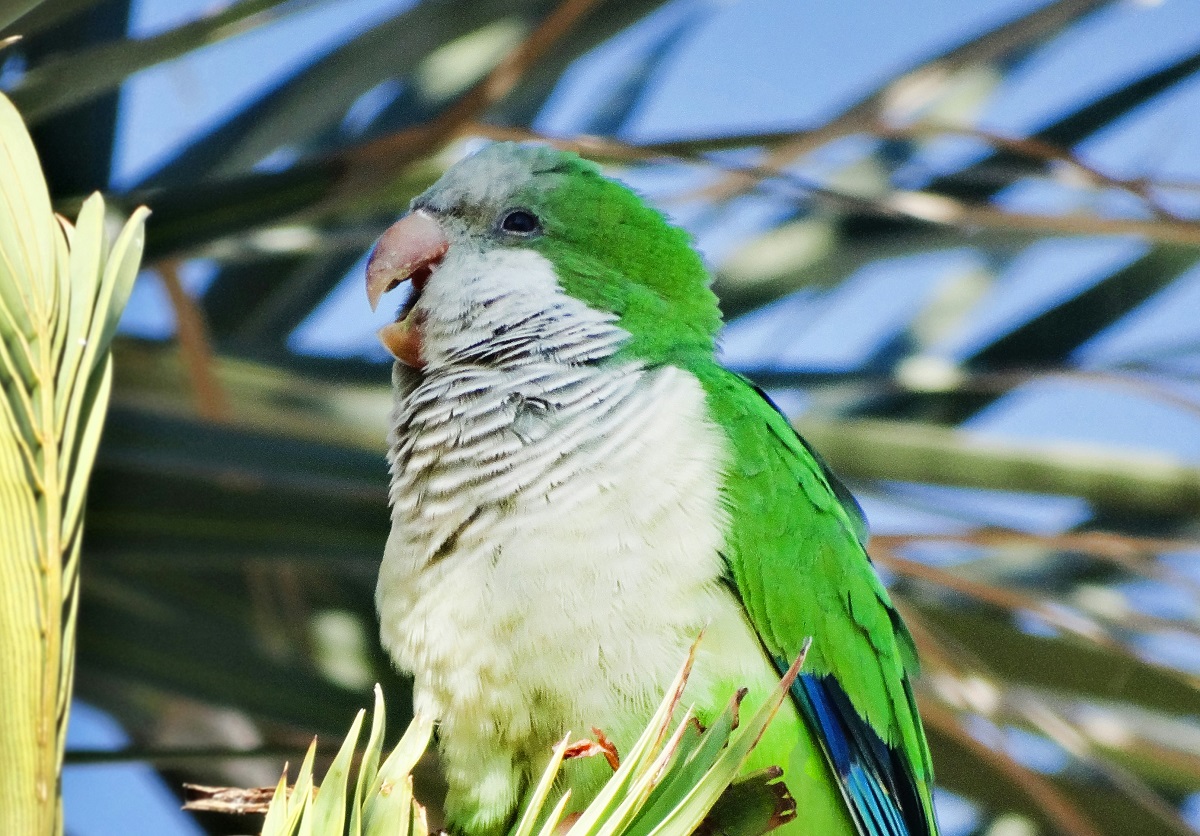
Within their native South American range, Quaker parrots thrive in lowland areas, typically found at elevations up to 3,300 feet. Their preferred habitats are varied, including wooded to sparsely wooded regions, open savannahs, and increasingly, urban parks and agricultural zones. This adaptability to human-modified landscapes is a key factor in their ability to establish populations outside their natural range. The expansion of agriculture, particularly the cultivation of maize and other grains, has paradoxically benefited these birds by providing abundant food sources, further contributing to their resilience and population growth in some areas.
Physical Characteristics and Genetic Diversity
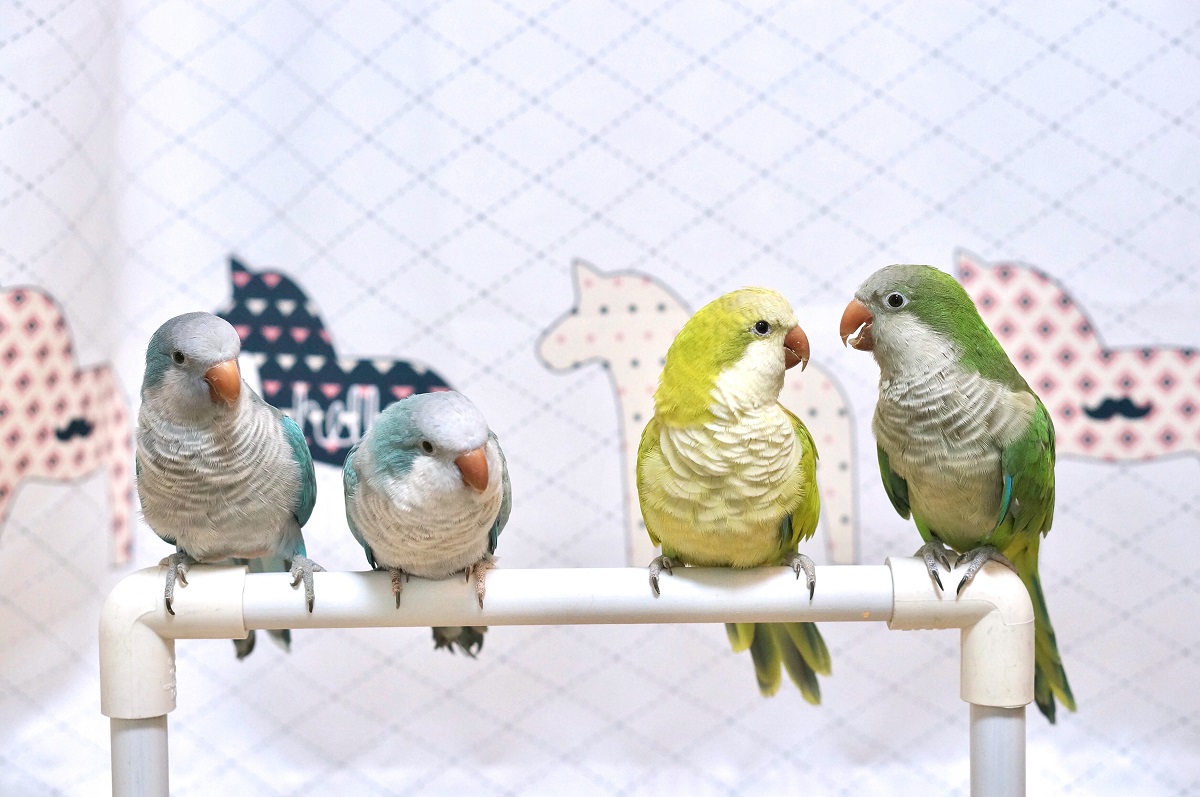
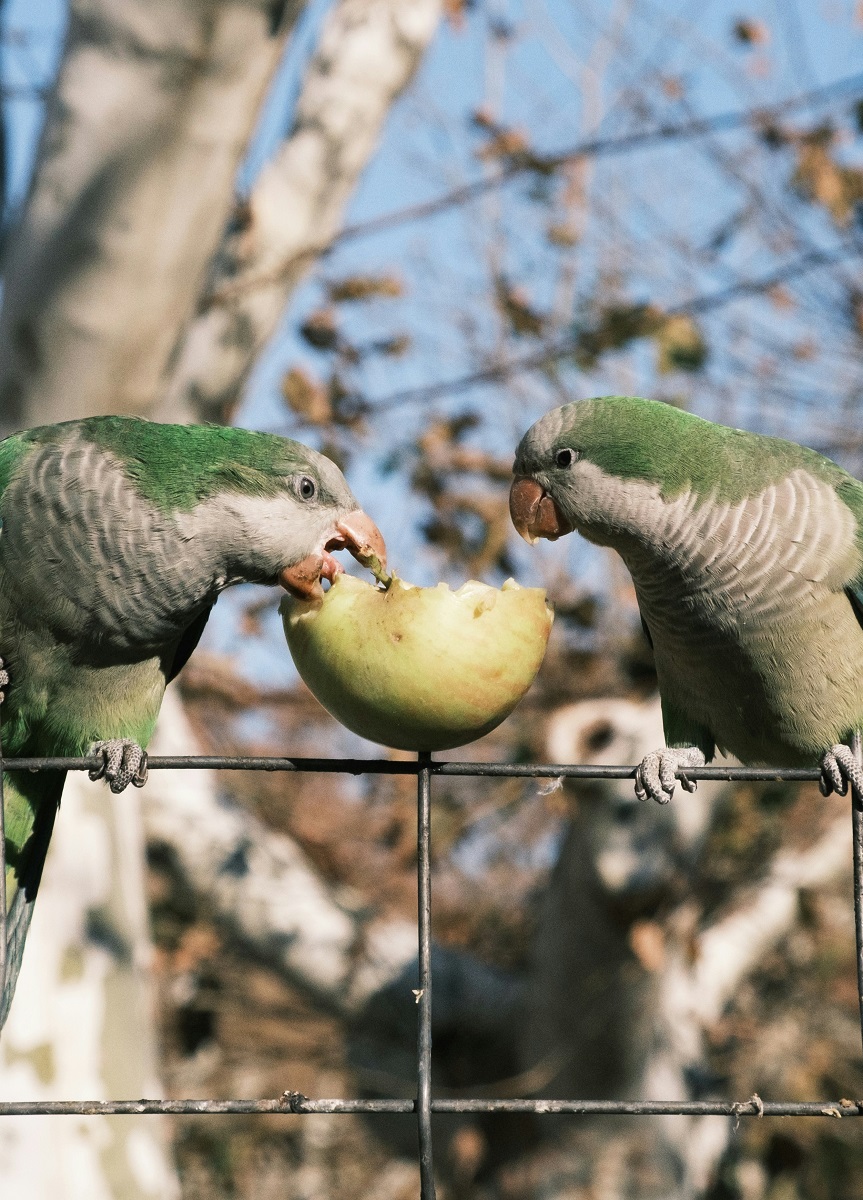
Wild Quaker parrots are easily recognized by their striking plumage: a mossy green back, a contrasting gray front extending to the face and breast, vibrant blue flight feathers, and a relatively long tail. Their distinctive beak is skin-colored, adding to their unique appearance. However, through selective breeding in captivity, a remarkable array of color mutations, or "morphs," has been developed. Beyond the natural green, owners can now find Quaker parrots in captivating shades of blue, yellow (lutino), gray, white (albino), and various combinations thereof. These color variations are the result of specific genetic mutations affecting pigment production, offering a wider aesthetic choice for enthusiasts.
Sexual Dimorphism and Identification
While male and female Quaker parrots exhibit subtle differences in size, with females typically being slightly smaller, these variations are generally not pronounced enough for visual sexing. Distinguishing the sex of a Quaker parrot purely by appearance is nearly impossible for the untrained eye. For definitive identification, owners often resort to DNA testing, which involves a simple blood or feather sample analysis. This is particularly important for breeding programs or for owners who wish to understand the potential behavioral nuances associated with a specific sex.
Conservation Status and Ecological Interactions in the Wild
According to the IUCN Red List, Myiopsitta monachus is classified as a species of "Least Concern." This designation reflects its widespread distribution and generally stable, if not increasing, population trends in its native habitat. The IUCN report notes that the species is locally common and appears to benefit from certain human activities. For instance, the planting of Eucalyptus forests for paper pulp production provides additional nesting sites, while the expansion of agriculture offers readily available food sources in the form of crops. In their native range, Quaker parrots are sometimes considered agricultural pests due to their flocks foraging on corn and grain fields.
The Case of Myiopsitta luchsi
It is important to differentiate Myiopsitta monachus from its closely related congener, Myiopsitta luchsi, often referred to as the Cliff Parakeet or Bolivian Monk Parakeet. While visually similar, M. luchsi has a much more restricted range, endemic to specific high-altitude valleys in Bolivia. Unlike M. monachus, which builds stick nests, M. luchsi nests in cliff crevices. This specialized habitat and limited distribution have rendered M. luchsi more vulnerable, leading to its classification as "Near Threatened" by the IUCN, highlighting the differing conservation challenges even within closely related species.
The Invasive Species Dilemma: Global Spread and Impacts
Despite their charming qualities as pets, Quaker parrots possess a high invasive potential, a critical concern for biodiversity and ecosystems worldwide. Self-sustaining feral populations have become established in numerous countries far beyond their native South America, including extensive populations across the United States, various European nations (such as Spain, Italy, and the UK), Israel, and parts of Asia. The ease with which these birds adapt to urban and suburban environments, coupled with their communal nesting habits and broad diet, contributes to their success as invaders.
Mechanisms of Introduction and Proliferation
The primary mechanism for the introduction of Quaker parrots into non-native environments is the pet trade. Escaped or intentionally released birds, often due to owners underestimating the commitment required for their care, form the nucleus of new populations. Their hardiness, ability to tolerate temperate climates, and rapid reproductive rates allow these initial escapees to quickly establish breeding colonies. The communal stick nests provide excellent protection and can withstand a range of weather conditions, further aiding their survival and expansion.
Ecological and Economic Consequences
The presence of invasive Quaker parrot populations poses significant ecological and economic threats. Ecologically, they compete with native bird species for food resources and nesting sites, potentially displacing vulnerable indigenous fauna. Their aggressive nature and adaptable diet can disrupt local food webs. Economically, feral Quaker parrots can cause substantial damage to agricultural crops, particularly fruit orchards and grain fields, leading to losses for farmers. Furthermore, their large, heavy nests built on utility poles and electrical infrastructure can cause power outages, fires, and structural damage, necessitating costly removal and repair efforts by utility companies and local authorities. For instance, in some U.S. states, the annual cost of managing monk parakeet damage and removal can run into hundreds of thousands of dollars.
Regulatory Responses and Management Efforts
In response to these threats, many regions have implemented strict regulations regarding the ownership and trade of Quaker parrots. In some U.S. states (e.g., California, Pennsylvania, Georgia, Kentucky, and Wyoming), it is illegal to own, sell, or breed Quaker parrots without special permits. Similar bans exist in other countries. These measures aim to prevent further introductions and to control existing feral populations. Management efforts often involve trapping, removal, or, in some cases, culling programs, which are frequently met with public debate due to the birds’ popular appeal. Wildlife authorities and conservation organizations continuously monitor these populations and develop strategies to mitigate their impact, emphasizing the importance of public awareness regarding responsible pet ownership and the dangers of releasing non-native species.
Responsible Care for the Captive Quaker Parrot
For individuals considering a Quaker parrot as a pet, understanding and committing to their specific care requirements is paramount. Given their long lifespan and complex needs, owning a Quaker parrot is a significant responsibility.
Nutritional Requirements for Longevity
A healthy and balanced diet is foundational for a Quaker parrot’s well-being. Modern avian veterinary consensus strongly discourages a diet solely or predominantly based on seeds, as this often leads to malnutrition, vitamin deficiencies, and obesity. Instead, a high-quality formulated pellet diet should form the cornerstone of their intake, providing essential vitamins, minerals, and nutrients. This base should be supplemented daily with a wide variety of fresh fruits and vegetables, such as leafy greens (kale, spinach), bell peppers, carrots, apples, berries, and citrus fruits. Occasional treats like cooked whole grains (quinoa, brown rice) or small amounts of lean protein can be offered. Access to a mineral block is beneficial for providing trace elements, and multiple sources of fresh, clean water must always be available. Foods to avoid include avocado, chocolate, caffeine, alcohol, fruit pits, and anything high in sugar, salt, or fat.
Housing and Environmental Enrichment
Quaker parrots, despite their moderate size, require ample space. A cage with a minimum width of 30 inches is recommended, though larger is always better. Crucially, cage length is often more important than height, as parrots primarily utilize the upper half of their enclosure and benefit from horizontal flight space. For owners who cannot provide several hours of supervised free-roaming time daily, a full-sized aviary might be necessary to ensure adequate exercise.
The cage environment must be stimulating. It should contain a variety of natural wood perches of different diameters to promote foot health and prevent pressure sores. A diverse selection of parrot-safe toys, including shreddable toys, puzzle toys, and foraging toys, is essential to prevent boredom and encourage natural behaviors. Foraging boxes, where treats are hidden, can engage their intelligence and mimic natural feeding challenges. All toys should be regularly inspected and replaced if damaged to prevent injury. Daily interaction and playtime outside the cage are critical. Any room where the parrot is allowed to roam must be thoroughly "bird-proofed," removing hazards such as toxic plants, open water sources, exposed electrical wires, ceiling fans, and small ingestible objects.
Socialization, Training, and Temperament
Quaker parrots are highly social creatures that thrive on interaction. A solo Quaker parrot will quickly become lonely and stressed if it does not receive consistent attention and playtime from its owner. They are known for their confidence, boisterousness, and playful nature, often displaying a clownish charm. However, their strong personalities can also lead to territoriality, particularly around their cage, making routine tasks like cleaning or changing food bowls challenging. Early and consistent socialization is key to developing a well-adjusted pet. They can become intensely bonded to a single person, potentially exhibiting aggression towards other family members if not properly socialized with everyone. Positive reinforcement training methods are highly effective for teaching commands, managing undesirable behaviors like biting, and strengthening the bond between bird and owner.
Health Considerations and Lifespan
With proper care, Quaker parrots can live for up to three decades. Regular veterinary check-ups with an avian veterinarian are crucial for preventative care and early detection of health issues. Common health concerns in Quaker parrots can include psittacosis (parrot fever), fatty liver disease (often linked to poor diet), feather plucking (often a sign of stress, boredom, or underlying medical issues), and PBFD (Psittacine Beak and Feather Disease). Owners should be prepared for emergency situations, knowing basic first aid and having the contact information for an avian vet readily available. A healthy diet, adequate exercise, mental stimulation, and a clean environment are the best defenses against many common ailments.
Vocalization and Communicative Abilities
Quaker parrots are known for their vocal abilities, which range from a steady stream of chirps, whistles, and trills to more grating flock calls. While not the loudest parrot species, their calls can be quite insistent, especially during excitement or alarm. Potential owners should expose themselves to Quaker parrot vocalizations (e.g., via online sound libraries like xeno-canto) to ensure they can tolerate the noise level before committing to ownership. A unique vocalization is a soft "purring" sound, often indicative of a happy and comfortable bird. Like many parrots, they also engage in beak grinding when content or ready to sleep.
Mimicry and Speech Acquisition
Quaker parrots are among the better talking parrots, renowned for their ability to mimic human speech and other sounds. While their voices tend to be quite squeaky, they are highly motivated learners and can develop impressive vocabularies, including phrases and even short tunes. It’s important to remember that this mimicry does not equate to understanding; they are simply replicating sounds. Teaching a Quaker parrot to talk relies heavily on consistent repetition, positive reinforcement, and engaging interaction. Owners often find success by speaking clearly and frequently to their bird, especially during bonding times.
Conclusion: Balancing Admiration with Responsibility
The Quaker parrot is a fascinating and engaging species, offering immense joy and companionship to the right owner. Their intelligence, vibrant personality, and capacity for mimicry make them beloved pets. However, the decision to bring a Quaker parrot into one’s home carries a profound responsibility, not only for the bird’s long-term welfare but also in acknowledging the broader ecological implications of the species as a potential invasive threat. By understanding their complex needs, adhering to strict care protocols, and respecting local regulations concerning their ownership, enthusiasts can foster a fulfilling relationship with these remarkable avian companions while contributing to responsible pet ownership practices globally.

