


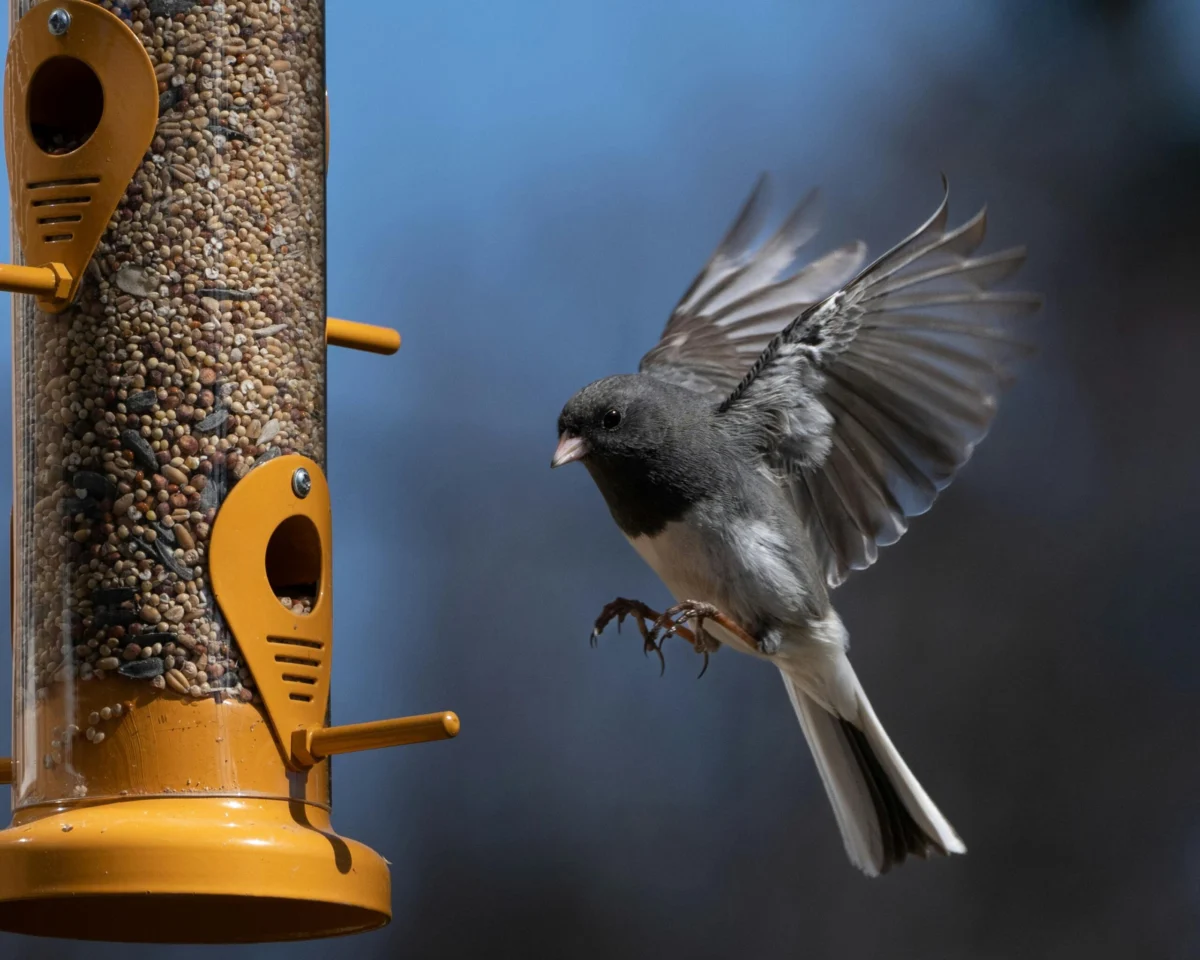
The seemingly magical appearance of birds at your feeder moments after you’ve replenished it might feel like a sign of avian telepathy. However, behind this rapid avian congregation lies a sophisticated interplay of sharp senses, remarkable memory, and intricate social behaviors. Birds aren’t psychic, but their ability to locate and utilize bird feeders is a testament to their intelligence, observational skills, and deep understanding of their environment. Understanding these mechanisms offers a fascinating glimpse into the complex lives of our feathered neighbors.
The phenomenon of birds flocking to a newly filled feeder is a common and delightful experience for many backyard observers. This almost instantaneous response has long puzzled and charmed humans, leading to the popular notion that birds possess an uncanny awareness of when food becomes available. While the idea of them "knowing" might be anthropomorphic, the underlying biological and behavioral drivers are grounded in scientific observation and study. This article delves into the primary senses and strategies birds employ to find these vital food sources, highlighting their cognitive abilities and social dynamics.
The Sensory Toolkit Birds Use to Find Feeders
Birds primarily rely on a combination of acute vision, robust spatial memory, and opportunistic social learning to discover and frequent bird feeders. While other cues like sound can play a supplementary role, these three pillars form the bedrock of their foraging strategy.
Visual Acuity: A Bird’s Eye View
Contrary to a lingering misconception, most common backyard birds possess a relatively poor sense of smell. Their primary tool for navigating the world and locating resources is their exceptional eyesight. This visual prowess allows them to detect subtle changes in their surroundings from considerable distances. When a bird feeder is refilled, several visual stimuli become apparent to observant birds:
- Movement: The act of refilling the feeder, even if done quickly, involves motion. Birds are highly attuned to movement, and any disturbance in their familiar environment can pique their interest. This includes the opening and closing of the feeder, the addition of seed, or even the slight swaying of the feeder.
- Color and Contrast: Feeders themselves, often brightly colored or starkly contrasting with their natural surroundings, can be visual landmarks. The addition of fresh seed can also create a noticeable visual difference within the feeder’s structure.
- Light Reflection: Some bird species possess the ability to see ultraviolet (UV) light. While invisible to humans, UV light can make certain seeds and feeder materials appear more vibrant or distinct against natural backgrounds, enhancing their detectability. Research published in journals like Animal Behaviour has explored how UV reflectance influences foraging decisions in various avian species, suggesting it could play a role in feeder identification.
From their vantage points in nearby trees, hedges, fences, or rooftops, birds can scan their territory for these visual cues. A sudden change in the landscape, such as a feeder that was previously empty now containing food, is readily apparent. This visual detection is often the first step in a bird’s journey to a new or refilled food source.
The Power of Memory: Remembering Reliable Sources
Birds possess a surprisingly tenacious memory, particularly when it pertains to sustenance. Once a bird has successfully foraged at a particular location, it imprints that information. This spatial memory is crucial for survival, especially during seasons when natural food sources become scarce.
- Established Landmarks: A bird feeder, once identified as a reliable source of food, becomes a fixed point in a bird’s mental map of its territory. They will regularly revisit these locations, even if they appear empty at first glance.
- Learned Routines: Birds learn the timing and patterns associated with their feeding grounds. If a feeder is consistently refilled at certain times, birds may begin to anticipate these periods. This learned association explains why birds might appear to be waiting nearby, ready to descend as soon as the feeder is accessible.
- Seasonal Importance: During winter months, when insects are dormant and vegetation is sparse, natural food availability plummets. In these challenging conditions, remembering dependable feeder locations becomes a matter of survival. A study by the British Trust for Ornithology (BTO) has highlighted the significant role of garden bird feeding in supplementing natural diets, particularly during cold snaps, underscoring the importance of a bird’s memory for these supplementary food sources.
This ingrained habit of revisiting known food sites means that when you refill a feeder, you’re not necessarily attracting entirely new visitors from afar. Instead, you are signaling to birds that were already in the vicinity and had previously established the feeder as a valuable resource.

Social Learning: The Ripple Effect of Observation
Birds are not solitary foragers in their quest for food; they are also keen observers of their peers. This social learning, often referred to as "local enhancement," plays a significant role in how quickly a new food source can attract a larger population.
- Witnessing Success: When one bird discovers a feeder and begins to feed, other birds in the vicinity will notice the activity. This visual cue of another bird actively consuming food is a powerful signal that a food source is present and safe to approach.
- Following the Flock: Many bird species are inherently social and tend to flock together. The sight of one or more individuals congregating at a specific location naturally draws the attention of others. This can lead to a rapid influx of birds, creating the impression that they all "knew" at once.
- Communication Through Action: While birds don’t communicate about food in the human sense of giving directions, their actions speak volumes. The presence of feeding birds acts as an advertisement, encouraging others to investigate. This is particularly evident in highly social species like tits, finches, sparrows, and starlings, which are known for their gregarious nature and rapid information sharing within their groups.
This phenomenon explains the rapid transformation of a quiet garden into a bustling avian dining hall. One bird’s discovery can trigger a chain reaction, with others quickly joining in once they observe the successful foraging of their conspecifics.
Debunking the Myth: Do Birds Smell Bird Seed?
A common question among bird enthusiasts is whether birds can smell bird seed from afar. While the olfactory sense plays a role in the lives of some animals, for the majority of common backyard birds, it is not the primary method for locating feeders.
- Limited Olfactory Capacity: Compared to mammals, many bird species have a less developed sense of smell. Their olfactory bulbs, the part of the brain responsible for processing scent, are often smaller relative to their overall brain size.
- Scent as a Secondary Cue: While scent is not the primary attractant for most birds, it can play a role in certain circumstances or for specific species. For instance, some seabirds, like albatrosses, have a well-developed sense of smell to locate food in the vast ocean. However, for the typical passerines visiting garden feeders, scent is a minor factor, if a factor at all.
- Focus on Visual and Auditory Cues: The overwhelming evidence points to sight and sound as the dominant senses used for feeder detection. The visual appeal of the feeder itself, the movement associated with refilling, and the sounds of feeding are far more influential than any potential aroma emanating from the seed.
Therefore, when birds arrive at your feeder, it’s almost certainly because they’ve seen it, remembered it, or observed other birds feeding, rather than catching a whiff of the sunflower seeds from across the neighborhood.
The Role of Sound and Activity
Beyond vision and memory, auditory cues and general activity contribute to a bird’s ability to confirm the presence of food at a feeder.
- Auditory Signals: The subtle rattling sound of bird seed hitting the feeder, the movement of the feeder in the wind, or the chirping and calls of birds already engaged in feeding can all serve as important secondary signals. These sounds act as confirmations, reinforcing what a bird might have already observed visually or remembered from past visits.
- Activity as an Indicator: A feeder that is actively being used by birds, with a consistent stream of visitors, presents a more dynamic and engaging target. This observable activity signals to other birds that the location is currently a reliable and beneficial food source.
These secondary cues work in concert with the primary methods, creating a robust and multi-faceted system for birds to efficiently locate and utilize supplementary food sources.
Why the Instantaneous Arrival?
The seemingly instantaneous arrival of birds after a feeder refill is a common observation that can be explained by the combined strategies discussed.
- Pre-existing Presence: It’s highly probable that birds were already in the vicinity, perhaps perched in nearby trees or bushes, monitoring their territory. They may have been aware of the feeder’s presence but were waiting for it to be refilled.
- Rapid Re-evaluation: The act of refilling the feeder provides a clear visual and potentially auditory signal. Birds that were already nearby can quickly assess this change and, if the feeder is a known reliable spot, immediately begin to feed.
- The "Empty but Worth Checking" to "Worth Feeding At Now" Transition: Birds frequently check known food sources, even if they appear empty. Refilling the feeder transforms it from a location that is "worth checking" to one that is "worth feeding at now." This rapid transition in its status as a food source explains the swift response.
This behavior highlights the constant vigilance and efficient foraging strategies of birds, who dedicate significant portions of their day to moving between known food sources and assessing their availability.
Enhancing Feeder Attraction
For those who wish to attract more avian visitors to their gardens, understanding these mechanisms can be beneficial.

- Strategic Placement: Locating feeders in visible yet somewhat sheltered areas can enhance their appeal. Proximity to trees or shrubs provides perching spots for observation and escape routes, while clear visibility allows birds to spot the feeder from a distance.
- Variety of Food: Offering a diverse range of seeds, nuts, and suet can attract a wider array of species, each with its own preferences. This variety also increases the likelihood of a visual match for different birds.
- Consistent Refilling: Maintaining a consistent supply of fresh food is paramount. Birds learn to rely on predictable sources, and irregular availability can deter them.
- Feeder Design: Choosing feeders that are easy for birds to access and that protect the seed from the elements can improve their efficiency and attractiveness.
Addressing Concerns: Do Birds Become Dependent?
A frequent concern among well-meaning individuals is whether birds become dependent on feeders, potentially impacting their natural foraging abilities. However, extensive research and observational studies suggest this is largely not the case for most species.
- Supplementation, Not Replacement: Bird feeders are generally understood to supplement, rather than replace, natural food sources. Birds continue to engage in their natural foraging behaviors, seeking out insects, seeds, berries, and other edibles in their environment.
- Adaptability: Studies, including those published in ornithological journals and reports from conservation organizations like the Audubon Society, indicate that birds are highly adaptable. If a feeder is removed, they typically adjust their foraging strategies and find alternative food sources without significant long-term detriment.
- Critical Role in Harsh Conditions: The importance of feeders becomes amplified during periods of extreme weather, such as prolonged cold spells or droughts, when natural food becomes exceptionally scarce. In these circumstances, feeders can be a vital lifeline, providing essential nutrition that supports survival. Consistent provision during such times is therefore particularly valuable.
A Window into Avian Intelligence and Social Dynamics
The seemingly simple act of birds flocking to a feeder offers a profound insight into their cognitive capabilities and social structures. It’s a daily demonstration of their observational prowess, their capacity for learning and memory, and their complex social interactions.
The quick congregation of birds at a refilled feeder is not a matter of magic but a sophisticated response driven by:
- Exceptional Vision: Detecting visual changes and landmarks.
- Powerful Memory: Recalling reliable food locations.
- Social Learning: Observing and benefiting from the foraging success of others.
- Auditory and Activity Cues: Confirming food availability through sound and observed activity.
Observing these behaviors enriches our understanding of the natural world and provides a constant reminder that even the most familiar garden visitors are engaged in a dynamic and intelligent interplay with their surroundings. It is one of the quiet joys of engaging with nature, offering a daily lesson in adaptation, resourcefulness, and the intricate web of life that surrounds us.
Frequently Asked Questions About Bird Feeders
Do birds find feeders by smell?
No. While some bird species have a sense of smell, it is generally weak in common backyard birds. They primarily rely on their sharp eyesight, memory of food locations, and by observing the behavior of other birds.
How long does it take for birds to find a new feeder?
The time it takes for birds to discover a new feeder can vary significantly. Factors such as the feeder’s visibility, the type of food offered, and the density and activity of the local bird population can influence this. Some feeders are found within hours, while others might take several weeks to attract consistent visitors.
Do birds remember feeder locations?
Yes, many bird species possess remarkable memory capabilities when it comes to food resources. They will remember reliable feeding spots and will regularly revisit them, even if they are temporarily empty. This memory is a crucial survival trait, especially during seasons with limited natural food availability.
Do birds recognize humans who feed them?
In a practical sense, many birds can learn to associate specific people, places, and routines with the availability of food and a general sense of safety. Over time, they may become less wary of the individual who consistently refills the feeder, particularly if that person behaves calmly and predictably. Certain species are quicker to learn these associations, and individual birds may exhibit varied levels of tameness based on their past experiences. While they may not "recognize" a human face in the way we do, they can form a strong association: "this person equals food and low threat." This learned behavior can influence how closely they approach and interact with humans.

