


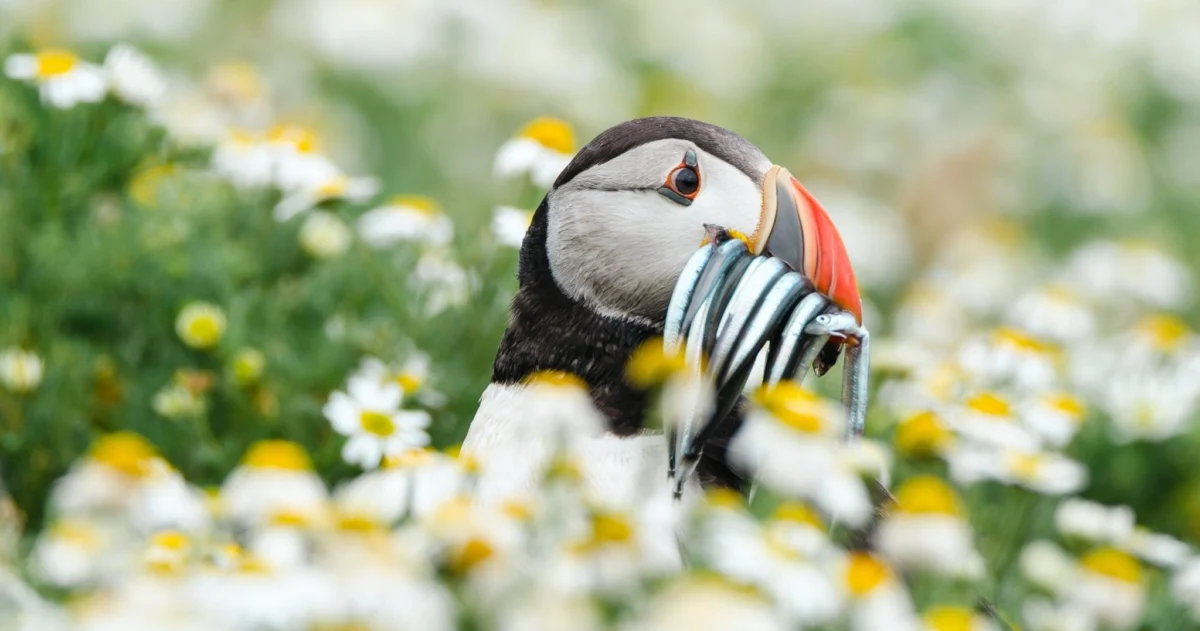
The Atlantic puffin, a charismatic seabird instantly recognizable by its vibrant, tri-colored beak and distinctive calls, is facing an unprecedented crisis. These iconic residents of European coastlines, spending the majority of their lives navigating the vast expanse of the Atlantic Ocean, are returning to land this spring to find a grim reality. An extraordinary seabird "wreck," the most significant in a decade, has left thousands of birds dead or dying, with the puffin population bearing a disproportionate brunt of this ecological catastrophe. The scale of this event, exacerbated by intensifying storm activity and compounded by existing human-induced pressures, paints a dire picture for the future of these beloved marine animals and the health of our oceans.
A Winter of Unprecedented Loss: The Scale of the Seabird Wreck
The chilling statistics emerged as winter’s grip loosened along the Atlantic coasts of Spain, Portugal, and France. Scientists and conservationists were met with a "true horror scenario": over 38,000 seabirds found stranded, many succumbing to exhaustion and starvation. The United Kingdom, particularly the shores of Cornwall, reported hundreds of dead puffins washed ashore. This starkly contrasts with the mere two puffin deaths recorded in the same region the previous year, transforming what should have been a picturesque winter landscape into a scene of ecological devastation.
This widespread mortality event, known as a seabird wreck, is a recognized natural phenomenon. It typically occurs when severe winter storms batter the open ocean, leaving seabirds that spend months at sea vulnerable. These birds, reliant on their keen eyesight to hunt for fish in often clear waters, struggle to find sustenance during prolonged periods of rough seas and reduced visibility. The journey back to land, often arduous under normal circumstances, becomes a desperate battle for survival. For many, exhaustion and starvation prove fatal, leading to large numbers of dead or dying birds washing ashore.
The 2023-2024 wreck is being compared to the devastating event of 2013-2014, which saw over 54,000 seabirds reported dead across European Atlantic coastlines. During that previous crisis, puffins were identified as the most severely affected species. However, experts caution that the true death toll from the recent wreck is likely much higher, as a significant proportion of birds perish at sea and never reach the shore to be counted. This invisible mortality represents a substantial underestimation of the ecological impact.
The Puffin’s Plight: Challenges at Sea and the Specter of Climate Change
The Atlantic puffin, scientifically known as Fratercula arctica, is renowned for its clown-like appearance, with its striking orange and black beak and a characteristic waddle on land. These birds are highly adapted to marine life, spending up to eight months at sea, far from land. Their breeding season, from April to August, sees them return to coastal colonies across northern Europe, where they nest in burrows on cliffs and islands. This annual migration is crucial for their reproduction and the continuation of the species.
However, the recent winter storms have severely disrupted this delicate life cycle. The rough sea conditions directly impact the puffin’s primary foraging strategy. As stated by Antonio Vulcano, Senior Marine Conservation Officer at BirdLife Europe and Central Asia, "Puffins rely on their eyesight to hunt, and need clear water to find food. But rough sea conditions make finding food extremely difficult." This difficulty in accessing their food sources, typically small fish like sandeels and sprats, leaves them weakened and depleted. The long journeys undertaken in search of sustenance, coupled with the inability to feed effectively, results in many birds being too exhausted and starved to survive the arduous voyage back to their breeding grounds.
The intensifying power of these winter storms is a direct consequence of climate change. As global temperatures rise, the oceans absorb excess heat, leading to increased ocean stratification and more energetic weather systems. This translates into more frequent and severe storms, creating a more hostile environment for seabirds. If these extreme weather events become the new norm, it could push seabird populations, including puffins, beyond their capacity to adapt and recover. The ecological resilience of these species is being tested to its limits.
A Cumulative Crisis: Beyond Weather Extremes
While severe weather events are a natural driver of seabird wrecks, the current crisis is exacerbated by a complex web of human-induced threats. Antonio Vulcano highlights this multifaceted challenge: "In Europe, threats to seabirds are worsening every year. At the same time, seabird populations in the region are declining, and recovery can take a long time. Puffins, an iconic species of the northern seas, are no exception."
He further elaborates on the array of pressures: "This adds to an already long list of threats, such as food shortages due to overfishing, bycatch in fishing gears, predation at breeding colonies by invasive alien species, and poorly planned offshore wind developments."
Overfishing: Commercial fishing practices often target the same fish species that puffins rely on for sustenance. This overexploitation of marine resources depletes the available food for seabirds, leading to nutritional stress and reduced breeding success. Declines in sandeel populations, a staple food for puffins in many areas, have been directly linked to increased fishing pressure.
Bycatch: Seabirds are often unintentionally caught in fishing nets and lines, a phenomenon known as bycatch. This can lead to drowning or severe injury, contributing significantly to mortality rates. Despite efforts to implement more selective fishing gear, bycatch remains a persistent problem for many seabird populations.
Invasive Alien Species: On land, breeding colonies of seabirds can be vulnerable to predation by introduced species. For instance, rats and stoats on islands where puffins nest can decimate eggs and chicks, impacting breeding success and population numbers.
Offshore Wind Developments: While renewable energy is crucial for combating climate change, the rapid expansion of offshore wind farms can also pose risks. Construction and operational activities can disrupt seabird foraging patterns, create noise pollution, and lead to collisions with turbines, particularly if developments are not carefully planned and located.
The cumulative effect of these multiple stressors means that seabird populations are facing a relentless onslaught. The ability of species like the puffin to withstand and recover from the impacts of extreme weather is severely diminished when they are already struggling with food scarcity, accidental mortality in fishing gear, and habitat degradation.
Broader Implications: The Impact on Breeding Seasons and Ecosystem Health
The winter’s devastating losses are poised to have significant repercussions for the upcoming breeding season. A reduced number of breeding pairs is anticipated at many of the puffins’ key nesting sites across the UK and Europe. Iconic locations such as Bempton Cliffs, Skomer Island, the Farne Islands, the Isle of May, and St. Kilda are likely to see fewer puffins returning to their established burrows. This diminished breeding success not only impacts the immediate population numbers but also affects the long-term viability of these colonies.
The fragility of life at sea has been starkly underscored by this winter’s wreck. European seabird populations are already in a precarious state, with many species experiencing long-term declines. The current crisis serves as a critical reminder of the urgent need for robust conservation measures to ensure their survival.
A Glimmer of Hope: Conservation Efforts and the Path Forward
Despite the dire circumstances, the situation is not entirely without hope. Dedicated local shelters and environmental organizations, such as the Wildlife Trust, are working tirelessly to rescue and rehabilitate injured and weakened seabirds. These on-the-ground efforts are crucial in mitigating the immediate impact of the wreck and providing a lifeline for surviving individuals.
The return of puffins to their nesting cliffs this spring will be a testament to their resilience, but the months ahead will be shaped by both natural forces and human decisions. As Antonio Vulcano emphasizes, "It is crucial to focus on the cumulative effects of these several threats on seabird populations. Only by addressing the full range of threats we can help them to bounce back, by reducing pressures before it is too late."
The path towards safeguarding puffins and other seabirds requires a multi-pronged approach. This includes:
- Strengthening Protection of Marine Ecosystems: Establishing and effectively managing Marine Protected Areas (MPAs) can provide vital refuge for seabirds and their prey, allowing populations to recover.
- Promoting Sustainable Fishing Practices: Implementing stricter quotas, reducing bycatch through improved fishing gear, and supporting responsible fisheries management are essential to ensure food security for seabirds.
- Well-Planned Offshore Development: Ensuring that offshore wind farms and other marine infrastructure projects are strategically sited and developed with minimal environmental impact is crucial. This includes comprehensive environmental impact assessments and mitigation strategies.
- Addressing Climate Change: Ultimately, the most significant long-term threat to seabirds is climate change. Global efforts to reduce greenhouse gas emissions and transition to a low-carbon economy are paramount to mitigating the intensification of extreme weather events.
The stark reality of this winter’s seabird wreck serves as a profound and painful reminder of the intricate connections within marine ecosystems and the profound impact human activities have on the natural world. The future of Europe’s beloved puffins, and indeed countless other marine species, hinges on our collective ability to recognize these interconnected threats and implement decisive, meaningful actions to protect the health of our oceans. The choices made on land and at sea in the coming years will determine whether these iconic birds can continue to grace our coastlines for generations to come.

