


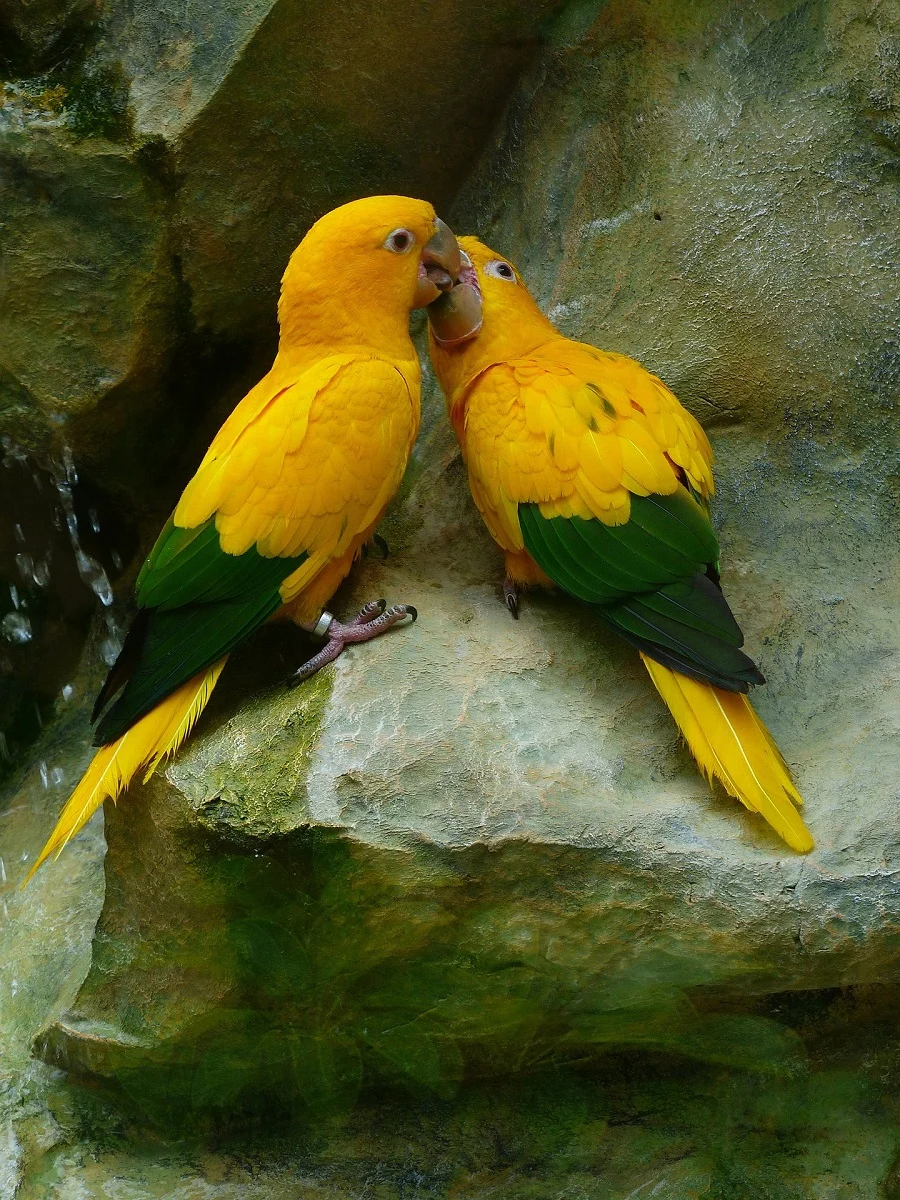
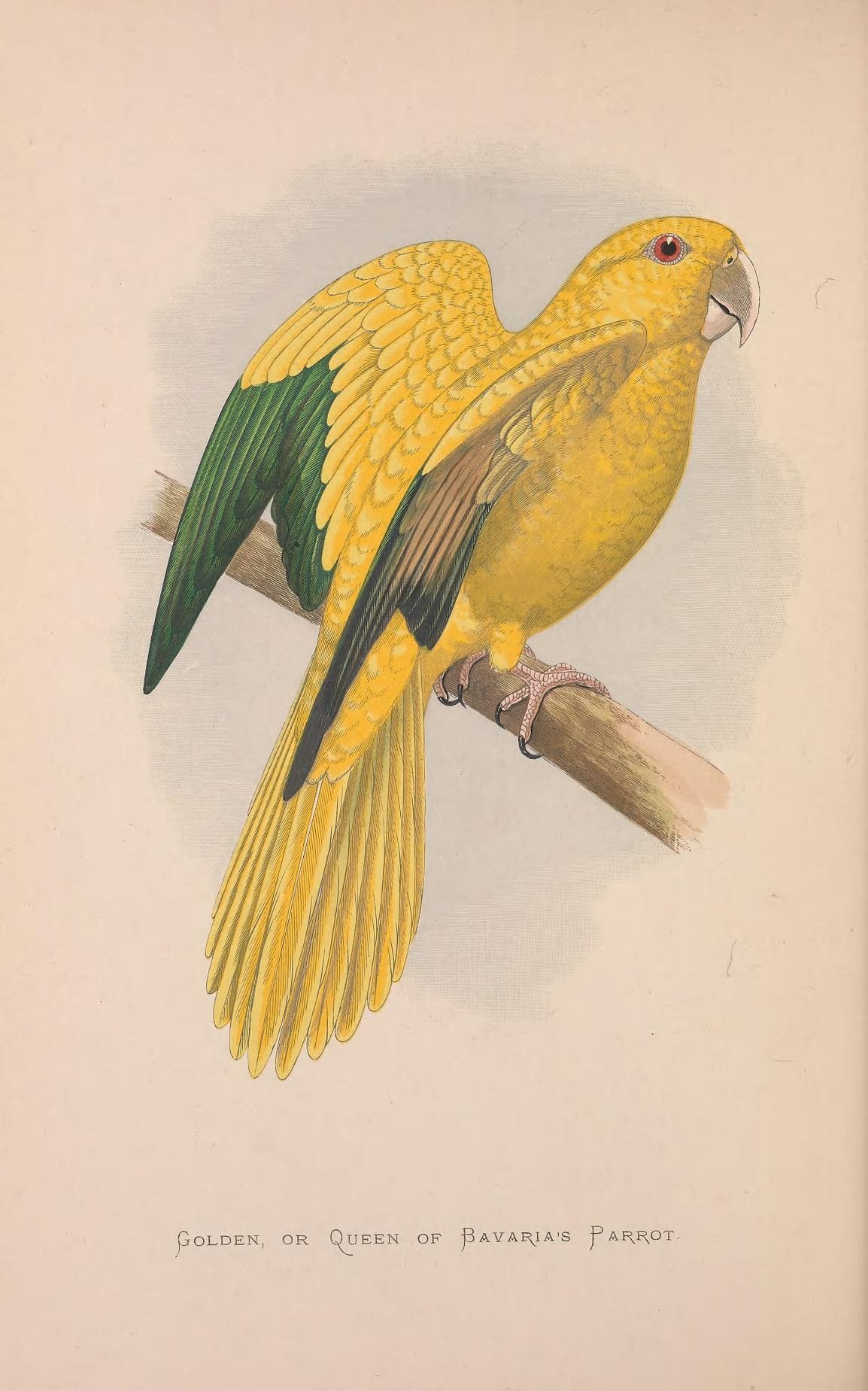
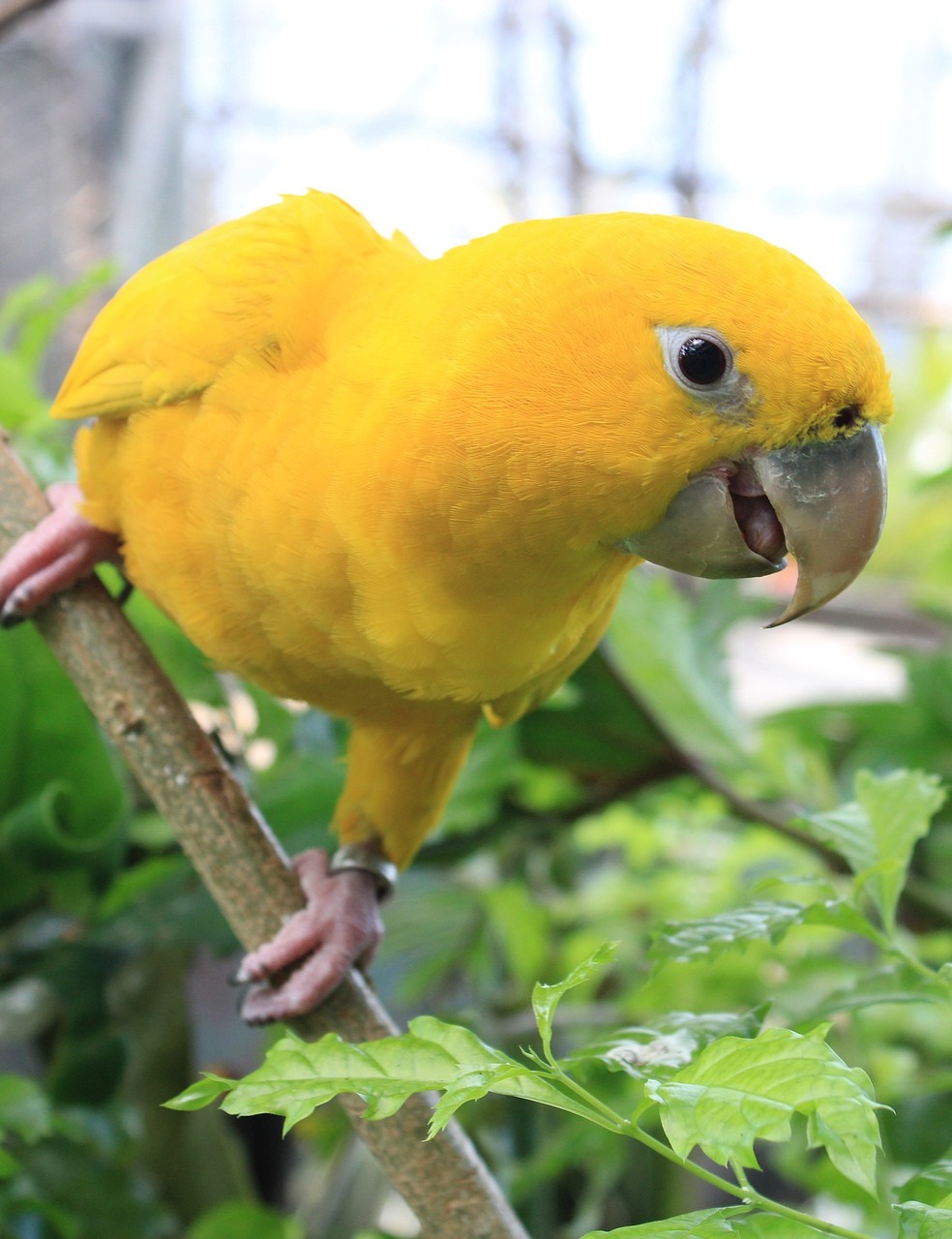
The Golden Conure, known scientifically as Guaruba guarouba and colloquially as the Queen of Bavaria Conure or Golden Parakeet, is a striking avian species native to the Brazilian Amazon Basin, renowned for its vivid, uniform golden plumage that distinguishes it as one of the most beautiful parrots in the world. This medium-sized parrot, with an average length of up to 14 inches (35 cm) and a weight of approximately 250 grams, possesses a remarkable lifespan of up to 30 years in captivity, making it a significant long-term commitment for potential owners. Its beauty, however, belies a complex existence marked by a unique natural history, a challenging conservation status, and specific care requirements that demand considerable attention from those considering it as a companion animal.
A Detailed Look at the Golden Conure’s Distinctive Features
The Golden Conure stands out within the parrot family due to its almost entirely golden-yellow body, a trait that sets it apart from many other conure species which often exhibit a mosaic of colors. Adults typically display this brilliant yellow coloration across their entire body, punctuated only by dark green wing tips, which become more pronounced during flight. Juvenile birds, however, present a different plumage, featuring a greater prevalence of green, particularly on their wings, and sometimes speckled across their backs and heads, gradually transitioning to the adult golden hue over time. A notable characteristic is its large, horn-colored beak, perfectly adapted for cracking seeds and fruits in its natural habitat. Visually, discerning the sex of a Golden Conure is impossible; male and female birds exhibit identical plumage, necessitating DNA testing for accurate sex determination. This species is the sole member of its genus, Guaruba, underscoring its unique evolutionary path and morphological distinctiveness.
The Evolving Scientific Identity: A Chronology of Taxonomic Reclassification
The scientific classification of parrots, including the Golden Conure, has often been a dynamic and sometimes contentious field, reflecting ongoing advancements in genetic research and ornithological understanding. Initially, the Golden Conure was classified under the genus Conurus, a broad grouping that encompassed many parakeet-like species. Over time, as scientific methodologies became more refined and phylogenetic relationships were better understood, its classification shifted to Eupsittula and subsequently to Aratinga. This sequential reclassification highlights the complexities inherent in taxonomy, where common names often cause confusion, and even scientific names are subject to revision as new data emerges.
A pivotal moment in the Golden Conure’s taxonomic journey occurred in 2006 when acclaimed ornithologist Joseph Forshaw, in his comprehensive guide "Parrots of the World," listed the species as Guaruba guarouba. This designation proposed that the Golden Conure was distinct enough to warrant its own genus, a hypothesis that had long been suspected within the ornithological community. Subsequent phylogenetic studies, utilizing mitochondrial and nuclear DNA sequences, provided robust molecular evidence supporting Forshaw’s classification. For instance, a 2006 article published in Systematic Biology confirmed that Guaruba is more closely related to red-shouldered macaws of the genus Diopsittaca than to the Aratinga conures, definitively establishing its current valid name. This reclassification was not merely an academic exercise; it provided a clearer understanding of the species’ evolutionary lineage, aiding in more accurate conservation strategies and a better framework for understanding its unique biological traits.
A Fragile Existence: Habitat, Range, and Conservation Imperatives
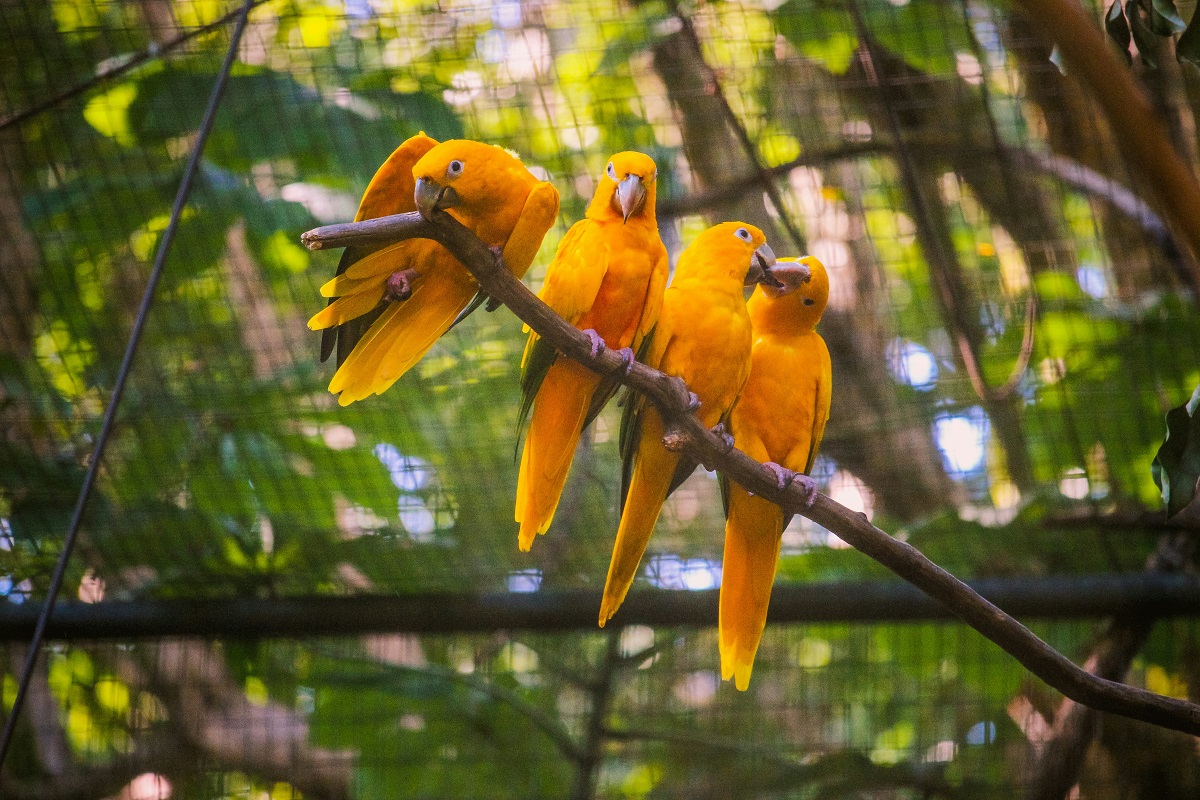
The Golden Conure’s natural range is confined to specific regions within the Brazilian Amazon Basin, primarily in the state of Pará, with potential extensions into neighboring Maranhão. Within this vast ecosystem, these parrots primarily inhabit dry lowland forests, known as "terra firme" forests, which are not subject to seasonal flooding. However, they are also observed venturing into "várzea" forests, which experience periodic inundation. The species exhibits a nomadic behavior, particularly during the breeding season, when birds may temporarily move from dense jungle environments to less dense areas, possibly in search of suitable nesting sites or food resources.
Nesting behavior among Golden Conures is particularly interesting and somewhat unusual. They typically construct their nests in hollow trees, often enlarging cavities previously used by other species. A striking aspect of their reproductive strategy is communal nesting, where multiple female Golden Conures may lay their eggs in the same nest. This can result in clutches containing more than 10 eggs, an adaptive behavior that may enhance nesting success or provide cooperative care for the young.
Despite their beauty and unique biology, Golden Conures face significant threats in the wild, leading the IUCN Red List to classify Guaruba guarouba as a Vulnerable species. Historically, trapping for the pet trade posed a substantial danger, but this practice has fortunately diminished due to increased conservation efforts and stricter regulations. However, the primary and most severe threats today stem from pervasive habitat fragmentation and destruction. Large-scale deforestation, driven by agricultural expansion (particularly for soy and cattle ranching), illegal logging, and mining operations, continues to decimate the Amazon rainforest, directly eroding the Golden Conure’s natural habitat. "The ongoing loss of primary forest is an existential threat to species like the Golden Conure," states Dr. Ana Costa, a conservation biologist working in the Amazon. "While the pet trade has decreased, the relentless pace of habitat destruction means these birds are losing their homes faster than they can adapt or relocate."
Conservation efforts are multifaceted, involving the establishment of protected areas, the enforcement of environmental laws, and community engagement initiatives to promote sustainable land use. Breeding programs in zoological institutions also play a crucial role in maintaining a healthy genetic reservoir and could potentially contribute to future reintroduction efforts. Understanding the species’ specific ecological needs, such as its nomadic patterns and communal nesting, is vital for designing effective conservation strategies that protect not just individual birds but also their critical habitats and social structures.
Nutritional Foundations: Wild Diet vs. Captive Care
In their lush Amazonian home, wild Golden Conures enjoy a diverse and seasonally varied diet. Scientific observations indicate that their primary food source consists of fruits, with favorites including those from açaí and bacaba palms, as well as cashew, ice cream bean, nance, and locustberry trees. Beyond fruits, they also forage for flowers and flower buds, indicating a broad dietary spectrum. Like many other parrot species, Golden Conures are opportunistic feeders and may occasionally raid local farmers’ crops, showing a particular fondness for corn and mango. This adaptability in diet underscores their ability to thrive in a rich, biodiverse environment.
For Golden Conures in captivity, replicating this dietary diversity and nutritional balance is paramount for their long-term health and well-being. The cornerstone of a captive Golden Conure’s diet should be high-quality parrot pellets. Unlike traditional dry seed mixes, which are often high in fat and deficient in essential nutrients, pellets are formulated to provide a complete and balanced nutritional profile. While pellets form the staple, variety is crucial and can be introduced through a wide array of fresh foods, including:
- Fruits: Apples, berries (blueberries, raspberries), mangoes, papayas, melons, bananas, grapes (in moderation).
- Vegetables: Leafy greens (kale, spinach, romaine lettuce), bell peppers, carrots, broccoli, sweet potatoes, peas.
- Sprouts: Mung bean sprouts, alfalfa sprouts, lentil sprouts, which are packed with enzymes and vitamins.
- Nuts and Seeds: Almonds, walnuts, pecans (unsalted, in moderation due to fat content), flax seeds, chia seeds.
- Cooked Grains and Legumes: Brown rice, quinoa, lentils, chickpeas.
It is essential to avoid certain foods that are toxic to parrots, such as avocado, chocolate, alcohol, and caffeine. A healthy diet is a primary determinant of a Golden Conure’s lifespan and quality of life. As aviculturist Dr. Evelyn Reed advises, "A varied diet not only ensures complete nutrition but also provides mental stimulation. Birds thrive on discovering new textures and tastes." Presenting food in a foraging setting, using puzzle feeders or hiding treats, combines mealtime with play, mimicking their natural behavior of searching for food and preventing boredom, which is a common issue for captive parrots.
Creating an Optimal Environment: Housing and Enrichment
Given their energetic nature and medium size, Golden Conures require spacious housing to thrive in captivity. A full-sized indoor aviary is ideal, especially if the bird is not regularly allowed outside its cage. For birds that receive several hours of supervised out-of-cage time daily, an enclosure with a minimum width of 40 inches (1 meter) is generally recommended, though larger is always better. The cage dimensions should allow the bird to fully extend its wings without touching the sides or top.
The interior of the cage is equally important. It should be furnished with a variety of natural wood perches of different diameters and textures to promote foot health and prevent pressure sores. Platforms, ladders, and ropes should also be included to encourage climbing and provide diverse perching options. Crucially, the cage must be equipped with an abundance of parrot toys. Golden Conures are highly intelligent and playful birds that bore easily. Toys serve multiple purposes: they satisfy the natural instinct to chew and shred, facilitate preening activities, and provide outlets for vocalization and active play. Rotating toys regularly can help maintain interest and prevent monotony.
To further enhance their environment, particularly for periods outside the main enclosure, owners can install cage-top playgrounds with additional perches and toys or invest in a dedicated parrot tree. These external structures provide safe and stimulating spaces for the bird to explore, climb, and interact with its surroundings under supervision, fostering both physical exercise and mental engagement.
The Importance of Enrichment: Combating Boredom and Promoting Well-being
Golden Conures, like all parrots, possess high cognitive abilities and a strong need for mental and physical stimulation. In the wild, they spend their days foraging, interacting with flock members, and navigating complex environments, constantly engaging their intelligent brains. In captivity, a lack of adequate enrichment can lead to significant behavioral and psychological problems. Stress resulting from boredom and under-stimulation can manifest in undesirable behaviors such as excessive screaming, feather plucking (a severe form of self-mutilation), or even aggression towards owners or other pets.
Effective enrichment strategies are therefore non-negotiable for responsible Golden Conure ownership:
- Foraging Opportunities: Beyond simply providing food, owners should integrate foraging toys and activities that require the bird to "work" for its meals, mimicking natural food-seeking behaviors.
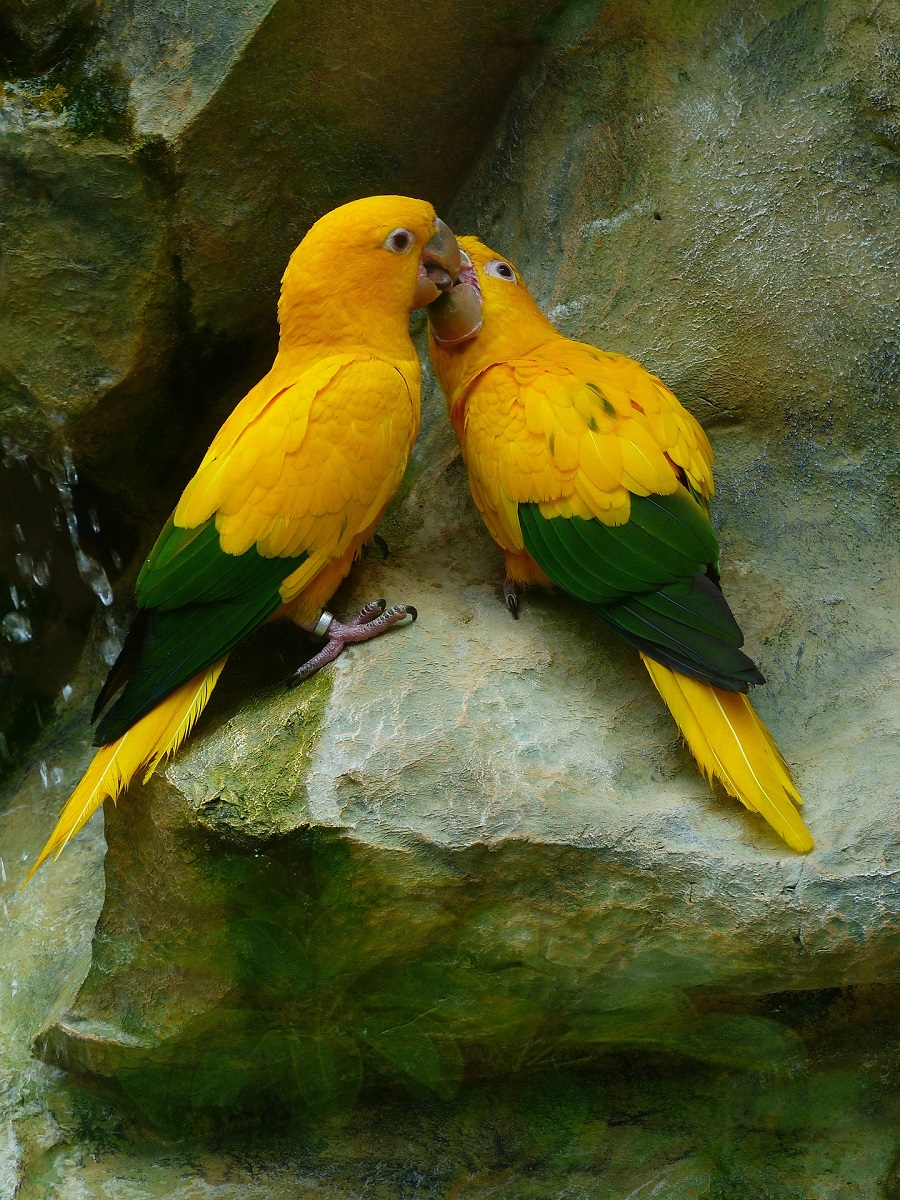
- Social Interaction: Golden Conures are highly social animals. Daily, positive interaction with their human caregivers is essential. This includes talking, playing, cuddling, and even gentle training sessions. If possible and appropriate, keeping them in pairs or small flocks can also fulfill their social needs, provided adequate space and resources are available.
- Variety of Toys: A diverse selection of toys that cater to different instincts (chewing, shredding, preening, problem-solving) should be available and rotated frequently.
- Puzzle Toys: Toys that challenge the bird to solve problems to access treats or other rewards stimulate their intelligence.
- Training: Positive reinforcement training not only teaches desirable behaviors but also builds a strong bond between bird and owner, providing valuable mental stimulation.
- Flight Opportunities: If safe and practical, allowing supervised free flight in a parrot-proofed room provides essential exercise and a sense of freedom.
- Bathing: Regular opportunities for bathing, whether through misting, a shallow water dish, or a bird bath, promote feather health and provide sensory enrichment.
To prevent accidents, any room a Golden Conure has access to must be thoroughly parrot-proofed, removing potential hazards such as toxic plants, exposed electrical wires, open toilets, and small ingestible objects. It is also important to note that obesity is a leading cause of death for pet parrots. These enrichment tips not only prevent boredom but also actively encourage physical activity, contributing significantly to a Golden Conure’s overall health and longevity.
Temperament and Social Dynamics: A Loyal, Energetic Companion
The temperament of a Golden Conure is generally as vibrant and engaging as its plumage. While individual personalities can vary based on genetics, early socialization, and upbringing, most Golden Conures are characterized by their friendly, affectionate, and energetic disposition. They tend to form strong bonds with multiple family members, rather than exhibiting the "one-person bird" behavior sometimes seen in other parrot species, making them excellent companions for households with several individuals.
Golden Conures revel in playtime, eagerly engaging with toys and interactive activities. They also appreciate close physical contact, often enjoying perching on a shoulder or receiving gentle cuddles and head scratches. Their sociable nature means they thrive on attention and interaction, displaying an even-tempered demeanor and generally not being prone to aggression. However, this high need for interaction implies that they are decidedly not low-maintenance pets. Prospective owners must be prepared to dedicate significant time daily to direct interaction, play, and training to ensure their Golden Conure remains well-adjusted and happy. "Golden Conures are incredibly rewarding pets for those who can meet their social needs," comments Dr. Sarah Jenkins, a veterinary behaviorist. "Their intelligence and affectionate nature make them truly part of the family, but neglecting their need for interaction can lead to severe behavioral issues."
Vocalizations: The Soundscape of a Golden Companion
While not as piercingly loud as some members of the Aratinga genus, such as the Sun Conure, Golden Conures are by no means quiet birds. Their relatively large size endows them with powerful voices, capable of producing a range of vocalizations that can be quite audible. The specific noise level can vary between individuals, but potential owners must acknowledge that a Golden Conure will contribute significantly to the soundscape of their home. This involves contact calls, alarm calls, and general chatter throughout the day, often peaking during dawn and dusk.
Before committing to a Golden Conure, it is highly advisable for prospective owners to experience their vocalizations firsthand. Visiting a breeder, a bird rescue, or friends who own one can provide a realistic understanding of their noise level. Online resources like xeno-canto, which hosts recordings of Guaruba guarouba calls, can also offer an auditory preview.
Regarding their talking ability, while nearly all parrots possess the capacity to remember and imitate sounds from their environment, Golden Conures are not renowned as "champion talkers" like some Amazon parrots or African Greys. They can typically learn to mimic simple words, short phrases, easy tunes, and various household sounds. However, their vocalizations are often not as clear or distinct as those of other species, and their vocabulary tends to be limited. The primary appeal of a Golden Conure lies more in its interactive personality and stunning appearance rather than its linguistic prowess.
Ethical Considerations and Responsible Ownership
Bringing a Golden Conure into one’s home is a profound commitment that can span up to three decades. This necessitates a thorough understanding of their specific needs, from diet and housing to social interaction and environmental enrichment. Responsible ownership begins with ethical sourcing, ideally from reputable breeders who prioritize the health and welfare of their birds, or through adoption from avian rescues. Supporting breeders who adhere to ethical practices also indirectly contributes to discouraging illegal wild-caught trade.
Beyond individual care, responsible ownership can also extend to supporting conservation efforts for Guaruba guarouba in their native habitat. Donations to organizations working to protect the Amazon rainforest and its biodiversity contribute to the long-term survival of this vulnerable species. The Golden Conure, with its captivating beauty and engaging personality, offers a truly unique companionship experience. However, this privilege comes with the responsibility to provide a stimulating, loving, and appropriate environment that honors their complex biological and psychological needs, ensuring they can live long, healthy, and happy lives.

