


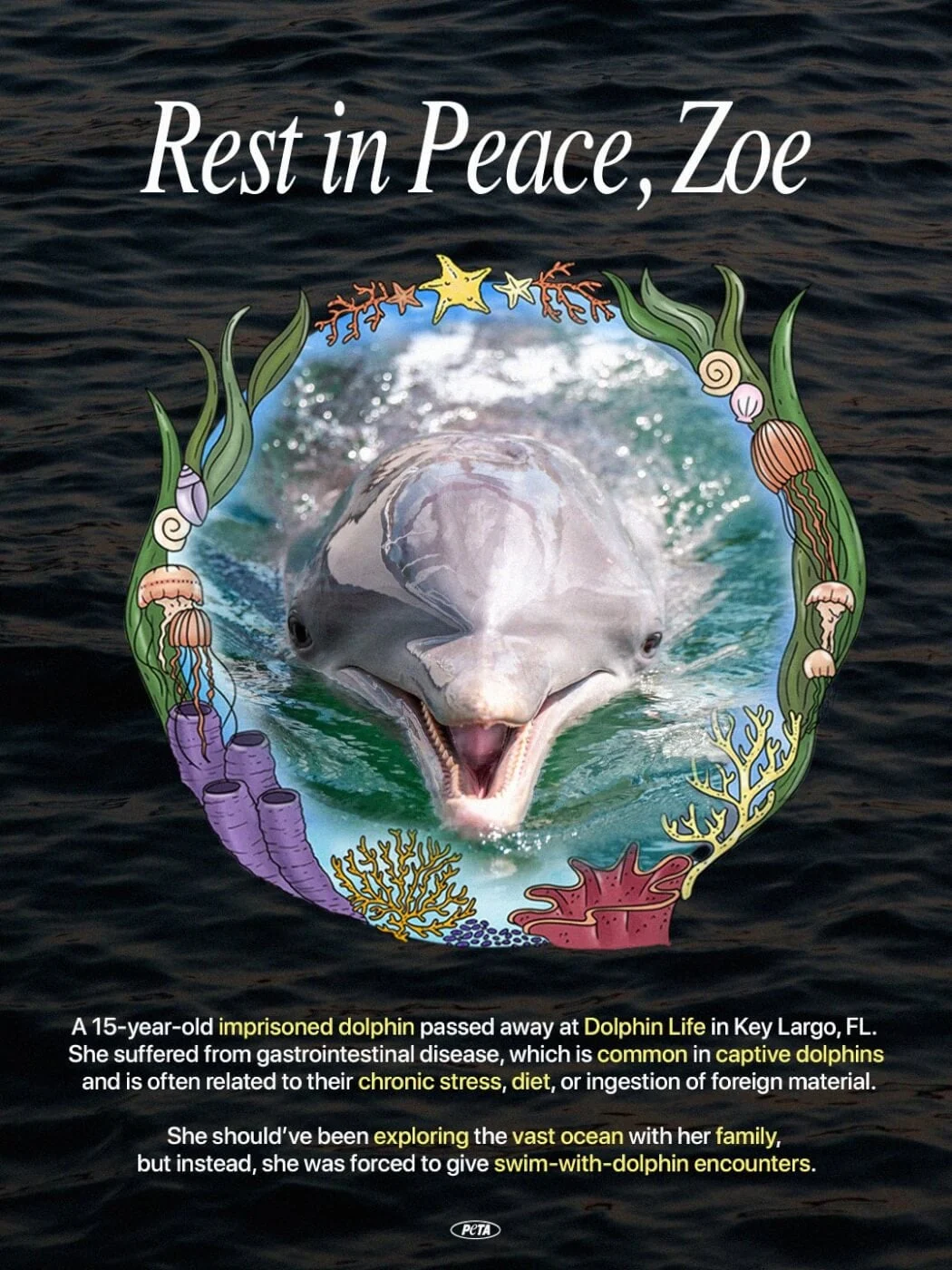
The marine mammal entertainment industry is facing renewed scrutiny following the death of Zoe, a 15-year-old Atlantic bottlenose dolphin, at the Dolphin Life facility in Key Largo, Florida. On May 1, 2026, officials confirmed the passing of the young dolphin, who had spent her life participating in "swim-with-the-dolphins" programs, a popular but controversial staple of the Florida Keys tourism economy. While bottlenose dolphins in the wild are known to live well into their 40s or even 50s, Zoe’s death at age 15 highlights a troubling disparity in lifespan between wild populations and those held in commercial captive environments. The incident has prompted immediate calls for a full investigation into the facility’s husbandry practices and has reignited the national debate regarding the ethics of using highly intelligent cetaceans for interactive public entertainment.
Medical Circumstances and the Pathology of Captivity
According to reports released following the dolphin’s passing, Zoe succumbed to a complex series of health complications, beginning with a severe gastrointestinal infection and pancreatitis. Medical staff at Dolphin Life noted that these initial illnesses eventually triggered an immune-mediated condition, which led to chronic anemia and a systemic failure of her health. While the facility characterizes the death as an unfortunate medical event, marine biologists and animal welfare advocates point to a broader pattern of health issues prevalent among captive cetaceans.
Gastrointestinal distress is one of the most frequently cited causes of illness and mortality in captive dolphins. Independent veterinary experts suggest that the chronic stress of confinement, combined with the artificial nature of a captive diet—which usually consists of frozen-and-thawed fish rather than live prey—can significantly compromise a dolphin’s digestive system. Furthermore, the ingestion of foreign materials, which can occur in shallow lagoons or tanks where visitors are present, often exacerbates these conditions. In Zoe’s case, the progression from a localized infection to a systemic immune-mediated crisis suggests a severely compromised immune system, a common byproduct of the psychological and physical stressors inherent in "direct-contact" encounter programs.
A History of Regulatory Concerns and Safety Incidents
The death of Zoe is not the first time Dolphin Life has come under the microscope of federal regulators. In 2023, the United States Department of Agriculture (USDA), which is tasked with enforcing the Animal Welfare Act, cited the facility following a significant safety breach. During a "swim-with" encounter, a guest sustained bite wounds from two different dolphins. The citation highlighted failures in maintaining sufficient distance and control during interactive sessions, raising questions about the safety of both the human participants and the animals involved.
The 2023 incident served as a precursor to the current controversy, as animal advocacy groups argued that aggressive behavior in dolphins is often a manifestation of frustration and the overstimulation of being forced into repetitive, unnatural interactions with humans. In the wild, dolphins have the autonomy to choose their social circles and avoid interactions they find threatening or tiresome. In a commercial lagoon setting, these animals are frequently deprived of "flight" options, leading to the "fight" responses documented in USDA inspection reports.
The Biological Disconnect: Open Ocean vs. Shallow Lagoons
To understand the gravity of Zoe’s early death, it is necessary to examine the natural history of the Tursiops truncatus species. Bottlenose dolphins are acoustic, social, and highly mobile mammals. In their natural habitats, they are known to travel upwards of 60 miles per day, diving to depths of several hundred feet to hunt and explore. Their lives are structured around complex social pods, where they utilize sophisticated echolocation to navigate a vast, three-dimensional environment.
In contrast, captive facilities in the Florida Keys often house dolphins in shallow lagoons or concrete tanks that represent a fraction of one percent of their natural range. The acoustic environment of these enclosures is often described as "sensory deprivation" or "hall of mirrors" for dolphins, as their sonar clicks bounce off walls and barriers, causing potential psychological distress. Critics argue that the "swim-with" model is particularly taxing, as it requires dolphins to remain in shallow water for extended periods, performing repetitive tasks for food rewards, which can lead to the sedentary lifestyle and subsequent health issues seen in Zoe’s medical history.
Advocacy Response and the Call for Seaside Sanctuaries
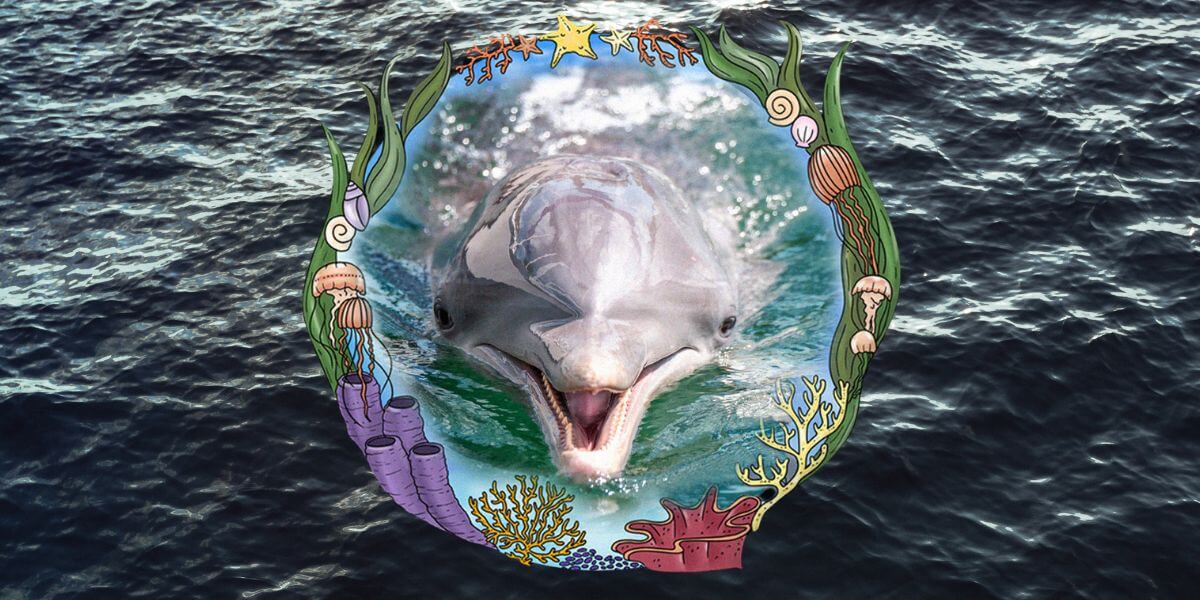
In the wake of Zoe’s death, People for the Ethical Treatment of Animals (PETA) has intensified its campaign against Dolphin Life and similar operations. The organization dispatched an urgent letter to the facility’s founder and director, demanding an immediate cessation of all direct-contact programs. PETA’s primary objective is the relocation of the remaining dolphins at the facility to seaside sanctuaries.
The concept of a seaside sanctuary is increasingly viewed as the "middle ground" in the cetacean captivity debate. Unlike traditional marine parks, these sanctuaries are typically located in protected coastal bays or coves, allowing dolphins to live in natural seawater while still receiving veterinary care and supplemental feeding. These environments provide significantly more space and allow the animals to engage in more natural behaviors, such as hunting for live fish and exploring a diverse seabed, without being forced to perform for tourists. The Global Federation of Animal Sanctuaries (GFAS) provides accreditation for such facilities, ensuring they prioritize animal welfare over profit and prohibit hands-on public interactions.
The Economic and Ethical Shift in Marine Tourism
The death of Zoe comes at a time when the global tourism industry is undergoing a massive shift in how it approaches animal-based attractions. In recent years, major travel platforms including TripAdvisor, Expedia, and Virgin Holidays have announced policies to stop selling tickets to facilities that breed or import cetaceans for public entertainment. This shift is largely driven by public sentiment, which has been influenced by documentaries and scientific research highlighting the cognitive complexity of dolphins and whales.
The Florida Keys, where dolphin encounters have long been a major revenue driver, now finds itself at a crossroads. While proponents of these parks argue that they provide educational value and foster a connection between humans and marine life, critics point to the "Blackfish effect"—the phenomenon named after the 2013 documentary that led to a sea change in public perception regarding captive orcas. The argument is that "education" cannot be achieved by observing an animal in a state of compromised health and restricted autonomy.
Implications for the Future of Dolphin Life
As the investigation into Zoe’s death continues, Dolphin Life faces increasing pressure to provide transparency regarding its remaining animals. Industry analysts suggest that the facility may face heightened scrutiny from the USDA and the National Oceanic and Atmospheric Administration (NOAA) in the coming months. If further health issues or safety violations are discovered, the facility could face fines, license suspensions, or the permanent revocation of its permits to hold marine mammals.
Furthermore, the death of a young dolphin like Zoe serves as a data point for researchers studying the long-term effects of captivity. Data from the Marine Mammal Inventory Report (MMIR) suggests that while some captive dolphins can live long lives, the infant and juvenile mortality rates in certain facilities remain a point of concern for the scientific community.
Conclusion: A Turning Point for Key Largo
The loss of Zoe is more than a localized tragedy for a single Florida business; it is a catalyst for a broader conversation about the future of marine mammal captivity in the United States. As the public becomes more informed about the biological and psychological needs of dolphins, the traditional model of "exploitation for entertainment" is becoming increasingly difficult to sustain.
The proposal to transition these animals to seaside sanctuaries represents a path forward that acknowledges the reality that many captive-born dolphins cannot be released into the open ocean, yet deserve a life free from the stressors of commercial performance. Whether Dolphin Life and its contemporaries will adapt to this changing ethical landscape remains to be seen. For Zoe, the change comes too late, but for the dolphins remaining in the shallow lagoons of Key Largo, her death may yet serve as the impetus for a new era of genuine conservation and respect.

