


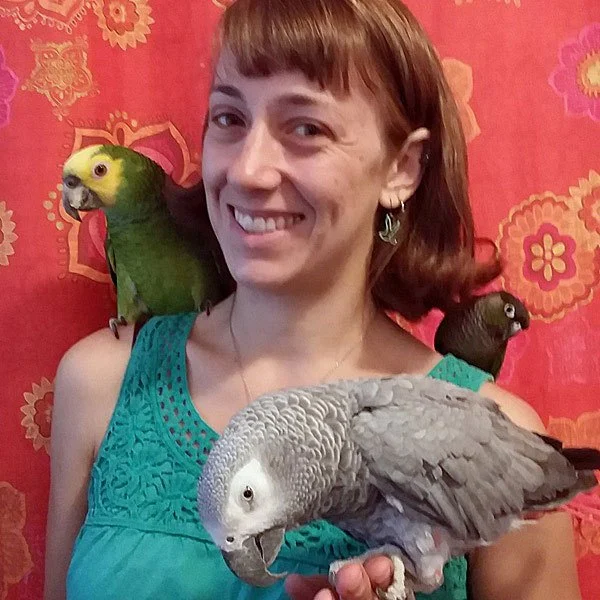
Scheduled for Friday, May 8th, 2026, at 12:00 p.m. PST, the second installment of the "Avian Vet Insider" webinar series will delve into the complexities of avian neoplasia, specifically focusing on cancers affecting the gastrointestinal tract and other internal systems. This highly anticipated session, presented by the distinguished Dr. Stephanie Lamb, aims to equip bird owners and veterinary professionals with critical knowledge regarding the diagnosis, management, and implications of neoplastic disorders in pet birds. Attendees are advised to utilize the provided time zone converter to ensure accurate participation from their respective locations.
The Pervasive Challenge of Avian Neoplasia
Avian neoplasia, commonly referred to as cancer in birds, represents a significant and often challenging health concern in veterinary medicine. As companion birds increasingly benefit from advanced care, improved nutrition, and longer lifespans, the incidence of age-related diseases, including various forms of cancer, has become more prevalent. Unlike mammals, the clinical presentation of neoplasia in birds can be subtle and non-specific, often delaying diagnosis until the disease is in an advanced stage. This delay complicates treatment and can significantly impact prognosis. Research indicates that certain species, such as budgerigars, cockatiels, and Amazon parrots, exhibit predispositions to particular types of tumors, highlighting the genetic and environmental factors at play. The spectrum of avian cancers ranges from benign lipomas and papillomas to aggressive carcinomas, sarcomas, and lymphomas, affecting virtually every organ system. Understanding the diverse manifestations of these diseases is paramount for effective intervention.
The veterinary community has observed a steady increase in the reporting of avian neoplastic cases over the past few decades. This trend is not necessarily indicative of a higher actual incidence rate but rather reflects advancements in diagnostic capabilities, greater owner awareness, and a growing emphasis on specialized avian veterinary care. Previously, many avian deaths were attributed to non-specific causes, with necropsies being less common. Today, sophisticated imaging techniques, improved histopathology, and a deeper understanding of avian physiology allow for more precise diagnoses, thereby contributing to a more accurate picture of neoplasia’s prevalence. Educational initiatives, such as the "Avian Vet Insider" series, play a crucial role in disseminating this evolving knowledge, fostering a proactive approach to avian health management.
The "Avian Vet Insider" Series: Bridging Knowledge Gaps
The "Avian Vet Insider" webinar series serves as a vital educational platform, designed to bring cutting-edge information and expert insights directly to the global community of bird enthusiasts and veterinary practitioners. This series aims to demystify complex medical topics, providing practical knowledge that can be applied in both clinical settings and home care environments. The overarching goal is to enhance the welfare and longevity of pet birds by empowering caregivers with informed decision-making tools.
The first part of the Avian Neoplasia series, held at an earlier date, laid the foundational understanding by addressing common skin cancers and reproductive tract tumors. Skin tumors, while often visible, can present diagnostic challenges due to feather coverage and can range from benign cysts to aggressive squamous cell carcinomas. Reproductive cancers, particularly in female birds, are alarmingly common, given the physiological demands of egg-laying and the prevalence of chronic egg-laying issues in many companion species. These can include ovarian adenocarcinomas, oviductal carcinomas, and leiomyosarcomas of the reproductive tract. The initial webinar likely covered their clinical signs, diagnostic approaches such as endoscopy and hormonal assays, and available treatment options, setting the stage for a comprehensive exploration of neoplasia across various bodily systems. This structured approach ensures a thorough and progressive learning experience, building upon previously acquired knowledge.
Part 2 Focus: Gastrointestinal Neoplasia and Beyond
The upcoming webinar on May 8th, 2026, will transition its focus to neoplastic disorders affecting other critical systems, with a particular emphasis on the gastrointestinal (GI) tract. Gastrointestinal cancers in birds can be particularly insidious due to the non-specific nature of their early symptoms, often mimicking other common avian ailments. Clinical signs may include chronic weight loss despite adequate food intake, regurgitation or vomiting, changes in fecal consistency (diarrhea or undigested food), lethargy, anorexia, and abdominal distension. In some cases, a palpable abdominal mass might be detected during physical examination, indicating a more advanced stage of the disease.
Common types of GI tumors encountered in birds include adenocarcinomas, which can originate in the proventriculus, ventriculus, or intestines; lymphomas, affecting the lymphoid tissues throughout the GI tract; and squamous cell carcinomas, particularly in areas like the oral cavity or cloaca. Diagnosis often requires a multi-modal approach. Initial steps typically involve thorough physical examination, complete blood count (CBC), and biochemistry profiles to assess overall health and organ function. Radiographs (X-rays) can reveal masses, organ enlargement, or changes in intestinal patterns, but often lack the detail needed for definitive diagnosis. Ultrasound offers a non-invasive way to visualize soft tissue structures, assess organ architecture, and guide fine-needle aspirates or biopsies. Endoscopy, involving the insertion of a tiny camera into the GI tract, is an invaluable diagnostic tool, allowing direct visualization of lesions, collection of biopsy samples, and assessment of tumor extent. Histopathological examination of these biopsies remains the gold standard for definitive diagnosis and tumor typing.
Treatment options for avian GI neoplasia are challenging and often depend on the type, location, and stage of the tumor, as well as the overall health of the bird. Surgical resection is the preferred treatment for localized tumors, but it can be technically demanding given the small size of many avian patients and the delicate nature of avian GI anatomy. Post-operative care requires intensive support to manage pain, nutrition, and prevent complications. Chemotherapy protocols, while less extensively studied and standardized in birds compared to mammals, are increasingly being explored for systemic cancers like lymphoma or as an adjunct to surgery. Radiation therapy, though highly specialized and limited to facilities with appropriate equipment and expertise, can be considered for localized, inoperable tumors. Palliative care, focusing on pain management, nutritional support, and improving quality of life, is a compassionate option for birds with advanced or untreatable cancers. The webinar will likely delve into these diagnostic and therapeutic considerations, offering insights into decision-making frameworks.

The Expert Voice: Dr. Stephanie Lamb
Leading this crucial discussion is Dr. Stephanie Lamb, a highly respected figure in avian veterinary medicine, particularly renowned for her expertise in avian oncology. Dr. Lamb’s contributions to the field extend beyond clinical practice; she is a dedicated educator and researcher committed to advancing the understanding and treatment of diseases affecting pet birds. Her professional background includes extensive experience in avian and exotic animal medicine, having served in various capacities that highlight her profound knowledge and compassionate approach. She is known for her ability to translate complex medical information into understandable and actionable insights for both veterinary professionals and bird owners.
Dr. Lamb’s involvement in the "Avian Vet Insider" series underscores her commitment to fostering a more informed community. Her practical experience, combined with a deep understanding of the latest research and clinical protocols, makes her an ideal speaker for such a challenging topic. Participants can anticipate a presentation that is not only scientifically rigorous but also empathetic to the emotional toll that a cancer diagnosis can have on bird owners. Her inferred philosophy emphasizes that while cancer can be a difficult disorder, being aware of its manifestations and understanding available management strategies are crucial steps toward better outcomes and improved quality of life for avian patients. Her insights will undoubtedly provide a valuable framework for navigating these complex medical scenarios.
Supporting Data and Emerging Trends in Avian Oncology
While precise epidemiological data on avian neoplasia can be challenging to collect comprehensively across all species and geographical regions, general trends and research findings provide valuable context. Studies have indicated that certain breeds are indeed more predisposed. For instance, budgerigars (Melopsittacus undulatus) are frequently diagnosed with renal adenocarcinomas, lymphomas, and pituitary adenomas. Cockatiels (Nymphicus hollandicus) are known for developing lipomas, particularly in older, often overweight individuals, though these are typically benign. Amazon parrots (Amazona spp.) have a higher incidence of squamous cell carcinomas, often affecting the oral cavity or skin. African grey parrots (Psittacus erithacus) have been reported with a range of tumors, including fibrosarcomas and lymphomas.
The increasing lifespan of pet birds, a testament to improved husbandry, nutrition, and veterinary care, inevitably leads to a higher prevalence of age-related diseases, including cancer. Birds living into their teens, twenties, and even thirties are now more common, extending the window during which neoplastic changes can develop. This demographic shift necessitates a greater focus on geriatric avian medicine and oncology. Furthermore, environmental factors, such as exposure to certain toxins or chronic inflammation, are suspected to play a role in some avian cancers, mirroring similar observations in mammalian oncology. Genetic predispositions are also under active investigation, with efforts to identify specific markers or pathways that contribute to tumor development in different avian species.
The field of avian oncology is continuously evolving, with advancements in diagnostic imaging (e.g., CT scans, MRI), minimally invasive surgical techniques, and the exploration of novel chemotherapeutic agents adapted for avian physiology. The concept of personalized medicine, tailoring treatments based on the specific tumor type and individual bird’s genetic profile, is an emerging area of interest. These advancements, coupled with ongoing educational initiatives, are slowly but steadily improving the prognosis and quality of life for birds afflicted with cancer.
Implications for Bird Owners and Veterinary Professionals
The insights shared in "Avian Neoplasia, Part 2" carry significant implications for both avian enthusiasts and veterinary professionals. For bird owners, this webinar offers a crucial opportunity for empowerment through knowledge. Understanding the common signs of gastrointestinal cancer and other internal tumors can enable earlier recognition of subtle symptoms, prompting timely veterinary consultation. This early intervention can be critical in improving diagnostic accuracy and broadening the window for effective treatment options. Moreover, informed owners are better equipped to engage in meaningful discussions with their veterinarians, make educated decisions regarding diagnostic tests and treatment plans, and provide optimal supportive care at home. This knowledge fosters a proactive rather than reactive approach to avian health.
For veterinary professionals, the webinar provides an invaluable platform for continued professional development. Avian medicine is a highly specialized field, and staying abreast of the latest developments in oncology is essential. The session will likely refine diagnostic skills, introduce new therapeutic considerations, and offer practical strategies for managing complex cases. Enhanced understanding of avian GI neoplasia will allow veterinarians to better interpret clinical signs, select appropriate diagnostic tools, and formulate comprehensive treatment protocols. Furthermore, improved knowledge facilitates more effective communication with clients, helping them navigate the emotional and practical challenges associated with an avian cancer diagnosis. As one organizer might infer, "Our unwavering commitment is to bridge the knowledge gap, fostering a vibrant community of exceptionally informed caregivers and dedicated professionals, thereby elevating the standard of avian health globally."
Conclusion: A Unified Approach to Avian Health
The "Avian Vet Insider – Avian Neoplasia, Part 2" webinar on May 8th, 2026, represents more than just an educational event; it is a critical component of the ongoing global effort to advance avian veterinary medicine and enhance the lives of companion birds. By focusing on the intricate details of gastrointestinal and other internal neoplastic disorders, Dr. Stephanie Lamb will provide a beacon of knowledge, illuminating pathways for earlier diagnosis, more effective treatment, and improved quality of life. The challenges posed by avian neoplasia are significant, but through continued research, dedicated education, and a collaborative spirit among owners and veterinary professionals, the prognosis for birds affected by these conditions continues to improve. This webinar underscores the vital role of ongoing learning and collective action in ensuring the health and well-being of our cherished feathered companions, fostering a future where avian cancer is met with greater understanding and more successful interventions.

