


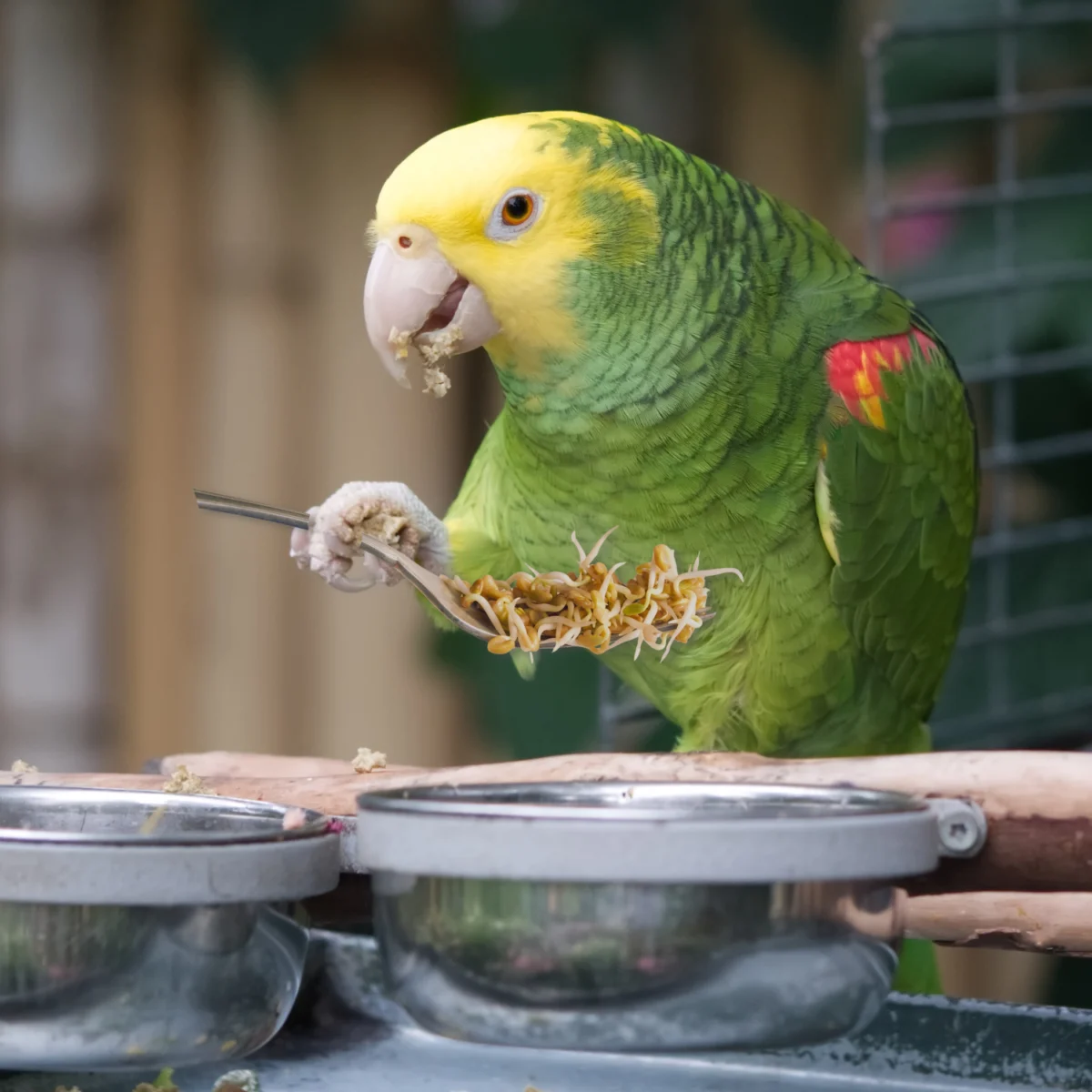
A significant portion of health issues observed in companion birds, particularly those related to the digestive system, are not sudden afflictions but rather the culmination of prolonged, sub-optimal dietary and environmental conditions. While severe symptoms like vomiting, passing blood, or unexplained weight loss unequivocally demand immediate avian veterinary intervention, a broad spectrum of milder, chronic digestive complaints such as inconsistent droppings, stress-induced defecation changes, reduced interest in fresh produce, or general digestive upset can often be proactively addressed and improved through natural, daily feeding habits and comprehensive wellness strategies. This approach prioritizes supporting robust gut health from the ground up, moving beyond a sole reliance on dietary supplements to fostering a biologically appropriate nutritional foundation.
The Foundational Role of Diet in Avian Digestion
The fundamental question many bird owners grapple with is why their bird experiences persistent changes in droppings even when no serious illness is apparent. The answer often lies in a profound disconnect between the evolutionary dietary needs of psittacines and passerines and the typical feeding practices in captivity. Birds in their natural habitats consume an extraordinarily diverse array of fresh foods, including a vast spectrum of plant materials, seeds, buds, insects, and seasonal nutrients. This contrasts sharply with the repetitive, often dry, and nutrient-limited diets commonly offered to companion birds. Over time, factors such as low moisture intake, insufficient plant diversity, chronic stress, and selective eating patterns gradually compromise the intricate balance of the avian digestive tract, leading to a cascade of subtle issues that precede overt sickness.
Avian species possess a highly specialized digestive system, starting with the crop for food storage, followed by the proventriculus (glandular stomach) for chemical digestion, and the ventriculus (gizzard) for mechanical grinding. The small and large intestines, aided by a complex microbiome, absorb nutrients, before waste is expelled via the cloaca. This system is designed to efficiently process high volumes of fibrous, moisture-rich, and nutritionally varied foods. When birds are fed predominantly dry pellets or seeds day after day, their digestive system operates outside its natural design parameters, leading to chronic low-grade dietary stress that manifests as a range of digestive disturbances.
Identifying Early Indicators of Digestive Imbalance
Bird owners are often the first to notice subtle shifts in their pet’s health. In the context of digestive wellness, these early indicators can include:
- Inconsistent Droppings: Variations in consistency, color, or volume that are not directly attributable to specific, freshly consumed foods.
- Stress Poops: Characterized by watery or abnormally large droppings occurring during periods of perceived stress (e.g., changes in environment, new people, hormonal fluctuations).
- Low Interest in Vegetables: A persistent refusal to consume fresh produce, leading to a diet lacking essential vitamins, minerals, and fiber.
- Messy Stool: Droppings that are overly wet, sticky, or poorly formed, potentially indicating malabsorption or altered gut motility.
- Mild Digestive Upset: Subtle signs of discomfort such as mild lethargy after eating, or intermittent changes in appetite without other clear signs of illness.
These observations, while not immediately life-threatening, serve as critical warnings that the bird’s digestive health is compromised and warrants dietary and environmental adjustments. Ignoring these signals can, over time, predispose the bird to more serious health complications.
Understanding Healthy Avian Droppings: A Diagnostic Tool
Regular monitoring of a bird’s droppings is an invaluable practice for assessing overall health. A healthy dropping typically comprises three distinct components:
- Feces: The solid, coiled or formed part, which can vary in color (green, brown, black) depending on diet, but should generally be consistent and well-formed.
- Urates: The white, chalky part, representing metabolic waste products from the kidneys, typically surrounding or mixed with the feces.
- Urine: The clear, liquid part, which should be minimal in volume.
Normal variations can occur due to diet (e.g., berries causing red stool, greens causing green stool) or temporary stress, leading to slightly more watery droppings. However, certain changes demand immediate attention from an avian veterinarian:
- Undigested Food: The presence of whole seeds or significant food particles in the feces indicates a severe digestive impairment, suggesting that nutrients are not being absorbed.
- Bloody Droppings: Any sign of fresh blood (red) or digested blood (black, tarry) is a medical emergency.
- Persistent Diarrhea: Prolonged watery droppings, especially if accompanied by other symptoms.
- Excessive Urine: Known as polyuria, this can indicate kidney issues or other systemic diseases.
- Significant Color Changes: Beyond dietary influences, unusual colors like bright yellow or greenish-black can signal liver or other organ dysfunction.
- Changes Alongside Behavior: Critically, any changes in droppings that coincide with lethargy, fluffed feathers, appetite loss, or other behavioral shifts warrant immediate professional evaluation. Avian veterinarians consistently emphasize that behavioral changes coupled with altered droppings are the most reliable indicators of a serious underlying condition.
The Indispensable Role of Moisture and Fiber
Many companion birds subsist on diets that are calorically dense but biologically arid. This deficiency in moisture and fiber has profound implications for digestive function. Fiber, both soluble and insoluble, is crucial for:
- Gut Motility: Providing bulk to food, facilitating its passage through the digestive tract, and preventing constipation.
- Microbiome Support: Serving as a prebiotic, nourishing beneficial gut bacteria essential for nutrient absorption and immune function.
- Detoxification: Binding to toxins and aiding their elimination from the body.
- Stool Quality: Contributing to well-formed, consistent droppings.
Moisture, often overlooked, is equally vital. Beyond simple hydration, moisture in food:
- Aids Digestion: Facilitates enzymatic breakdown of food in the crop and proventriculus.
- Supports Kidney Function: Reduces the burden on kidneys by providing fluid for waste excretion.
- Nutrient Absorption: Helps dissolve nutrients, making them more accessible for absorption.
Birds consuming predominantly dry diets often attempt to compensate by increasing their water intake, which can lead to excessively watery or messy droppings. They may also overeat calorie-dense dry foods in an attempt to feel full, yet still suffer from a critical lack of nutritional diversity and essential micronutrients. Avian nutritionists widely agree that the digestive tract operates optimally when food is naturally moist, texturally varied, rich in fiber, and offers a broad spectrum of nutrients—not merely a high caloric content.
Natural Dietary Interventions for Enhanced Digestive Wellness
Improving avian digestive health naturally involves incorporating specific food categories and adopting healthier feeding habits.
-
Sprouts: Living Food Powerhouses
- Problem Addressed: Birds consuming mostly dry foods, exhibiting inconsistent or dry droppings, and showing little interest in fresh vegetables.
- Mechanism: Sprouting transforms dormant seeds into "living foods" with dramatically increased moisture content, enzyme activity, and nutrient bioavailability. The sprouting process breaks down complex starches and anti-nutrients, making vitamins, minerals, and proteins more accessible. This also provides enriching foraging opportunities.
- Benefit: Increased hydration, improved nutrient absorption, enhanced enzyme activity, and natural enrichment. Incorporating diverse sprouting seeds into the daily diet is a highly effective way to support digestive variety and encourage healthier eating behaviors.
-
Omega-Rich Seeds: Enhancing Stool Quality and Gut Integrity
- Problem Addressed: Dry, flaky droppings, low fresh food intake, dull feathering (often linked to poor nutrient absorption), and diets heavily reliant on processed foods.
- Mechanism: Seeds like chia, flax, and hemp hearts are exceptional sources of both fiber and essential fatty acids, particularly omega-3s. Fiber aids in regulating gut transit time and adding bulk to stool, while omega-3s possess anti-inflammatory properties that can support the integrity of the gut lining. A healthy gut lining is crucial for preventing "leaky gut" syndrome and ensuring efficient nutrient absorption.
- Benefit: Improved stool consistency, support for gut lining health, and enhanced nutrient diversity, contributing to overall well-being and feather quality. Specialized seed blends that incorporate these omega-rich ingredients are a practical way to deliver these benefits.
-
Diverse Greens: Phytonutrients for Microbiome Balance
- Problem Addressed: Birds that consistently refuse vegetables or maintain an extremely monotonous diet.
- Mechanism: A wide variety of leafy greens provides essential fiber, a broad spectrum of phytonutrients (plant compounds with health-promoting properties), and contributes significantly to microbiome diversity. A robust and diverse gut microbiome is fundamental for efficient digestion, nutrient synthesis, and immune system function. Relying solely on dry processed foods deprives the bird of these crucial elements.
- Benefit: Enhanced fiber intake, a richer microbial environment, and a boost in phytonutrients, promoting overall nutritional balance and digestive function. For birds resistant to fresh greens, nutrient-dense green supplements can offer a bridge to a more varied diet.
-
Calming Herbs: Addressing Stress-Related Digestive Upset
- Problem Addressed: Stress-induced watery droppings, appetite fluctuations during periods of change, or regurgitation linked to hormonal activity.
- Mechanism: The enteric nervous system, often referred to as the "second brain," is intimately connected to the central nervous system. Stress, whether environmental (new home, loud noises) or physiological (hormonal shifts), directly impacts gut motility, digestive enzyme production, appetite regulation, and stool quality in both humans and birds. Incorporating calming botanicals can help modulate the stress response, thereby promoting a more stable and comfortable digestive environment.
- Benefit: Support for digestive comfort during periods of stress and environmental changes, potentially leading to more consistent droppings and appetite. Herbal blends specifically formulated for avian calming can be beneficial.
The Profound Impact of Stress on Avian Digestion
Stress is a pervasive factor in the lives of companion parrots and can significantly disrupt digestive harmony. Bird owners frequently observe digestive changes during:
- Environmental Shifts: Moving to a new home, changes in cage location, or introduction of new household members or pets.
- Social Dynamics: New flock members, absence of a preferred human, or perceived threats.
- Hormonal Periods: Breeding season often brings heightened stress, aggression, and reproductive behaviors, impacting digestion.
- Medical Procedures: Veterinary visits, treatments, or recovery from illness.
- Dietary Changes: Abrupt shifts in food types can be perceived as stressful.
Physiologically, stress can lead to:
- Altered Gut Motility: Either speeding up (diarrhea) or slowing down (constipation) food transit.
- Changes in Appetite: Decreased food intake or stress-induced overeating.
- Reduced Nutrient Absorption: Stress hormones can impair the efficiency of the intestinal lining.
- Compromised Immune Function: The gut is a major immune organ, and stress can weaken its defenses.
- Increased Water Consumption: Leading to more dilute, watery droppings.
The intricate communication between the gut and the nervous system means that stress-related digestive disturbances are exceptionally common in parrots, making stress reduction a critical component of digestive health management.
Common Dietary Habits That Undermine Avian Digestion
While specific foods can exacerbate issues, it is often the cumulative effect of chronic, low-grade dietary stress that leads to long-term digestive problems. Common detrimental habits include:
- Exclusive Dry Pellet Diets: While better than seed-only, some pellet diets still lack the moisture and full spectrum of phytonutrients found in fresh foods.
- Seed-Only Diets: Severely deficient in vitamins, minerals, and moisture, leading to nutritional imbalances and potential liver issues.
- Lack of Fresh Produce: Depriving birds of essential fiber, water, and diverse micronutrients.
- Repetitive Feeding Patterns: Offering the exact same food day after day limits exposure to different nutrients and reduces gut microbiome diversity.
- Sugary or Fatty Human Foods: Can lead to obesity, liver issues, and digestive upset.
- Insufficient Water Intake: Though less common if fresh water is always available, some birds may not drink enough if their diet is entirely dry.
- Feeding Stale or Contaminated Foods: Can introduce harmful bacteria and toxins.
The root of many avian digestive problems is not a single dramatic error, but rather the consistent underestimation of the importance of moisture, fiber, and plant diversity in their daily diet.
The Role of Probiotics: A Balanced Perspective
The market for probiotic products for pets, including birds, is extensive. While probiotics—beneficial live microorganisms—can potentially support normal gut flora, particularly after periods of stress, antibiotic treatment, or illness, avian veterinarians and nutritionists emphasize that they are only one component of a holistic approach. A healthy, diverse gut microbiome is primarily fostered through a biologically appropriate diet rich in fiber and varied plant matter. Adding a probiotic powder to an otherwise poor or repetitive diet will yield minimal long-term benefits. The prevailing scientific consensus suggests that establishing and maintaining a robust microbiome is best achieved through superior daily feeding habits rather than relying solely on supplemental interventions.
Building a Digestion-Supportive "Chop Bowl"
Implementing dietary changes gradually and consistently is typically more effective than abrupt, drastic overhauls. A "chop bowl"—a daily mixture of finely diced fresh vegetables, sprouts, grains, and healthy seeds—is an excellent way to introduce variety and enhance digestive health. Key components to include:
- Sprouts: Provide moisture, enzymes, and easily digestible nutrients.
- Leafy Greens: Supply fiber, phytonutrients, and support microbiome diversity.
- Omega-Rich Seeds (e.g., chia, flax, hemp): Offer healthy fats and fiber for stool quality and gut lining health.
- Variety of Vegetables: Introduce different colors and textures to ensure a broad spectrum of nutrients.
- Small Amounts of Whole Grains: Cooked quinoa or brown rice for additional complex carbohydrates and fiber.
- Stress-Supportive Herbs: For birds prone to stress, a pinch of calming herbs can be added.
This approach ensures that the bird receives a rich array of nutrients, fiber, and moisture, mirroring the diversity they would naturally seek in the wild.
When Veterinary Intervention Becomes Imperative
While many mild digestive issues can be improved through dietary and environmental management, it is crucial for bird owners to recognize when professional avian veterinary care is absolutely necessary. Seek immediate veterinary attention if your bird exhibits any of the following symptoms:
- Vomiting or Regurgitation: Persistent or forceful expulsion of food (distinct from voluntary regurgitation to a mate or toy).
- Passing Blood: Fresh red blood or black, tarry droppings.
- Rapid Weight Loss: Unexplained and significant decrease in body mass.
- Sitting Fluffed: A common sign of illness, indicating the bird is trying to conserve body heat.
- Undigested Food in Droppings: A critical indicator of severe maldigestion or malabsorption.
- Weakness or Lethargy: Reduced activity levels, reluctance to move, or unusual quietness.
- Difficulty Breathing: Open-mouthed breathing, tail bobbing, or labored respiration.
Any digestive symptom that occurs alongside significant changes in the bird’s behavior, energy levels, or overall demeanor elevates the situation from a home nutrition issue to a potential medical emergency requiring urgent professional diagnosis and treatment. Prompt action can significantly improve outcomes for avian patients.
Conclusion
The digestive health of companion birds is a direct reflection of their diet, environment, and stress levels. By understanding the evolutionary needs of birds and the intricate workings of their digestive system, owners can implement proactive strategies focused on providing diverse, moisture-rich, and fiber-laden natural foods. While supplements have their place, the cornerstone of avian gut wellness lies in consistent, thoughtful daily feeding habits that mimic nature’s bounty. Recognizing the subtle signs of digestive upset, differentiating them from serious symptoms, and understanding when to seek expert avian veterinary care are paramount responsibilities for every bird owner dedicated to fostering the long-term health and vitality of their feathered companions.
References:
- Merck Veterinary Manual, 2024.
- Harrison & Lightfoot, Clinical Avian Medicine.
- Frontiers in Veterinary Science, Avian Nutrition & Gut Health Research.
- American Association of Avian Pathologists (AAAP) Guidelines.
- Journal of Avian Medicine and Surgery.
Diane Burroughs, LCSW, a licensed psychotherapist, ABA-trained behavior specialist, and founder of UnRuffledRx, brings over 30 years of hands-on bird experience to help owners enhance bird wellness through practical, science-backed nutrition and behavior support.

