


For companion bird owners, observing their feathered friend’s behavior is a constant exercise in interpretation. A bird rubbing its eye against a perch, toy, cage bars, or even its own foot can instantly trigger a spectrum of reactions, from dismissing it as routine grooming to deep-seated worry about an underlying health issue. While occasional, gentle preening around the ocular area is a normal component of avian hygiene, persistent or accompanied eye rubbing is a critical indicator that demands immediate attention and professional evaluation. This guide delves into the nuances of avian eye rubbing, distinguishing benign behaviors from urgent warning signs, and outlining the crucial steps owners must take to ensure their bird’s well-being.
Avian Eye Health: A Delicate Balance
The eyes of parrots and other companion birds are marvels of evolution, exquisitely adapted for flight, foraging, and predator detection. Their ocular system is both complex and surprisingly delicate, often providing the first clues to systemic health issues. Understanding the normal functioning of a bird’s eye is paramount to recognizing deviations that signal distress.
The Unique Avian Ocular System: Birds possess not just upper and lower eyelids, but also a nictitating membrane, or "third eyelid." This translucent, protective membrane sweeps horizontally across the eye, acting like a natural windshield wiper to clear dust, debris, and distribute tear film, keeping the eye moist and clean without obstructing vision significantly. This sophisticated mechanism means that healthy parrots rarely need to manually rub their eyes to clear irritants. They also meticulously preen the small, specialized feathers surrounding their eyes, maintaining optimal feather condition and preventing obstruction. The presence of a new "pin feather" (a developing feather still encased in a keratin sheath) near the eye might prompt a bird to gently work on it, flaking away the sheath, which can be mistaken for eye rubbing. However, this is distinct from direct, repeated contact with the eyeball itself.
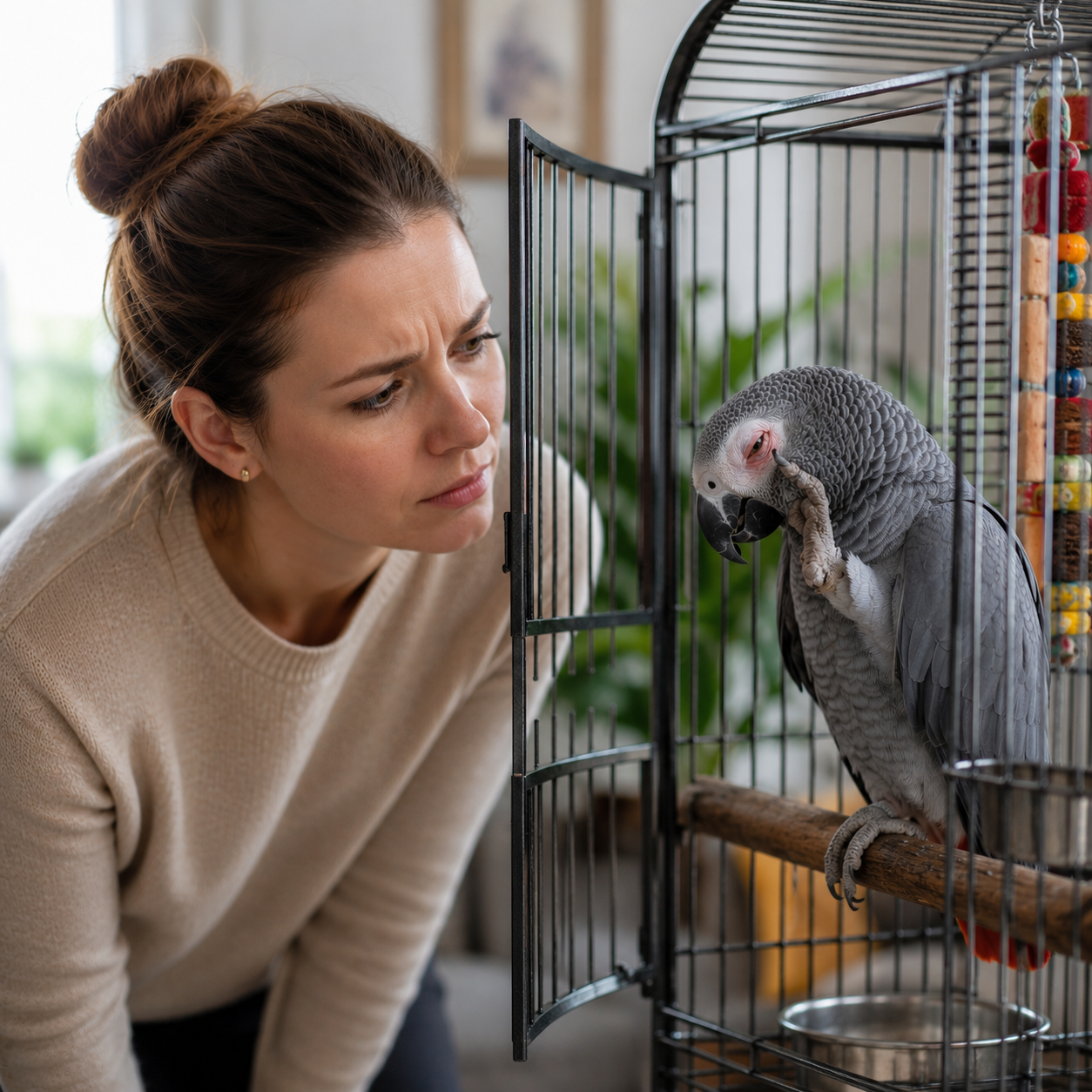
Distinguishing Grooming from Distress: The critical distinction lies in the nature and frequency of the rubbing. Gentle, intermittent preening of the feathers around the eye, particularly when new feathers are emerging, is generally considered normal. This behavior is typically symmetrical, affecting both eyes over time, and is not accompanied by any other concerning symptoms. Conversely, repeated rubbing of the actual eyeball, especially if concentrated on a single eye, is almost always indicative of irritation, discomfort, or pain. According to Dr. Eleanor Vance, a board-certified avian veterinarian specializing in ophthalmology, "A bird’s instinct is to hide weakness. Persistent eye rubbing is often one of the earliest, most overt signs of discomfort an owner will observe, precisely because the eyes are so vital." This behavior is a direct signal that the bird’s natural cleaning mechanisms are insufficient or that the underlying problem is beyond their physiological ability to resolve independently.
The Progression of Concern: A Timeline for Observation and Action
Recognizing when eye rubbing transitions from a mild concern to an urgent veterinary matter involves a structured approach to observation and a clear understanding of symptomatic progression.
Initial Observation: When to Watch and Wait: If an owner observes a single, isolated instance of gentle eye rubbing without any accompanying symptoms, a period of watchful waiting is appropriate. This might be due to a transient irritant that the bird’s nictitating membrane successfully cleared. During this phase, owners should meticulously monitor the bird for the next 12-24 hours. Key questions to consider include: Does the rubbing recur? Is it always the same eye? Are there any subtle changes in the eye’s appearance or the bird’s overall demeanor? The environment should also be assessed for potential irritants such as dust, new sprays, or strong odors.
Escalating Symptoms: When to Act Promptly: The moment eye rubbing becomes recurrent, even if initially subtle, or is localized to one eye, it signals a need for prompt veterinary evaluation. This escalation indicates that the irritant or underlying issue is persistent. Symptoms that, when combined with rubbing, necessitate a rapid appointment with an avian veterinarian include:
- Increased Frequency: The bird repeatedly returns to rub the same eye.
- Unilateral Rubbing: Only one eye is affected, suggesting a localized problem.
- Mild Redness or Swelling: Subtle inflammation around the eyelid or conjunctiva.
- Squinting or Partial Closure: The bird is trying to alleviate discomfort or protect the eye from light.
- Increased Tearing: Excessive moisture around the eye, often signaling irritation.
Emergency Indicators: Immediate Veterinary Care: Certain signs, when observed alongside eye rubbing, demand immediate emergency veterinary intervention. These indicate significant pain, potential vision impairment, or a rapidly progressing infection that could lead to severe complications if not addressed within hours. These critical indicators include:
- Pronounced Redness and Swelling: Significant inflammation of the eyelids and surrounding tissues.
- Discharge: Any discharge, whether clear, watery, milky, or purulent (pus-like). This is a strong indicator of infection.
- Cloudiness or Opacity: A change in the clarity of the cornea or inside the eye, which can signal corneal ulceration, internal inflammation, or glaucoma.
- Eye Staying Closed: The bird is unable or unwilling to open the affected eye.
- Visible Injury: Any visible trauma to the eye or surrounding area.
- Lethargy and Anorexia: General signs of illness such as decreased activity, fluffed feathers, or refusal to eat, indicating a systemic problem.
"Delay in treatment for avian eye conditions can lead to permanent vision loss or even systemic illness," warns Dr. Vance. "Given the speed at which birds can deteriorate, ‘wait and see’ is rarely the best approach when significant ocular symptoms are present."
Underlying Causes: Unraveling the Mystery Behind Eye Rubbing
The causes of avian eye rubbing are diverse, ranging from benign irritants to serious infections or systemic diseases. A thorough diagnostic approach by an avian veterinarian is essential to pinpoint the exact etiology.
Environmental Irritants and Allergens: The avian respiratory and ocular systems are highly sensitive to airborne particles and chemicals. Smoke (from tobacco or cooking), scented candles, aerosol sprays (hair spray, air fresheners, cleaning products), strong perfumes, excessive household dust, and even certain types of bedding (e.g., dusty wood shavings) can trigger irritation. If the rubbing is bilateral and appears suddenly after a change in the home environment, an environmental irritant is a strong suspect. Removing the suspected irritant immediately is the first step in these cases.
Trauma and Foreign Bodies: Birds, especially active parrots, can easily sustain minor eye injuries. A sharp toenail during scratching, bumping into a perch or toy during play, or an accidental collision during flight can cause corneal abrasions or punctures. Even a tiny piece of seed hull, feather fluff, or dust can become lodged under the eyelid, causing persistent irritation. These injuries are often intensely painful and can rapidly lead to secondary infections if the corneal barrier is breached.
Infections and Inflammations:
- Bacterial, Viral, and Fungal Infections: These can affect the conjunctiva (conjunctivitis), cornea (keratitis, ulcers), or the eyelids themselves. Common culprits include Chlamydophila psittaci (psittacosis), various bacteria, and even herpesviruses. Symptoms often include discharge, redness, swelling, and a clear preference for rubbing the affected eye.
- Sinusitis: Birds have extensive paranasal sinuses that are intimately connected to the ocular region. Infections or inflammation in the sinuses can easily spread to the eyes, causing pressure, discharge, and discomfort that manifests as eye rubbing. Respiratory illnesses, in particular, often present with ocular signs.
- Poxvirus: Avian pox can cause characteristic lesions around the eyes, leading to irritation and rubbing.
Systemic Health Issues: Not all eye problems originate directly in the eye. A bird’s eye can be a window to its overall health. For instance, certain viral diseases, such as Pacheco’s disease or Polyomavirus, can have ocular manifestations. Tumors, though less common, can also develop behind or within the eye, causing pressure and discomfort. A comprehensive veterinary exam will always consider systemic illness as a potential underlying factor.
The Critical Role of Nutrition: Vitamin A Deficiency: While usually not the immediate cause of sudden eye rubbing, chronic nutritional deficiencies, particularly a lack of Vitamin A, significantly predispose birds to ocular problems. Vitamin A is crucial for the health and integrity of epithelial tissues, including those lining the eyes, tear ducts, and respiratory tract. Birds on an all-seed diet are highly susceptible to hypovitaminosis A, which can lead to squamous metaplasia – a condition where normal, moist epithelial cells are replaced by dry, keratinized cells. This can block tear ducts, impair the function of the nictitating membrane, and make the eyes more vulnerable to infection and irritation. Supplementing with carotenoid-rich foods (e.g., dark leafy greens, orange vegetables) or avian-specific vitamin supplements is a vital long-term preventative measure.
Expert Consensus: Insights from Avian Veterinary Professionals
The consensus among avian veterinarians is unequivocal: persistent eye rubbing is a serious symptom demanding professional attention.
The Importance of Early Diagnosis: "When it comes to avian eye conditions, time is often of the essence," states a recent white paper from the Association of Avian Veterinarians. "Early diagnosis of an irritant, infection, or injury can prevent minor issues from escalating into severe, vision-threatening, or even life-threatening complications." Birds are masters of camouflage when ill, a survival instinct honed over millennia. By the time an owner notices overt symptoms like eye rubbing, the underlying problem may have been present for some time. Swift action can significantly improve prognosis and reduce treatment complexity and cost.
Why Self-Treatment is Contraindicated: A common mistake owners make is attempting to self-treat with over-the-counter eye drops or flushing solutions. "Never apply any medication or flush your bird’s eye unless specifically instructed by your avian veterinarian," advises Dr. Eleanor Vance. "Human eye drops or even seemingly benign saline solutions can be harmful to a bird’s delicate ocular tissues, alter the eye’s pH, or mask symptoms, making diagnosis more difficult. Furthermore, if the problem is an ulcer or certain types of infection, the wrong medication can cause severe damage or even rupture the eye." Proper diagnosis dictates specific treatment; a bacterial infection requires antibiotics, a fungal infection requires antifungals, and an injury might need specific anti-inflammatory or protective measures.
The Value of an Avian Specialist: Given the unique anatomy and physiology of birds, general veterinarians may not have the specialized knowledge or equipment to properly diagnose and treat avian eye conditions. An avian veterinarian possesses the expertise in avian-specific diseases, drug dosages, and diagnostic techniques (e.g., ophthalmoscopy, fluorescein staining for corneal ulcers, cytology, bacterial cultures). They can differentiate between common avian eye problems and those that might indicate a more complex systemic issue.
Beyond the Rub: Comprehensive Symptom Assessment
When presenting a bird with eye rubbing to an avian veterinarian, providing a comprehensive account of all observed symptoms is crucial. The eye rubbing is often just one piece of a larger puzzle.
Visual Cues: Redness, Swelling, Discharge, Cloudiness: A meticulous comparison of both eyes is essential. Note any asymmetry. Redness (hyperemia) and swelling (edema) of the conjunctiva or eyelids point to inflammation. The presence, color, and consistency of any discharge (clear, watery, purulent, bloody) are vital diagnostic clues. Cloudiness or opacity of the cornea or inside the eye can indicate serious conditions like corneal ulcers, uveitis, or glaucoma, potentially leading to vision impairment.
Behavioral Shifts: Lethargy, Appetite Changes, Respiratory Signs: A bird’s overall demeanor offers critical insights. Is the bird sleeping more, less active, or showing signs of discomfort (fluffed feathers, hunched posture)? Has its appetite or water intake changed? Are there any accompanying respiratory signs such as sneezing, nasal discharge, or difficulty breathing? These systemic signs suggest a more generalized illness rather than an isolated eye issue.

Unilateral vs. Bilateral Involvement: As noted, if only one eye is affected, the cause is often localized (e.g., foreign body, scratch, specific eye infection). If both eyes are irritated simultaneously, environmental irritants or a systemic illness (e.g., respiratory infection, viral disease) are more probable culprits. This distinction significantly narrows the diagnostic possibilities.
Proactive Care: Mitigating Risks and Promoting Eye Health
While not every eye problem can be prevented, responsible bird ownership plays a significant role in minimizing risks and fostering overall ocular health.
Optimizing the Aviary Environment:
- Air Quality: Maintain excellent air quality by avoiding smoke, aerosol sprays, strong chemical cleaners, and scented products. Use an air purifier with a HEPA filter to reduce dust and airborne allergens.
- Humidity: Ensure appropriate humidity levels, especially for species from tropical climates, as dry air can contribute to eye irritation.
- Cage Hygiene: Regularly clean the cage, perches, and toys to prevent the buildup of dust, dander, and bacterial or fungal spores.
- Safe Toys and Perches: Provide bird-safe toys and natural perches free from sharp edges or splinters that could cause injury.
- Lighting: Ensure proper lighting cycles, including a period of darkness for rest, which is vital for overall health, including eye health.
Dietary Foundations for Ocular Wellness: A balanced, species-appropriate diet is the cornerstone of avian health. A high-quality pelleted diet should form the basis, supplemented with a wide variety of fresh, bird-safe vegetables (especially dark leafy greens and orange/yellow vegetables rich in Vitamin A precursors like beta-carotene), fruits, and sprouts. Limiting seed intake, particularly fatty seeds, is crucial. This nutritional diversity supports robust immune function and maintains the integrity of ocular tissues.
Regular Health Check-ups: Routine annual or bi-annual veterinary check-ups with an avian specialist are indispensable. These visits allow for early detection of subtle health issues, including those affecting the eyes, before they become acute. The veterinarian can also provide personalized advice on diet, environment, and preventative care tailored to the specific species and individual needs of the bird.
Conclusion: A Call for Vigilance and Specialized Care
A bird rubbing its eye is a direct plea for attention. Far from being a mere grooming quirk, it is a significant symptom that demands careful observation and, more often than not, professional veterinary intervention. By understanding the intricate physiology of avian eyes, recognizing the critical warning signs, and acting promptly with the guidance of an avian veterinarian, owners can safeguard their feathered companions’ vision and overall health. The well-being of these sensitive creatures hinges on their owners’ vigilance, informed decision-making, and commitment to specialized avian care.
Frequently Asked Questions
Is it normal for parrots to rub their eyes?
No, generally it is not normal. While parrots may gently preen the feathers around their eyes as part of hygiene, repeatedly rubbing the actual eyeball is atypical and usually indicates irritation, discomfort, or an underlying health issue.
Why does my bird keep rubbing only one eye?
If only one eye is affected, the cause is often localized to that eye. This could be due to a foreign body (like a piece of dust or seed hull), a minor scratch or injury, or a localized infection. An avian veterinarian can accurately diagnose the specific cause.
Can something get stuck in a bird’s eye?
Yes, absolutely. Tiny particles such as dust, feather dander, seed hulls, or even small insect fragments can get lodged in a bird’s eye, causing significant irritation and prompting the bird to rub it. If the rubbing persists or the eye shows other symptoms, veterinary attention is needed.
Should I flush my bird’s eye at home?
No, it is strongly advised against flushing your bird’s eye or applying any drops, ointments, or medications unless specifically instructed and prescribed by an avian veterinarian. Improper flushing techniques or the use of unsuitable products can cause further damage, introduce infection, or mask crucial diagnostic signs.
When should I worry about eye rubbing and call a vet?
You should worry and contact an avian veterinarian promptly if the eye rubbing is frequent, persistent, or affects only one eye. Immediate veterinary consultation is critical if the rubbing is accompanied by redness, swelling, discharge (of any kind), cloudiness of the eye, excessive tearing, squinting, or if the bird keeps the eye partially or fully closed. Early intervention is key for effective treatment of avian eye problems.

