


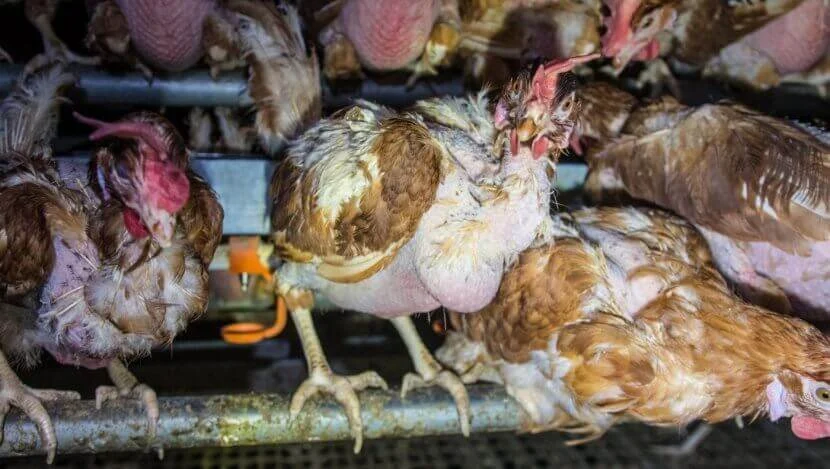
The ethical standing of Vital Farms, a prominent producer of pasture-raised eggs, has come under intense scrutiny following a series of challenges by People for the Ethical Treatment of Animals (PETA) during the company’s 2026 annual shareholder meeting. The animal rights organization, which has acquired stock in the company to influence corporate policy from within, has accused the Austin-based firm of "humane-washing"—a practice where a company uses marketing and branding to create a misleadingly positive image of its animal welfare standards. The conflict highlights a growing tension between the premium egg industry’s pastoral branding and the industrial realities of large-scale egg production.
At the center of the dispute is the contrast between Vital Farms’ marketing materials—which feature illustrations of "happy hens" roaming freely on lush, green pastures—and the documented conditions at the facilities that supply the company. PETA representatives submitted a formal inquiry to the Vital Farms board of directors, questioning when the company would cease describing its hens as "happy" and its operations as "humane," given that certain standard industry practices, such as beak trimming and the early slaughter of "spent" hens, remain part of their supply chain. The meeting, held in Austin, was reportedly adjourned after only ten minutes, with company officials declining to provide a detailed response to the advocacy group’s questions.
The Gap Between Marketing and Industry Standards
Vital Farms has built a multi-million-dollar brand on the promise of transparency and superior animal welfare. By utilizing labels such as "Certified Humane" and "Pasture-Raised," the company has successfully positioned itself as an ethical alternative to conventional cage-free or battery-cage operations. This positioning allows the company to command a significant price premium, often charging consumers two to three times the price of standard eggs. However, critics argue that these labels, while technically adhering to certain certification requirements, do not align with the idyllic life suggested by the company’s packaging.
One of the primary points of contention involves the practice of beak trimming. In large-scale egg production, even in pasture-raised environments, hens may exhibit aggressive behavior such as feather pecking or cannibalism due to the stress of living in high-density groups. To prevent this, many suppliers use infrared lasers or hot blades to remove the sensitive tips of the birds’ beaks. While the "Certified Humane" standard allows for this practice under specific conditions to prevent further injury, animal rights advocates argue that it causes chronic pain and deprives the birds of their primary means of interacting with the world.
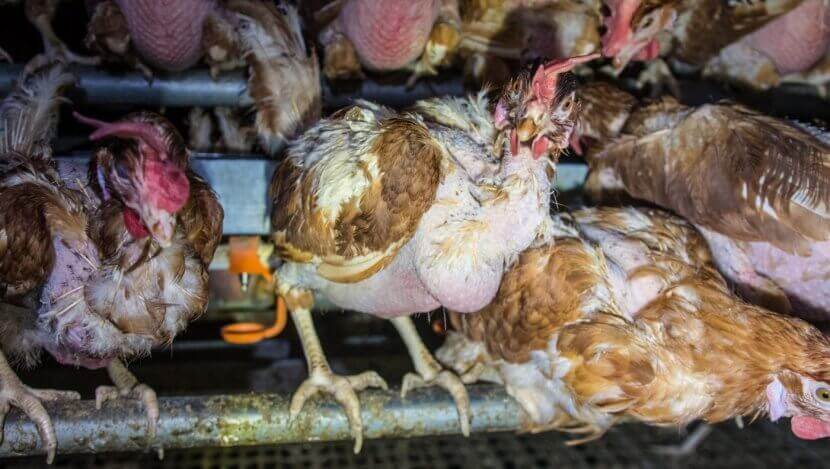
Furthermore, while "pasture-raised" implies that birds spend their days outdoors, PETA alleges that many birds are still kept in crowded, industrial-style sheds for significant periods. The organization’s recent research into "cage-free" and "pasture-raised" facilities suggests that the sheer volume of birds required to meet national demand often results in sanitation challenges and environmental stressors that contradict the "happy hen" narrative.
The Lifecycle of a Commercial Hen and the Slaughter Process
A significant portion of the critique directed at Vital Farms involves the eventual fate of the hens once their productivity declines. In a natural environment, a hen can live between eight and ten years. However, in the commercial egg industry—including the premium sector—hens are typically deemed "spent" by the age of 18 to 24 months. At this point, their egg production slows to a level that is no longer considered profitable for the producer.
When hens reach this age, they are removed from the farms and transported to slaughterhouses. The process of depopulation and slaughter is often identical to that of conventional poultry operations. Birds are typically shackled upside down on moving lines and passed through an electrified water bath intended to stun them before their throats are slit. PETA notes that the high speed of these lines can lead to "misses," where birds remain conscious during the subsequent scalding process, which is used to loosen feathers.
This industrial end-of-life reality is rarely addressed in the marketing of premium egg brands. For investors and consumers, the discrepancy between the "pasture-raised" promise and the standard slaughterhouse conclusion raises questions about the definition of "humane" in a commercial context.
Chronology of the Controversy and Legal Precedents
The recent confrontation at the 2026 shareholder meeting is not the first time Vital Farms has faced allegations of deceptive marketing. The company has navigated several legal and public relations challenges over the past decade as it transitioned from a private entity to a publicly traded corporation.
- 2007: Vital Farms is founded with a focus on pasture-raised egg production, aiming to disrupt the conventional egg market.
- 2020: The company goes public (NASDAQ: VITL), raising significant capital and increasing its scale to meet the demands of major retailers like Whole Foods and Target.
- 2021: A class-action lawsuit is filed against Vital Farms, alleging that its "ethical" and "humane" marketing was misleading. The plaintiffs argued that the company’s practices did not significantly differ from other large-scale producers in ways that justified the "humane" branding.
- 2023-2025: PETA and other advocacy groups increase their focus on "humane-washing," targeting premium brands through shareholder activism and undercover investigations into supply chains.
- June 10, 2026: Vital Farms holds its annual shareholder meeting. PETA, acting as a shareholder, challenges the board on its marketing language. The meeting is terminated shortly after the question is raised.
The Economics of Ethical Consumerism
The rise of Vital Farms reflects a broader shift in consumer behavior toward "ethical consumerism." Modern shoppers are increasingly willing to pay more for products that align with their values regarding animal welfare, environmental sustainability, and social responsibility. This "halo effect" has turned the ethical food sector into a multi-billion-dollar industry.
However, the rapid growth of these companies often creates a paradox. As a company scales to meet the needs of thousands of grocery stores nationwide, maintaining the artisanal, small-farm standards depicted in its marketing becomes increasingly difficult. The pressure to provide consistent returns to shareholders can lead to a reliance on industrial-scale efficiencies that may compromise the very welfare standards that the brand was built upon.
Market analysts suggest that "humane-washing" presents a significant long-term risk to brands. If the gap between consumer expectations and operational reality becomes too wide, it can lead to a loss of brand equity, regulatory fines from the Federal Trade Commission (FTC), and costly litigation.
Regulatory Landscape and Labeling Requirements
One reason for the ongoing confusion regarding egg labeling is the lack of strict federal definitions for terms like "pasture-raised" or "humanely raised." While the USDA regulates the term "Organic," which requires that hens have some access to the outdoors, the specific requirements for "pasture-raised" are often determined by third-party certification bodies rather than government mandates.
The most common certification, "Certified Humane," is managed by Humane Farm Animal Care (HFAC). Their standards for pasture-raised eggs require 108 square feet of pasture per bird and outdoor access for at least six hours a day, weather permitting. While these standards are significantly higher than those for caged or standard cage-free hens, they still permit certain industrial practices, such as the aforementioned beak trimming and the culling of male chicks at hatcheries (as male chicks do not lay eggs and are not the breed used for meat).
PETA’s argument is rooted in the philosophy that "humane exploitation" is a fundamental contradiction. From their perspective, as long as animals are treated as commodities to be used and killed for profit, the label "humane" is inherently deceptive.
Broader Implications for the Food Industry
The challenge against Vital Farms serves as a bellwether for the entire food and beverage industry. As transparency becomes a primary demand for younger demographics, companies are being forced to reconcile their marketing narratives with the complexities of their global supply chains.
The "shareholder activism" strategy employed by PETA is becoming a more common tool for advocacy groups. By owning stock, these organizations gain a legal platform to demand answers from executives and force social issues onto the corporate agenda. For Vital Farms, the refusal to engage in a lengthy dialogue during the 2026 meeting may provide a temporary reprieve, but it is unlikely to signal the end of the controversy.
As the plant-based market continues to evolve, with products like Just Egg and other vegan alternatives gaining market share, premium egg producers face a two-pronged challenge: they must defend their welfare claims against animal rights advocates while competing with a growing sector of the food industry that bypasses animal use entirely.
In the wake of the 2026 shareholder meeting, the conversation around Vital Farms remains a focal point for debates on corporate ethics, consumer rights, and the future of animal agriculture. Whether the company will adjust its marketing language or implement more stringent welfare reforms remains to be seen, but the demand for absolute transparency in the food system continues to grow.

