


The intricate tapestry of avian coloration is a subject of enduring fascination, driven by the fundamental needs of survival and reproduction. Today, our ornithological endeavor focuses on a specific, yet surprisingly elusive, combination: birds that exhibit brown plumage with a distinct orange chest. While a few familiar species immediately spring to mind, the pursuit of a comprehensive list of ten such birds necessitates a journey beyond the immediate borders of the United States, delving into diverse global habitats. Understanding the "why" and "how" behind avian feather coloration provides crucial context for this exploration.
The Evolutionary Imperative: Why Birds Need Colored Feathers
Avian coloration serves two primary evolutionary purposes. The first is camouflage, a vital defense mechanism against predators. This is particularly evident in female birds, whose often muted and earth-toned plumage allows them to blend seamlessly with their surroundings, thereby protecting their vulnerable chicks. The second, equally significant role, is in sexual selection. Brilliantly colored males often use their vibrant plumage to attract mates, signaling their genetic fitness and suitability as a partner. These striking displays are a visual testament to a bird’s health and ability to thrive.
The Chemistry of Color: How Feathers Acquire Their Hues
The pigments responsible for feather coloration are derived from two main sources: melanin and carotenoids.
-
Melanin: This endogenous pigment, already present in a bird’s body, is responsible for producing a spectrum of colors including black, brown, orange, and gray. Its presence dictates the foundational tones of many avian species.
-
Carotenoids: These pigments, unlike melanin, are not synthesized by the bird’s biology. Instead, they must be acquired through the diet, ingested from specific plants and other food sources. Carotenoids are the building blocks for a wide array of brilliant colors, with the notable exception of blues.
It is important to note that blue feathers do not exist in the same way as pigment-based colors. Instead, the perception of blue in feathers is an optical illusion, a result of light scattering – a phenomenon further explored in discussions of birds with iridescent plumage. Our current investigation, focusing on muted brown and orange tones, suggests that many of the species we seek may be females, leveraging their coloration for camouflage rather than overt display.
The Avian Palette: Ten Brown Birds with Orange Chests
Our search has uncovered a remarkable diversity of species exhibiting the desired brown and orange combination, spanning continents and habitats.

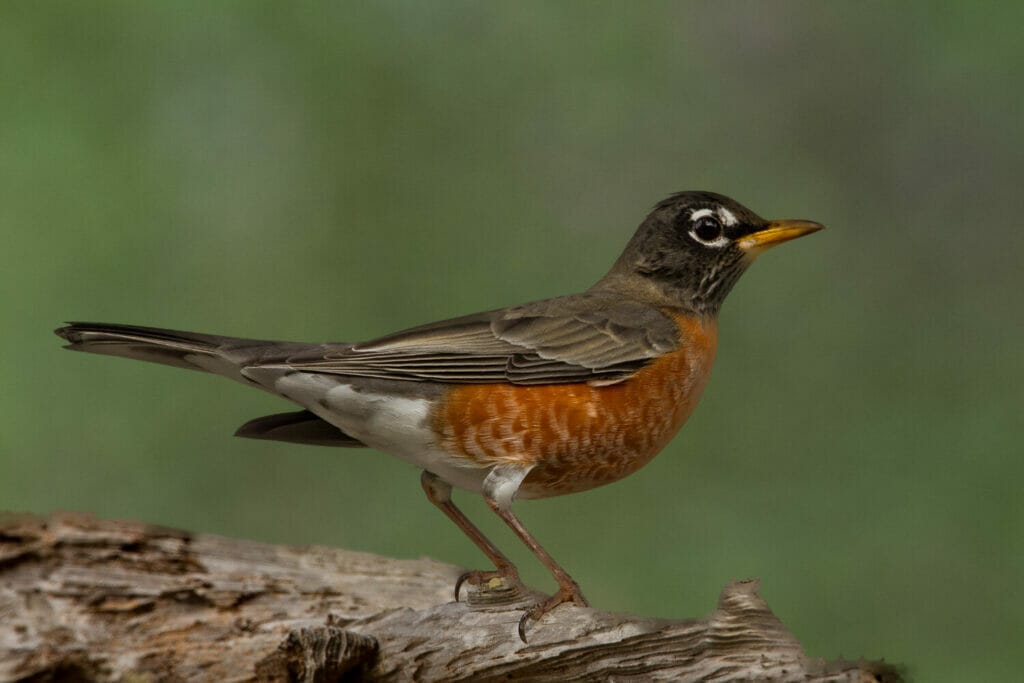
1. American Robin ( Turdus migratorius )
A familiar sight across North America, the American Robin is a quintessential example of a thrush with a distinctive orange-red breast. While males often display a more vibrant hue, females exhibit a more subdued coloration, aligning with the principles of sexual dimorphism and camouflage.
- Identification and Size: This robust songbird typically measures between 7.9 and 11.0 inches in length, with a wingspan of 12.2 to 15.8 inches. Its upperparts are a slate gray or brown, contrasting with a prominent orangey-red belly. The weight ranges from approximately 2.7 to 3.0 ounces.
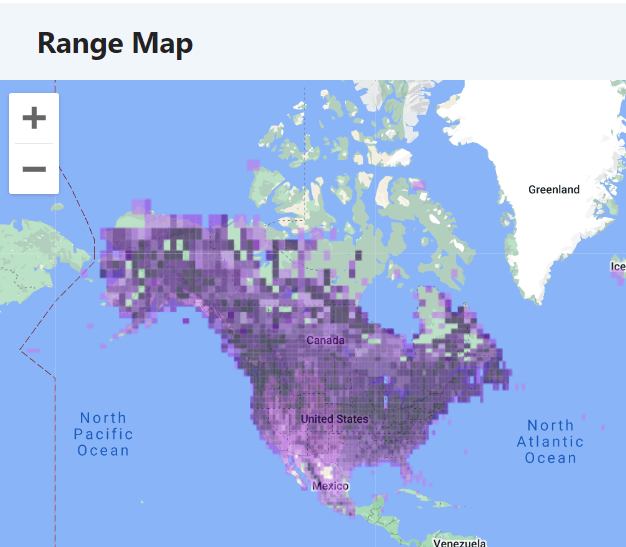
- Distribution: The American Robin enjoys a vast distribution across continental North America, extending from the northern reaches of Canada and Alaska southward through Mexico. They are commonly observed in diverse environments, from urban parks and gardens to more naturalistic open woodlands and meadows.
- Diet: As true thrushes, their diet primarily consists of earthworms and insects, which they forage for on lawns and in grassy areas. They are also known to consume berries, particularly during the winter months, which contributes to their continued presence in colder climates.
- Interesting Fact: Often perceived as a harbinger of spring, American Robins do not undertake extreme migrations. Their ability to subsist on winter berries allows them to remain in areas where other migratory birds might depart, contributing to their early seasonal visibility.
2. Zebra Waxbill ( Amandava subflava )
Hailing from Africa, the Zebra Waxbill, also known as the Orange-breasted Waxbill, presents a striking example of a small bird with vivid coloration.
- Identification and Size: This petite bird, measuring approximately 3.5 inches in length, boasts a vivid orange breast that sharply contrasts with its olive-brown back. A bright red rump adds another splash of color. Their weight is remarkably light, ranging from 0.18 to 0.38 ounces.
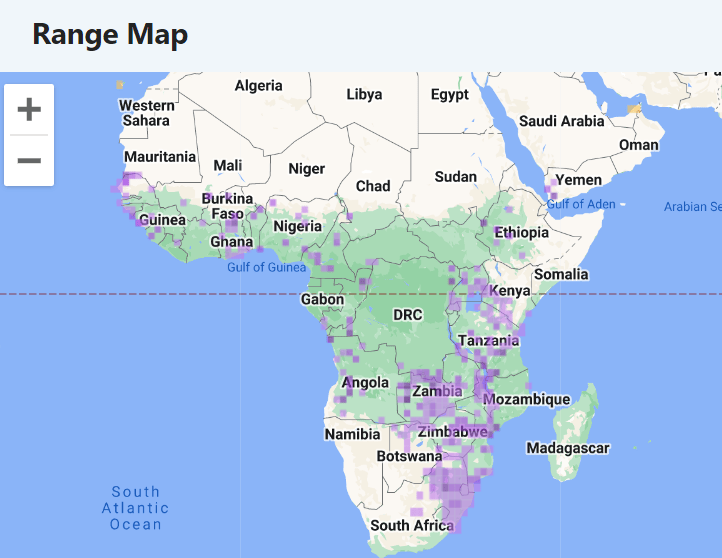
- Distribution: The Zebra Waxbill is found in the southwestern and northeastern regions of Africa.
- Diet: Primarily a seed-eater, this waxbill supplements its diet with insects, especially during its breeding periods.
- Interesting Fact: Courtship rituals among Zebra Waxbills are characterized by elaborate displays, including bowing and mutual preening, which are crucial for establishing pair bonds.
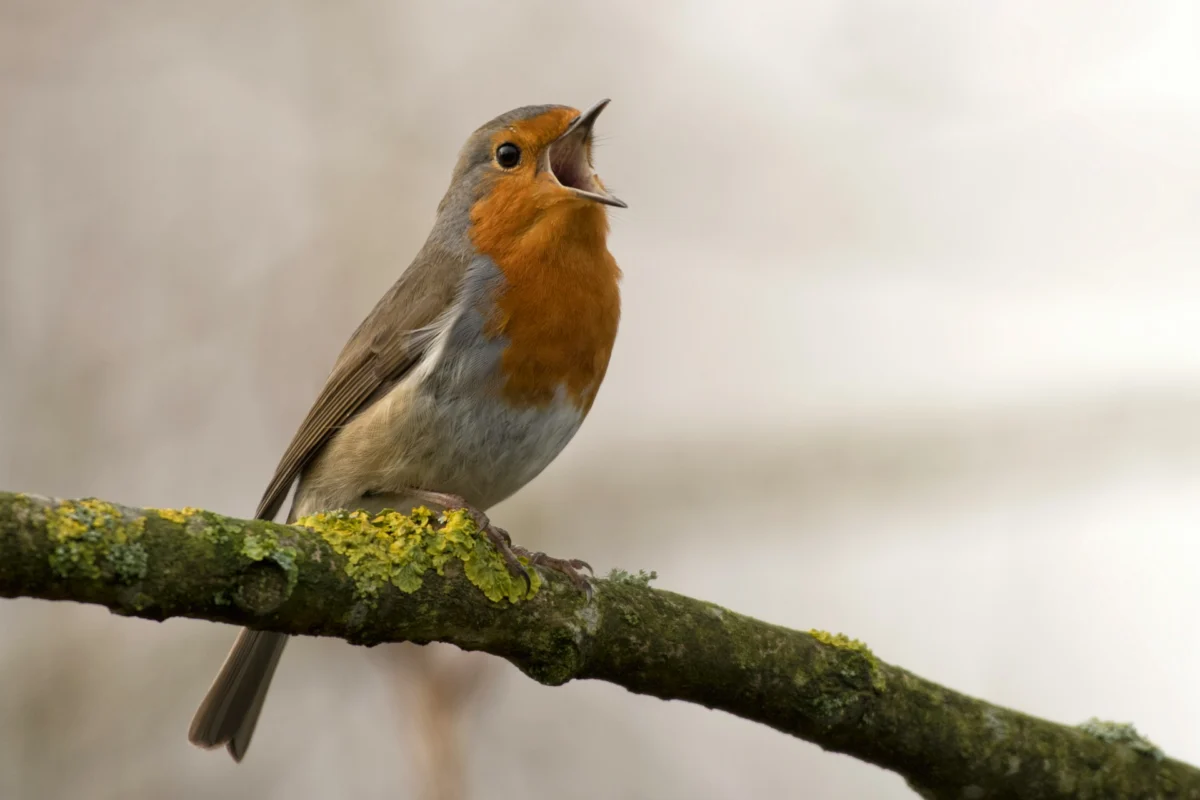
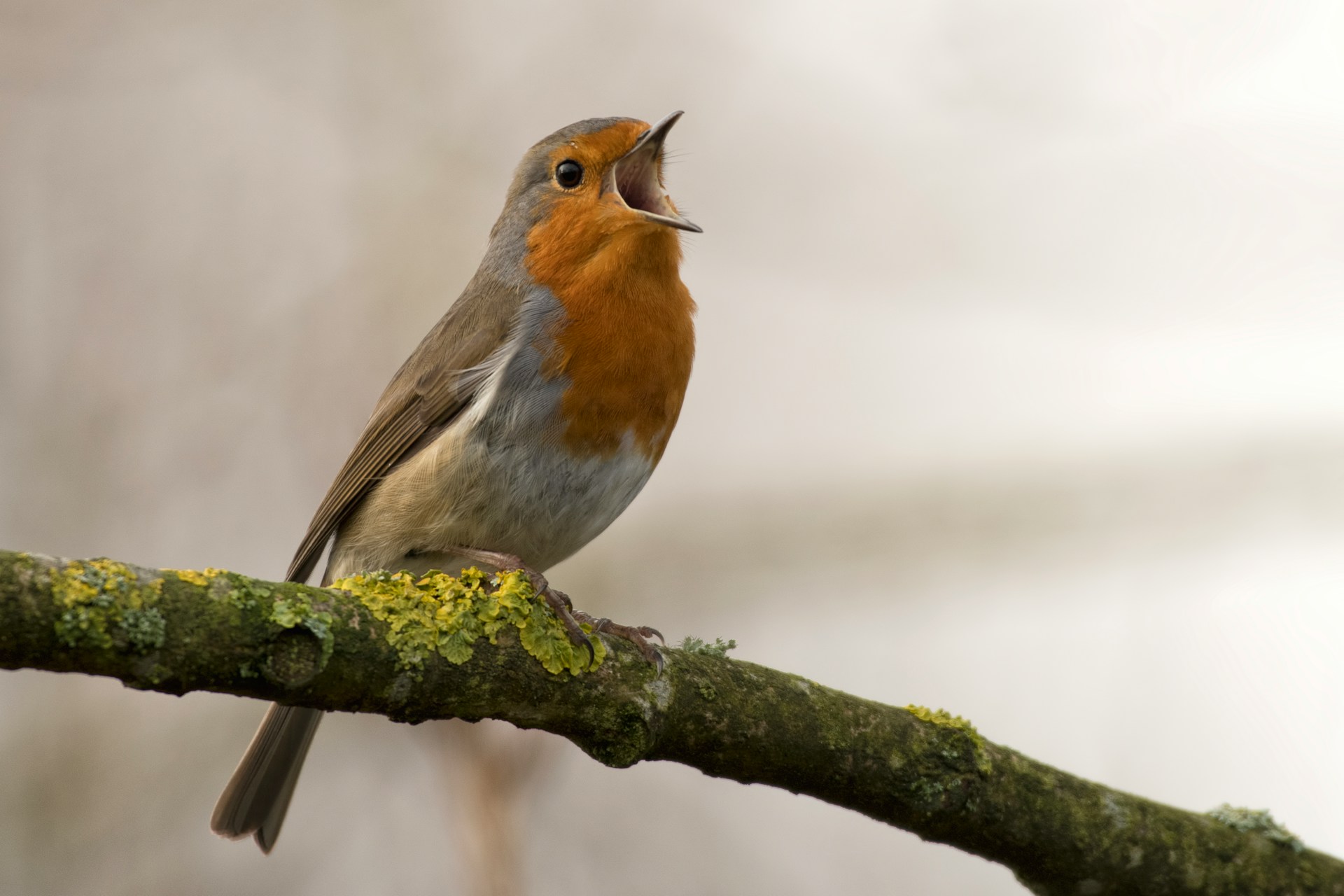
3. European Robin ( Erithacus rubecula )
A beloved bird across Europe, the European Robin is instantly recognizable by its iconic orange-red breast and face. This coloration, while striking, also plays a role in territorial defense.
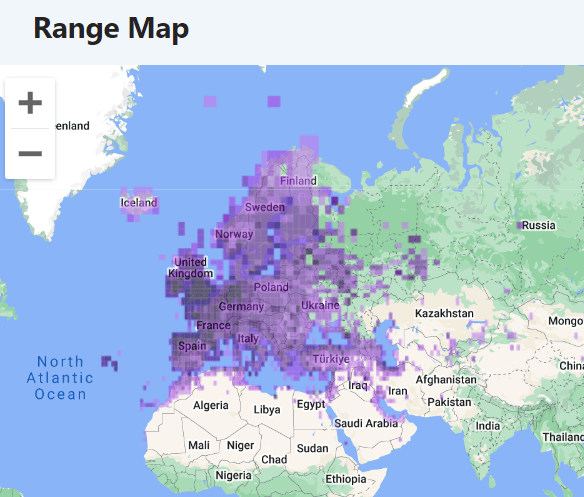
- Identification and Size: This small, round bird, measuring around 5.5 inches in length, features brown upperparts and the characteristic orange-red breast and face. The underparts transition to a paler gray. Its weight typically falls between 0.49 and 0.88 ounces.
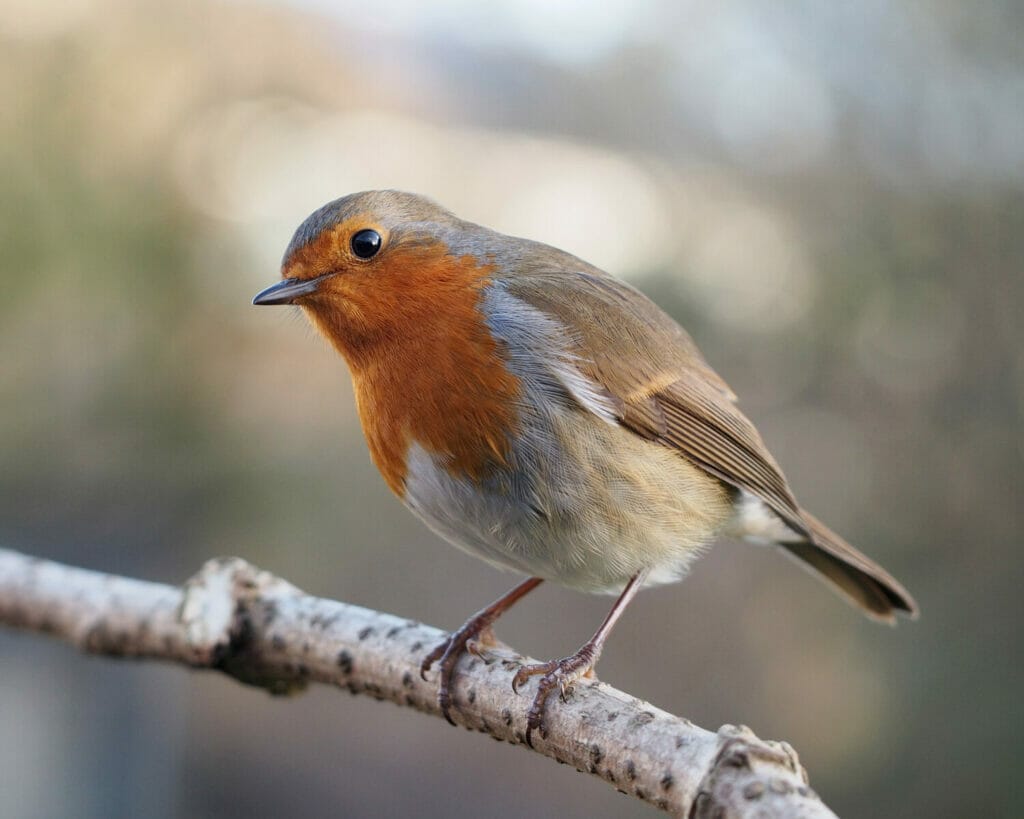
- Distribution: The European Robin is a common resident throughout Europe, with populations extending into northern Africa and the Middle East.
- Diet: Their diet is varied, encompassing small vertebrates, invertebrates, fruits, and seeds, demonstrating their adaptability to different food sources throughout the year.
- Interesting Fact: European Robins possess a diverse repertoire of vocalizations, which change seasonally. Their songs can range from warbling melodies to sharp ticking sounds, and they are even known for mimicry.
4. Sharp-shinned Hawk ( Accipiter striatus )
While primarily known as a raptor, the Sharp-shinned Hawk, particularly in its juvenile plumage, can exhibit subtle orange streaking on its breast. This species’ agility in hunting makes it a formidable predator.
- Identification and Size: This relatively small hawk, measuring between 9.4 and 13.4 inches in length with a wingspan of 16.9 to 22.1 inches, displays a breast that can be streaky orange or more uniformly shaded, fading into a pale belly. The back ranges from brown in younger birds to darker brown in adults. Their weight varies from 3.1 to 7.7 ounces.
- Distribution: The Sharp-shinned Hawk is found across the United States and into Canada and Alaska. Its range extends south into Central America and parts of South America.
- Diet: This swift raptor preys predominantly on other small birds, often hunting within forested areas but also known to target birds at backyard feeders.
- Interesting Fact: The Sharp-shinned Hawk earns its name from its legs, which are entirely featherless from the thigh down to the toes, a distinctive feature among raptors.
5. Orange-breasted Trogon ( Harpactes oreskios )
Native to the lush forests of Southeast Asia, the Orange-breasted Trogon showcases a beautiful interplay of orange and brown.
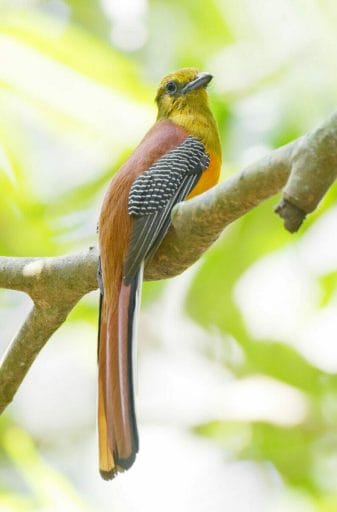
- Identification and Size: Both sexes of this trogon are similar, featuring a bright orange breast bordered by a paler yellow. Their backs are a cinnamon brown, complemented by black and white barring on the wings. The neck and head are a muted olive yellow. They measure between 9.8 and 12.2 inches in length and weigh between 1.7 and 2.0 ounces.
- Distribution: This species is found in low-lying forests across Southeast Asia.
- Diet: The Orange-breasted Trogon has a varied diet, consuming available insects and plant matter, foraging from the ground to the mid-canopy.
- Interesting Fact: Employing a hunting technique known as "sally-stall," this trogon pursues insects by flying from perch to perch, briefly hovering in front of its prey before pouncing.
6. Russet-bellied Spinetail ( Synallaxis zimmeri )
Endemic to Peru, this endangered spinetail is a rare gem, characterized by its russet-orange breast.
- Identification: This very rare spinetail, measuring between 6.5 and 6.7 inches in length and weighing 0.42 to 0.49 ounces, exhibits a russet-orange breast that extends to its belly and tail. Its upperparts and wings are a subdued gray-brown.
- Distribution: The Russet-bellied Spinetail is found in western Peru, specifically within the Andes mountain range.
- Diet: Primarily an insectivore, it also consumes spiders, demonstrating its reliance on arthropods for sustenance.
- Interesting Fact: The endangered status of the Russet-bellied Spinetail is largely attributed to habitat loss and the lack of natural corridors for dispersal to suitable new environments.
7. Orange-breasted Thornbird ( Phacellodomus ferrugineigula )
Found in the wetland habitats of eastern South America, this thornbird presents a striking contrast of brown and warm orange tones.
- Identification: This thornbird, measuring 7 to 7.2 inches in length and weighing 0.84 to 0.88 ounces, is predominantly brown with warm undertones that fade into a muted orange on its breast.
- Distribution: This species inhabits wetland or marsh environments on the eastern side of South America.
- Diet: While research is limited, it is believed to feed primarily on arthropods.
- Interesting Fact: The Orange-breasted Thornbird is somewhat elusive, and detailed information about its behavior is scarce. Interestingly, its name is found in numerous languages, highlighting its diverse linguistic connections.
8. European Stonechat ( Saxicola rubicola )
The European Stonechat, particularly the female, displays a brown overall plumage with a pale buff belly that transitions into an orange chest.

- Identification and Size: This small bird, measuring approximately 5 inches in length and weighing 0.5 to 0.6 ounces, presents a brown appearance with a pale buff belly that subtly blends into an orange chest.
- Distribution: The European Stonechat is a common resident throughout Europe, with populations extending into North Africa and the Middle East.
- Diet: Its diet consists mainly of insects and their larvae, though it will occasionally consume seeds or fruit.
- Interesting Fact: The stonechat derives its name from its characteristic call, which resembles the sound of stones being clicked together.
9. Brambling ( Fringilla montifringilla )
This attractive finch, found across Europe and Asia, exhibits distinct orange breast coloration outside of its breeding season.
- Identification and Size: Measuring between 5.3 and 6.2 inches in length and weighing between 0.6 and 1 ounce, the Brambling displays an orange breast, a white rump, and intricate brown, black, and white patterns on its wings when not in breeding plumage.
- Distribution: The Brambling is widespread across Western Europe and Asia, extending eastward to Japan.
- Diet: Primarily a consumer of fruits and seeds, the Brambling will also opportunistically feed on insects.
- Interesting Fact: Bramblings are migratory birds, and during certain times of the year, enormous flocks, sometimes numbering in the millions, can be observed across Europe, creating a spectacular natural phenomenon.
Conclusion: A Near-Perfect Palette
Our expedition to identify ten brown birds with orange chests has been largely successful, revealing nine remarkable species. While we fell just short of the target number, the diversity and beauty of the discovered birds underscore the richness of the avian world. Each species, from the familiar American Robin to the elusive Russet-bellied Spinetail, showcases the evolutionary interplay of color, survival, and reproduction. The Orange-breasted Thornbird, with its understated elegance, stands out as a personal favorite, proving that even within predominantly brown plumage, stunning coloration can emerge. This exploration highlights the global reach of these fascinating avian characteristics and the constant need for conservation efforts to protect their diverse habitats.

Frequently Asked Questions
Q: What common bird in the United States has an orange belly?
A: The American Robin is the most commonly encountered bird in the United States with a prominent orange or reddish-orange belly.
Q: Which swallow species features an orange chest?
A: The Barn Swallow is known for its rufous or orange underparts. However, its back is typically a deep blue, which disqualifies it from our specific list of brown birds with orange chests.
Q: Are there birds that are black with orange bellies?
A: Yes, numerous species of orioles are characterized by their black plumage and vibrant orange or yellow bellies.
Q: What bird is described as reddish-brown with a buff breast?
A: The Brown Thrasher is a notable bird with reddish-brown upperparts and a buff breast. While it possesses brown and buff tones, its breast is not distinctly orange, which prevented its inclusion in our primary list.

