


The landscape of modern toxicology is undergoing a profound paradigm shift following the publication of pioneering data detailing a state-of-the-art, non-animal inhalation testing methodology. Spearheaded by scientists from People for the Ethical Treatment of Animals (PETA) alongside an international coalition of researchers, this breakthrough utilizes sophisticated laboratory-grown human cells to evaluate the respiratory toxicity of industrial and consumer chemicals. The findings, officially published in mid-September 2026, arrive at a critical juncture in regulatory science, offering a viable, highly accurate alternative to traditional animal-based methodologies that have dominated the field for decades.
The impact of this scientific advancement is already reverberating through key regulatory bodies. Most notably, the U.S. Environmental Protection Agency (EPA) has incorporated data derived from this research to develop innovative frameworks for assessing chemicals capable of inducing lung irritation. By prioritizing human-relevant cellular models over conventional animal subjects, regulatory science is moving closer to an era of heightened precision and ethical responsibility. This development addresses long-standing criticisms regarding the translational validity of animal models in human health risk assessments, establishing a new benchmark for how chemical safety is evaluated globally.
The Imperative for Transitioning Away from Traditional Animal Testing
Before everyday commercial products—ranging from household cleaners and agricultural pesticides to complex pharmaceuticals—can be manufactured, marketed, and distributed to consumers, rigorous safety evaluations are mandated by domestic and international regulatory frameworks. These statutory requirements are designed to protect public health and the environment by identifying potential toxicological hazards prior to widespread human exposure. However, the legacy methods historically relied upon to satisfy these mandates are rooted in testing protocols developed decades ago.
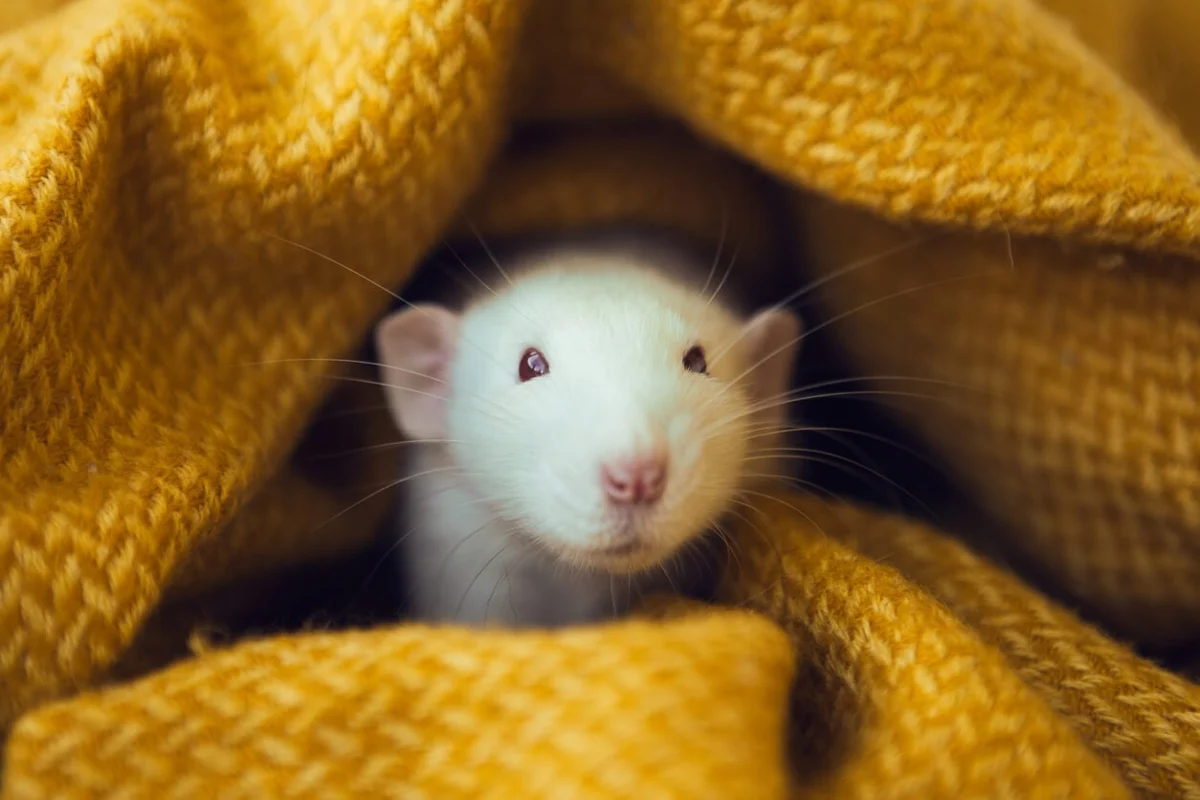
Millions of animals, predominantly rodents such as rats and mice, are subjected to chemical toxicity assays annually. Traditional inhalation testing protocols, in particular, present severe ethical and scientific concerns. In these standard assays, live animals are systematically restrained within narrow inhalation tubes for extended durations, during which they are forcibly exposed to aerosolized chemicals or concentrated vapors. Following exposure, the animals are typically euthanized to facilitate post-mortem tissue analysis.
Beyond the ethical implications inherent in the suffering and termination of millions of sentient creatures, these traditional methods suffer from profound scientific limitations. Animal models frequently fail to accurately predict the physiological responses of human beings. Significant anatomical, cellular, and biochemical disparities exist between species. For instance, the structural architecture of a rat’s upper and lower respiratory tract differs substantially from that of a human. Consequently, toxicological data gathered from rodent subjects often translates poorly to human clinical outcomes, leading researchers, regulatory scientists, and industry stakeholders to actively seek advanced, human-relevant testing platforms.
A Bioengineered Breakthrough: Mimicking Human Respiratory Tissue
The newly published testing methodology represents the culmination of years of persistent research and development by PETA scientists and their academic and industrial collaborators. Eschewing the use of living animal subjects entirely, the innovative approach relies on cutting-edge tissue engineering to replicate the precise physiological environment of the human upper airway.
The model is constructed from primary human respiratory cells grown in advanced laboratory environments. These engineered tissues successfully replicate the complex cellular architecture of the human respiratory lining. Crucially, the model incorporates functional mucus-producing goblet cells alongside ciliated cells—microscopic, hair-like structures that maintain a coordinated, rhythmic beating motion identical to that observed in a healthy human body. This dynamic cellular system allows researchers to observe real-time biological reactions to chemical agents.
To validate the platform’s efficacy, researchers focused on surfactants, a class of chemical compounds universally utilized in consumer goods such as liquid soaps, household detergents, and shampoos. By combining these sophisticated tissue models with advanced computational modeling and targeted cytotoxicity assays, the research team successfully identified distinct biological markers and cellular changes associated with respiratory tract irritation. The precision of the bioengineered tissue successfully mirrored expected human cellular stress responses without necessitating exposure to living organisms.
Global Validation and Multi-Laboratory Reproducibility
Following the initial proof-of-concept phase, the research transitioned into an ambitious international, multi-laboratory validation study. Coordinated and financially supported by the PETA Science Consortium International e.V., the initiative engaged specialized laboratories across the United States, the United Kingdom, Switzerland, and India.
The expansion of the study from a single laboratory testing two target chemicals to a global undertaking involving nearly twenty distinct chemical agents marked a critical milestone. The primary objective of this multinational phase was to demonstrate reproducibility—ensuring that laboratory-grown human airway tissues could be successfully cryopreserved, shipped across international borders, and utilized by independent research teams to yield consistent, reliable toxicological data.
The results of the multi-laboratory study exceeded expectations. Independent facilities demonstrated that the bioengineered tissues maintained their structural integrity and physiological responsiveness regardless of geographic location or testing facility. Establishing this level of cross-laboratory reliability is an indispensable prerequisite for industrial adoption and regulatory acceptance. Commercial enterprises and government oversight bodies require absolute certainty that a testing protocol will yield identical safety profiles irrespective of where the assay is conducted.
Chronology of Regulatory Integration and OECD Milestones
The formal journey toward international standardization and regulatory harmonization achieved significant momentum in August 2026. During this period, the novel non-animal inhalation testing method was officially accepted as a formal project proposal for consideration within the Test Guideline Programme managed by the Organisation for Economic Co-operation and Development (OECD).
The OECD, comprising 38 member countries, serves as the premier international body responsible for establishing universally recognized guidelines and standards for chemical safety testing. Inclusion in the OECD Test Guideline Programme represents a crucial preparatory phase on the pathway to global regulatory recognition.
While the acceptance of the project proposal is a major victory, the pathway to full institutional adoption requires a structured, multi-step process. Over the coming months and years, PETA scientists, international toxicologists, and regulatory experts will engage in exhaustive collaborative efforts to refine the methodology, conduct supplementary cross-validation analyses, and compile comprehensive validation documentation. The ultimate goal of this cooperative framework is the establishment of a universally accepted, standardized test protocol that regulatory authorities across the globe will mandate or accept in lieu of traditional animal-based inhalation assays.
Persistent Regulatory Hurdles: The Case of Consumer Product Testing
Despite the rapid scientific advancements and growing acceptance of non-animal methodologies by forward-thinking institutions like the EPA, the broader landscape of regulatory oversight remains characterized by bureaucratic inertia in certain sectors. A prominent point of contention among animal welfare advocates and scientific modernizers centers on the policies maintained by the U.S. Food and Drug Administration (FDA).
While numerous government bodies and global corporations are transitioning toward humane science, the FDA continues to enforce legacy testing requirements that mandate animal trials for specific commercial product categories, most notably standard oral hygiene formulations such as toothpaste. Industry standard practices required by the agency historically dictate that safety assessments for these formulations involve acute and chronic toxicity testing utilizing living rodents. Industry analysts and animal protection organizations note that a single regulatory testing protocol for a standard toothpaste formulation can result in the suffering and death of approximately 200 rats.
This regulatory requirement persists despite the widespread availability and proven scientific reliability of advanced, human-relevant testing modalities that do not rely on animal subjects. Science advocates argue that the continued reliance on archaic animal models for cosmetic and personal care formulations is scientifically unjustified, particularly given the superior predictive validity of human cell-based models and computational toxicology. In light of the recent breakthroughs in upper airway modeling, public advocacy groups are intensifying calls for the FDA to modernize its regulatory guidelines, eliminate mandatory animal testing mandates, and formally embrace scientifically validated non-animal approaches for assessing consumer goods.
Broader Impacts and Implications for the Future of Toxicology
The successful validation and ongoing international standardization of human cell-based inhalation models signal a transformative period for the field of regulatory toxicology. As industries face mounting pressure to accelerate chemical safety evaluations while simultaneously meeting stringent corporate social responsibility standards, the demand for high-throughput, cost-effective, and ethically sound testing paradigms has never been higher.
The transition away from animal testing is no longer viewed merely as an ethical imperative driven by animal welfare organizations, but increasingly as a scientific necessity. Human-relevant in vitro models offer superior accuracy in predicting human health hazards, thereby minimizing the risks associated with translating cross-species animal data into clinical human safety thresholds. Furthermore, as regulatory agencies such as the OECD and the EPA continue to modernize their evaluation criteria, the economic incentives for adopting non-animal technologies will accelerate market-wide integration.
The collaborative success demonstrated across research laboratories in the U.S., UK, Switzerland, and India underscores the potential of international scientific cooperation in modernizing global safety standards. As PETA scientists and their global partners work toward finalizing the universal test protocols required for full OECD adoption, the scientific community anticipates a gradual phasing out of archaic whole-animal inhalation chambers in favor of precise, human cell-based assays.
Stakeholders across the pharmaceutical, chemical, and consumer goods sectors, alongside regulatory policymakers, will monitor these developments closely as the global framework for chemical safety enters a more humane, scientifically robust era.

