


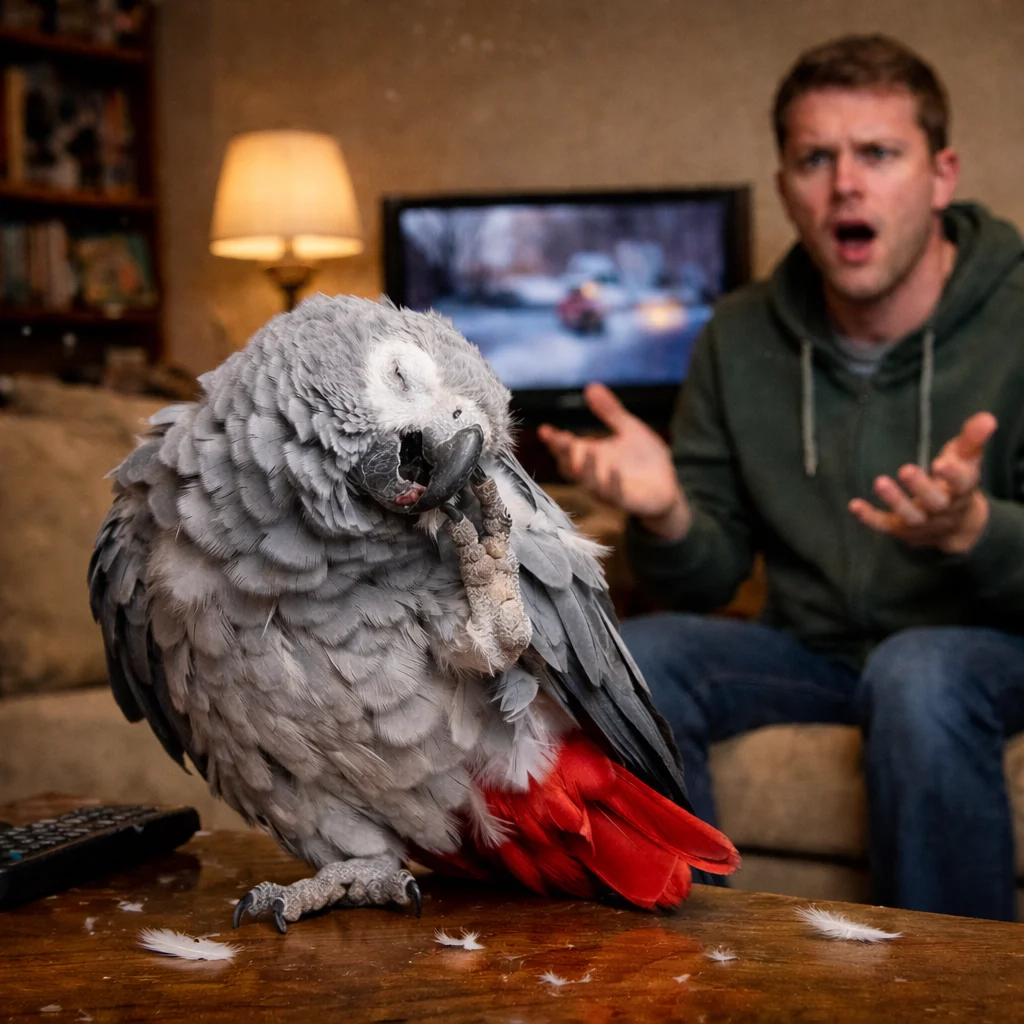
For many bird owners, observing their avian companion undergoing a molt can be a period of heightened concern. The natural process of shedding old feathers and growing new ones, while essential for a bird’s health and flight capabilities, often presents with behaviors that can alarm even experienced caregivers. Increased scratching, vigorous preening, and a general air of irritability are common, yet these very signs can also be precursors to more serious feather-destructive behaviors, such as feather plucking. This article aims to provide a comprehensive guide for owners to discern between the physiological discomfort of a normal molt and the initial indicators of a potential behavioral or health problem, emphasizing the critical importance of early identification and intervention.
Understanding the Avian Molt: A Natural Biological Imperative
Molting is a fundamental biological process for all birds, serving to replace worn, damaged, or lost feathers with fresh, functional ones. Feathers are vital for flight, insulation, waterproofing, and display, and their continuous regeneration is crucial for a bird’s survival and well-being. This cyclical event is influenced by a complex interplay of factors, including photoperiod (daylight length), nutrition, age, species, and hormonal cycles. While wild birds often undergo specific molting patterns synchronized with breeding seasons or migration, captive birds, particularly those in indoor environments with artificial lighting, may experience more irregular or continuous molts.
The process itself is metabolically demanding. Feathers are approximately 90% protein, primarily keratin, and their growth requires a significant redirection of nutrients and energy within the bird’s body. New feathers emerge encased in a protective keratin sheath, often referred to as "pin feathers." These pin feathers have a blood supply at their base, making them sensitive and potentially painful if bumped or damaged. As the new feather matures, the blood supply recedes, and the keratin sheath flakes off, which the bird aids through preening. This entire cycle, from the emergence of pin feathers to the full unfurling of new plumage, can generate considerable discomfort, leading to increased preening, scratching, and occasionally, a noticeable change in temperament.
Identifying Normal Molt Discomfort: What to Expect
During a typical molt, a bird will exhibit several characteristic behaviors, all generally aimed at facilitating the removal of old feathers and the emergence of new ones. These behaviors, while sometimes intense, are usually transient and do not result in self-inflicted damage.
- Increased Preening: Birds will spend more time meticulously preening their feathers. This helps to remove the keratin sheaths from new pin feathers, distribute preen oil (from the uropygial gland) for feather conditioning, and dislodge old, loose feathers. Normal preening is thorough but gentle, involving individual feather manipulation and "zipping" barbules back into place.
- Vigorous Scratching: Due to the itching and irritation caused by emerging pin feathers and dry skin, birds may scratch more frequently and with greater intensity, particularly around the head and neck where they cannot reach with their beak. They might use their feet or rub their head against perches.
- Shedding of Down and Small Feathers: Owners will typically notice an increase in loose downy feathers and smaller contour feathers around the cage and on the bird’s body. This shedding is a natural part of the feather replacement process.
- Presence of Pin Feathers: Numerous small, rigid pin feathers, resembling tiny quills, will be visible across the bird’s body, particularly on the head, neck, and back. These can appear spiky or even somewhat alarming, but their presence is a clear sign of healthy feather regeneration.
- Temporary Irritability: Some birds may appear more "grumpy," sensitive to touch, or less tolerant of handling during a heavy molt. This is understandable given the physical discomfort they are experiencing.
- Intermittent Nature: Normal molt behaviors tend to be intermittent. A bird might preen vigorously for a period, then engage in other activities like eating, playing, or resting, before returning to preening. The focus shifts, and the intensity varies.
When to Be Concerned: Early Indicators of Potential Problems
While normal molt discomfort is expected, certain signs suggest that the behavior might be escalating beyond the typical physiological response and warrant closer observation or even veterinary consultation. The key distinction lies in the escalation, fixation, and resultant damage to feathers or skin.
- Repetitive, Obsessive Picking: If a bird focuses intensely and repeatedly on a single area, picking, pulling, or chewing at feathers, especially to the exclusion of other normal activities like eating, playing, or interacting, this is a significant red flag.
- Visible Feather Damage Beyond Normal Wear: While a molting bird might have a few ruffled or slightly chewed feathers, consistent fraying, breaking, or outright removal of new or mature feathers is concerning. Look for feathers that appear ragged, chewed through, or have broken shafts.
- Bald Patches or Skin Irritation: The appearance of bald spots that are not quickly filling in with new pin feathers, or areas of red, inflamed, broken, or bleeding skin, immediately points to a problem beyond a normal molt.
- Vocalization Changes During Preening: Excessive squawking, grunting, or other distressed vocalizations specifically while preening can indicate pain or extreme discomfort beyond what is typical for a molt.
- Inability to Disengage: A crucial diagnostic question, as highlighted by avian experts like Diane Burroughs, is whether the bird can "disengage" from the behavior. If the bird remains fixated on preening or picking despite attempts to distract it with food, toys, or interaction, it suggests a compulsive element.
- Change in Feather Quality: Even without outright plucking, if new feathers are emerging deformed, brittle, or discolored, it can indicate underlying nutritional deficiencies or health issues impacting feather development.
The Physiology of Discomfort: Why Some Molts Are Harder Than Others
The intensity of molting discomfort is not uniform across all birds or all molts. Several factors contribute to why some birds experience a particularly "rough" molt, often tracing back to nutritional deficiencies or underlying health issues.
Feather and skin health are intimately linked to diet. As mentioned, feathers are protein-rich, requiring a steady supply of essential amino acids. Beyond protein, key micronutrients play pivotal roles:
- Vitamin A (Retinol): Crucial for the health and integrity of epithelial tissues, which include the skin and feather follicles. A deficiency in Vitamin A can lead to dry, flaky skin, compromised feather follicle function, and abnormal feather growth, making the emergence of new feathers more irritating and prone to infection.
- Essential Fatty Acids (EFAs): Omega-3 and Omega-6 fatty acids are vital for maintaining skin hydration, elasticity, and reducing inflammation. Deficiencies can result in dry, itchy skin, brittle feathers, and an increased susceptibility to irritation during molt.
- B Vitamins and Minerals: A range of B vitamins (e.g., biotin) and minerals (e.g., zinc, copper) are cofactors in numerous enzymatic reactions critical for keratin synthesis and overall skin metabolism.
When a bird’s diet is lacking in these crucial nutrients, the skin and feather follicles are unable to function optimally. This metabolic stress during a molt means new feather growth becomes more irritating because the skin cannot adapt efficiently to the demands. For instance, a diet predominantly composed of seeds, which are typically high in fat but low in balanced protein, Vitamin A, and certain minerals, often predisposes birds to rough molts and potential feather problems. Many avian health experts, including those whose research is cited in veterinary manuals like the Merck Veterinary Manual, consistently link poor nutrition to compromised integumentary health in birds. Therefore, a particularly difficult molt often serves as a critical indicator of long-standing dietary limitations rather than merely "bad luck."
Proactive Care: Strategies for a Smoother Molt
The goal during a bird’s molt is twofold: to reduce immediate irritation and to prevent the escalation of discomfort into a fixed, destructive behavior. A calm, consistent, and supportive approach is most effective.
- Optimize Nutrition: This is paramount. Transitioning a bird to a high-quality, formulated pellet diet (which should form 60-80% of their intake) supplemented with fresh vegetables, fruits, and small amounts of healthy grains is crucial. Focus on Vitamin A-rich foods (e.g., dark leafy greens, carrots, sweet potatoes) and sources of essential fatty acids (e.g., flaxseed, chia seeds, small amounts of walnuts). Consult an avian veterinarian for species-specific dietary recommendations and potential supplements if deficiencies are suspected.
- Increase Humidity: Dry air can exacerbate skin irritation and make pin feathers more brittle and difficult to shed. Regular misting with plain water, offering shallow bathing dishes, or using a room humidifier can significantly help. Warm, humid conditions mimic a bird’s natural environment, aiding skin elasticity and feather emergence.
- Provide Bathing Opportunities: Daily or every-other-day baths (misting, shallow dish, or shower perches) help to soften keratin sheaths, hydrate the skin, and encourage natural preening. Ensure the bird is in a warm, draft-free area until dry.
- Gentle "Pin Feather" Assistance (with caution): For some birds that tolerate it, carefully rolling or gently rubbing mature, dry pin feathers between your fingers can help break open the keratin sheath. Crucially, never force a pin feather open, and avoid any pin feathers with a visible dark base, as this indicates an active blood supply and can be painful or cause bleeding. Focus on the head and neck where birds cannot reach.
- Environmental Enrichment and Stress Reduction: A bored or stressed bird is more likely to develop behavioral issues, including feather plucking. Ensure a stimulating environment with a variety of safe toys, foraging opportunities, and regular social interaction. Maintain a consistent daily routine to reduce anxiety. Avoid sudden changes or loud noises that might stress the bird.
- Ensure Adequate Rest: Molting is energy-intensive. Provide 10-12 hours of uninterrupted darkness and quiet for rest, covered by a cage cover if necessary.
What Helps and What Often Backfires: Expert Perspectives
Drawing on insights from avian behavior specialists, certain approaches prove beneficial, while others can inadvertently worsen the situation.
What Tends to Help:
- Consistency and Routine: Predictable daily schedules reduce stress and provide a sense of security.
- Positive Reinforcement: Reward calm, appropriate preening and non-destructive behaviors.
- Close Observation without Overreacting: Monitor patterns over weeks, not just hours. Acknowledge discomfort without amplifying it through excessive fussing, which can inadvertently reinforce attention-seeking behaviors if the bird associates picking with extra attention.
- Holistic Health Focus: Addressing diet, environment, mental stimulation, and physical comfort simultaneously.
- Early Intervention: Addressing nutritional gaps or environmental stressors as soon as discomfort is noted, rather than waiting for plucking to become entrenched.
What Often Backfires:
- Punishment or Scolding: Yelling at or punishing a bird for picking or preening will only increase stress and anxiety, potentially exacerbating the behavior and damaging the human-animal bond. Birds do not understand punishment in the way humans do.
- Ignoring the Problem: Hoping it will "just go away" allows destructive behaviors to become ingrained habits, which are much harder to break.
- Over-Supplementation without Dietary Change: While specific supplements might be recommended by a vet, relying solely on them without addressing a fundamentally poor diet is ineffective.
- Inconsistent Care: Erratic routines, fluctuating attention, or sudden changes can create instability and stress.
- Introducing "Anti-Plucking" Sprays without Addressing Root Cause: These sprays often have limited efficacy if the underlying cause of the picking (e.g., medical, nutritional, environmental, behavioral) is not identified and resolved. They can also be unpleasant for the bird.
When Professional Veterinary Intervention is Imperative
While this guide offers extensive advice for owners, there are clear instances when home troubleshooting must cease, and professional avian or exotics veterinary care is immediately warranted. These include:
- Weakness or Lethargy: If the bird appears unusually quiet, sleeps excessively, or seems weak and unresponsive.
- Persistent Fluffing: Remaining fluffed up for long periods, indicating illness or discomfort.
- Ocular Issues: Squinting, keeping eyes half-closed, or discharge from the eyes.
- Bald Areas Not Filling In: Persistent bald patches that do not show signs of new pin feather growth.
- Open Skin, Bleeding, or Wounds: Any visible skin lesions, active bleeding, or signs of self-mutilation.
- Clear Feather Pulling/Damage: When the bird is visibly pulling out healthy feathers, or feathers are consistently damaged or broken.
- Sudden Changes in Droppings: Diarrhea, unusual color, or changes in consistency.
- Weight Loss or Appetite Changes: Significant decrease in appetite or noticeable weight loss.
- Any symptom that feels "off" and does not improve within a few days of implementing supportive care.
Avian veterinarians possess the specialized knowledge to diagnose underlying medical conditions (e.g., infections, parasites, organ disease, hormonal imbalances) that can mimic or exacerbate molting discomfort or lead to feather plucking. Diagnostic tools may include blood tests, skin biopsies, feather analysis, and imaging. Early veterinary intervention is critical to prevent a treatable condition from becoming chronic or life-threatening.
Expert Perspectives and Long-Term Implications
Avian behavior specialists emphasize that feather-destructive behavior is a complex syndrome, not a disease, with multifactorial causes that often include medical, environmental, and behavioral components. As noted by psychotherapist and avian specialist Diane Burroughs, distinguishing "calm preening versus repetitive plucking and more serious skin damage" is paramount. The long-term implications of unchecked feather plucking extend beyond aesthetics. Chronic self-mutilation can lead to severe skin infections, permanent follicle damage preventing future feather growth, systemic illness, and a significant reduction in quality of life for the bird. For owners, the emotional and financial toll of managing a plucking bird can be considerable.
Research, such as that published in Frontiers in Physiology by Chen et al. (2020), continues to unravel the intricate genetic and physiological underpinnings of feather development and molting, reinforcing the scientific basis for comprehensive care. The principles outlined by classic texts like Cooper & Harrison’s Avian Medicine (1994) remain foundational, stressing environmental enrichment, appropriate nutrition, and prompt veterinary care as cornerstones of avian health.
Frequently Asked Questions (FAQ)
- Can plucking start before feathers look damaged? Yes. Early plucking may involve pulling out whole feathers, leaving surrounding feathers looking normal at first. The focus is on the behavior of pulling, not just the visible damage.
- How long should I watch before worrying? Watch patterns over weeks, not hours. Normal molt discomfort shifts or improves; plucking becomes repetitive, focused, and persistent over time. If a behavior continues for more than a few days with increasing intensity or fixation, it’s time to act.
- Can molting look fine one day and worse the next? Yes. Molting discomfort often comes in waves, with periods of more intense itching or shedding. Concern arises when the behavior steadily intensifies, becomes fixed on one area, or results in visible damage that does not resolve.
- What’s the real red flag? Fixation – repeated, obsessive focus on one spot that cannot be interrupted by eating, resting, play, or other normal environmental stimuli. This indicates a compulsive element or significant underlying discomfort.
- Is it always plucking if my bird is pulling out feathers? Not necessarily. A bird may pull out an old, loose feather during a molt. The concern arises if new, healthy feathers are being pulled, or if the pulling is repetitive and leads to bald spots or skin damage.
In conclusion, understanding the nuances of avian molting and differentiating it from early feather-destructive behavior is a crucial skill for responsible bird ownership. By providing optimal nutrition, a stimulating environment, consistent routines, and prompt veterinary care when needed, owners can significantly contribute to their bird’s physical health and emotional well-being, ensuring a smoother transition through this vital biological process.

