


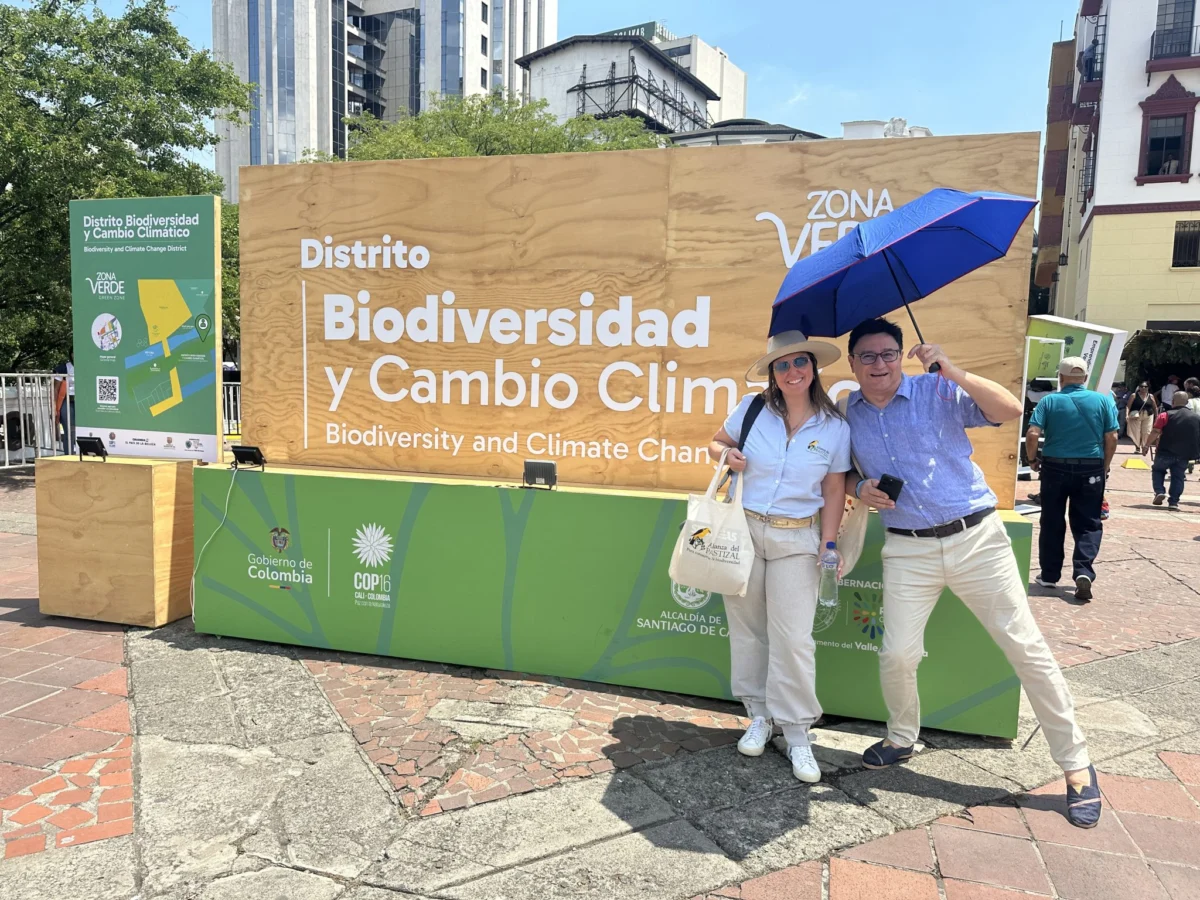
The absence of Adrián Stagi, who passed away a few weeks ago at the age of 57 following a serious infection, continues to resonate deeply within the conservation community of the Southern Cone and beyond. His passing has left a void that is keenly felt in ongoing dialogues, on familiar rural routes, and at gatherings where his sharp observations and signature sarcastic humor are dearly missed. Stagi was not merely a professional in the field of biology and conservation; he was a connector, a storyteller, and a profound advocate for the interconnectedness of people, production, and the natural world, particularly the vital ecosystems of the grasslands. His legacy is etched not just in projects and positions, but in the fundamental shift in perspective he fostered, encouraging a holistic understanding of grasslands as living networks of ecological, cultural, and human relationships.
A Life Dedicated to Grasslands and Connection
Adrián Stagi’s professional life was a testament to his deep-seated belief that effective conservation requires understanding and engaging with all facets of a landscape. A biologist by training, he became a leading figure at Aves Uruguay and a pivotal force behind the Alianza del Pastizal (Grassland Alliance), a collaborative network focused on the conservation of natural grasslands across Argentina, Brazil, Paraguay, and Uruguay. His role as executive director of Aves Uruguay saw him spearhead numerous initiatives aimed at protecting these vital ecosystems. These projects encompassed sustainable production practices, the promotion of birdwatching and nature tourism, and crucial efforts to combat bird trafficking in border regions. His work extended into public administration as well, with his environmental contributions in Río Negro, Uruguay, demonstrating a commitment that transcended institutional boundaries. Uruguayan media consistently recognized him as one of the nation’s most influential voices in biodiversity conservation, birding tourism, and the safeguarding of natural grasslands.

Stagi’s approach to conservation was characterized by an extraordinary ability to weave together seemingly disparate elements into a cohesive narrative. During a visit to Uruguay the previous year, he dedicated several days to personally accompanying the author of this piece on a tour of farms associated with the Alianza del Pastizal. This gesture, significant amidst his demanding schedule, offered a firsthand glimpse into his unique methodology. Driving through rural landscapes, sharing mate, and pausing frequently to observe birds, fields, and the intricate realities of local life, it became clear that Stagi possessed not only an encyclopedic knowledge of grasslands but also a profound capacity to inhabit, interpret, and share these environments with others. He navigated rural roads with an innate familiarity, identifying distant species as effortlessly as one might greet an old friend. His conversations flowed seamlessly from discussions about farmers and conservation to observations on birds, politics, food, local history, and the management of the natural countryside. He did not appear as a visitor, but as someone deeply integrated into the fabric of these relationships, a quality that explains the widespread affection and respect he garnered from individuals across diverse backgrounds.
Bridging Worlds: The Ambassador of the Countryside
Many who knew Adrián Stagi do not simply categorize him as a biologist or a conservationist. They describe him as an "ambassador for the countryside," a term that encapsulates his unique talent for helping others perceive grasslands not merely as areas of biodiversity, production, or scenic beauty, but as complex, living systems. He understood that these landscapes are interwoven with culture, history, memory, economic realities, the lives of livestock and families, the daily decisions of inhabitants, and a distinct way of life. This holistic perspective allowed him to move with effortless authenticity among a wide spectrum of stakeholders: government institutions, private companies, rural producers, scientists, tourists, birdwatchers, and local communities.
In Uruguay, a nation known for its strong interpersonal connections, Stagi’s ability to foster genuine relationships was particularly evident. He was welcomed as a friend, capable of entering a home and sitting at the table with the ease of someone who had known the family for years. He discussed biodiversity with the same naturalness as he spoke of everyday life, a good wine, the nation’s challenges, or the inherent tensions in sustaining conservation efforts within the Latin American context. His immediate family included his mother and brother, but over time, Stagi cultivated a broad, chosen family of friends, colleagues, producers, and fellow travelers whose lives were enriched by his presence. Daniela Schossler, coordinator of the Alianza del Pastizal in Uruguay, was one such close friend who provided steadfast support, both professionally and personally, during Stagi’s most challenging days. This emotional dimension underscores that his absence is felt not only as an institutional loss but as a profoundly human and personal one.

A Legacy of Collaboration and Humility
The challenges of conservation are often significant, particularly for local organizations operating with limited resources and relying heavily on the personal dedication of their members. Within the expansive network of BirdLife International, which comprises large international bodies, grassroots groups, and a wealth of field expertise, Adrián Stagi exemplified a crucial aspect of conservation: the power of proximity, perseverance, good humor, and enduring human relationships.
His impact, while not always directly proportional to the size of the organization he represented, was immense. He possessed an exceptional ability to bridge disparate worlds, facilitating conversations that others might deem impossible. His influence was measured not only in agreements, projects, and programs but, perhaps more importantly, in the trust he cultivated. This trust manifested in farmers who opened their homes, children who learned to observe birds with curiosity and joy, aspiring naturalists who discovered the intricacies of an ecosystem, and in fields that began to be understood through a lens broader than immediate productivity.
Stagi’s work with Aves Uruguay, his active participation in the Grassland Alliance alongside partners from Argentina, Brazil, and Paraguay, his promotion of birdwatching tourism, and his collaborations with farmers and technical working groups all represent his tangible contributions. However, the immeasurable impact lies in his ability to bring diverse individuals together around a shared table, fostering a common vision, often with a characteristic touch of humor. Those who worked closely with him consistently recall his capacity for building bridges, his attentive listening, his willingness to collaborate when a shared purpose was evident, and his unwavering conviction that grasslands are understood not solely through the lens of biodiversity but also through the experiences of the people who inhabit, work in, and protect them.

Beyond his professional achievements, those close to him remember his palpable presence. His binoculars were always within reach, and he possessed an infectious enthusiasm for birds, landscapes, and spontaneous, humorous conversations. This rare combination of quiet observation and insightful, witty remarks, coupled with a constant sense of humor, created an atmosphere where every field trip promised new discoveries and deeper understanding.
Conservation Lived, Not Just Practiced
Adrián Stagi’s passing, at the age of 57, serves as a poignant reminder that certain professional lives, particularly in field conservation, cannot be lived from a distance. Conservation is an immersive experience, demanding engagement on trails, at dawn, in meetings, through exhaustion, in the face of inclement weather, mud, difficult decisions, and constant exposure to the very environments one seeks to understand and protect. For Stagi, this intensity was not a performance but an intrinsic way of being in the world – his world. This profound commitment is why his absence is so keenly felt, both within the international alliance and across the broader conservation community of the Southern Cone. His approach to conservation was deeply rooted in human connection, shared knowledge, and the patient cultivation of trust.
As the Alianza del Pastizal approaches its 20th anniversary, Stagi’s legacy gains even greater significance. Anniversaries are typically moments for celebration, but they also offer an opportunity to acknowledge those who transformed an idea into a network, a practice, a conversation, a legacy, and a shared culture. Adrián Stagi was integral to this evolution. He was not merely a historical figure; his vision continues to inform how many people today understand the intrinsic value of natural grasslands.

Networks endure because of individuals who leave behind more than just immediate results. They are shaped by those who empower others to see differently, who nurture new generations of nature advocates, who connect stakeholders who previously failed to communicate, and who transform a vision into a living culture. A personal desktop background quote, "One day, when you’re gone, you’ll be what you did," resonates powerfully in reflecting on Stagi’s enduring impact. His legacy lives on in the individuals who continue to pursue birdwatching because of his inspiration, in the fields he meticulously explored, in the conversations he ignited, in the bonds he helped forge, and in the profound way he taught so many to perceive grasslands not merely as an ecosystem, but as a vibrant, interconnected network of human, cultural, and ecological relationships deserving of preservation. In his passing, Adrián Stagi leaves behind a quiet certainty: that some individuals, even after they are gone, continue to illuminate our understanding of the world.
The Alianza del Pastizal, a crucial regional initiative that Stagi championed, focuses on conserving the vast expanses of natural grasslands that stretch across South America. These ecosystems, often referred to as "pastizales," are characterized by their rich biodiversity, including numerous endemic bird species, and are critical for regional ecological balance. However, they face significant threats from agricultural expansion, unsustainable land management practices, and infrastructure development. The alliance brings together governmental agencies, non-governmental organizations, and private landowners from its member countries to promote sustainable land use, research, and conservation strategies. Stagi’s work within this framework was instrumental in building trust and facilitating cooperation among diverse stakeholders, a testament to his ability to navigate complex social and environmental landscapes. The success of the Alianza del Pastizal, now approaching two decades of operation, owes a considerable debt to the foundational work and enduring spirit of individuals like Adrián Stagi.

