


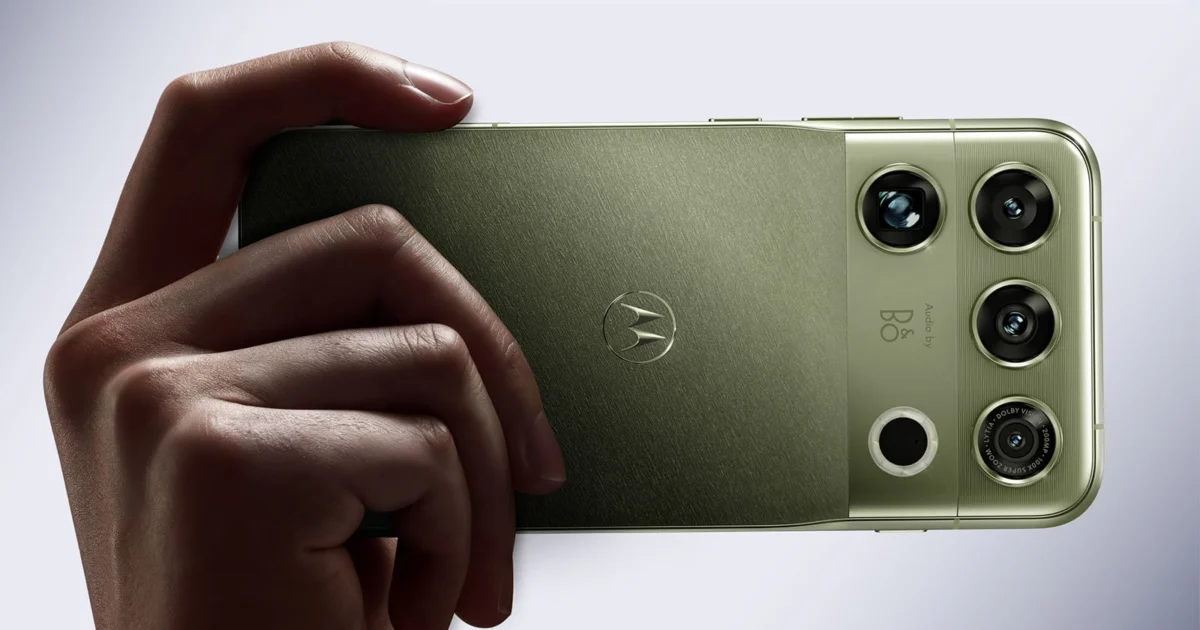
At the annual Qualcomm Snapdragon Summit, a marquee event in the mobile technology calendar, Motorola officially pulled back the curtain on its most ambitious device to date: the Signature 27. This unveiling marks a significant strategic pivot for the brand, as it seeks to reclaim territory in the ultra-premium smartphone segment by integrating cutting-edge silicon with bespoke hardware partnerships. The device, which serves as a technological showcase for the newly announced Snapdragon 8 Elite Extreme Gen 6 mobile platform, represents a concerted effort by Motorola to compete directly with established flagship titans through a focus on computational photography and high-end industrial design.
The Snapdragon Summit, held this year with a heavy emphasis on generative AI and mobile processing efficiency, provided the perfect backdrop for Motorola’s announcement. By aligning its release cycle with Qualcomm’s latest silicon rollout, Motorola is signaling its intent to be among the first to market with next-generation processing capabilities, effectively shortening the gap between chip architecture development and consumer availability.
The Technological Foundation: Snapdragon 8 Elite Extreme Gen 6
The core of the Signature 27 is built around the Snapdragon 8 Elite Extreme Gen 6. This platform is designed to handle the heavy computational lifting required by modern smartphone imaging. Industry analysts attending the summit noted that the integration of this chip is not merely about raw clock speeds; rather, it is about the dedicated neural processing units (NPUs) that facilitate real-time, on-device AI.
For the end-user, this manifests as the "Video Enhancement Engine," a proprietary Motorola tool that performs a real-time intelligence layer over video recording. Unlike traditional post-processing, which often requires significant time and battery life, the Snapdragon 8 Elite Extreme Gen 6 allows the Signature 27 to adjust color grading, noise reduction, and exposure settings instantaneously as the scene changes. This capability is particularly critical for high-dynamic-range (HDR) video, which has historically been a bottleneck for mobile devices in low-light environments.
Pushing the Boundaries of Mobile Optics
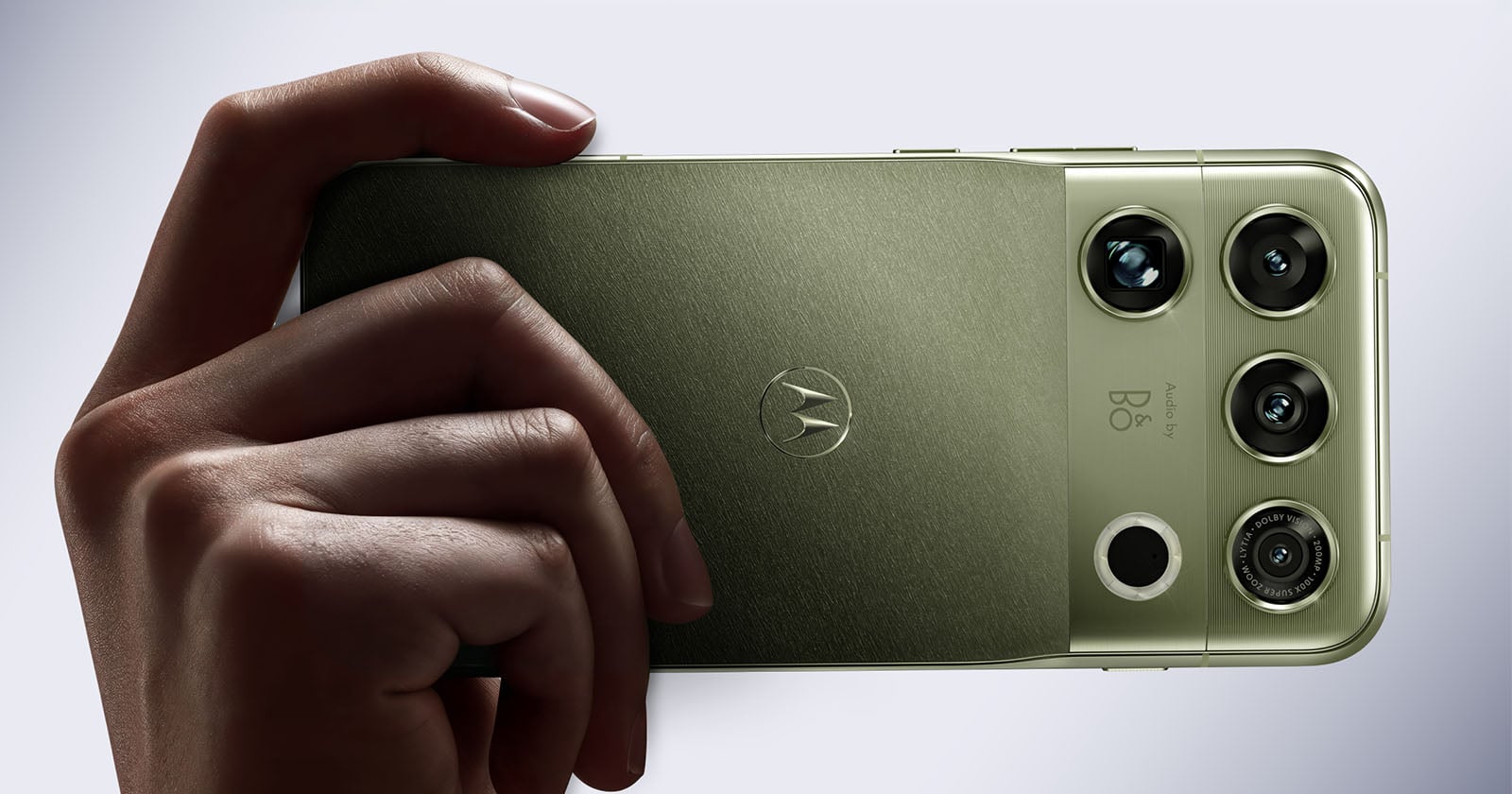
The camera system of the Signature 27 is characterized by an emphasis on sensor hardware that mimics professional-grade photography equipment. Motorola has leaned heavily on Sony’s Lytia sensor portfolio to anchor the device’s imaging suite. The primary wide-angle sensor is the 50-megapixel Lytia 910, which utilizes LOFIC (Lateral Overflow Integration Capacitor) technology.
LOFIC is a relatively recent innovation in mobile sensor design, specifically intended to prevent highlight clipping. By increasing the charge capacity of each pixel, the sensor can capture significantly more light information in high-contrast scenarios—such as a subject standing in front of a bright window or a sunset landscape—without sacrificing detail in the shadows.
Complementing the primary sensor is a 200-megapixel telephoto unit, powered by the Lytia 901 sensor. This inclusion is notable for its resolution, which provides significant room for "in-sensor" cropping. By using the center portion of the 200-megapixel sensor, the Signature 27 can effectively achieve high-fidelity zoom levels that bypass the traditional quality degradation associated with digital magnification. While the secondary cameras—including the rumored ultra-wide and potentially a macro or depth sensor—remain unconfirmed, the current dual-sensor configuration positions the Signature 27 as a primary tool for mobile photographers.
Design Language and Hardware Partnerships
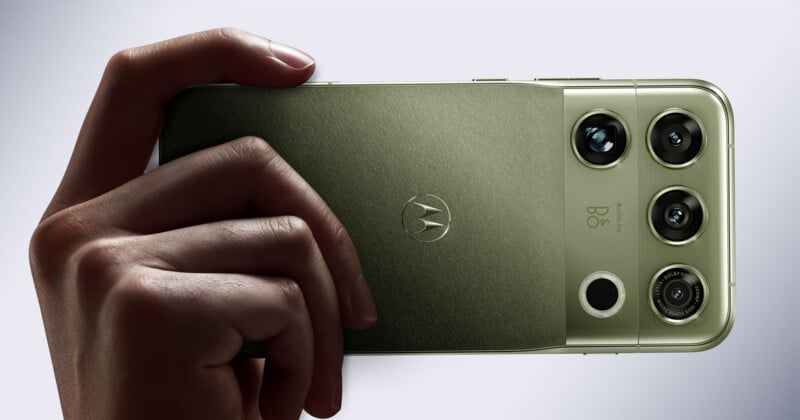
Beyond the internal silicon and optics, Motorola has invested heavily in the physical presence of the Signature 27. The device’s aesthetic is a departure from the glass-sandwich design language common to many contemporary flagships. The company has opted for an aluminum chassis combined with textured, tactile finishes.
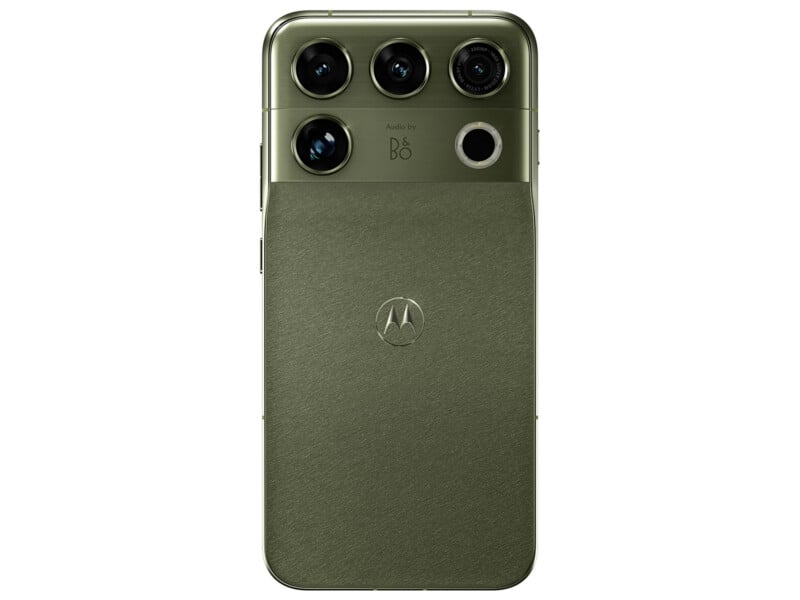
The two announced finishes—a "coal smoke" tactical weave and a "Capulet olive" with a brushed textile finish—reflect a design philosophy that prioritizes ergonomics and distinct physical character. By moving away from high-gloss surfaces, Motorola is addressing a common consumer pain point regarding fingerprint smudges and grip, while simultaneously creating a device that feels unique in a saturated market.
Furthermore, the introduction of an audio partnership with Bang & Olufsen (B&O) signifies an attempt to bridge the gap between communication devices and high-fidelity media players. B&O, known for its premium acoustic engineering, has worked with Motorola to tune the device’s audio output. This multi-year partnership is expected to influence not just the internal speakers, but also the signal processing for wired and wireless audio outputs, a feature set that is increasingly being ignored by other flagship manufacturers.
Industry Context and Strategic Implications
The launch of the Signature 27 arrives at a time when the smartphone market is experiencing a plateau in innovation, characterized by incremental annual updates. By pivoting toward deep AI integration and specialized sensor hardware, Motorola is attempting to reset the consumer expectation for what constitutes a "pro" device.
The timing of this release, set for a global launch later this year, is designed to capture the holiday market. Analysts suggest that the success of the Signature 27 will hinge on its software ecosystem. While the hardware is undeniably competitive, the consumer experience will rely on how seamlessly Motorola’s software overlays interact with the Snapdragon 8 Elite Extreme Gen 6’s AI capabilities.
From an industry perspective, the Motorola-Qualcomm-Sony collaboration represents a growing trend of vertical alignment. By working closely with silicon providers and sensor manufacturers, OEMs are able to extract performance metrics that are unattainable through generic component procurement. The Signature 27 is, in many ways, a testament to the "platformization" of the flagship smartphone, where the phone is no longer a collection of parts, but a tightly integrated system where the chip, the sensor, and the software are developed in concert.
Looking Ahead
While many specifications, such as battery capacity, charging speeds, and display refresh rates, have been withheld, the initial preview of the Signature 27 sets a high bar for the brand. Motorola’s commitment to "pushing the boundaries" is supported by its choice of top-tier components.
The upcoming global release will serve as the true test for this strategy. As the company prepares for the full product reveal, observers will be watching closely to see how the software interface manages the complexity of the onboard AI. If the performance of the Video Enhancement Engine meets the expectations set at the Snapdragon Summit, the Signature 27 could mark a resurgence for Motorola in the premium tier, proving that there is still room for differentiation in a mature market.
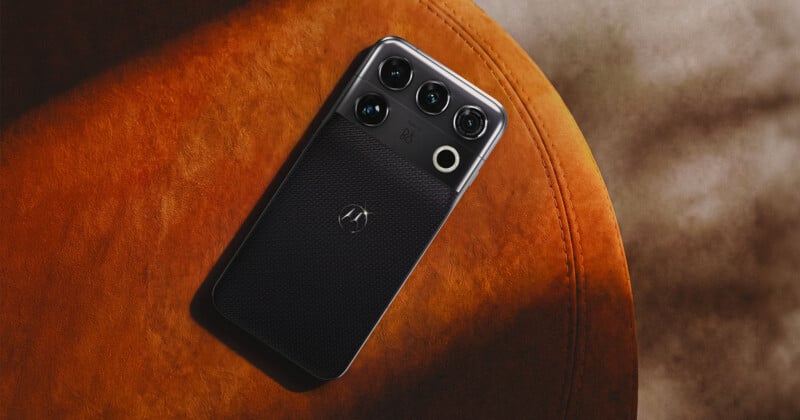
In conclusion, the Motorola Signature 27 is more than a hardware refresh; it is a strategic maneuver that leverages the latest advancements in mobile processing and imaging to provide a cohesive, premium experience. With its focus on professional-grade optics, refined materials, and high-fidelity audio, Motorola has positioned itself to capture the attention of power users and enthusiasts who prioritize substance over mere iteration. The company’s continued partnership with industry leaders like Qualcomm and B&O indicates a long-term roadmap that seeks to elevate the Motorola brand back to the forefront of the mobile industry. Further details regarding the official release date, regional availability, and full technical specifications are expected to be unveiled in the coming weeks.

