


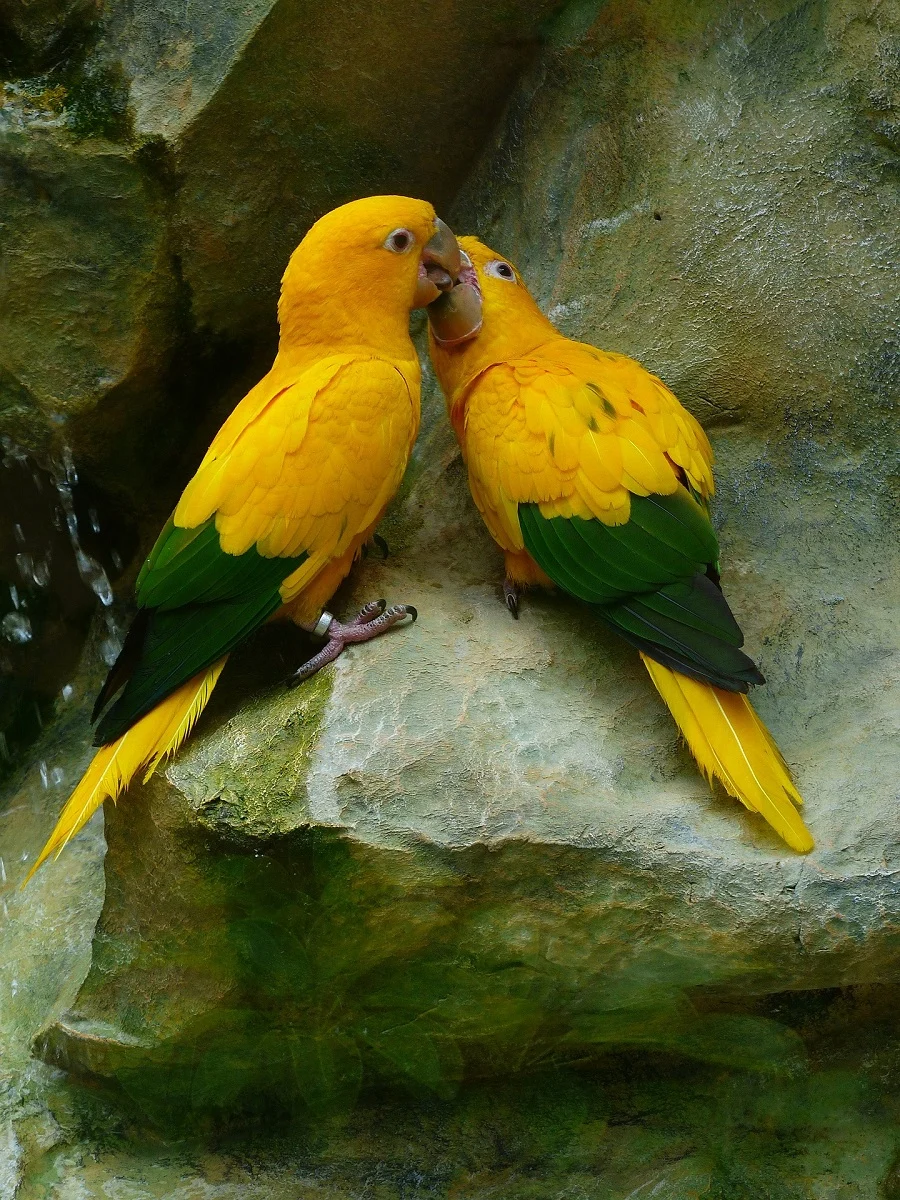
The Golden Conure, known scientifically as Guaruba guarouba and colloquially as the Queen of Bavaria Conure or Golden Parakeet, stands out as one of the most visually stunning members of the entire parrot family, captivating enthusiasts with its vibrant, uniform golden plumage. This article delves into the intricate details of this magnificent bird, exploring its unique characteristics, natural habitat, complex taxonomic history, dietary requirements, specialized housing needs, and the significant conservation challenges it faces in its native Amazonian home. Understanding these facets is crucial for anyone considering adding this intelligent and social creature to their family, as well as for appreciating its broader ecological significance.
A Striking Description: The Queenly Appearance and Unique Traits
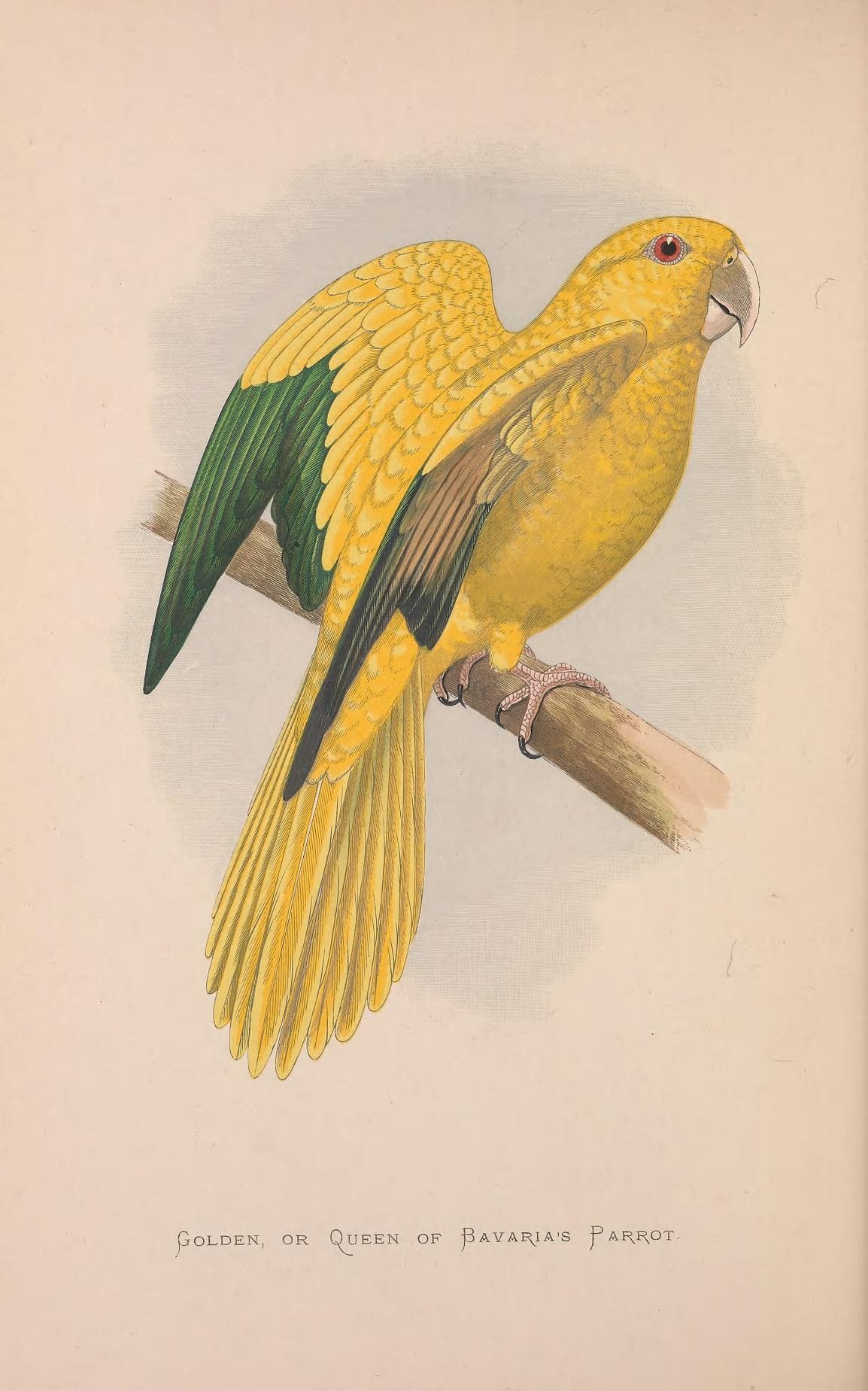
The Golden Conure is a medium-sized parrot, typically reaching lengths of up to 14 inches (35 cm) and averaging around 250 grams in weight. Its most distinguishing feature is its almost entirely golden-yellow body, a radiant hue that earns it its royal moniker. This brilliant coloration is largely uniform across its body, with the notable exception of dark green wing tips, which provide a subtle contrast. Juveniles, however, exhibit a more mottled appearance, often displaying a greater proportion of green feathers, particularly on their wings, and sometimes speckled across their backs and heads, gradually transitioning to the adult golden plumage as they mature. The species possesses a robust, horn-colored beak, perfectly adapted for cracking nuts and seeds. A fascinating biological aspect is the lack of visual sexual dimorphism; males and females are virtually indistinguishable by sight, necessitating DNA testing for accurate sex determination, a common practice in aviculture and conservation breeding programs. This distinct appearance and the fact that it is the sole species within its genus, Guaruba, underscore its unique evolutionary path among parrots.
Navigating the Labyrinth of Taxonomy: A History of Scientific Redefinition
The scientific classification of species, while aiming for precision, is often a dynamic and evolving field, particularly as new genetic and morphological data emerge. The Golden Conure’s taxonomic journey exemplifies this complexity, reflecting a fascinating chronology of scientific understanding. Initially, the species was classified under the genus Conurus, a broad grouping that once encompassed many conure species. As ornithological research advanced, it was subsequently moved to Eupsittula and then to Aratinga, where many popular conure species, such as Sun Conures, still reside.
However, a persistent suspicion among ornithologists was that the Golden Conure possessed unique characteristics warranting its own distinct genus. This hypothesis gained significant traction with the publication of Joseph Forshaw’s seminal work, "Parrots of the World," in 2006, which formally listed it as Guaruba guarouba. This reclassification was not merely an arbitrary change but was rigorously supported by subsequent phylogenetic studies. A landmark 2006 article in Systematic Biology, for instance, presented compelling evidence from mitochondrial and nuclear DNA sequences, demonstrating that Guaruba is more closely related to red-shouldered macaws (genus Diopsittaca) than to the Aratinga conures it was previously grouped with. This redefinition highlights the continuous refinement of our understanding of avian evolutionary relationships and underscores the species’ unique genetic heritage, separating it from its more common conure cousins. Such detailed scientific investigations are vital for accurate conservation strategies and understanding biodiversity.
The Amazonian Stronghold: Habitat and Natural Behaviors
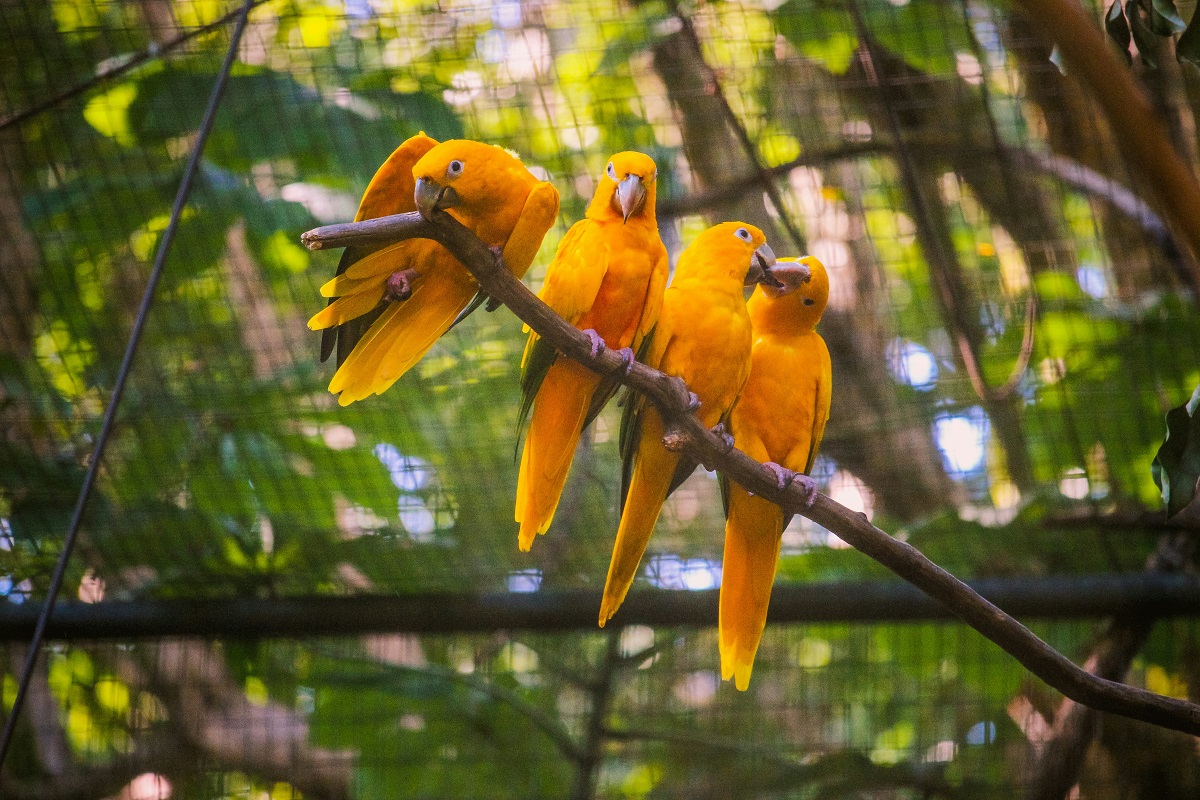
The Golden Conure is endemic to the lush and biodiverse Brazilian Amazon Basin, primarily inhabiting the state of Pará, with potential extensions into neighboring Maranhão. Within this vast tropical ecosystem, the species exhibits specific habitat preferences. It predominantly favors dry lowland forests, known as "terra firme" forests, which are not subject to seasonal flooding. However, observations indicate that they will occasionally venture into "várzea" forests, which are seasonally inundated areas, likely in search of specific food resources. This adaptability to different forest types showcases their resourcefulness within a dynamic environment.
The species is noted for its nomadic tendencies, especially during the breeding season. Ornithological observations, such as those documented in a 1986 study in Biological Conservation, reveal that during these crucial periods, birds often leave the denser jungle interior for less dense, more open zones. This movement could be driven by the availability of nesting sites, a shift in food resources, or a strategy to reduce predation pressure on their young. Nests are typically constructed in relatively isolated hollow trees, often by enlarging cavities previously utilized by other species. A particularly interesting aspect of their reproductive biology is the communal nesting behavior, where multiple female Golden Conures may lay their eggs in the same nest. This can result in unusually large clutches, sometimes containing more than ten eggs, suggesting a complex social structure and cooperative breeding strategy within their groups.
A Species Under Threat: Conservation Status and Indigenous Significance
Despite its striking beauty and unique biological traits, the Golden Conure faces significant threats in the wild. The International Union for Conservation of Nature (IUCN) Red List currently classifies Guaruba guarouba as a Vulnerable species, reflecting a substantial decline in its wild population. While the trapping of these birds for the illicit pet trade, historically a major pressure, has reportedly decreased due to stricter regulations and increased awareness, habitat destruction and fragmentation continue to severely impact the species.
The primary drivers of habitat loss in the Amazon are deforestation for agricultural expansion (cattle ranching, soy plantations), logging, mining operations, and infrastructure development. These activities not only reduce the overall area of suitable forest but also fragment existing habitats, isolating populations and making them more susceptible to localized extinctions. The long lifespan of Golden Conures (up to 30 years in captivity) also means that habitat destruction has long-term consequences, as it takes many years for new generations to mature and reproduce, if suitable habitat even remains. Conservation efforts now focus heavily on protecting existing forest tracts, establishing protected areas, and implementing sustainable land-use practices to mitigate these threats.
Beyond its ecological role, the Golden Conure holds deep cultural significance for local indigenous populations in Brazil. Locally known as "Ararajuba," a name that translates to "yellow macaw" or "yellow parrot," its golden feathers have long been highly prized for their beauty and symbolic value, used in ceremonial adornments and handicrafts. Historical accounts, such as those in Helmut Sick’s "Ornitologia Brasileira," mention instances where other conure species were even dyed yellow to be sold at higher prices in animal markets, underscoring the enduring allure and value of the Golden Conure’s natural coloration. This cultural connection highlights the intertwined fate of the species with human communities and the importance of engaging local populations in conservation initiatives.
Dietary Regimen: Sustenance in the Wild and in Captivity
A robust and varied diet is fundamental to the health and longevity of Golden Conures, both in their natural habitat and under human care.
Wild Diet: In the rich tapestry of the Amazon rainforest, wild Golden Conures enjoy a diverse diet dictated by seasonal availability. Scientific studies, including a recent 2024 article in Diversity on reintroduced populations, indicate that their diet primarily consists of fruits. Favorite fruits include those from the açaí and bacaba palms, as well as cashew, ice cream bean, nance, and locustberry trees. These fruits provide essential vitamins, minerals, and carbohydrates. Beyond fruits, the birds also consume flowers and flower buds, likely for nectar and pollen, offering additional nutritional benefits. Like many opportunistic parrot species, Golden Conures are known to occasionally raid local farmers’ crops, showing a particular fondness for corn and mango, which can sometimes lead to conflicts with human settlements.
Captive Diet: Replicating the diversity of a wild diet in a captive environment is challenging but crucial. Avian veterinarians and experts strongly advocate for a high-quality, commercially formulated parrot pellet as the cornerstone of a captive Golden Conure’s diet. While perhaps less visually appealing than a seed mix, pellets are nutritionally complete and balanced, designed to prevent the selective eating and nutritional deficiencies often associated with seed-only diets, which are typically high in fat and low in essential nutrients.
To supplement pellets and provide crucial enrichment, a wide array of fresh foods should be offered daily. This includes:
- Vegetables: Leafy greens (kale, spinach, romaine), broccoli, carrots, bell peppers, sweet potatoes, zucchini.
- Fruits: Apples (without seeds), berries (blueberries, raspberries), mango, papaya, melon, citrus fruits (in moderation).
- Grains and Legumes: Cooked brown rice, whole-wheat pasta, sprouted lentils, and beans (cooked only).
- Small amounts of healthy fats: Avocado (pulp only, in very small quantities, as some parts are toxic), almonds, walnuts (unsalted, unshelled).
It is imperative to avoid foods toxic to parrots, such as chocolate, avocado pit and skin, caffeine, alcohol, and excessive salt or sugar. A healthy, varied diet, combined with ample fresh water, is one of the most significant factors in ensuring a Golden Conure lives its full potential lifespan of up to 30 years or more. Integrating food into foraging toys is highly recommended, as it combines mealtime with mental stimulation, mimicking their natural behavior of searching for food and preventing boredom.
Optimal Housing and Environmental Enrichment
Given their medium size, active nature, and intelligence, Golden Conures require spacious housing and a stimulating environment to thrive.
Housing Dimensions: These are not small birds, and a standard small cage is entirely inadequate. For a single Golden Conure, a cage with a minimum width of at least 40 inches (1 meter) is recommended, ideally an indoor aviary. The larger the enclosure, the better, as it allows for short flights, climbing, and active play, which are essential for physical health and preventing obesity. For birds that spend several hours a day outside the cage, the minimum might be met, but consistent free-flight time in a safe environment is always preferred.
Cage Furnishings: The cage interior should be thoughtfully designed to mimic elements of their natural habitat and provide diverse perching options. This includes a variety of natural wood perches of different diameters and textures to promote foot health and prevent pressure sores. Ladders, swings, and platforms offer additional opportunities for climbing and resting. Non-toxic branches from fruit trees (apple, pear) or hardwoods (maple, oak) are excellent choices.
Enrichment: Battling Boredom and Promoting Well-being
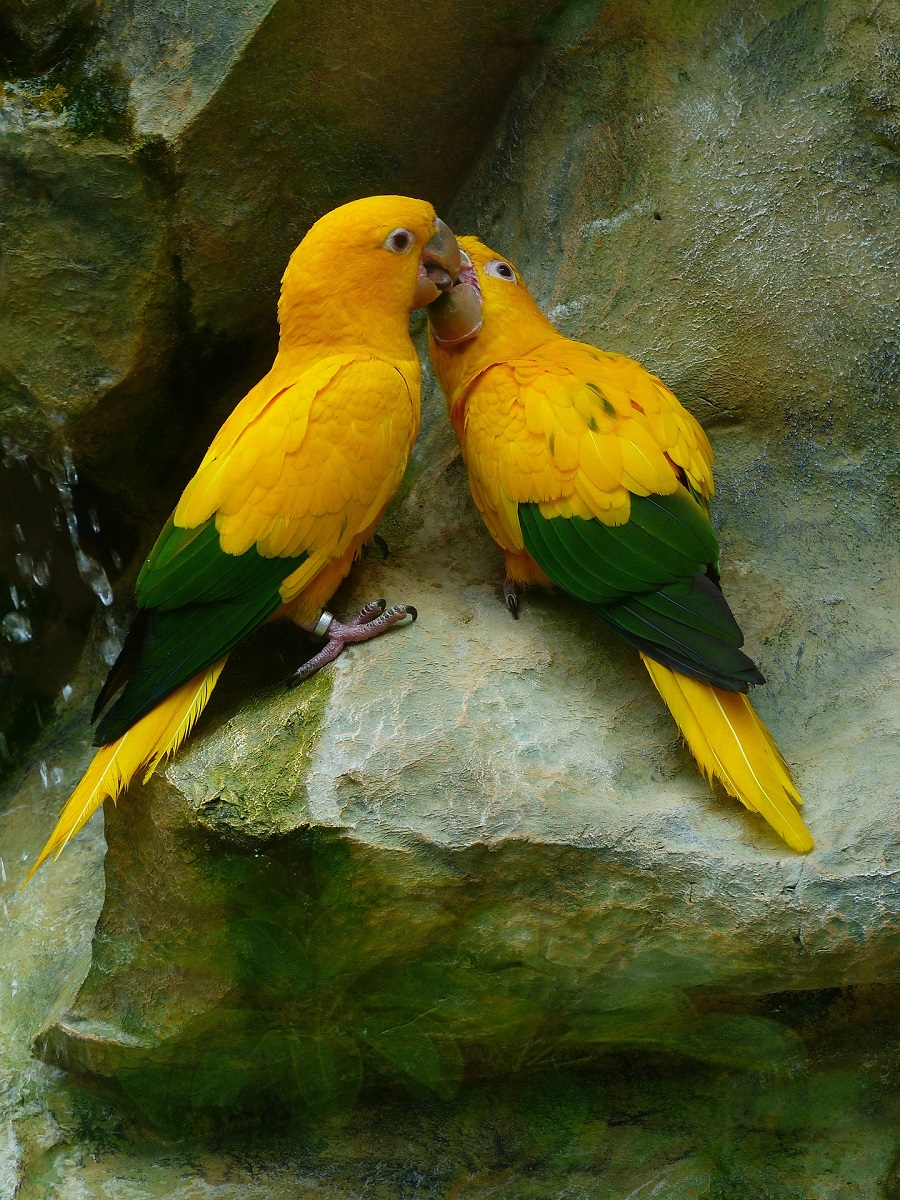
Golden Conures are highly intelligent and social creatures. In the wild, they spend their days foraging, interacting with flock members, and navigating a complex environment. In captivity, without adequate stimulation, they can easily become bored, leading to stress and the development of undesirable behaviors. These can include excessive screaming, feather plucking, self-mutilation, or aggression. Therefore, comprehensive environmental enrichment is not merely a luxury but a necessity for their psychological and physical health.
Key enrichment strategies include:
- Foraging Opportunities: As previously mentioned, integrating food into puzzle toys, shreddable boxes, or hidden compartments encourages natural foraging behavior and mental engagement.
- Variety of Toys: A rotating selection of toys is crucial. This should include chew toys (natural wood, safe ropes), shreddable toys (paper, cardboard), puzzle toys, and preening toys. Toys should be replaced or cleaned regularly.
- Social Interaction: Golden Conures are highly social. Daily interaction with their human caregivers is paramount. This includes talking, playing, training, and simply spending time together. If the owner’s schedule does not permit extensive daily interaction, considering a pair of conures might be an option, provided they are properly socialized and introduced.
- Training: Positive reinforcement training not only strengthens the bond between bird and owner but also provides mental stimulation. Teaching simple commands or tricks engages their intellect and can make handling easier.
- Bathing: Providing opportunities for bathing, whether through a shallow dish, misting, or a shower, is important for feather health and hygiene.
- Natural Light: Exposure to natural sunlight (not through window glass, which filters UV rays) or full-spectrum avian lighting is vital for vitamin D synthesis, which is crucial for calcium metabolism and overall health.
- Out-of-Cage Time: Supervised time outside the cage in a parrot-proofed room allows for greater exercise, exploration, and interaction, significantly reducing the risk of boredom and obesity.
It is critical to parrot-proof any room a Golden Conure has access to, removing toxic plants, small ingestible objects, electrical cords, open water sources, and other potential hazards. Obesity is a leading cause of death for pet parrots, and active enrichment strategies are essential in preventing this, encouraging physical activity alongside mental engagement.
Temperament: A Bright and Engaging Personality
The Golden Conure’s personality often mirrors its vibrant appearance – bright, energetic, and engaging. While individual temperaments can vary, most Golden Conures are known for their friendly and affectionate nature. They tend to form strong bonds with multiple family members rather than being a "one-person" bird, making them excellent companions for households with several people.
These birds thrive on interaction and playtime. They are often described as energetic and playful, enjoying interactive games and the opportunity to climb and explore. They also appreciate quieter moments, often perching on a shoulder or receiving gentle head scratches. Golden Conures are generally considered even-tempered and are not typically known for aggression when properly socialized from a young age. Their intelligence and social needs mean they demand significant attention and interaction from their caregivers. For individuals seeking a low-maintenance pet, a Golden Conure is certainly not the right choice; they require consistent engagement to remain happy and well-adjusted.
Vocalization: A Powerful Voice in the Home
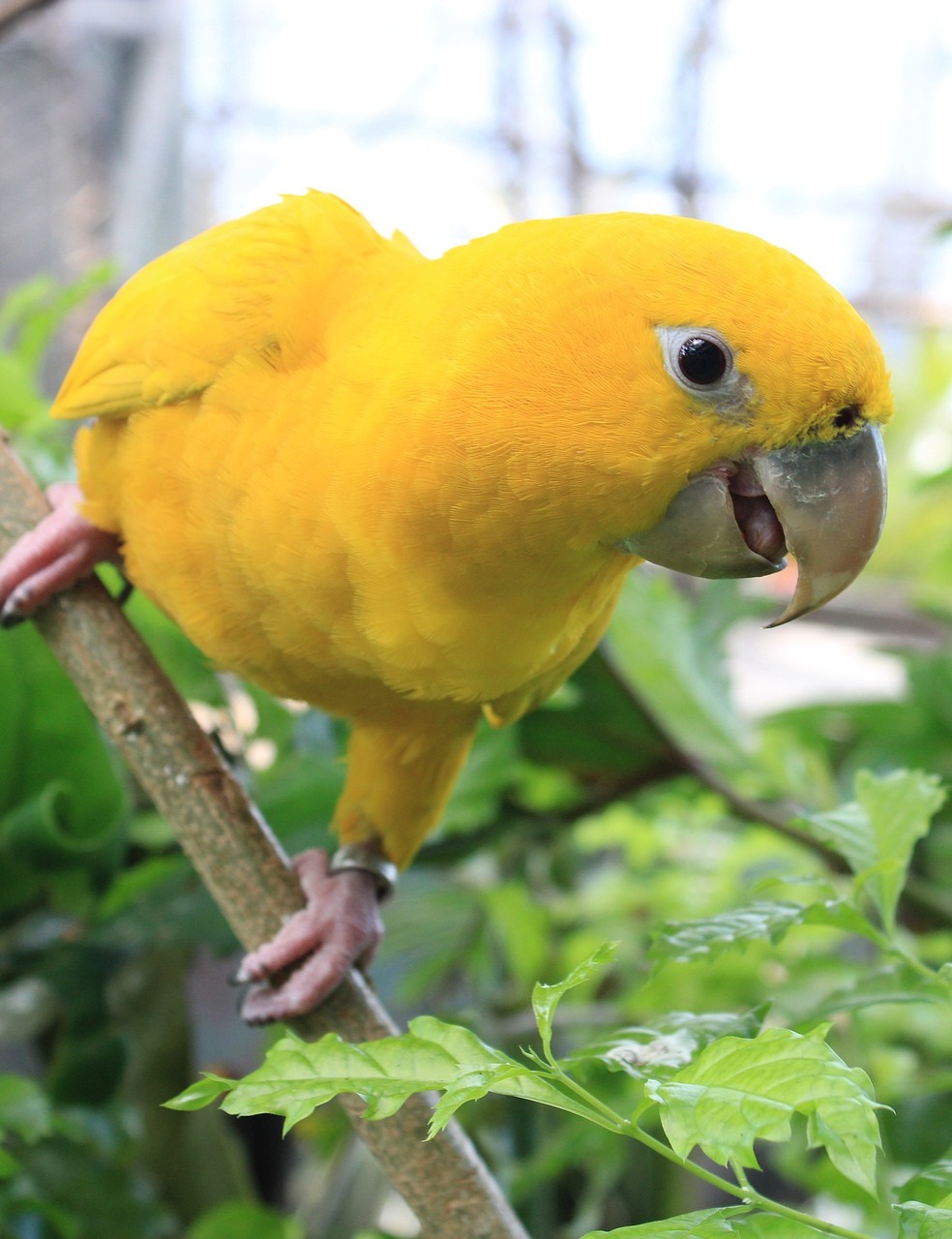
While the Golden Conure’s calls may not reach the piercing decibel levels of some Aratinga species, such as the Sun Conure, they are by no means quiet birds. Their relatively large size endows them with powerful voices, and they are capable of producing a variety of loud squawks, chirps, and contact calls. The actual noise level can vary between individuals, influenced by their environment, training, and individual personality.
Prospective owners must carefully consider their ability to tolerate a noisy pet. Visiting a breeder or interacting with an owned Golden Conure beforehand is highly recommended to experience their vocalizations firsthand. This proactive step can prevent potential frustrations and ensure a suitable match between bird and household. Recordings of Guaruba guarouba calls are available on platforms like xeno-canto, providing a realistic preview of their soundscape.
Talking Ability: While nearly all parrots possess the capacity to mimic sounds from their environment, Golden Conures are not renowned as "champion talkers" in the same league as African Greys or Amazon parrots. Their vocalizations are often less clear, and their vocabulary tends to be more limited. Owners can typically expect them to pick up simple words, such as their name, short phrases, easy tunes, and common household sounds. However, the clarity and extent of their speech will vary significantly, and it should not be the primary reason for acquiring this species. Their intelligence manifests more prominently in their problem-solving abilities and interactive play.
Conclusion: A Commitment to Conservation and Care
The Golden Conure, with its unparalleled beauty and engaging personality, represents a significant commitment for any prospective owner. Its status as a Vulnerable species underscores the critical importance of responsible pet ownership, which includes sourcing birds from reputable breeders who engage in ethical practices, supporting conservation efforts, and providing exemplary care throughout the bird’s long lifespan. Understanding its complex taxonomic history, its specific needs in terms of diet and housing, and the profound impact of habitat destruction in its native Amazonian home allows for a deeper appreciation of this magnificent avian gem. For those prepared to meet its demands for attention, enrichment, and a stimulating environment, the Queen of Bavaria Conure offers a rewarding and vibrant companionship, serving as a living testament to the wonders of the natural world and the ongoing challenges of its preservation.

