


Thinking of adding a parrot to your family? The journey into companion bird ownership is rewarding, filled with the joy of intelligent companionship, vibrant personalities, and endless fascination. However, beyond the initial excitement of selecting a suitable cage, stocking up on engaging parrot toys, and beginning to understand your new feathered friend’s unique personality, lies a paramount responsibility: ensuring their absolute safety within your home environment. Parrots, with their remarkable intelligence and insatiable curiosity, possess an innate drive to explore and interact with their surroundings. Unfortunately, this very trait, combined with their delicate physiology and natural instincts, renders them highly vulnerable to the myriad of hazards present in a typical human household. It is the solemn duty of every parrot owner to meticulously "parrot-proof" any space their pet might access, transforming it into a secure haven where their natural behaviors can thrive without perilous consequences. This comprehensive guide outlines critical safety measures to implement, drawing on veterinary insights and experienced owner practices, to safeguard your avian companion. A proactive approach is not merely recommended; it is fundamental to their survival and long-term welfare.
The Vulnerable Aviator: Understanding Parrot Physiology and Behavior
Parrots are not merely pets; they are complex, highly evolved creatures whose biological and behavioral needs often clash with the modern human environment. Their vulnerability stems from several key factors that differentiate them significantly from typical mammalian pets:
Innate Curiosity and Exploratory Drive: In their natural habitats, parrots are constantly foraging, exploring their environment, and maintaining their tree-hollow nests. This translates into a relentless curiosity indoors, compelling them to investigate, chew, and interact with every accessible object. While a sign of intelligence and engagement, this exploratory behavior becomes a significant risk factor when household items pose a threat, as parrots lack the innate understanding of human-made dangers.
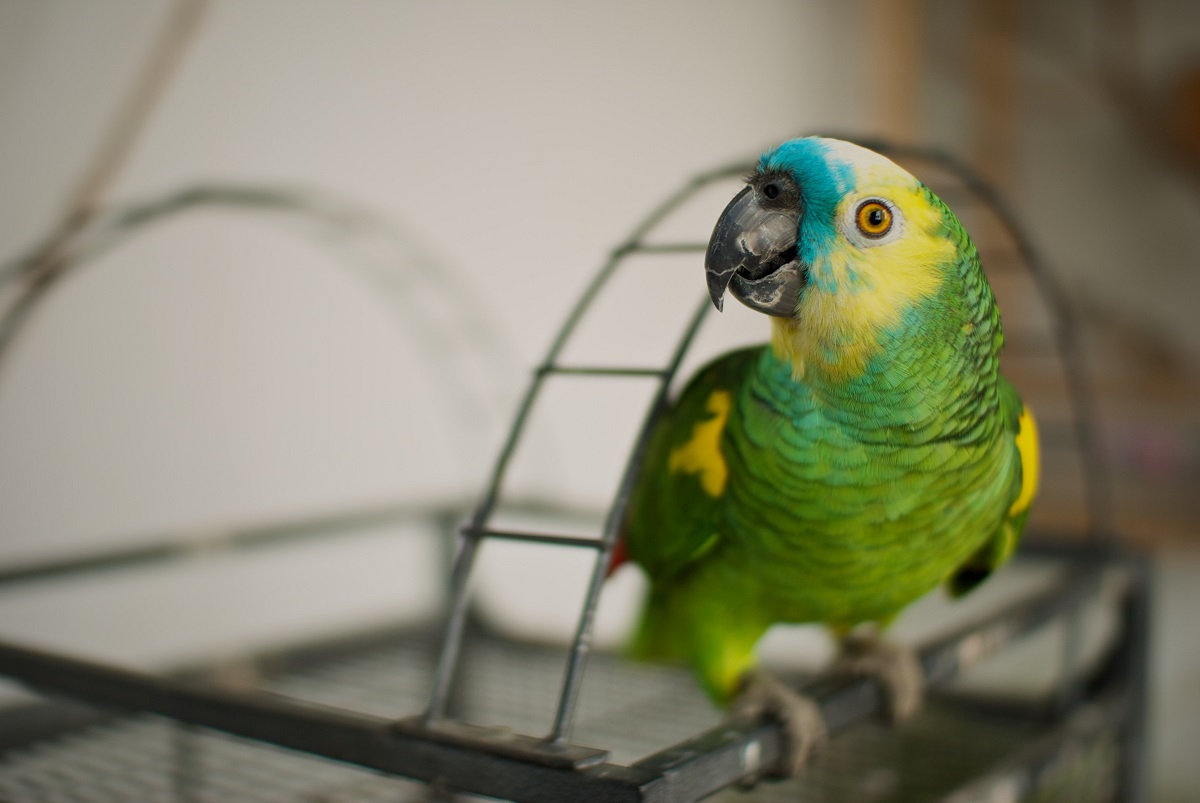
Powerful and Destructive Beaks: A parrot’s beak is its primary tool for interaction, foraging, and defense. It is designed for cracking tough nuts, tearing bark, and manipulating objects with remarkable strength and precision. In a home, this means anything within reach can be gnawed, from wooden furniture to electrical wires, often with surprising speed and efficiency, making them particularly adept at uncovering hidden dangers.
Delicate Respiratory System: Avian respiratory systems are extraordinarily efficient, optimized for flight and rapid oxygen exchange. This efficiency, however, comes at a significant cost: extreme sensitivity to airborne toxins. Unlike mammals, birds possess a unique system of air sacs that facilitates continuous, unidirectional airflow through their lungs, meaning toxins are rapidly absorbed and distributed throughout their bodies. This makes them highly susceptible to fumes and poor air quality, often exhibiting symptoms or succumbing to toxins long before humans are affected. The historical use of canaries in coal mines served as a stark, tragic testament to this physiological vulnerability.
Prey Animal Instincts: As prey animals in the wild, parrots are naturally skittish and prone to sudden flight reactions when startled or perceiving a threat. This instinct, crucial for survival against predators, can lead to uncontrolled collisions with transparent barriers like windows or mirrors, or trigger predatory responses in other household pets, even those typically considered docile.
Small Size and Fragility: While some parrot species are quite large, many popular companion birds are relatively small and possess fragile bone structures. This makes them susceptible to crushing injuries, entrapment in small spaces, and rapid deterioration from even minor injuries or toxin exposure, often requiring immediate and specialized veterinary intervention.
Understanding these inherent traits is the cornerstone of effective parrot-proofing. It allows owners to anticipate potential dangers and implement preventative measures that address the root causes of risk, rather than merely reacting to incidents. Avian veterinarians and animal welfare organizations consistently emphasize the importance of this comprehensive understanding for responsible parrot ownership.
Pre-Emptive Measures: Parrot-Proofing Your Home Environment
The process of parrot-proofing requires a thorough assessment of every room your bird will have access to, viewing it through the eyes of a curious, intelligent, and flight-capable avian explorer.
Electrical Hazards: The Silent Threat
One of the most pervasive yet often underestimated dangers in any home is electrical wiring. Parrots, driven by their natural chewing instinct, frequently perceive electrical cords as intriguing objects to investigate with their powerful beaks. This behavior, while natural for beak conditioning and exploration in the wild, is profoundly dangerous indoors. A parrot gnawing through an electrical cord risks severe electrical burns to their mouth and internal organs, cardiac arrest, or even instantaneous electrocution. Even if they survive, the trauma can be immense, requiring extensive veterinary care and potentially leading to lasting health issues such as permanent neurological damage or chronic pain. According to statistics from avian emergency clinics, electrical burns are a sadly common, yet entirely preventable, injury.
To mitigate this critical risk:
- Concealment and Protection: All electrical cords in areas accessible to your parrot must be either completely hidden behind heavy furniture or securely encased in chew-resistant protective coverings. Solutions such as PVC piping, hard plastic cable protectors, or heavy-duty cord conduits are highly effective. These products create a robust physical barrier, preventing your bird’s beak from reaching live wires.
- Unplugging Appliances: When not in immediate use, unplug small appliances such as toasters, lamps, mobile phone chargers, and hair dryers, especially if their cords are exposed. This eliminates the risk of a live current even if a parrot manages to access and chew through the cord.
- Outlet Safety: Cover unused electrical outlets with child-proof covers to prevent curious beaks from exploring them, as birds can suffer shocks even from empty sockets.
- Supervision: The most effective safety measure remains constant, vigilant supervision whenever your parrot is out of its cage in an area with potential electrical hazards. Even a moment of inattention can lead to a tragic accident.
Air Quality: A Breath of Danger
Parrots’ highly efficient respiratory systems make them exceptionally vulnerable to airborne toxins. What might be an innocuous scent or a minor irritant to humans can be rapidly lethal to a parrot. This physiological reality means that indoor air quality is paramount for their survival.
Common airborne dangers include:
- Scented Products: Air fresheners (sprays, plug-ins, gels), scented candles, incense, potpourri, perfumes, hairsprays, deodorants, and cleaning products containing artificial fragrances can release volatile organic compounds (VOCs) and other irritants. These can cause severe respiratory distress, leading to illness, chronic respiratory conditions, or acute death. Even "natural" essential oils can be highly toxic when diffused or airborne.
- Non-Stick Cookware (PTFE/Teflon Toxicity): Overheated non-stick coatings, particularly those containing polytetrafluoroethylene (PTFE), release invisible, odorless fumes that are rapidly fatal to birds. This phenomenon, known as "Teflon toxicity," can occur even with slight overheating, far below smoke point. It is critical to remove all non-stick cookware from a parrot-owning household or ensure birds are securely housed in a completely separate, well-ventilated area during cooking. Many avian veterinarians advocate exclusively using stainless steel, cast iron, or ceramic cookware.
- Smoke and Fumes: Cigarette, cigar, or vape smoke is profoundly toxic, causing irreparable lung damage and increasing susceptibility to infections. Any form of smoke, including that from burned food, fireplaces, wood-burning stoves, or even excessive dust and dander, can severely compromise a parrot’s delicate lungs. Carbon monoxide, an odorless and colorless gas, is also deadly, often striking without warning.
- Pesticides and Insecticides: Aerosol sprays for pests, bug bombs, or even residual chemicals from professional pest control treatments can be absorbed through a parrot’s skin or inhaled, causing severe systemic poisoning.
- New Construction/Renovation Fumes: Paint fumes, glues, sealants, new carpeting, and off-gassing from new furniture can contain harmful chemicals. Parrots should be kept away from such areas until thoroughly ventilated for several days or weeks.
Prevention:
- Ventilation: Ensure excellent natural and mechanical ventilation in all areas your parrot occupies.
- Detectors: Install carbon monoxide and smoke detectors throughout your home, ensuring they are functional and regularly tested.
- Product Choice: Opt for unscented, bird-safe cleaning products (e.g., vinegar and water solutions, baking soda) and avoid all aerosol sprays, scented items, and harsh chemical cleaners.
- Strict No-Smoking Policy: Maintain a strict no-smoking, no-vaping policy inside the home.
- Cooking Safety: Exercise extreme caution with cooking. Consider investing in a high-quality air purifier for the bird’s room, away from the kitchen, and ensure robust kitchen ventilation.
Toxic Ingestion: The Hidden Dangers of a Curious Beak
Parrots explore their world with their mouths, meaning anything left within reach is a potential ingestion hazard. Many common household items and foods are highly toxic to birds, even in small quantities.
- Toxic Plants: While many houseplants are safe for birds, numerous popular varieties are toxic. Examples include lilies (all parts), philodendrons, poinsettias, azaleas, dieffenbachia, and some types of ivy. Owners must diligently research every plant in their home and remove or secure any that are hazardous. Always refer to comprehensive lists of parrot-safe and toxic plants provided by avian experts.
- Human Foods: Several human foods are poisonous to parrots, even in small amounts. These include chocolate (due to theobromine), avocado (containing persin), apple seeds (which contain cyanide), caffeine, alcohol, excessive salt, and anything containing xylitol (an artificial sweetener increasingly found in human foods). Grapes and raisins are also often listed as potential concerns, particularly for larger parrots, due to possible kidney toxicity.
- Medications and Cosmetics: All human and pet medications, vitamins, and supplements must be kept securely out of reach in child-proof containers. Cosmetics, lotions, nail polish, and hair dyes can contain heavy metals and other harsh chemicals that are highly toxic if ingested or absorbed through skin.
- Heavy Metals: Zinc and lead are common culprits in parrot poisoning. Zinc can be found in galvanized wire (often used in older cages or hardware), some inexpensive toys, and even certain paints. Lead can be present in old paint (especially in older homes), stained glass, fishing weights, some costume jewelry, and certain imported ceramics. Ingestion leads to severe neurological, gastrointestinal, and organ damage. Owners must ensure all cage materials, toys, and household items are certified lead- and zinc-free. A study by Lightfoot & Yeager (2008) highlighted that zinc toxicity from galvanized items and poorly designed toys remains a significant cause of illness and death in pet birds.
- Small Objects: Buttons, beads, pins, staples, rubber bands, small plastic parts, or even foreign fibers from clothing can be ingested, causing choking, internal blockages, or chemical leaching.
Prevention:
- Secure Storage: Store all medications, toxic foods, household chemicals, and small objects in locked cabinets or drawers, well out of a parrot’s reach.
- Plant Management: Identify and remove all toxic plants or place them in rooms entirely inaccessible to your bird.
- Supervision: Maintain vigilant supervision during out-of-cage time to prevent access to potentially dangerous items.
Escape and Collision Risks: Doors, Windows, and Reflective Surfaces
A parrot’s ability to fly, while magnificent and crucial for their well-being, also presents unique safety challenges within a home.
- Open Doors and Windows: The most common cause of lost parrots is an open door or window. A momentary lapse in attention, an unexpected visitor, or a sudden fright can send a parrot flying out, often never to be seen again, leading to heartbreak for owners and often death for the bird due to exposure or predation. Even interior doors can be hazardous, trapping a bird in an unsafe room or causing severe injury if they perch on top and the door is suddenly closed.
- Prevention: Establish a strict "cage first, then open door/window" protocol for all household members. Install secondary barriers like secure, tightly woven screens on all windows that might be opened. Use visual reminders (notes on doors) for guests. Consider double-door entryways for "parrot rooms" to create an airlock system.
- Mirrors and Windows: Parrots do not inherently understand reflections or transparent barriers. They may fly directly into mirrors or closed windows, mistaking them for open space or another bird. This can result in concussions, broken bones, internal injuries, or fatal head trauma.
- Prevention: Cover large mirrors with decorative cloths or position furniture in front of them. Apply decals, bird-safe window film, or even sheer curtains to windows to make them visible to birds. Position cages away from direct lines of sight to large reflective surfaces.
Cage as Sanctuary: Ensuring Internal Safety
The cage, intended as a safe haven and primary living space, can itself

