


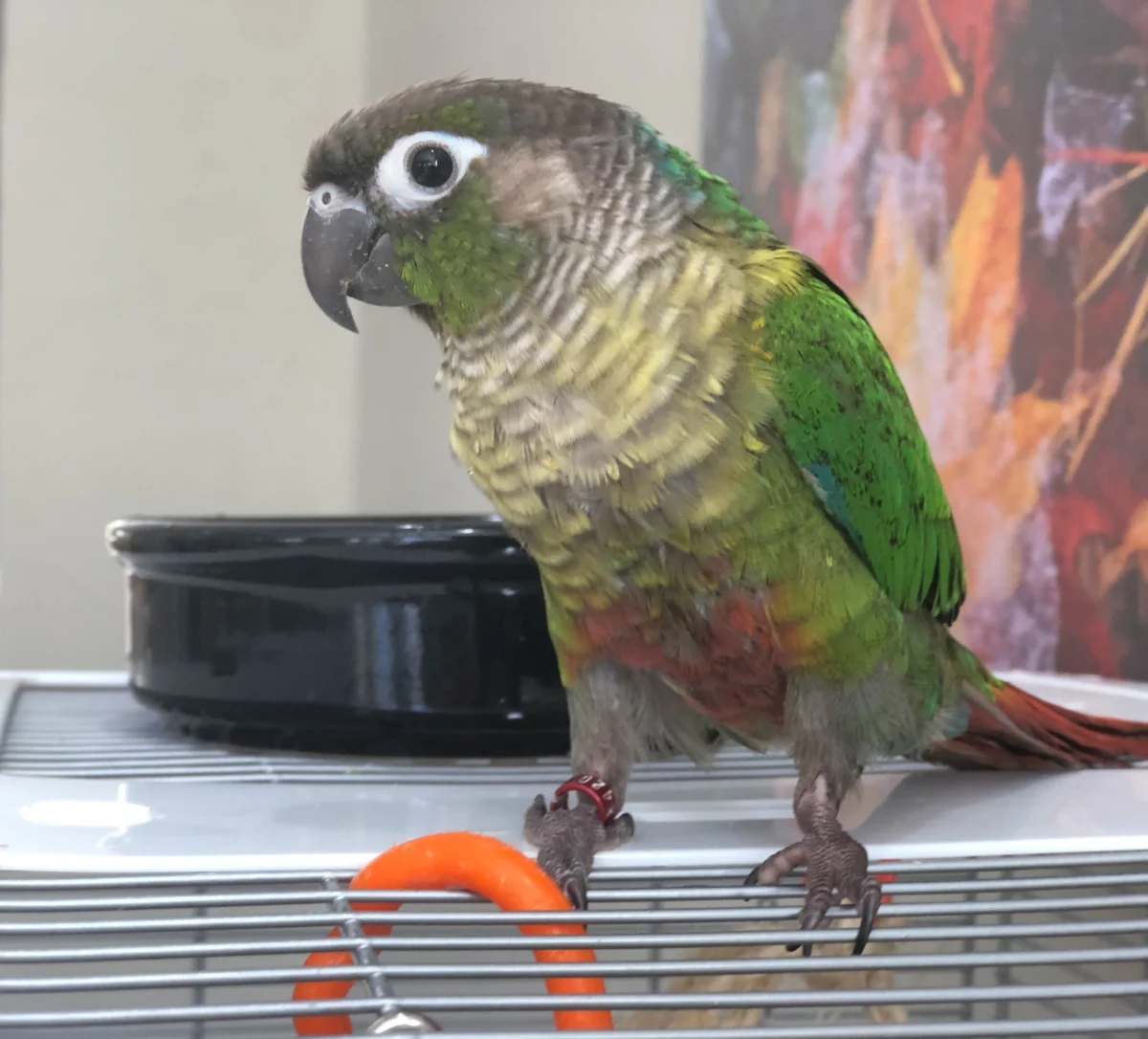
Indoor bird owners frequently observe their feathered companions exhibiting signs of itchiness, increased feather dust, and frequent scratching, particularly during winter months or periods of molting. These symptoms, while often benign, signal a need for closer examination of environmental conditions and husbandry practices. Understanding the distinction between normal preening behaviors and indicators of underlying issues is crucial for maintaining avian health and comfort. This comprehensive guide outlines the primary causes, effective interventions, and critical warning signs that necessitate professional veterinary attention.
Understanding the Indoor Environment: A Silent Threat to Avian Health
The modern indoor environment, particularly during colder seasons when heating systems are active, presents a significant departure from the natural habitats of most companion bird species. Many parrots and finches originate from tropical or subtropical regions where ambient humidity levels consistently range between 60% and 80%. In contrast, heated indoor air can plummet to as low as 20-30% relative humidity, creating an arid environment that can severely impact a bird’s delicate skin and feathers.
This dramatic reduction in air moisture directly affects the integumentary system, which includes the skin, feathers, and beak. Feathers, being primarily composed of keratin, require a certain level of moisture to remain supple, flexible, and resilient. In dry conditions, feathers can become brittle, leading to increased breakage, excessive dust production (keratin sheaths flaking off more readily), and difficulty in preening. The skin beneath the feathers can also suffer, becoming dry, flaky, and itchy, analogous to how human skin reacts to low humidity. This discomfort is often exacerbated during a molt, when new "pin feathers" push through the skin, a process that can be intensely irritating if the skin is dehydrated.
Distinguishing Normal Discomfort from Urgent Concerns
It is vital for bird owners to differentiate between typical avian grooming behaviors and signs that indicate distress or illness. While some level of scratching and preening is normal, persistent, intense, or self-damaging behavior warrants investigation.
-
Usually Normal Signs (Often Linked to Dry Air or Molt):
- Frequent, but not frantic, scratching with feet or beak.
- Increased feather dust visible on surfaces or during preening.
- Visible dry skin flakes when parting feathers.
- Pin feathers (new feather growth encased in a waxy sheath) appearing on the head, neck, or body, often accompanied by increased preening of these areas.
- Slightly duller or less vibrant feather appearance, which may improve with hydration.
- Rubbing face or head against perches or cage bars.
-
Signs That Are Not Normal (Require Immediate Veterinary Attention):
- Open Wounds or Bleeding Feathers: Any break in the skin or active bleeding indicates trauma or severe irritation.
- Bald Patches or Significant Feather Loss: Beyond normal molting patterns, unexplained feather loss, especially symmetrical loss, suggests underlying health issues, nutritional deficiencies, or severe plucking.
- Sudden Behavioral Changes: Lethargy, loss of appetite, changes in droppings, or unusual vocalizations.
- Signs of Illness: Ruffled feathers (not related to sleep), discharge from nostrils or eyes, difficulty breathing, or changes in posture.
- Feather Destruction: Actively pulling out, chewing, or breaking feathers, particularly if leading to skin damage.
- Constant, Frantic Scratching or Self-Mutilation: Behavior that causes visible skin irritation, redness, or lesions.
If any of these abnormal signs are present, prompt consultation with an avian or exotics veterinarian is imperative. These symptoms are rarely caused by dry air alone and often point to more serious medical, nutritional, or behavioral problems that cannot be managed with home remedies.
The Science of Hydration: Bathing and Environmental Humidity
The primary defense against dry skin and brittle feathers in indoor birds revolves around consistent hydration, both externally through bathing and internally through environmental humidity.
-
The Physiological Role of Bathing: Bathing is not merely about cleanliness; it is a critical physiological process for birds. Water helps to loosen feather dust, allowing the bird to effectively distribute preen gland oil across its feathers. This oil, produced by the uropygial gland (preen gland) located at the base of the tail, waterproofs feathers, maintains their flexibility, and inhibits bacterial growth. Regular bathing also helps hydrate the keratin in feathers, making them less prone to breakage and more comfortable during molting.
- Expert Recommendation: Most avian veterinarians advocate for offering birds daily opportunities to bathe, especially in dry environments, allowing the bird to decide when and how it prefers to engage. Forcing a bath can create negative associations and stress, ultimately making the bird less likely to bathe willingly.
-
Optimal Humidity Levels and Methods: Maintaining consistent ambient humidity is paramount. For most common pet bird species, a relative humidity range of 50-60% is considered ideal. This significantly reduces the evaporative moisture loss from skin and feathers.
- Humidifiers: High-quality humidifiers are the most effective way to increase overall room humidity. Ultrasonic humidifiers are generally preferred as they produce a cool mist without heating elements. Regular cleaning of humidifiers is essential to prevent the growth of mold and bacteria, which can be detrimental to avian respiratory health. Distilled water is recommended to prevent mineral dust buildup.
- Nebulizers: For targeted hydration, especially for birds with respiratory issues or severe skin dryness, a nebulizer can deliver a fine mist of sterile saline directly to the bird. This should only be done under veterinary guidance.
- Bird-Friendly Plants: Incorporating certain houseplants can subtly increase humidity through transpiration, while also improving air quality. However, ensure all plants are non-toxic to birds.
- Water Features: Small indoor fountains or bowls of water can add some moisture, though their impact on overall room humidity is often minimal.
-
Best Practices for Offering Baths:
- Variety is Key: Birds have diverse bathing preferences. Some enjoy a shallow dish of water (e.g., a ceramic pie plate or a dedicated bird bath), others prefer a gentle mist from a spray bottle, some like to rub themselves on wet leafy greens (like romaine lettuce or spinach), and others may be enticed by shower steam. Experiment to find what your bird enjoys.
- Comfortable Temperature: Water should be comfortably warm, never cold or hot. Lukewarm water (around 70-80°F or 21-27°C) is generally well-received.
- Gentle Approach: If using a spray bottle, aim the mist above the bird so it falls gently, mimicking light rain, rather than spraying directly at the bird. Avoid strong, sudden sprays.
- Timing: Offer baths when the bird is naturally active and alert. In winter, ensure the bathing area is free from cold drafts and the bird has ample time to dry in a warm room before bedtime. A warm, well-lit area can help prevent chilling.
- Unscented Water: Always use plain, clean, unscented water. Any additives, even seemingly benign ones, can irritate a bird’s sensitive skin and respiratory system.
Beyond the Environment: The Critical Role of Nutrition
While environmental factors are often the primary trigger for dry skin and feather issues, nutrition plays a fundamental supporting role. A bird’s diet directly influences the health and quality of its skin and feathers.
-
Essential Nutrients for Integumentary Health:
- Vitamin A: Crucial for epithelial cell health, which forms the skin and mucous membranes. Deficiency can lead to dry, flaky skin, poor feather quality, and compromised immune function. Many seed-heavy diets are notoriously low in Vitamin A.
- Vitamin E: A powerful antioxidant that protects cells from damage and supports skin integrity.
- Omega Fatty Acids (Omega-3 and Omega-6): These essential fatty acids are vital for maintaining skin hydration, reducing inflammation, and promoting healthy feather growth. They contribute to the natural oils that keep skin supple and feathers vibrant.
- Protein: Feathers are primarily protein, so adequate high-quality protein is essential for strong, healthy feather production during molting.
-
Common Deficiencies in Seed-Heavy Diets: Many pet birds are fed diets consisting predominantly of seeds, which are high in fat but often deficient in essential vitamins (especially A and E), minerals, and balanced amino acids. This nutritional imbalance can manifest as dull feathers, poor feather structure, and dry, itchy skin, even if environmental conditions are partially addressed.
-
Recommendations for Dietary Enrichment:
- Pelleted Diets: A high-quality, species-appropriate pelleted diet should form the cornerstone (typically 60-80%) of a bird’s daily intake. Pellets are formulated to provide balanced nutrition, minimizing common deficiencies.
- Fresh Produce: Offer a wide variety of fresh, bird-safe fruits and vegetables daily. Dark leafy greens (kale, spinach, broccoli), orange and yellow vegetables (carrots, sweet potatoes, bell peppers), and various fruits are excellent sources of vitamins, minerals, and antioxidants.
- Supplements (Use with Caution): For birds on seed-heavy diets or those with persistent skin issues, a veterinarian may recommend a balanced avian supplement. Over-supplementation, particularly of fat-soluble vitamins, can be toxic. Small, consistent additions of omega fatty acid supplements (like flaxseed oil or specific avian formulations) or a gentle, comprehensive vitamin blend can be beneficial but should always follow package instructions and be monitored for effectiveness over several weeks. Avoid introducing multiple new supplements simultaneously, making it difficult to pinpoint what is helping or causing issues.
Molting and Feather Destruction: When Discomfort Becomes a Problem
The natural process of molting, where old feathers are shed and replaced with new ones, can be an uncomfortable time for birds. New feathers, known as "pin feathers," emerge encased in a waxy keratin sheath, which must be removed by the bird or its flock mates during preening. This process is inherently itchy and sometimes painful as the feathers push through the skin.
- Exacerbation by Dry Air: When the skin is dry, the keratin sheaths of pin feathers can become even tighter and more irritating, intensifying the discomfort. Birds may scratch and preen excessively in an attempt to relieve the itch, leading to a cycle of irritation.
- The Progression to Feather Destruction: While normal preening is essential for feather maintenance, prolonged or intense discomfort from dry skin or an aggravated molt can escalate into excessive preening. If left unaddressed, this can turn into a habit or even a fixation, where the bird actively chews, pulls, or breaks its feathers, progressing to self-mutilation (plucking). This is a complex behavioral issue often triggered by underlying physical discomfort, stress, or nutritional deficiencies.
- Importance of Early Intervention: Supporting skin comfort and feather health early in the process is critical. By reducing the initial urge to scratch and over-preen, owners can prevent the development of chronic feather destruction habits. Small, consistent changes in humidity, bathing opportunities, and diet tend to be far more effective than trying to intervene with drastic measures once plucking has become entrenched.
Expert Consensus and Veterinary Directives
Avian veterinarians and wellness educators, such as Diane Burroughs, LCSW, consistently emphasize a "behavior-first, science-backed care" approach. Their collective advice underscores that environmental fixes are often the first and most impactful steps for mild, seasonal skin and feather issues.
-
When to Call a Vet:
- Any signs of open wounds, bleeding, or active skin lesions.
- Rapid or unexplained feather loss, bald patches, or skin discoloration.
- Persistent feather chewing, pulling, or breaking that causes visible damage to the feathers or skin.
- Lethargy, changes in appetite, droppings, or vocalizations.
- Any sign of pain or obvious discomfort beyond mild itchiness.
- If home interventions (humidity, bathing, dietary adjustments) yield no improvement within one to two weeks.
- If the bird’s condition seems to be worsening.
-
Why Timing Matters: Prompt veterinary intervention is crucial because early diagnosis and treatment can prevent minor issues from escalating into severe, chronic conditions that are much harder to manage. Many underlying medical conditions can mimic dry skin symptoms, and only a qualified avian veterinarian can accurately diagnose and treat them. Delaying care can lead to prolonged suffering for the bird and more complex, expensive treatments for the owner.
Monitoring Progress and Long-Term Welfare
With appropriate environmental adjustments, consistent bathing opportunities, and nutritional support, most indoor birds experiencing mild, seasonal dry skin and feather discomfort will show noticeable improvement within one to two weeks. Reduced scratching, calmer preening, and a healthier appearance of feathers are key indicators of success. For issues related to molting, feather comfort improves gradually over several weeks as new, healthy feathers grow in.
The ultimate goal of these interventions is to support the bird’s comfort, reduce irritation, and empower the bird to maintain its own feather health. Owners should consistently monitor their bird’s behavior and physical condition, making gradual adjustments to care as needed. If, after a reasonable period (typically 1-2 weeks), no improvement is observed, or if the bird’s condition deteriorates, it is a clear signal to consult an avian veterinarian. Proactive, informed care is the cornerstone of ensuring the long-term health and well-being of pet birds, preventing minor irritations from evolving into serious welfare concerns.

