


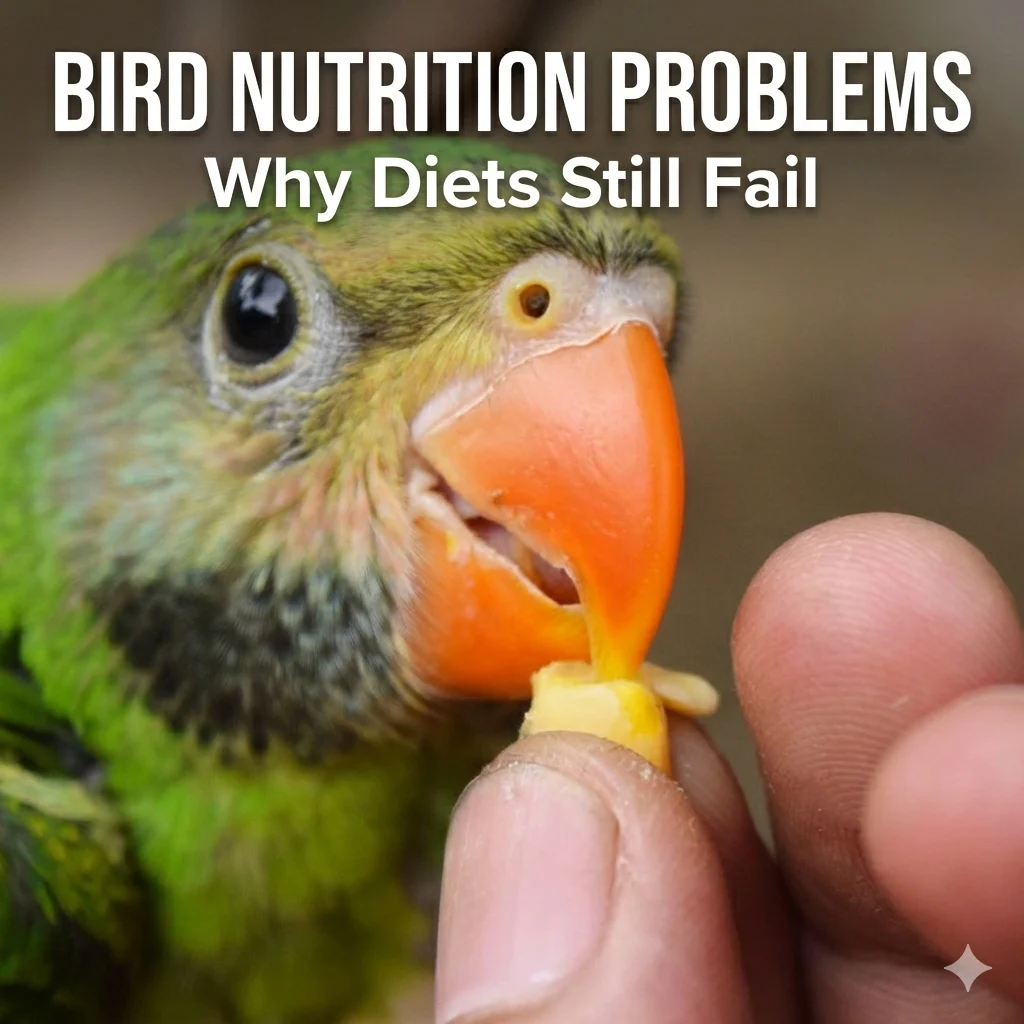
Despite diligent efforts by dedicated owners to provide a seemingly balanced diet, many companion parrots continue to display subtle yet concerning signs of weakness, dull feathers, or reduced vitality. This perplexing phenomenon, often leading to the question "My bird eats well – so why do they still look weak?", underscores a critical distinction in avian care: the difference between nutrient intake and nutrient utilization. A bird may consume adequate calories, but if absorption, activation, or metabolic pathways are compromised, the body’s fundamental systems will gradually falter. Avian expert and author Diane Burroughs, LCSW, emphasizes that successful nutrition extends far beyond the food bowl, encompassing complex interactions between diet, environment, and individual bird physiology.
The Paradox of the "Well-Fed" Parrot: Deconstructing Avian Metabolic Failure
The core challenge in avian nutrition often lies not in the availability of food, but in the biological processes that convert ingested sustenance into usable energy and structural components. As Burroughs highlights, the foundational elements of Calcium + D3 for "Egg & Bone Security," Amino Acids for "Total Body Vitality," and Trace Minerals for "Hormonal Balance" are not merely present in the diet but must be effectively processed by the bird’s system. When this intricate metabolic chain breaks down, even a bird consuming high-quality pellets may present with alarming symptoms that initially defy explanation.
The Crucial Role of Calcium and D3: Beyond Dietary Intake
Calcium is a cornerstone of avian health, vital for skeletal integrity, nerve transmission, and muscle contraction. However, its mere presence in the diet is insufficient. The absorption of dietary calcium through the intestinal wall is a vitamin D3-dependent process. Without adequate vitamin D3, which is primarily synthesized in the skin through exposure to specific wavelengths of ultraviolet B (UVB) light or provided through dietary supplementation, calcium cannot efficiently enter the bloodstream. This metabolic bottleneck can lead to a cascade of issues, beginning with subtle muscle weakness and a noticeable reduction in gripping strength. A 2018 study published in the Journal of Avian Medicine and Surgery noted that subclinical hypocalcemia is a pervasive issue in captive psittacines, often attributed to insufficient UVB exposure rather than solely dietary deficiency. This highlights that "eating enough does not guarantee absorption" and underscores the critical interplay between diet and environment.
Neuromuscular Control and Flight Performance
The implications of marginal circulating calcium levels are often first observed in activities requiring precise neuromuscular control, such as flight and controlled landings. Owners might initially dismiss these observations as mere clumsiness or age-related changes. However, as Burroughs points out, "Owners often notice shorter flights, hesitation before takeoff, or unstable perch transfers before any obvious illness appears." This gradual decline in motor function is a direct consequence of impaired nerve signaling and muscle contraction, which rely heavily on stable calcium concentrations. For a bird, whose very existence often depends on agility and strength, these subtle shifts can significantly impact their quality of life and even their safety within their environment. Early detection of these subtle signs is crucial, as they can precede more severe neurological or musculoskeletal complications, including conditions like rickets in young birds or osteomalacia in adults.
Feather Health as a Metabolic Barometer
Feather quality is a direct physiological indicator of a bird’s overall metabolic health, extending beyond simple dietary variety. During the demanding process of molting, the body requires an optimal balance of minerals, amino acids, and vitamins to construct robust, vibrant feathers. When mineral balance or absorption is compromised, new feather shafts may emerge thinner, duller, structurally weaker, or exhibit stress bars – visible lines or indentations that indicate periods of nutritional or physiological stress during feather growth. Even birds maintained on seemingly high-quality pelleted diets can display compromised feather condition if underlying calcium metabolism, amino acid assimilation, or trace mineral availability is inefficient. This visual cue serves as an important early warning sign for underlying nutritional or metabolic issues, signaling that "feather quality reflects metabolic stability, not just food variety."
Bridging the Nutritional Divide: Safe Pellet Conversion Strategies
One of the most significant hurdles in optimizing parrot nutrition is the transition from a seed-dominant diet to a more balanced pelleted one. Parrots, being "neophobic" by nature, exhibit an innate caution towards unfamiliar foods, a survival instinct that, in captivity, can lead to dangerous outcomes. The concept of "cold turkey" pellet swaps, while seemingly efficient, is fraught with peril, as birds may choose starvation over consuming novel food items.
Understanding Avian Neophobia and Behavioral Feeding
Parrots raised on seeds often do not automatically recognize pellets as a food source. Their preference is a learned behavior, heavily influenced by the texture, taste, and high fat content of seeds, rather than an inherent "nutritional wisdom." This makes sudden dietary changes particularly challenging. As Burroughs advises, "A successful transition isn’t about hunger—it’s about supplementing the bridge to ensure they get Calcium and Amino Acids while they learn to trust the new bowl." Gradual introduction, paired with careful monitoring, is paramount to prevent the rapid weight loss that can result from food refusal. This often involves mixing small, increasing amounts of pellets with the familiar seed diet over weeks or even months, allowing the bird to gradually accept the new texture and taste.
The Perils of Seed-Dominant Diets
While seeds provide calories and some nutrients, a diet composed predominantly of commercial seed mixes is notoriously deficient in bioavailable calcium, vitamin A, and essential amino acids. Although birds on such diets may initially appear energetic, they are often on a slow, insidious path towards nutrient imbalances that can severely impact feathers, immunity, bone strength, and overall longevity. A 2015 study published in the Journal of Exotic Pet Medicine found that over 70% of parrots presenting with non-specific illness had a history of seed-only or seed-dominant diets, highlighting the widespread nature of this problem. This "seed addiction" is driven by palatability and fat content, not nutritional value, leading to what avian veterinarians term "hidden hunger" – caloric sufficiency masking micronutrient deficiency.
Monitoring Progress: The Gram Scale as a Vital Tool
The transition from seeds to pellets must be meticulously managed. Weekly weight monitoring using a gram scale is an indispensable tool for ensuring the bird’s caloric intake remains stable. A weight drop exceeding 3-5% of body weight is a critical indicator of inadequate intake, necessitating an immediate slowdown or adjustment to the transition process. "Caloric stability comes first; nutritional optimization comes after the bird is reliably consuming the new food," emphasizes Burroughs. This methodical approach prioritizes the bird’s immediate well-being while gradually introducing healthier dietary habits, mitigating the risk of starvation.
The Hidden Deficiencies: Vitamin A and Trace Minerals
Beyond calcium, two other critical nutritional components frequently found lacking in seed-heavy diets are Vitamin A and trace minerals. Their absence can lead to a spectrum of health issues, often mistaken for other ailments or simply attributed to aging.
Vitamin A: Guardian of Epithelial Health
Vitamin A is crucial for maintaining the healthy epithelial lining of the mouth, sinuses, and respiratory tract. A deficiency causes these protective tissues to thicken and lose their normal function, creating an environment ripe for bacterial colonization and secondary infections. Early signs, often subtle, include changes in the color and texture of oral tissues, nasal discharge, or sneezing. According to the Association of Avian Veterinarians, Vitamin A deficiency (hypovitaminosis A) remains one of the most common nutritional diseases seen in captive psittacines, frequently leading to respiratory disease, poor feather quality, and reproductive issues. Visible changes often appear before lab abnormalities are detected, highlighting the importance of keen observation. Supplementation must be carefully managed, however, as excessive synthetic vitamin A can lead to liver toxicity, underscoring the importance of balance and veterinary guidance.
Trace Minerals: Unsung Heroes of Hormonal and Immune Function
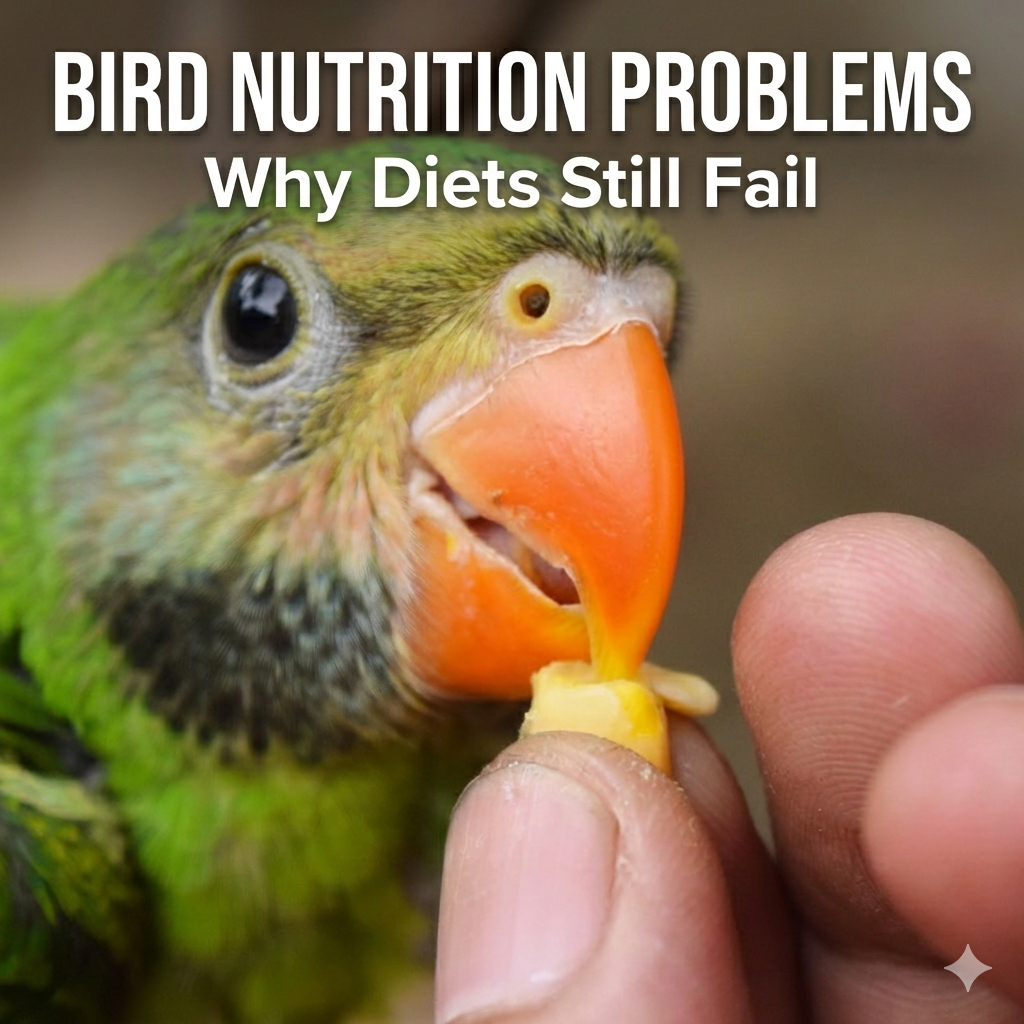
Trace minerals such as zinc, iodine, and selenium, though required in minute quantities, play pivotal roles in hormonal balance, immune response, and enzyme function. Seed-only diets typically lack these vital micronutrients. Iodine deficiency, for instance, can lead to thyroid hyperplasia (goiter), particularly in budgerigars, affecting metabolism and energy levels. Zinc is essential for feather pigmentation, immune function, and reproductive health. The often-overlooked "Hormonal Balance" attributed to Trace Minerals in the provided content highlights their broad impact on a bird’s overall physiological stability. Their subtle yet pervasive influence means that a deficiency can contribute to a general decline in health without a clear, single symptom.
The Synergy of Pellets, Seeds, and Fresh Foods
The optimal avian diet is not a binary choice between seeds and pellets but rather a synergistic combination. Seeds offer calorie density and enrichment. Formulated pellets provide structured micronutrient balance. Fresh fruits and vegetables contribute essential phytonutrients, antioxidants, and hydration. However, as the expert cautions, "without a balanced base, variety alone does not correct deficiencies." A stable approach combines a high-quality pelleted foundation, measured fresh vegetables, and controlled, limited seed use. This structured approach prevents the "slow nutrient drift" that characterizes seed-heavy diets and leads to long-term health decline. The ultimate goal is a diet that is both nutritionally complete and behaviorally enriching.
Environmental Factors: Light, D3, and Seasonal Impact
Beyond diet, the avian environment plays a profound role in nutrient utilization, particularly concerning Vitamin D3 and calcium metabolism. Indoor housing, common for many companion parrots, inadvertently creates a metabolic disadvantage.
UVB Exposure: The Unseen Catalyst for D3 Synthesis
The critical link between environmental light and nutrient absorption is often underestimated. Parrots, originating largely from tropical and subtropical regions, are naturally adapted to consistent, intense daylight containing specific UVB wavelengths. It is this UVB light that triggers the skin’s synthesis of vitamin D3, which is then metabolized into its active form to facilitate intestinal calcium absorption. A prevalent misconception is that bright window light is sufficient; however, standard window glass effectively blocks almost all beneficial UVB rays. Consequently, indoor birds, even those in sunny rooms, remain metabolically "under-activated" in terms of D3 synthesis. The 2019 publication by the American Veterinary Medical Association (AVMA) on avian husbandry guidelines explicitly recommends providing full-spectrum lighting, including UVB, for indoor birds to prevent D3 deficiency, emphasizing that "glass blocks UVB."
Winter’s Toll: Seasonal Affective Disorder and Metabolic Strain
The impact of natural light cycles becomes particularly pronounced during winter months in northern latitudes. Shorter days and weaker sunlight drastically reduce natural UVB exposure. For indoor birds already deprived of direct UVB, the seasonal shift exacerbates the problem, leading to a further reduction in D3 synthesis and subsequently, calcium utilization. This seasonal decline can manifest as weakened grip strength, reduced activity, irritability, or compromised molt quality, mirroring a form of seasonal affective disorder (SAD) in humans. The stable photoperiods of tropical regions where most parrots evolved contrast sharply with the dramatic seasonal variations in temperate zones, creating physiological stress that impacts hormones, circadian rhythms, and metabolic stability. This explains why "everything gets worse in winter" for many indoor birds.
Supplementation: Efficacy and Best Practices
When dietary and environmental corrections alone prove insufficient, targeted supplementation becomes a consideration. However, the efficacy of supplements, particularly those administered via water, is a subject of ongoing discussion and often hinges on proper delivery and consistent intake.
Evaluating Water-Based vs. Food-Based Supplements
Water supplements can be effective, but their reliability is contingent on several factors: ingredient stability, consistent bird intake, and bioavailability. Many water-soluble nutrients, such as certain vitamins, can degrade rapidly when exposed to light, heat, or even the minerals present in tap water. Furthermore, a bird’s daily water consumption can fluctuate significantly, making it challenging to ensure a stable, therapeutic dose. As Burroughs notes, "If drinking varies day to day (or nutrients degrade in light/heat), results become unpredictable – food-based dosing is often more reliable." Food-based delivery, by contrast, allows for more precise measurement and observation of consumption, improving dose reliability for critical nutrients like calcium, magnesium, or biotin. This consistency is paramount for nutrients that require steady intake to exert their physiological effects.
Targeted Support: When and How to Supplement
Supplementation should always be intentional and based on identified needs rather than a generalized approach. Indoor housing without adequate UVB exposure, egg-laying hens (due to high calcium demands), birds exhibiting weak grip strength, seasonal neuromuscular decline, or a history of thin-shelled eggs are prime candidates for additional support. A properly formulated combination of calcium, magnesium, and D3 is often recommended to support nerve signaling, muscle contraction, and bone stability. However, the risks of over-supplementation are significant, potentially leading to soft tissue mineralization, kidney strain, and metabolic imbalances. Therefore, any supplementation regimen should be species-appropriate, measured, and ideally guided by an avian veterinarian, especially after diagnostic testing confirms a deficiency.
Recognizing and Responding to Deficiency Signs
Distinguishing between various nutritional deficiencies and other medical conditions can be challenging, as symptoms often overlap. While the information presented is educational, it is crucial to understand that it is not diagnostic. Only a qualified avian veterinarian can accurately diagnose and recommend treatment.
Identifying Vitamin A Deficiency
Symptoms of Vitamin A deficiency can be insidious, progressing slowly over time. These may include:
- Hyperkeratosis: Thickening of epithelial tissues, often visible as white, flaky deposits around the nares (nostrils), mouth, or eyes.
- Blunting of choanal papillae: The small, pointed structures on the roof of the mouth may appear blunted or absent.
- Ocular changes: Swollen eyelids, discharge, or even abscesses around the eyes.
- Respiratory signs: Chronic sneezing, nasal discharge, or increased susceptibility to respiratory infections due to compromised mucosal immunity.
- Poor feather quality: Dull, discolored, or brittle feathers.
- Lethargy and poor appetite: General malaise.
It is important to reiterate Burroughs’ caution: "Excessive synthetic vitamin A supplementation can also stress the liver. More is not better – balance matters."
**Recognizing

