


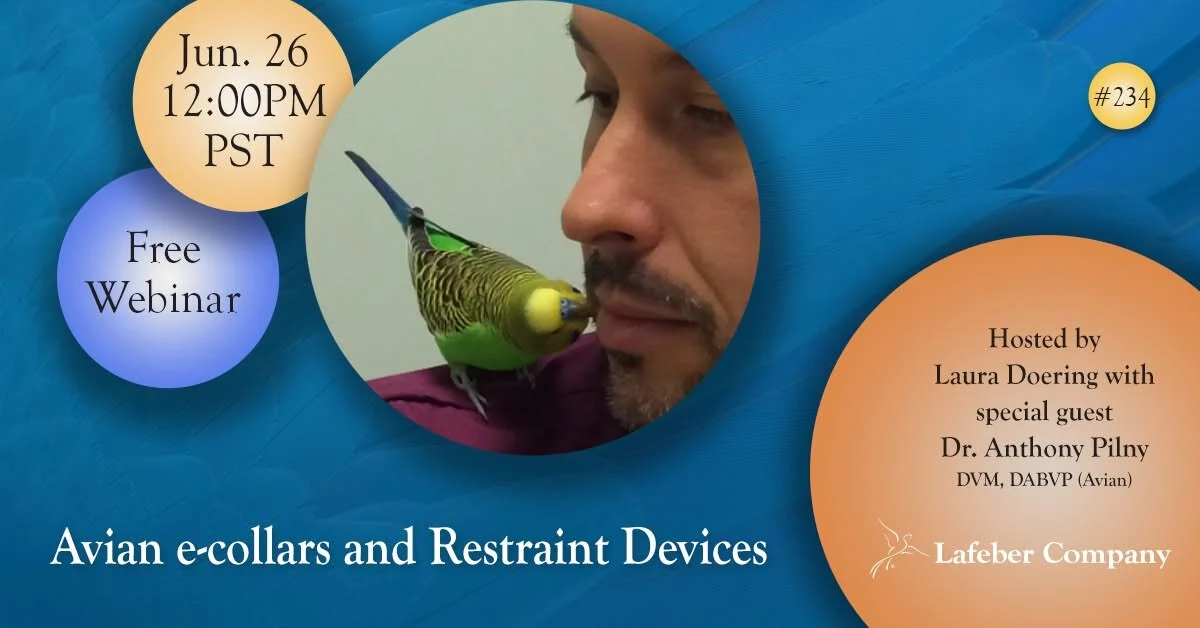
A pivotal webinar addressing the critical topic of avian e-collars and restraint devices, featuring renowned avian veterinary specialist Dr. Anthony A. Pilny, DVM, DABVP, is scheduled for Friday, June 26, 2026, at 12:00 p.m. Pacific Daylight Time (PDT). This educational event aims to provide veterinary professionals, technicians, and dedicated bird owners with comprehensive insights into the appropriate application and management of these essential tools for avian health and recovery. The online session, hosted virtually, underscores the growing commitment within the veterinary community to enhancing specialized care for companion birds. Attendees are strongly advised to utilize a reliable time zone converter to ensure timely participation, given the global reach of such professional development opportunities.
The Critical Role of Avian Restraint in Veterinary Medicine
The necessity of restraint devices in veterinary medicine, particularly for avian patients, is a multifaceted issue deeply rooted in the unique physiological and behavioral characteristics of birds. Unlike many mammalian pets, birds possess an innate instinct to hide illness or injury, often complicating early diagnosis and intervention. When injuries or surgical procedures become unavoidable, or when self-mutilation behaviors emerge, protective measures become paramount. Avian e-collars and other restraint devices serve as vital instruments in preventing self-trauma, protecting surgical sites from interference, and safeguarding healing wounds from further damage by the bird itself.
Self-mutilation in birds, often manifesting as feather plucking, skin picking, or even severe tissue damage, is a complex syndrome influenced by a myriad of factors including psychological stress, environmental deficiencies, nutritional imbalances, and underlying medical conditions. While the root cause must be addressed, immediate physical protection is frequently required to prevent irreversible harm. Studies and clinical observations indicate that a significant percentage of avian veterinary visits involve issues where self-inflicted trauma either initiated the problem or exacerbated an existing condition. Without effective restraint, the prognosis for recovery in such cases can be significantly compromised, leading to prolonged suffering, secondary infections, and potentially fatal outcomes.
The application of these devices is not merely about physical restriction but is an integral part of a holistic treatment plan designed to facilitate healing and improve welfare. The choice of device, its proper fitting, and the duration of its use are critical considerations that require expert knowledge and careful monitoring. Improperly fitted or inappropriately used restraint devices can cause additional stress, impede normal functions like eating and preening, and even lead to new injuries. Therefore, expert guidance, such as that offered by Dr. Pilny, is indispensable for practitioners and owners alike.
Dr. Anthony Pilny: A Leading Voice in Avian Veterinary Care
The webinar’s lead speaker, Dr. Anthony A. Pilny, stands as a distinguished figure in the field of avian medicine. As a Diplomate of the American Board of Veterinary Practitioners (DABVP) specializing in Avian Practice, Dr. Pilny represents the pinnacle of expertise and commitment to avian health. Board certification in avian practice signifies extensive training, rigorous examination, and a demonstrated mastery of advanced medical and surgical techniques specific to birds. This level of specialization is crucial given the vast diversity of avian species, each with unique anatomical, physiological, and behavioral requirements.
Dr. Pilny’s professional background likely includes years of clinical practice in leading avian veterinary hospitals, research contributions, and active participation in professional organizations dedicated to exotic and avian medicine. His work often involves complex diagnostic challenges, advanced surgical interventions, and the development of comprehensive care plans for a wide array of avian species, from small finches to large parrots and raptors. Through his lectures, publications, and clinical work, Dr. Pilny has consistently advocated for evidence-based approaches to avian care, emphasizing preventive medicine, client education, and the humane treatment of all birds. His involvement in this webinar signals its authoritative and practical nature, promising attendees access to cutting-edge information and real-world applicability. Attendees can anticipate Dr. Pilny sharing his extensive clinical experience, offering practical tips derived from years of managing challenging avian cases, and addressing common pitfalls associated with the use of restraint devices.
Understanding Avian E-Collars and Restraint Devices: Types, Application, and Evolution
The spectrum of avian restraint devices has evolved significantly over the years, moving from rudimentary, often improvised solutions to sophisticated, species-appropriate designs. This evolution reflects a deeper understanding of avian anatomy, behavior, and welfare needs. The webinar with Dr. Pilny is expected to delve into the various categories of these devices, offering a comprehensive overview.
1. Elizabethan Collars (E-Collars): These are perhaps the most recognized form of restraint device, designed to prevent a bird from reaching specific areas of its body with its beak.
- Materials: Modern e-collars are typically made from lightweight, durable, and non-toxic materials such as clear or frosted plastic, soft fabric, or even specialized mesh. The choice of material can impact visibility, comfort, and the bird’s ability to adapt.
- Designs: They vary in shape and rigidity. Some are simple cones, while others feature specialized contours to allow for eating and drinking while still blocking access to problem areas. Clear collars offer better visibility for the bird, potentially reducing stress and disorientation, but may be less effective for extremely determined birds. Soft collars offer more comfort but might be less robust for aggressive self-mutilators.
- Fitting: Proper fitting is paramount. An ill-fitting collar can obstruct breathing, cause chafing, restrict movement excessively, or fail to prevent access to the target area. Dr. Pilny will likely emphasize precise measurement and careful application techniques to ensure both efficacy and the bird’s well-being.
2. Body Wraps and Vests: These devices provide more comprehensive coverage, often used for abdominal or chest wounds, or to prevent feather plucking over larger body areas.
- Purpose: They offer a protective barrier and can sometimes provide a calming effect through gentle pressure, similar to thunder shirts for dogs.
- Materials: Typically made from breathable, flexible fabrics that allow for some movement while restricting access.
- Application: These require careful application to ensure they do not constrict breathing, impede circulation, or cause overheating.
3. Neck Collars and Restraint Bands: Less common but useful for specific situations, these might include specialized neck rings or bands designed to limit neck mobility or prevent access to the upper chest/neck area.
- Considerations: These must be used with extreme caution to avoid tracheal compression or discomfort.
The historical trajectory of avian restraint devices reflects a broader shift in veterinary medicine towards more specialized and humane care. Early attempts often involved rudimentary, often uncomfortable, and sometimes harmful methods. However, advancements in materials science, a deeper understanding of avian psychology, and the increasing value placed on pet bird welfare have driven the innovation of safer, more effective, and more comfortable devices. The webinar will likely trace this evolution, highlighting how contemporary devices are designed not just to restrict but to support the healing process with minimal distress.
Navigating Recovery: Practical Insights for Avian Patients
Beyond the selection and application of a restraint device, the period of recovery is fraught with challenges for both the bird and its caregivers. Dr. Pilny’s webinar promises to share practical insights that extend beyond mere physical restraint, focusing on holistic care during this vulnerable time.
1. Monitoring and Adjustment: Constant vigilance is crucial. Caregivers must monitor the bird for signs of discomfort, stress, difficulty eating or drinking, changes in droppings, or any attempts to bypass the device. The device may need adjustments, or a different type of restraint might be necessary if the initial choice proves ineffective or causes undue stress. Dr. Pilny is expected to provide a checklist of vital signs and behavioral indicators to observe.
2. Environmental Enrichment: A bird wearing a collar or wrap may experience heightened stress due to restricted movement and altered sensory input. Providing appropriate environmental enrichment is vital to mitigate this stress. This could include:
- Modified Perches: Lower, wider, or softer perches to accommodate restricted movement and prevent falls.
- Accessible Food and Water: Bowls placed within easy reach, potentially wider or shallower to allow for comfortable eating and drinking with a collar.
- Sensory Stimulation: Auditory (calming music, natural sounds) and visual (windows, safe views) stimulation, while avoiding overwhelming stimuli.
- Safe Toys: Toys that can be manipulated without obstruction from the collar, providing mental engagement.
3. Nutritional Support: Healing requires significant energy and nutrients. Birds in recovery, especially those with restraint devices, might struggle to eat or drink sufficiently. Dr. Pilny will likely discuss strategies for ensuring adequate nutritional intake, which may include:
- High-Calorie, Easily Digestible Foods: Hand-feeding or syringe-feeding specialized diets if necessary.
- Supplementation: Vitamins, minerals, or probiotics to support immune function and healing.
- Hydration: Ensuring constant access to fresh water and monitoring for dehydration.
4. Managing Psychological Impact: Restraint can be inherently stressful for prey animals like birds. Addressing their psychological well-being is as important as physical healing.
- Reduced Handling Stress: Minimizing unnecessary handling and ensuring any necessary handling is gentle and predictable.
- Quiet Environment: Providing a calm, quiet space away from excessive noise or commotion.
- Positive Reinforcement: Using gentle verbal praise or treats (if medically appropriate) to create positive associations with care.
- Gradual Reintroduction: When the device is no longer needed, a gradual reintroduction to normal activities and environment can help ease the transition.
5. Owner Education and Compliance: The success of any recovery plan heavily relies on the owner’s understanding and compliance. Dr. Pilny will likely stress the importance of thorough client education, demonstrating proper care techniques, and empowering owners to be active participants in their bird’s recovery journey. This includes setting realistic expectations, addressing concerns, and providing clear emergency protocols.
The Broader Impact on Avian Welfare and Veterinary Practice
Webinars such as this one, featuring leading experts like Dr. Pilny, play a crucial role in advancing avian welfare and refining veterinary practice on a global scale. In a field where specialized knowledge is paramount but often geographically disparate, online platforms bridge gaps, making cutting-edge information accessible to a wider audience.
1. Advancement of Best Practices: By disseminating current research, clinical insights, and refined techniques, these educational events ensure that veterinarians and technicians remain at the forefront of avian medicine. This directly translates into improved diagnostic accuracy, more effective treatment protocols, and ultimately, better patient outcomes. The continuous evolution of veterinary science demands ongoing professional development, and specialized webinars provide an efficient and targeted means of achieving this.
2. Empowerment of Professionals: For general practitioners who may encounter avian patients less frequently, or for new graduates, such webinars provide foundational knowledge and practical skills that might not be comprehensively covered in standard curricula. For avian specialists, they offer opportunities to engage with peers, discuss challenging cases, and learn about new developments or alternative approaches, fostering a community of practice. Empowering veterinary teams with confidence in applying and managing restraint devices can prevent delays in treatment and enhance the overall quality of care.
3. Elevating Avian Welfare Standards: Ultimately, the beneficiaries are the birds themselves. As awareness grows regarding the efficacy and humane application of restraint devices, the standard of care for avian patients experiencing trauma, surgery, or self-destructive behaviors will rise. This contributes to reducing pain, minimizing complications, and promoting faster, more complete recoveries, thereby significantly enhancing the quality of life for companion birds. The emphasis on comfort and psychological well-being alongside physical healing underscores a holistic approach to avian welfare.
4. Strengthening the Human-Animal Bond: For pet bird owners, access to knowledgeable veterinary care, informed by such expert-led education, reinforces their confidence in the veterinary profession. When owners see their birds receiving compassionate, effective, and specialized treatment, it strengthens the human-animal bond and encourages responsible pet ownership, including seeking timely professional help for their feathered companions.
Logistics and Accessibility for a Global Audience
The webinar is scheduled for Friday, June 26, 2026, at 12:00 p.m. PDT. This specific timing, while convenient for North American participants, necessitates the use of a time zone converter for attendees from other regions. This highlights the global nature of veterinary education and the commitment to making specialized knowledge widely accessible. The event’s virtual format, presumably via platforms like Zoom, eliminates geographical barriers, allowing professionals and enthusiasts from around the world to benefit from Dr. Pilny’s expertise without the need for travel. The registration process, linked directly from the announcement, simplifies access, ensuring that interested parties can secure their virtual seat with ease. The implied host, Lafeber Company, a respected name in pet bird nutrition and care, lends additional credibility and infrastructure to the event, ensuring a high-quality production and reliable platform for participants.
Looking Ahead: The Future of Avian Medicine
The proactive dissemination of information through webinars like Dr. Pilny’s underscores the dynamic nature of avian veterinary medicine. The field continues to evolve, driven by ongoing research into avian physiology, pathology, and behavior, as well as advancements in diagnostic technologies and therapeutic interventions. Future developments in restraint devices might include personalized 3D-printed collars, smart monitoring systems integrated into devices to track vital signs or movement, and bio-compatible materials that further minimize stress and enhance comfort.
The increasing recognition of birds as complex, sentient companions, rather than mere decorative pets, has fueled a demand for higher standards of care. This growing appreciation means that specialized knowledge in areas like avian restraint will become even more critical. Continuing education, collaborative research, and the active sharing of clinical experiences, as exemplified by this upcoming webinar, are foundational to ensuring that companion birds receive the best possible care, fostering healthier lives and stronger bonds with their human families for years to come.

