


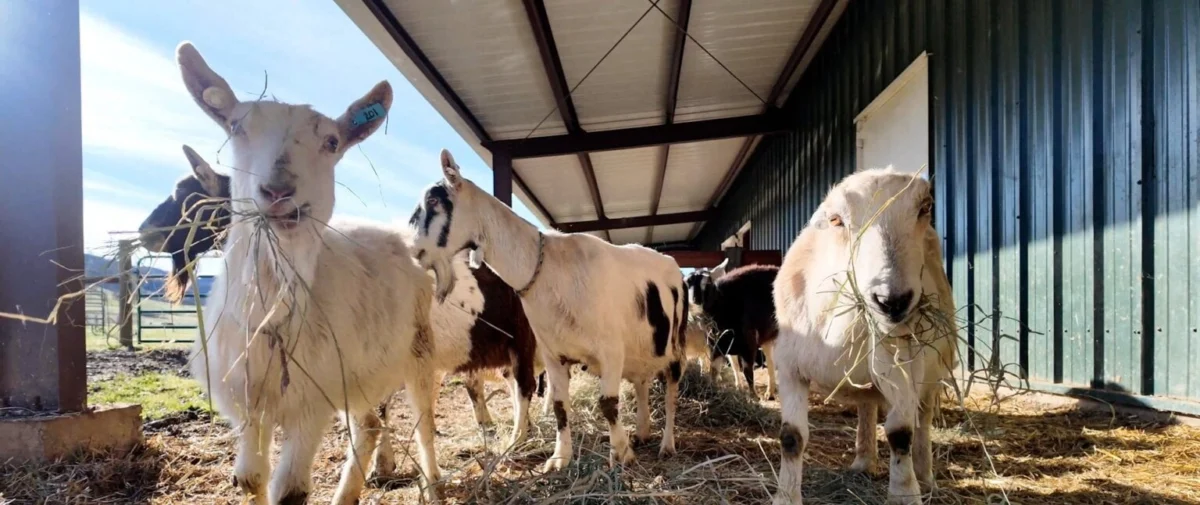
The relocation of the final 97 goats from the now-defunct Grand Barr Dairy in Oregon to a permanent sanctuary in California marks the conclusion of one of the most significant animal welfare interventions in recent Pacific Northwest history. The arrival of these animals at the Humane Farming Association’s (HFA) Suwanna Ranch this week brings the total number of rescued survivors to approximately 240, including kids born during the transition period. This final transfer signifies the end of a year-long legal and logistical struggle that began with a whistleblower’s report and escalated into a massive criminal indictment involving nearly 500 counts of animal neglect.
The goats, which were previously used for commercial milk production, have been moved to the 1,200-acre Suwanna Ranch, recognized as the largest farm animal refuge in the United States. According to sanctuary officials, the animals will no longer be subjected to the rigors of industrial milking schedules but will instead live out their natural lives in open pastures. This resolution follows a complex series of court battles and a temporary placement period that was marred by further animal fatalities, highlighting the challenges inherent in large-scale livestock seizures.
Background and Initial Investigation of Grand Barr Dairy
Grand Barr Dairy, located in Malheur County, Oregon, operated as a significant supplier of goat milk for the artisanal cheese industry. The facility came under scrutiny in July 2025 when a whistleblower contacted People for the Ethical Treatment of Animals (PETA) with detailed allegations regarding the internal conditions of the farm. The reports suggested that approximately 250 goats were being kept in substandard conditions, characterized by extreme filth and a systemic lack of veterinary oversight.
Subsequent undercover investigations conducted in late 2025 corroborated these reports. Investigators documented widespread animal suffering, including emaciation, untreated respiratory infections such as pneumonia, and painful hoof overgrowth that impeded the animals’ ability to walk. More severe findings included goats with burst abscesses and "knee-walking," a condition where goats crawl on their front carpal joints because their hooves are too painful or deformed to bear weight. Furthermore, the investigation produced evidence of physical abuse, with workers and owners allegedly observed kicking and punching the animals.
The case gained significant public attention due to the dairy’s connection to Laura Chenel, a prominent California-based cheesemaker. At the time of the investigation, the dairy was a supplier for the brand, which marketed its products under the premise of sourcing from "happy" goats. The discrepancy between the marketing narrative and the documented reality at Grand Barr Dairy sparked a broader conversation regarding supply chain transparency and the efficacy of third-party welfare audits in the dairy industry.
Chronology of the Legal Proceedings and Seizure
The transition from a working dairy to a sanctuary rescue followed a rigorous legal timeline. After PETA submitted its investigative findings to the Oregon Department of Justice, state authorities initiated a formal criminal probe.
In February 2026, the Malheur County Sheriff’s Office, acting on a court order, seized more than 230 goats from the property. This seizure was one of the largest of its kind in the region, placing an immediate strain on local resources. While a small number of the most critical cases were sent to immediate sanctuary care, the majority of the herd—nearly 200 goats—were moved to Mid Valley Dairy in California under an agreement facilitated by Malheur County Sheriff Travis Johnson.
The temporary placement at Mid Valley Dairy proved controversial. Between February and April 2026, approximately 19 goats died while in the temporary custody of the facility. Animal rights advocates argued that the goats, already weakened by months of neglect at Grand Barr, required specialized sanctuary care rather than being moved to another commercial dairy environment.
In April 2026, a judge officially ordered that the seized goats be forfeited to Malheur County. This ruling stripped the original owners of their property rights over the animals, clearing the legal path for a permanent rehoming strategy. Following the forfeiture, a coalition of advocates and members of the public petitioned local law enforcement to ensure the survivors were sent to registered sanctuaries rather than being sold at auction, where they might have returned to the commercial slaughter or dairy cycles.
Detailed Breakdown of Criminal Charges
The legal fallout for the owners of Grand Barr Dairy, Taunia Barr and Aaron Barr, has been extensive. In February 2026, a grand jury indicted the pair on a combined 478 felony counts of animal neglect and 14 misdemeanors. Under Oregon law, animal neglect in the first degree can be elevated to a felony if the offense involves more than 10 animals or if the neglect results in the death of the animal or "unconscionable suffering."
The sheer volume of the charges reflects the individualized nature of the neglect documented for each goat in the herd. Legal experts note that this case serves as a precedent for how large-scale agricultural neglect is prosecuted. Historically, such cases often resulted in a single "blanket" charge for the entire herd; however, the Malheur County District Attorney’s office chose to pursue charges for each individual animal victim.
Taunia and Aaron Barr are currently scheduled for plea hearings on August 26, 2026. As part of their current legal restrictions, they are prohibited from having any contact with animals, with the exception of one domestic dog owned by Taunia Barr. The outcome of this case is being closely watched by both animal welfare organizations and agricultural industry groups, as it may signal a shift toward stricter enforcement of welfare standards on commercial farms.
Sanctuary Life and the Role of Suwanna Ranch
The successful relocation of the goats to Suwanna Ranch is viewed by experts as the best possible outcome for animals that have spent their lives in an industrial setting. Goats are highly social and intelligent ruminants that form complex herd hierarchies and mother-offspring bonds. In commercial dairy settings, kids are typically separated from their mothers shortly after birth to maximize milk yield for human consumption—a practice that was standard at Grand Barr Dairy.
At the California sanctuary, the goats will have access to 1,200 acres of varied terrain. This environment is essential for the recovery of animals that suffered from lameness and hoof rot. The natural movement across uneven ground helps maintain hoof health, while the absence of the "milking line" reduces the metabolic stress that often leads to premature death in dairy goats.
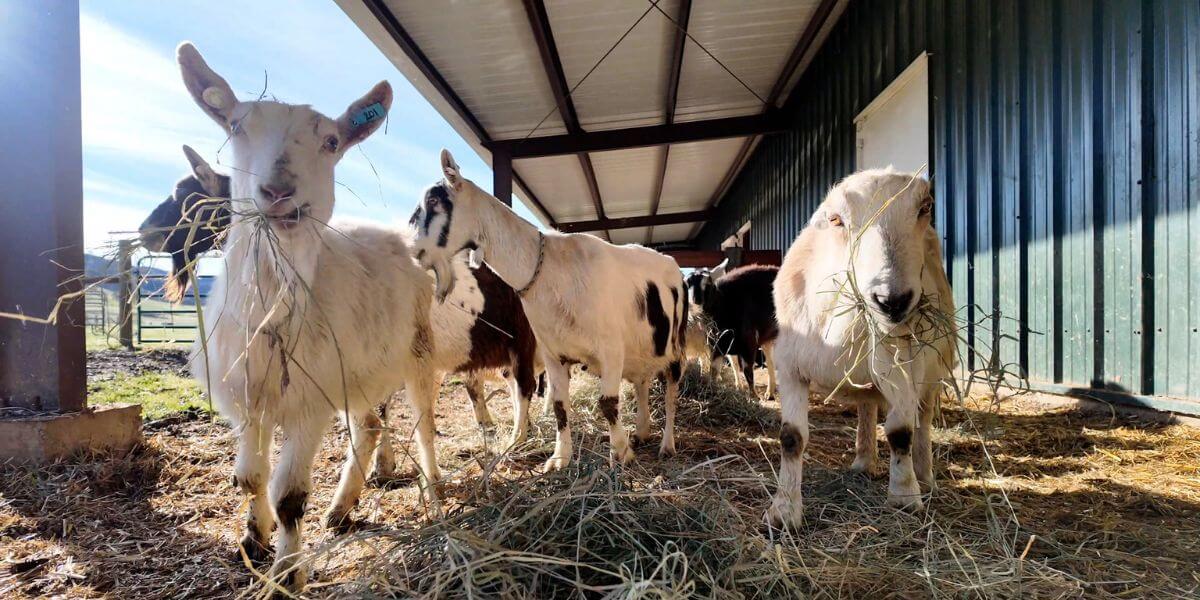
The Humane Farming Association noted that the rescued group includes several goats that were pregnant at the time of the seizure. These mothers will be allowed to raise their kids, a rarity in the livestock industry. Other survivors have been placed at the Wildwood Farm Sanctuary & Preserve in Oregon, ensuring that the rescue effort remains a multi-state collaborative success.
Analysis of Implications for the Dairy Industry
The Grand Barr Dairy case highlights several critical issues within the modern agricultural landscape. First is the "humane-washing" of animal products. The gap between the "happy goat" branding of the dairy’s customers and the actual conditions on the farm suggests a failure in the auditing processes used by distributors and retailers. Professional analysis suggests that as consumers become more conscious of animal welfare, the pressure on corporations to conduct unannounced, rigorous on-site inspections will increase.
Second, the case underscores the economic and logistical burden placed on the non-profit sector when large-scale animal seizures occur. The cost of transporting, feeding, and providing veterinary care for over 230 goats is substantial. Sanctuaries like Suwanna Ranch rely almost entirely on private donations to fund these operations, which can run into hundreds of thousands of dollars for a single rescue of this magnitude.
Finally, the incident has fueled the growth of the plant-based dairy alternative market. Industry data shows that goat milk, while a niche market compared to cow milk, has seen a rise in competition from oat, almond, and soy-based cheeses. Cases of documented abuse often serve as a catalyst for shifts in consumer behavior, leading to a decrease in demand for animal-derived dairy products.
Conclusion of the Rescue Operation
With the final 97 goats now safely integrated into their new environment, the focus shifts from rescue to rehabilitation and justice. The survivors will require ongoing veterinary care to manage the long-term effects of their previous neglect, particularly those with chronic joint issues or respiratory damage.
The successful conclusion of this operation is a testament to the persistence of whistleblowers, the investigative rigor of animal welfare organizations, and the willingness of state authorities to pursue felony-level charges in cases of agricultural neglect. As the Barrs prepare for their August court dates, the goats of Grand Barr Dairy have transitioned from being evidence in a criminal case to permanent residents of a protected sanctuary, marking a definitive end to their history of exploitation.

