


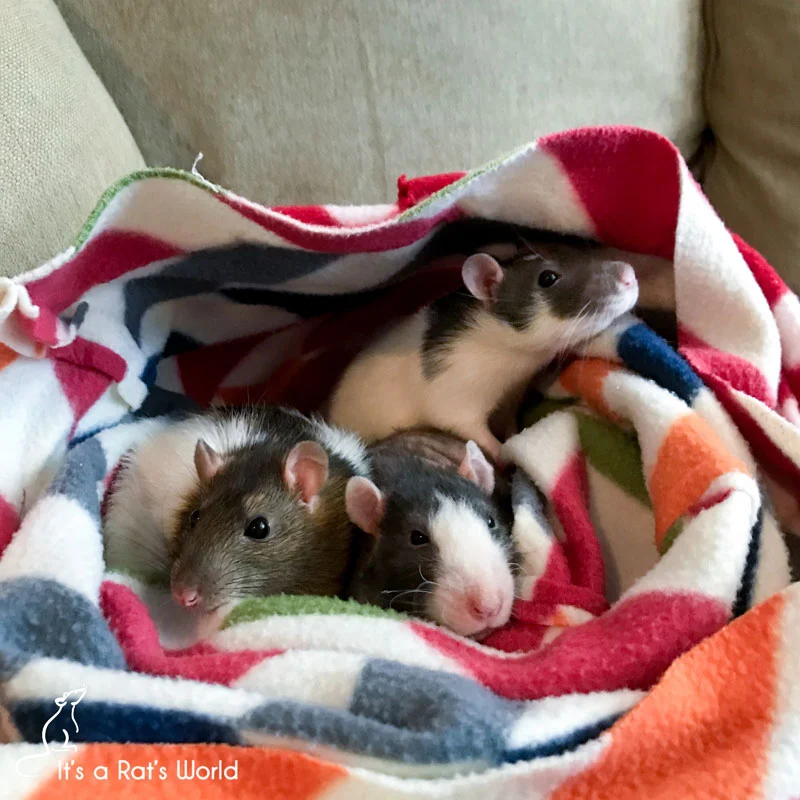
The desire to explore new horizons during summer breaks often clashes with the logistical challenges of pet care. For owners of less conventional pets like rats, finding reliable sitters or boarding facilities can be a significant source of stress. However, a growing number of rat enthusiasts are discovering that with careful planning and preparation, their small companions can become integral members of their travel party, transforming ordinary road trips into memorable expeditions. This guide delves into the practicalities and rewards of taking your pet rats on the road, drawing on extensive experience and expert advice to ensure a safe and enjoyable journey for both pets and their human companions.
The Case for Canine Companionship: Rethinking Rat Travel
For many, the idea of traveling with rats might seem unusual, even daunting. Rats, often perceived as purely indoor pets, are highly intelligent, social creatures that can adapt to new environments with proper acclimation. The primary hurdle for rat owners contemplating travel is the perceived difficulty in finding suitable care when away. Traditional pet sitters may lack the specific knowledge required for rat husbandry, and kennels are rarely equipped to accommodate these unique animals. This often leads to the agonizing decision of leaving beloved pets behind or entrusting them to potentially inexperienced individuals.
However, the experience of seasoned rat travelers suggests that for non-flying journeys, particularly road trips, integrating rats into vacation plans can be a viable and enriching alternative. Brandi Saxton of "It’s A Rat’s World," a prominent advocate for rat welfare and travel, has extensively documented her own successful road trips with her rats. Her experiences, spanning journeys to Northern Arizona, Southern California, Colorado, and even cross-country expeditions, underscore the feasibility and surprising advantages of bringing rats along. "Sometimes it’s just easier to take them with you than deal with the stress of leaving them behind," Saxton notes, acknowledging that while "easier" might be an overstatement, the experience is undeniably more "memorable and adventurous."

Gradual Acclimation: Preparing Your Rats for the Open Road
Rats are creatures of habit, thriving on predictability and familiar surroundings. Introducing them to the concept of travel requires a phased approach to minimize anxiety and maximize their comfort. The initial step involves gradually acclimating them to excursions outside their familiar home environment.
Saxton advocates for introducing rats to short outings, such as evening walks around the neighborhood. This can be achieved using a ventilated bonding pouch or a small cloth bag lined with soft fleece. During these outings, allowing rats to experience new sights, sounds, and smells from a secure carrier, and then gradually introducing them to being held close or perched on a shoulder, helps them build confidence. Consistent reassurance, gentle petting, and verbal communication play a crucial role in helping them feel safe and secure in novel situations. Some rats may require more time and repeated exposures than others, but many exhibit remarkable curiosity and adaptability from the outset.
Complementary to these outings, short car rides serve as another vital step in preparing rats for longer journeys. These brief excursions, perhaps to pick up a child from school or run a quick errand, allow owners to observe their rats’ reactions to motion, engine sounds, and the general stimuli of a moving vehicle. Saxton found that her rats consistently displayed curiosity and excitement when exposed to new scents during these short trips, which in turn made longer car rides less intimidating. It is imperative, however, to remain cognizant of ambient temperatures during these acclimation periods. Extreme heat or cold can pose significant risks to rats, making such preparations ill-advised during adverse weather conditions.
The Mobile Sanctuary: Selecting the Ideal Travel Cage
The cornerstone of a successful rat road trip lies in the selection of an appropriate travel enclosure. This space must not only be secure but also provide a sense of familiarity and comfort to mitigate the stress of a disrupted routine. Ideally, the travel cage should mirror the amenities and space of their home cage as closely as possible, allowing for movement and climbing opportunities.

A pivotal experience in Saxton’s journey involved a seven-week road trip to Washington D.C. for her husband’s work at the Smithsonian’s American Art Museum. The prospect of being separated from her four rats for such an extended period was unthinkable. This necessitated a significant undertaking in finding a suitable dwelling for them. The objective was to secure the largest possible cage that could comfortably house four rats while still fitting within the confines of their compact car. Key considerations included its height to clear the car’s interior and its width to navigate through doorways. Recognizing that their time outside the cage would be limited compared to their usual home environment, the cage had to be spacious enough to prevent feelings of confinement and boredom.
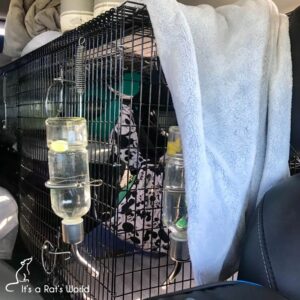
Saxton ultimately prioritized size over absolute portability, opting for the largest cage that could be accommodated in the car. This expansive enclosure featured two additional half-levels, providing ample room for a hammock, a "space pod," an igloo, and a litter box. Recognizing the logistical challenge of maneuvering this sizable cage in and out of the vehicle (requiring two people), a smaller cat carrier was also brought along for shorter durations, such as at rest stops or during brief park visits for stretching and meals.
While this specific cage, "The Rat Lodge" by Martin’s Cage, is no longer in production, its legacy highlights the principle of investing in a robust and spacious enclosure. This type of cage proved invaluable not only for extended road trips but also for fostering litters, providing temporary housing during heatwave-induced evacuations due to AC failure, and numerous other situations. The peace of mind derived from observing her rats behaving normally and relaxed in this familiar environment, in contrast to their behavior in smaller, less accommodating vet carriers, solidified its importance. Saxton suggests that similar large enclosures might be found on secondary markets like Craigslist or eBay.
Comprehensive Packing: Ensuring Every Ratty Need is Met
Even for short excursions, a dedicated travel bag for rats is essential. Saxton’s philosophy of "having too much is better than not being prepared" guides her packing list, ensuring that even when traveling to potentially remote locations, necessary items are readily available.

Essential Packing List for Rat Travelers:
- Hydration: At least two water bottles with their cage attachments. Clean, fresh water is paramount, and having backups is crucial in case of leaks or malfunctions.
- Feeding: Food dishes for both dry and fresh food. A generous supply of dry rat food, exceeding estimated needs, is advised.
- Fresh Provisions: One to two gallons of filtered water. A small cooler packed with pre-cut fresh fruits and vegetables, along with rat-specific snacks.
- Hygiene: A small bottle of dish soap, a scrubber, and a bottle brush for cleaning. Extra rat bedding (fleece, litter box material, hammocks). Bonding pouches, huts, or pillowcases for nervous rats and out-of-cage time. Large rat blankets for protecting furniture and providing comfort. A towel or blanket to cover the cage or act as a windshield shade. Paper towels and unscented wet wipes are indispensable for immediate clean-up. Antibacterial wipes for personal hygiene. Trash bags for waste and soiled bedding disposal.
- Health: An emergency medicine kit, particularly important for elderly or ill rats, containing items relevant to potential travel-related ailments.
The Rationale Behind Thorough Preparation
The imperative of being prepared for unexpected emergencies when traveling with pets cannot be overstated. Adequate food and water reserves are critical in scenarios such as vehicle breakdowns, especially in hot weather. The consistent recommendation for filtered water, rather than tap water, stems from the unknown quality of water at various destinations, mitigating potential health risks for rats.
Daily cleaning and refilling of water bottles are vital to prevent bacterial growth. The provision of two water bottles allows for quick swaps during busy travel days or serves as a critical backup if one fails – an occurrence Saxton has personally experienced.
The intensity of sunlight, particularly during certain hours of the day, can pose a significant threat to rats. Direct exposure to UV rays can lead to overheating or discomfort. Therefore, employing methods to shield the cage is essential. This can involve using a windshield shade positioned in front of the window or rigging up a blanket or towel. These same coverings can also be used to shield the rats from overly strong air conditioning drafts. Conversely, during winter travel, these blankets can provide an added layer of insulation around the base of the cage.
Large rat blankets serve a dual purpose: protecting furniture at your lodging and providing a comfortable surface for your rats during supervised out-of-cage time. Huts or bonding pouches offer a secure hiding place for anxious rats, further protecting both the pet and the surroundings. These items also proved useful for securely holding rats on Saxton’s lap during short car journeys while her husband drove.
Regular cage cleaning is inevitable during longer trips. Wet wipes are ideal for quick spot cleaning, and trash bags are useful for storing soiled materials that need to be transported back.
Some rats may experience digestive upset during travel, potentially due to the stress of the journey or motion sickness. This can manifest as mushy stools, which can be messy and unhygienic. The inclusion of paper towels, wet wipes, extra bedding, trash bags, and antibacterial wipes becomes invaluable in managing such situations.
A classic remedy for digestive upset, passed down through generations, is the humble banana. Saxton recounts an experience from the 1990s where a small piece of banana, administered every few hours, effectively firmed up her rat Rory’s stools during a road trip. This anecdote highlights the value of seemingly simple, time-tested remedies.

Navigating Pet-Friendly Accommodations
For overnight stays, identifying pet-friendly lodging is a crucial component of travel planning. Websites such as PetsWelcome claim to offer resources for finding hotels that welcome pets. However, it is strongly advised to directly confirm with the establishment that they are indeed rat-friendly, as policies can vary and may not always explicitly include small exotic pets.
To further safeguard your rats, it is recommended to utilize the "Do Not Disturb" sign on your hotel room door whenever you leave. This simple measure helps prevent unexpected access by housekeeping, thereby reducing the risk of accidental exposure or disturbance to your pets. Additionally, always check the thermostat settings before leaving your rats unattended to ensure a comfortable and safe temperature.
Critical Warnings for Car Travel with Rats
Never leave your rats unattended in a vehicle. The risks associated with leaving pets in cars are numerous and severe, ranging from theft to extreme temperature fluctuations.
Rats possess a narrow window of temperature tolerance. Consequently, it is imperative to maintain a stable and comfortable environment within the vehicle at all times. This may necessitate leaving the car running with the air conditioning or heater on during stops to prevent heatstroke or hypothermia, depending on the prevailing weather conditions.

Constant vigilance regarding the functionality of water bottles is also essential. The angle of the cage during travel can affect water pressure, potentially causing leaks or rendering the bottle difficult to use. Regular checks ensure that your rats have consistent access to hydration.
The Unparalleled Reward: An Adventure Worth Cherishing
While the prospect of traveling with rats may initially seem daunting, the rewards can be profoundly fulfilling. Saxton expresses a deep affection for every trip she has undertaken with her rats, cherishing the unique memories created. She has even observed that such shared experiences have strengthened bonds with some of her more reserved rats. Although traveling without them might present fewer logistical hurdles, the companionship and unique perspective they offer make the journey all the more enriching. The adventure of exploring the world with these intelligent and endearing creatures is, for many, an experience that far outweighs the challenges.

