


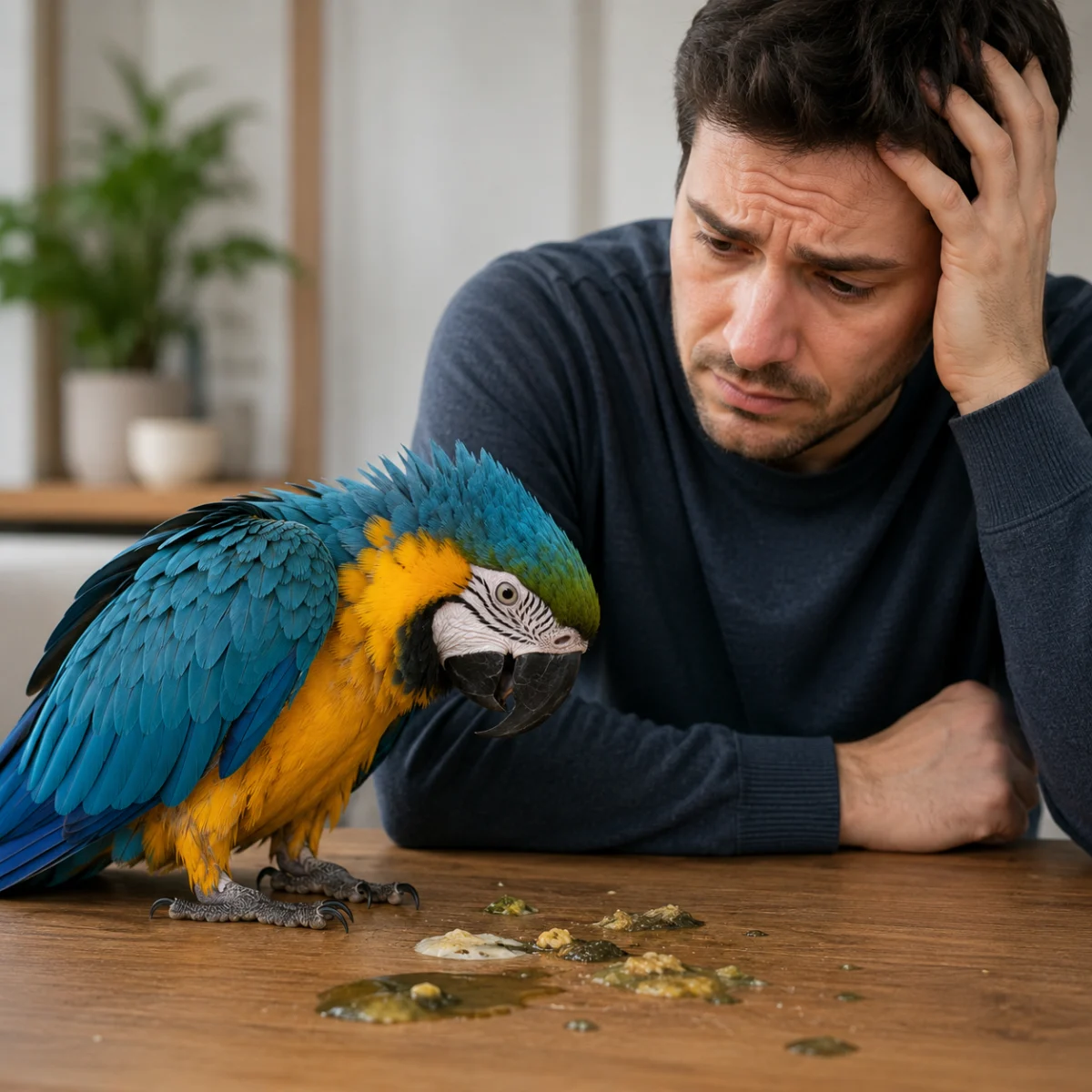
The health of a pet bird is often a delicate balance, with subtle changes in behavior or physical indicators serving as the earliest warnings of underlying issues. Among the most crucial, yet frequently misunderstood, diagnostic tools available to bird owners are their bird’s droppings. Unlike mammals, avian excrement combines feces, urine, and urates, providing a comprehensive, albeit complex, snapshot of internal physiological processes. Understanding the nuances of these droppings—from consistency and color to the presence of undigested food—is paramount for early detection of illness and ensuring timely veterinary intervention, distinguishing between benign dietary shifts and life-threatening conditions.
The Nuances of Avian Droppings: Beyond Mammalian Norms
Avian droppings are unique, typically comprising three distinct components: the solid fecal portion (usually dark and coiled), the white urates (a pasty, chalk-like substance), and a clear liquid urine component. These three elements are expelled simultaneously, making it challenging for an untrained eye to differentiate between benign variations and genuine distress.
A common point of confusion for bird owners is distinguishing watery droppings from true diarrhea. Watery droppings, often termed polyuria, primarily indicate an increase in the liquid urine component. This can result from increased water intake, consumption of water-rich foods (suchs as fruits and leafy greens), or even stress. In these instances, the fecal portion remains well-formed, and the bird generally maintains normal activity levels and appetite. Conversely, true diarrhea is characterized by a poorly formed, loose, or entirely liquid fecal component. This signifies a fundamental disturbance in the digestive tract’s ability to absorb water and nutrients, often pointing to inflammation, infection, or malabsorption. A critical observation for owners is to assess the consistency and shape of the fecal part first, then consider the overall liquid content and the bird’s general demeanor.
Undigested Food: A Red Flag for Avian Digestion
The presence of recognizable, undigested food particles—be it seeds, pellets, or other dietary components—in a bird’s droppings is a significant indicator of digestive distress and should always prompt immediate concern. The avian digestive system is remarkably efficient, designed to break down food thoroughly to extract maximum nutrients before expulsion. When food passes through largely intact, it signals a breakdown in this vital process.
This alarming symptom can stem from various serious conditions. Poor grinding of food in the gizzard (ventriculus) can be a factor, potentially due to grit deficiency in certain species or underlying gizzard dysfunction. More gravely, undigested food often points to gut disease, malabsorption syndromes, or infections that impair nutrient assimilation. Conditions such as Proventricular Dilatation Disease (PDD), also known as Macaw Wasting Disease, are particularly notorious for causing undigested food in droppings due to nerve damage affecting the proventriculus and gizzard, leading to a debilitating inability to digest food properly. Pancreatic problems, which can impede the production of digestive enzymes, also manifest with similar symptoms. Data from avian veterinary clinics consistently highlight undigested food as a high-priority symptom requiring immediate diagnostic workup, as delayed intervention can lead to rapid weight loss, malnutrition, and a severely compromised prognosis. Experts in avian medicine emphasize that masking this symptom with supplements while awaiting improvement is ill-advised and can significantly worsen the outcome.
Decoding Dropping Colors: A Diagnostic Palette
The color of avian droppings provides another layer of diagnostic information, although it must always be interpreted in conjunction with other observations, such as consistency, odor, and the bird’s overall health status.
| What You See | Possible Meaning | What to Do SSSSSS
Bird Dropping Guide: Understanding Your Bird’s Poop for Early Health Detection
Published On: May 25, 2026
Last updated on: May 25, 2026
For devoted avian companions, the seemingly mundane act of observing bird droppings transcends mere cleanup; it becomes a vital, daily health assessment. This guide is specifically crafted for bird owners who notice changes in their bird’s excrement—whether it’s suddenly watery, unusually green, loose, unusually odorous, or contains undigested food—and are grappling with the critical decision of whether these changes signal a simple dietary adjustment, transient stress, or an urgent need for specialist avian veterinary attention. It is crucial to underscore from the outset that this information is not intended for situations where a bird exhibits overt signs of severe illness, such as being fluffed up, weak, anorexic (not eating), vomiting repeatedly, sitting low on the perch, experiencing weight loss, passing blood, or consistently showing undigested seeds in droppings. These latter symptoms unequivocally constitute a veterinary emergency requiring immediate consultation with an avian or exotics veterinarian, as they are beyond the scope of home troubleshooting.
The Unique Physiology of Avian Excrement: Discerning Normal from Abnormal
The avian digestive system is a marvel of efficiency, optimized for flight and rapid metabolism. Unlike mammals, birds excrete waste from their digestive and urinary tracts via a single opening, the cloaca. This results in droppings composed of three distinct components:
- Feces: The solid, often dark and coiled portion, reflecting digested food. Its color can vary based on diet, from dark brown to green.
- Urates: The white, chalky, semi-solid component, which is concentrated uric acid. This is the avian equivalent of urine, efficiently conserving water.
- Urine: A clear, liquid component that surrounds the urates and feces.
Understanding these components is key to accurate interpretation. The most frequently asked question by bird owners is, "Is this just watery poop from food, or does my bird have diarrhea?" The distinction is critical.
Distinguishing Watery Droppings (Polyuria) from Diarrhea
-
Watery Droppings (Polyuria): This condition primarily involves an increase in the clear, liquid urine component. The fecal portion remains well-formed and distinct, and the urates maintain their normal white, pasty consistency. Common causes include:
- Dietary Factors: Increased consumption of fruits, watery vegetables (e.g., cucumber, melon), or fresh greens. A sudden switch to a "chop" diet high in moisture can also temporarily increase liquid output.
- Increased Water Intake: This can be a response to warmer temperatures, excitement, or even certain medications.
- Stress: Physiological stress can temporarily alter gut motility and water balance, leading to more liquid droppings.
- Less Concerning Signs: If the bird’s appetite, energy levels, and posture remain normal, and the fecal portion is well-formed, polyuria is often transient and less alarming.
-
True Diarrhea: This is characterized by a fecal portion that is loose, unformed, mushy, or completely liquid. The distinct shape and texture of the feces are lost. This indicates a fundamental issue within the intestinal tract itself, affecting digestion and absorption.
- More Concerning Signs: If the fecal portion is abnormal, especially when accompanied by changes in the bird’s appetite, posture (e.g., fluffed, hunched), energy levels (lethargy), or behavior, it warrants immediate veterinary attention. A persistent, foul odor accompanying diarrheic droppings is also a red flag.
The problem-solution framework for watery droppings involves first examining the formed fecal portion. If it appears normal, then evaluate the bird’s overall well-being. If the fecal part is abnormal, or if the bird exhibits any other signs of illness, professional veterinary consultation is essential.
Undigested Food in Droppings: A Grave Indicator
The presence of undigested seeds, pellets, or other food particles in a bird’s droppings is a serious symptom that demands immediate veterinary evaluation. Food is designed to undergo a complex process of softening, grinding, chemical breakdown, and absorption within the avian digestive tract before waste is eliminated. When recognizable food components appear in droppings, it unequivocally signifies a failure in this critical digestive process.
What Owners Usually Notice:
Owners typically observe whole or partially intact seeds, identifiable pieces of pellets, or other food fragments within the fecal matter. This is distinct from a bird occasionally dropping food while eating. This indicates that the food has passed through the digestive tract without proper processing.
Why It Matters:
This symptom is not one to be "covered up" with supplements or a "wait and see" approach. It points to potentially severe underlying issues, including:
- Poor Grinding: Inadequate function of the gizzard.
- Gut Disease/Infection: Bacterial, fungal, viral, or parasitic infections that compromise the intestinal lining and function.
- Malabsorption: The intestines’ inability to absorb nutrients, even if food is broken down.
- Pancreatic Problems: Insufficient production of digestive enzymes.
- Proventricular Dilatation Disease (PDD): A progressive and often fatal viral disease that damages the nerves controlling the proventriculus and gizzard, leading to severe digestive impairment.
- Foreign Material: Obstruction or irritation from ingested foreign bodies.
Urgent Vet-Needed Signs: If undigested food is observed concurrently with weight loss, vomiting, weakness, neurological changes (e.g., tremors, seizures), or a bird that appears to be eating but continues to lose body condition, an avian vet exam must be scheduled promptly. These combined symptoms indicate a rapidly deteriorating health status.
Decoding Dropping Colors: A Diagnostic Palette
The color of a bird’s droppings can offer valuable clues, but it’s rarely a definitive diagnosis on its own. The significance of color changes amplifies when paired with alterations in appetite, posture, energy levels, or general behavior.
| What You See | Possible Meaning

