


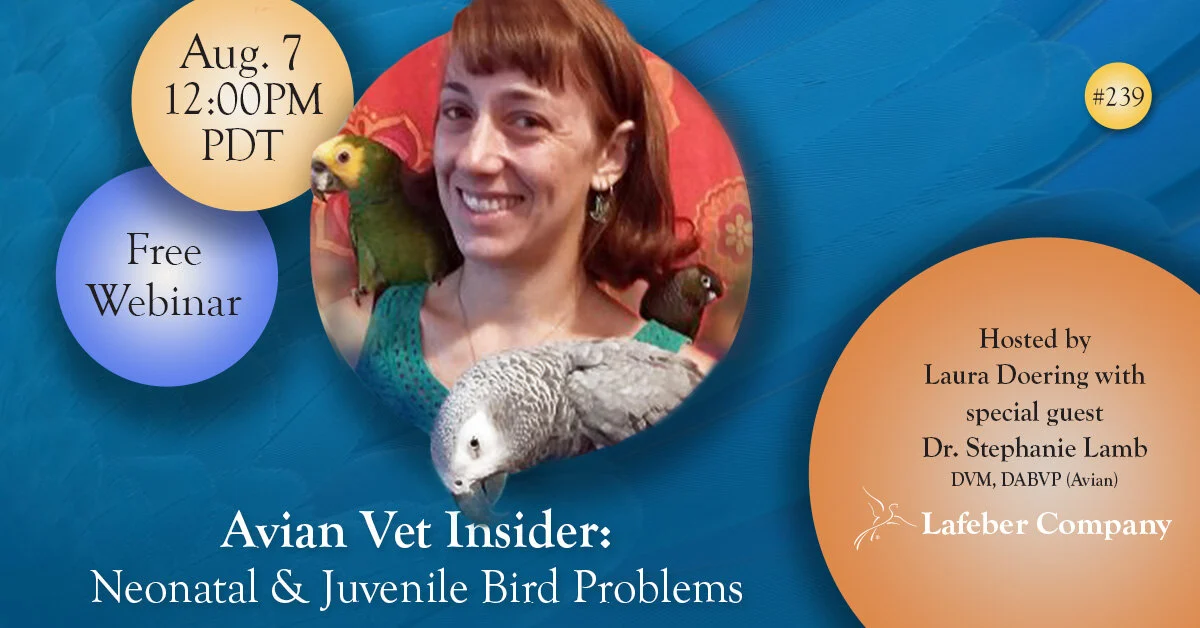
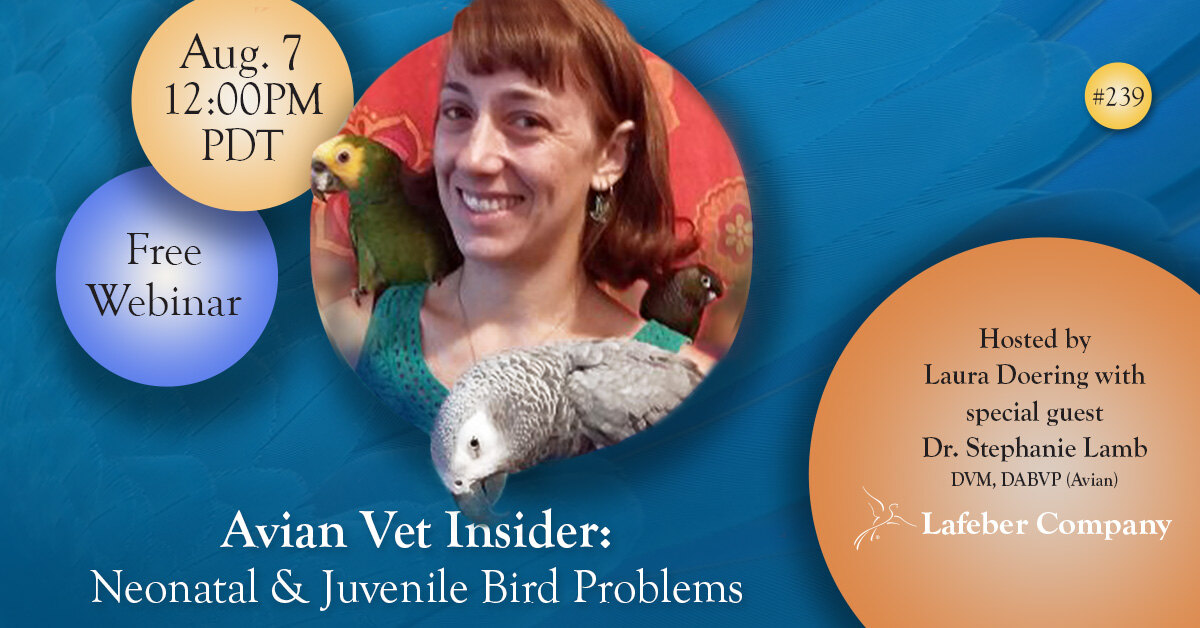
The transition from a vulnerable hatchling to a fully independent juvenile is arguably the most critical period in an avian life cycle, marked by rapid physiological shifts and high susceptibility to environmental and nutritional stressors. On Friday, August 7, 2026, at 12:00 p.m. PDT, Dr. Lamb will host a comprehensive webinar titled "Neonatal & Juvenile Bird Problems," providing an in-depth examination of the developmental milestones and common health pathologies that frequently impact young birds. This educational session aims to bridge the gap between clinical observation and practical husbandry, offering insights into the complex biological processes occurring during the first few weeks and months of a bird’s life.
The Critical Nature of Early Avian Development
Avian development is characterized by an incredibly compressed timeline compared to many mammalian species. Within a matter of weeks, a hatchling must progress from a state of total dependency to achieving the metabolic and physical requirements for flight and independent foraging. This period of rapid growth necessitates precise nutritional intake, optimal thermal regulation, and a sterile, secure environment.
During the upcoming webinar, Dr. Lamb is expected to delineate the specific developmental stages where mortality risk is highest. These stages include the immediate post-hatch period, where the immune system is largely undeveloped, and the weaning phase, which is often a source of significant psychological and physical stress. Understanding these windows of vulnerability is essential for avian professionals, breeders, and dedicated pet owners who strive to minimize developmental complications.
Chronology of Early Life Stages
To understand the scope of the webinar, it is necessary to contextualize the timeline of a young bird’s development. The journey begins with the incubation phase, which requires strict adherence to temperature and humidity parameters. Upon hatching, the "neonatal" phase commences, lasting roughly through the first 14 to 21 days, depending on the species. During this time, the hatchling is entirely reliant on the parent bird or the human caregiver for nourishment and warmth.
Following the neonatal period, the "juvenile" phase begins. This is the period of feather development (fledging), where the bird begins to transition toward solid foods and develops the muscle mass required for flight. The final stage of this early development is the weaning or independence phase, which is frequently where behavioral issues or developmental "stunting" may occur if the nutritional or social stimuli are insufficient. Dr. Lamb’s presentation will focus on the clinical interventions required if a bird deviates from these standard growth curves during any of these specific windows.
Data-Driven Insights into Common Pathologies
Research into avian pediatrics indicates that the majority of juvenile health issues stem from three primary categories: nutritional deficiencies, infectious diseases, and improper husbandry. Data from avian diagnostic laboratories suggest that metabolic bone disease, often resulting from calcium or vitamin D3 imbalances, remains a leading cause of developmental skeletal deformities in hand-reared birds.
Furthermore, the prevalence of bacterial and fungal infections during the neonatal period is significantly higher than in mature birds. The undeveloped nature of the avian bursa of Fabricius and the thymus during the first few days of life leaves hatchlings susceptible to opportunistic pathogens. The webinar will likely cover current best practices for monitoring crop function, as stasis in the crop—the muscular pouch used to store food—is a primary precursor to severe bacterial infections such as Candidiasis. By analyzing these recurring issues, Dr. Lamb aims to equip attendees with the diagnostic foresight needed to catch early-stage problems before they become life-threatening.
Clinical Perspectives and Expert Analysis
Dr. Lamb’s approach to the topic is rooted in a preventive medicine framework. In the context of avian care, "prevention" often translates to rigorous environmental control. Analysis of clinical case studies suggests that environmental factors, such as ambient temperature and humidity fluctuations, are the most frequent culprits in failing to thrive. If a nestling is not kept within its species-specific thermal zone, its metabolic rate can drop, leading to slower digestion and a subsequent decline in immune function.
Industry experts emphasize that the information provided in this webinar is vital for those managing avian colonies or individuals maintaining single birds. The shift toward evidence-based avian husbandry has drastically improved survival rates over the past decade. By standardizing the care protocols for neonates—such as the precise calibration of formula temperatures and the use of sterile feeding equipment—caregivers can significantly reduce the incidence of crop burns and aspiration pneumonia, two of the most common complications in hand-reared juvenile birds.
Broader Implications for Avian Welfare
The implications of this educational initiative extend beyond the immediate health of the individual bird. As global interest in avian companionship grows, the need for standardized, accurate information regarding the care of young birds becomes a matter of public welfare. Improperly raised juveniles are more prone to developing behavioral disorders, such as feather picking or chronic anxiety, which can persist throughout the animal’s lifetime.
By educating owners and breeders, the webinar contributes to the broader objective of improving the long-term well-being of the avian population in human care. The session will specifically address the importance of monitoring weight gain and behavior, which are the most reliable indicators of health. A bird that is not meeting its expected growth milestones is effectively signaling a physiological distress that, if ignored, can lead to permanent developmental consequences.
Registration and Webinar Access
The webinar is scheduled for August 7, 2026, and is designed to be accessible to a wide audience, ranging from veterinary professionals to hobbyists. Because the event is broadcast live, international participants are encouraged to verify the timing via the provided time zone converter to ensure they do not miss the live Q&A sessions.
The registration process, which is currently open, allows for real-time engagement with the material. Participants are invited to submit questions prior to or during the event, ensuring that specific concerns regarding species-specific developmental hurdles are addressed. This interactive component is a hallmark of Dr. Lamb’s pedagogical style, emphasizing that avian care is a dynamic field requiring continuous learning and adaptation.
Conclusion and Future Outlook
The upcoming webinar represents a significant opportunity for the avian community to align their practices with current clinical standards. As our understanding of avian physiology continues to expand, so too must our methods of care. By focusing on the delicate transition from hatchling to independent bird, Dr. Lamb is providing a vital resource for anyone tasked with the stewardship of young avian life.
The primary objective of this session is not merely to identify problems, but to foster an environment where early intervention and proactive care are the standard. Given the high stakes of neonatal health, this webinar serves as a necessary educational milestone for the year 2026. Interested parties are encouraged to register promptly to secure their place and prepare for an in-depth exploration of one of the most critical stages in the lifecycle of pet birds. With the right information, the mortality rates associated with the juvenile phase can be significantly reduced, ensuring a healthier and more stable future for the next generation of captive-bred birds.

