


Maryland, frequently recognized as one of the most environmentally conscious states in the United States, maintains an intricate ecological landscape that supports a diverse array of avian life. Among the most iconic and ecologically vital residents are the woodpeckers. These birds, belonging to the family Picidae, are characterized by their specialized anatomical adaptations for drilling into wood, their complex foraging behaviors, and their role as ecosystem engineers. Across the state’s varied terrain—ranging from dense conifer forests and wetlands to suburban woodlots and urban parks—eight distinct species of woodpeckers have established breeding or migratory populations.
Understanding the presence of these species requires a look at Maryland’s commitment to habitat preservation. As a state that has consistently ranked in the top tier for "green" initiatives and land conservation, Maryland provides the necessary mature timber and deadwood—often referred to as "snags"—that serve as essential nesting and feeding grounds for these birds. The interplay between these woodpeckers and their environment is a subject of ongoing study by ornithologists, as the presence of these birds often indicates the health of the local forest canopy.
Ecological Significance and Behavioral Profiles
Woodpeckers are often described as keystone species. By excavating cavities in trees for nesting, they create homes that are subsequently used by a variety of secondary cavity-nesters, including bluebirds, chickadees, and even small mammals. Their diet, which primarily consists of wood-boring insects, bark beetles, and larvae, helps regulate forest health by preventing insect outbreaks that could otherwise devastate woodland stands.
The following analysis details the eight species found within Maryland, categorized by their biological traits, habitat preferences, and current status within the state.
The Pileated Woodpecker: The Giant of the Woods
The Pileated Woodpecker (Dryocopus pileatus) stands as the largest woodpecker species in North America, often compared to the size of a common crow. Its presence in Maryland is a testament to the state’s mature forest tracts, as these birds require large, dense areas of woodland to thrive. Easily identifiable by its striking bright red triangular crest and bold black-and-white plumage, the Pileated Woodpecker is the most visually prominent of the group.
Ornithological records indicate that these birds are responsible for the large, rectangular holes frequently seen in dead trees and downed logs. These excavations are specifically aimed at reaching deep-seated carpenter ant colonies. Unlike other species, the Pileated does not typically nest in the same cavity twice, preferring to create a new, high-quality residence annually. This behavior significantly benefits other forest-dwelling species that rely on vacated cavities for shelter.
The Red-Headed Woodpecker: A Species in Decline
While many woodpecker populations remain stable, the Red-Headed Woodpecker (Melanerpes erythrocephalus) has faced significant conservation challenges. Historical data provided by the North American Breeding Bird Survey shows a stark decline in their numbers—approximately 70% between 1966 and 2014. This decline is largely attributed to the loss of standing dead timber, which they require for nesting and food caching.
Unlike their counterparts, Red-Headed Woodpeckers are highly opportunistic feeders, exhibiting the unique behavior of catching insects in mid-air. They are also known to store nuts, seeds, and insects in tree crevices, covering them with bark for later consumption. This aggressive territorial behavior often brings them into conflict with other bird species, as they have been documented removing the eggs or nests of competitors. Conservationists in Maryland emphasize that the protection of open woodlands and the retention of dead trees are critical to reversing the downward trend of this species.
The Downy and Hairy Woodpeckers: The Small and the Sharp
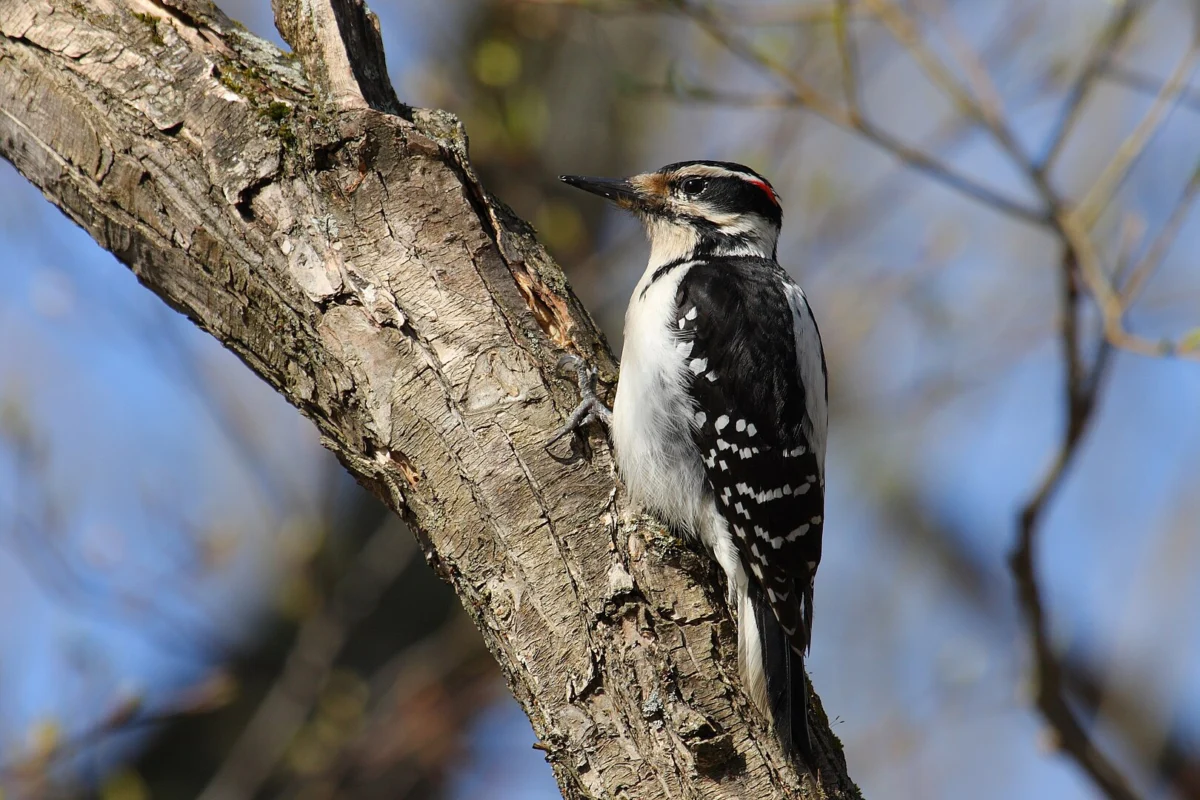
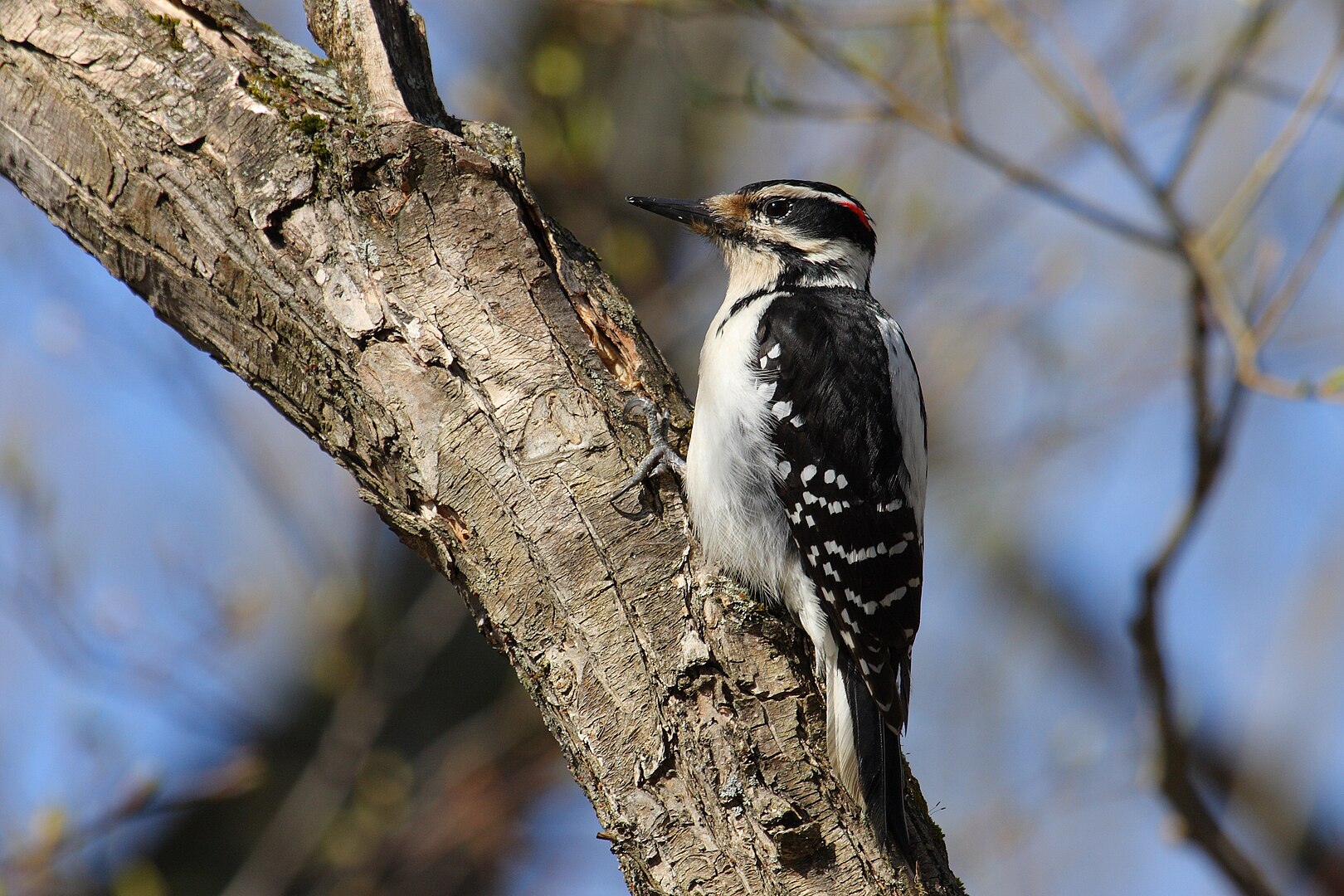
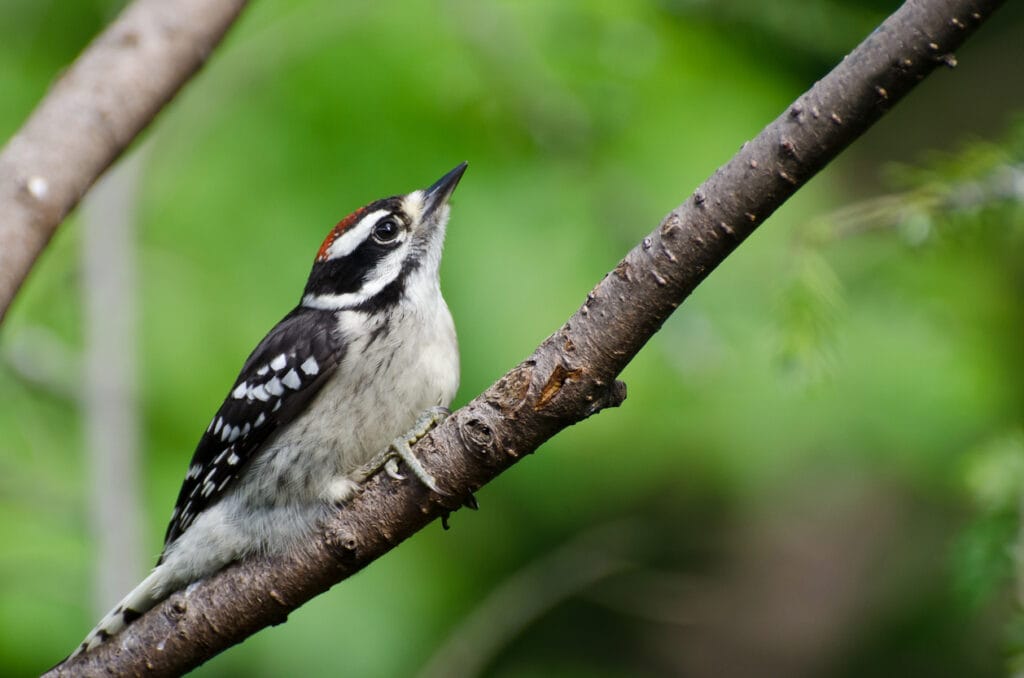
The Downy Woodpecker (Dryobates pubescens) and the Hairy Woodpecker (Leuconotopicus villosus) are frequently confused due to their similar black-and-white patterns. However, they occupy different niches within the forest. The Downy is the smallest woodpecker in North America, with a bill length that is significantly shorter than its head width. Its "downy" name refers to the soft, white patch on its back.
Conversely, the Hairy Woodpecker is larger and features a powerful, chisel-like bill that is roughly equal to the length of its head. While the Downy is highly adaptable and frequently visits backyard suet feeders in suburban Maryland, the Hairy is typically restricted to more mature forests. Differentiation between the two can be achieved by observing their call patterns: the Hairy produces an explosive, sharp whinny, while the Downy emits a higher-pitched, descending rattle.
The Red-Bellied Woodpecker: The Urban Specialist
Despite its name, the Red-Bellied Woodpecker (Melanerpes carolinus) displays very little red on its abdomen; the primary identifier is the red nape on the male and the red cap on the female. This species has shown a remarkable ability to adapt to urban and suburban encroachment. It is currently one of the most common woodpecker species reported in Maryland. Their diet is incredibly varied, including berries, nuts, insects, and even nectar from feeders. Their ability to thrive in proximity to human activity has made them a subject of interest for urban ecologists studying species resilience.
The Northern Flicker: The Ground Forager
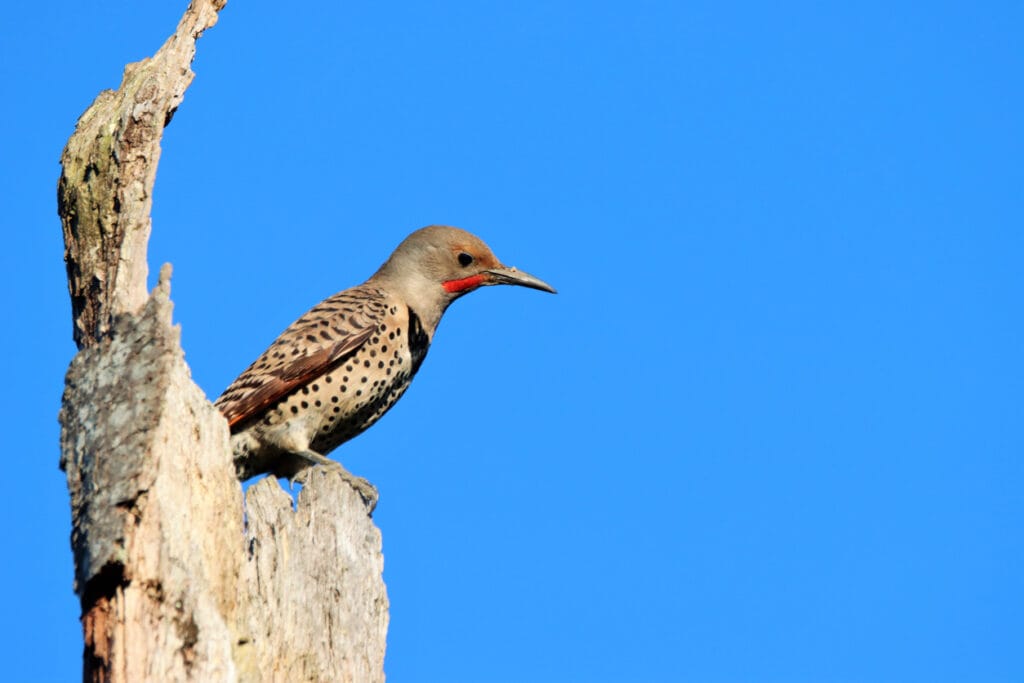
The Northern Flicker (Colaptes auratus) defies many of the typical physical characteristics associated with the Picidae family. While most woodpeckers are strictly arboreal, the Northern Flicker is frequently observed on the ground, probing the soil for ants and beetles. Their plumage is distinct, featuring brownish-gray feathers and, in the eastern populations, a vibrant yellow flash under the wings and tail during flight.
Their vocalizations are equally distinct, characterized by a loud, repetitive "wick-wick-wick" call. Because they utilize open fields and woodland edges, they are commonly found throughout the Maryland landscape year-round. Their reliance on ground foraging makes them particularly sensitive to the use of pesticides in residential lawn care, a fact often highlighted in local agricultural extensions.
The Yellow-Bellied Sapsucker and The Red-Cockaded Woodpecker
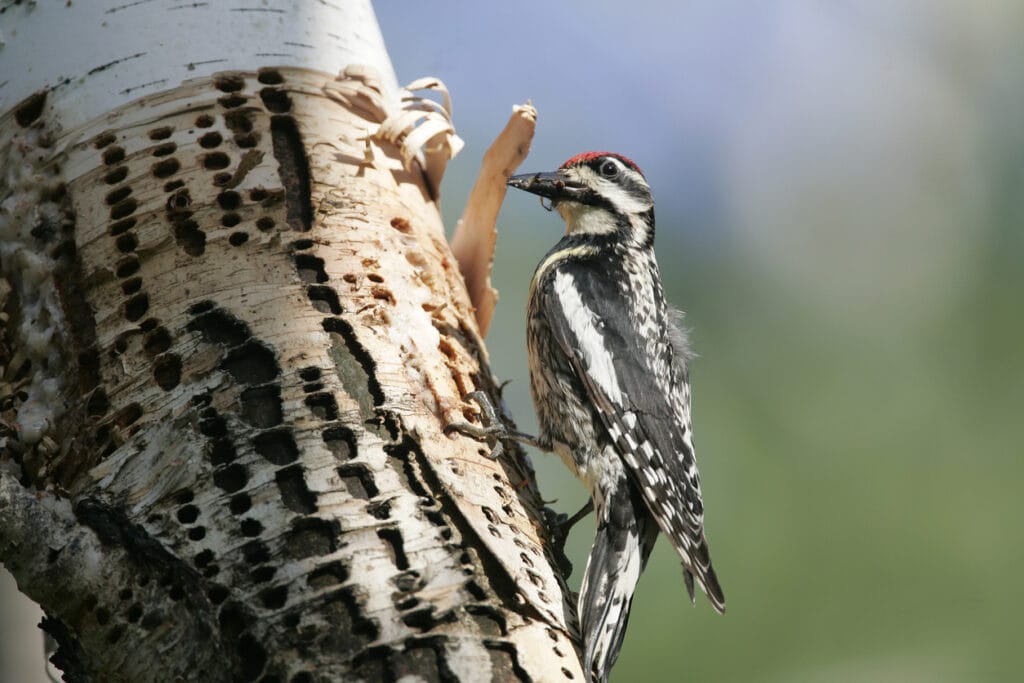
The Yellow-Bellied Sapsucker (Sphyrapicus varius) is a migratory visitor to Maryland, most commonly observed during the winter months. They are defined by their unique foraging style: they drill small, horizontal rows of holes in trees to reach the sap and the insects it attracts. They are highly dependent on tree species like maple and birch to sustain this behavior.

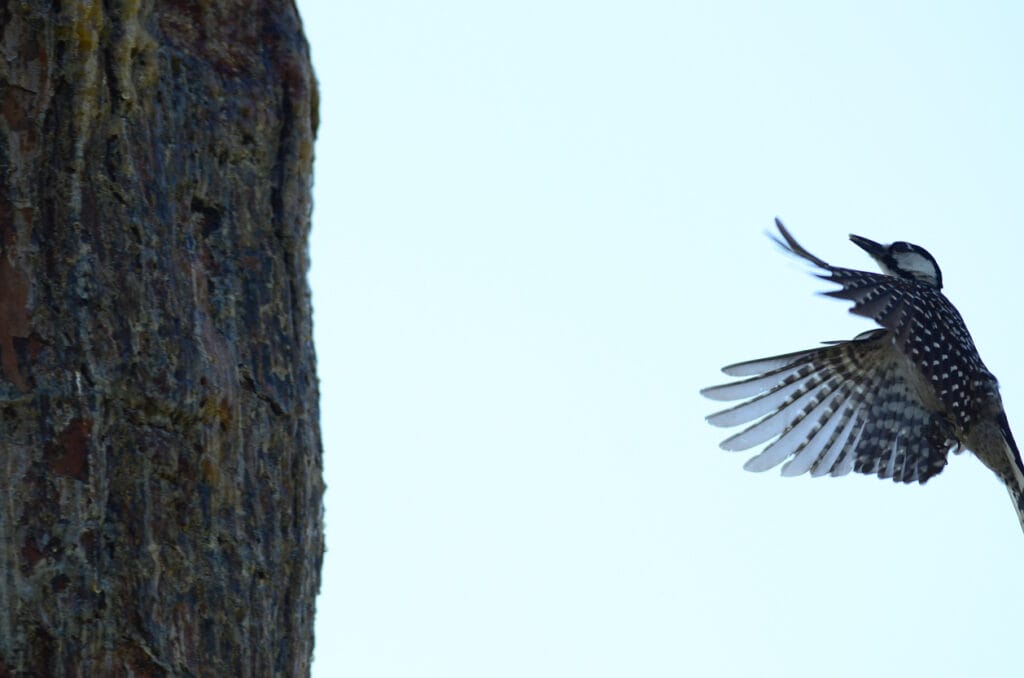
The Red-Cockaded Woodpecker (Dryobates borealis) represents a specialized case in Maryland’s avian landscape. These birds have a symbiotic relationship with Red Heart Fungus, which infects pine trees and softens the heartwood, making it easier for the birds to excavate their nesting cavities. Because they are highly specialized to mature pine ecosystems, they are among the most sensitive species to forest management practices.
Implications for Conservation and Monitoring
The presence of these eight species provides a clear metric for the health of Maryland’s ecosystems. A 2023 report by the Maryland Department of Natural Resources suggests that forest fragmentation remains the primary threat to woodpecker diversity. As urban development continues to expand, the loss of mature, decaying trees limits the nesting sites available to species like the Pileated and Red-Headed Woodpeckers.
To address these concerns, state wildlife agencies have encouraged property owners to maintain "wild corners" in their yards, where dead branches and logs are left undisturbed. Such efforts help bridge the gap between protected state forests and private residential areas, creating corridors that allow these birds to move safely.
For those interested in contributing to scientific data, organizations like the Cornell Lab of Ornithology and their "eBird" platform provide a real-time tracking mechanism. By logging sightings, birders assist researchers in mapping the shifting ranges of these species, particularly as climate change alters the availability of food sources and habitat.
Conclusion
Maryland’s woodpeckers are more than just forest inhabitants; they are integral components of a functioning ecosystem. From the diminutive Downy Woodpecker at a backyard feeder to the impressive, drumming presence of the Pileated Woodpecker in the deep woods, these birds serve as a barometer for environmental health. As the state moves forward, the balance between development and the preservation of critical timber habitats will determine whether these eight species continue to flourish in the years to come. Ensuring the survival of species like the Red-Headed Woodpecker will require ongoing diligence in habitat management, policy-driven conservation, and the continued public interest in the avian life that shares the Maryland landscape.

