


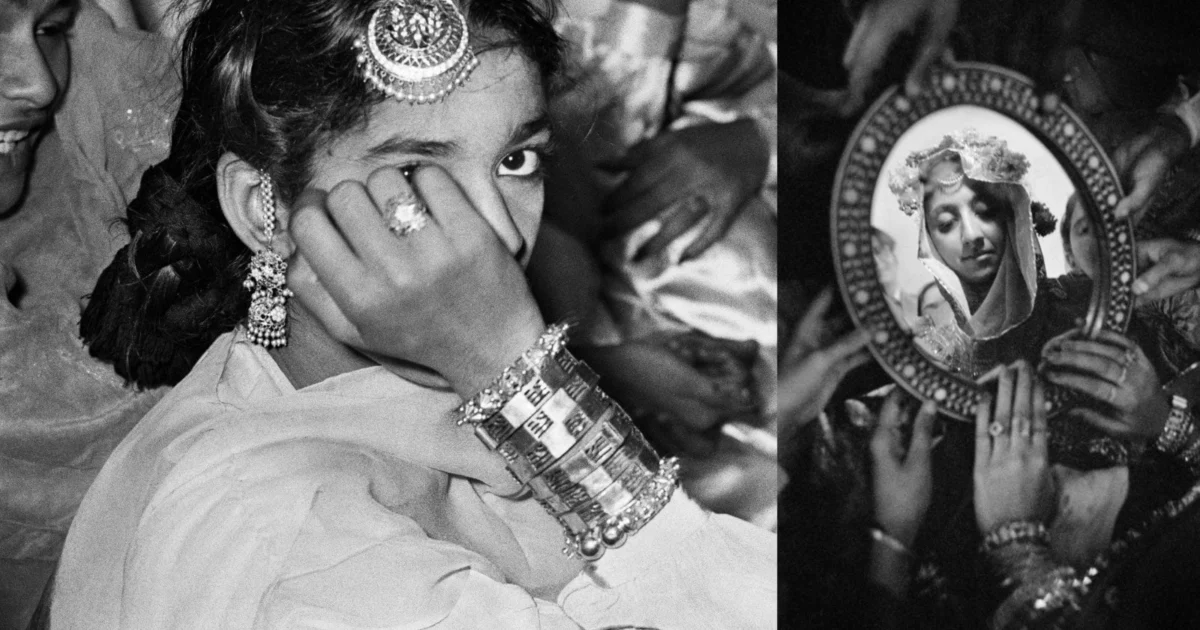
Before Frank Horvat became a titan of the fashion industry, reshaping the aesthetic of high-end magazines with his revolutionary 35mm reportage style, he was a young traveler wandering through the complex, shifting landscapes of post-partition India and Pakistan. A newly released monograph, Frank Horvat. The Birth of a Photographer / La naissance d’un regard, published by Kehrer Verlag, serves as an essential archive of this transitional era. By curating approximately 100 black-and-white photographs from his 1952 and 1962 expeditions, the book provides a rare, scholarly look at how the photographer’s visual language was forged in the heat of South Asian streets long before he turned his lens toward the ateliers of Paris.
The Genesis of a Photographic Vision
Born in 1928 in Abbazia, Italy (now Opatija, Croatia), Horvat spent his early years as a Hungarian Jewish refugee, a displacement that inherently sharpened his sensitivity to the human condition. His fascination with India began during World War II, when he encountered Indian soldiers stationed in Switzerland. This early curiosity evolved into a professional mission in 1952 when, at age 25, he embarked on a two-year journey through the subcontinent.
This trip was not merely a travelogue but a rigorous exercise in observation. Carrying a 35mm camera—a tool then considered unconventional for serious art or fashion work—Horvat practiced the "decisive moment" philosophy with a raw, gritty intimacy. The resulting images captured the texture of life in Karachi, Lahore, and Delhi, ranging from the frantic energy of bazaars to the quiet, meditative moments of prayer and domestic labor. It was during this period that Horvat famously observed that his experiences in South Asia represented the "true starting point" of his journey as a photographer, noting that the images captured during these years possessed a weight that transcended their subjects.
A Chronology of Artistic Evolution
The trajectory of Horvat’s career can be categorized into several distinct phases, each deeply influenced by his early field work:
- 1940s: Early Influences: Following his wartime displacement, Horvat began experimenting with photography, developing an eye for the interplay between light, shadow, and social narrative.
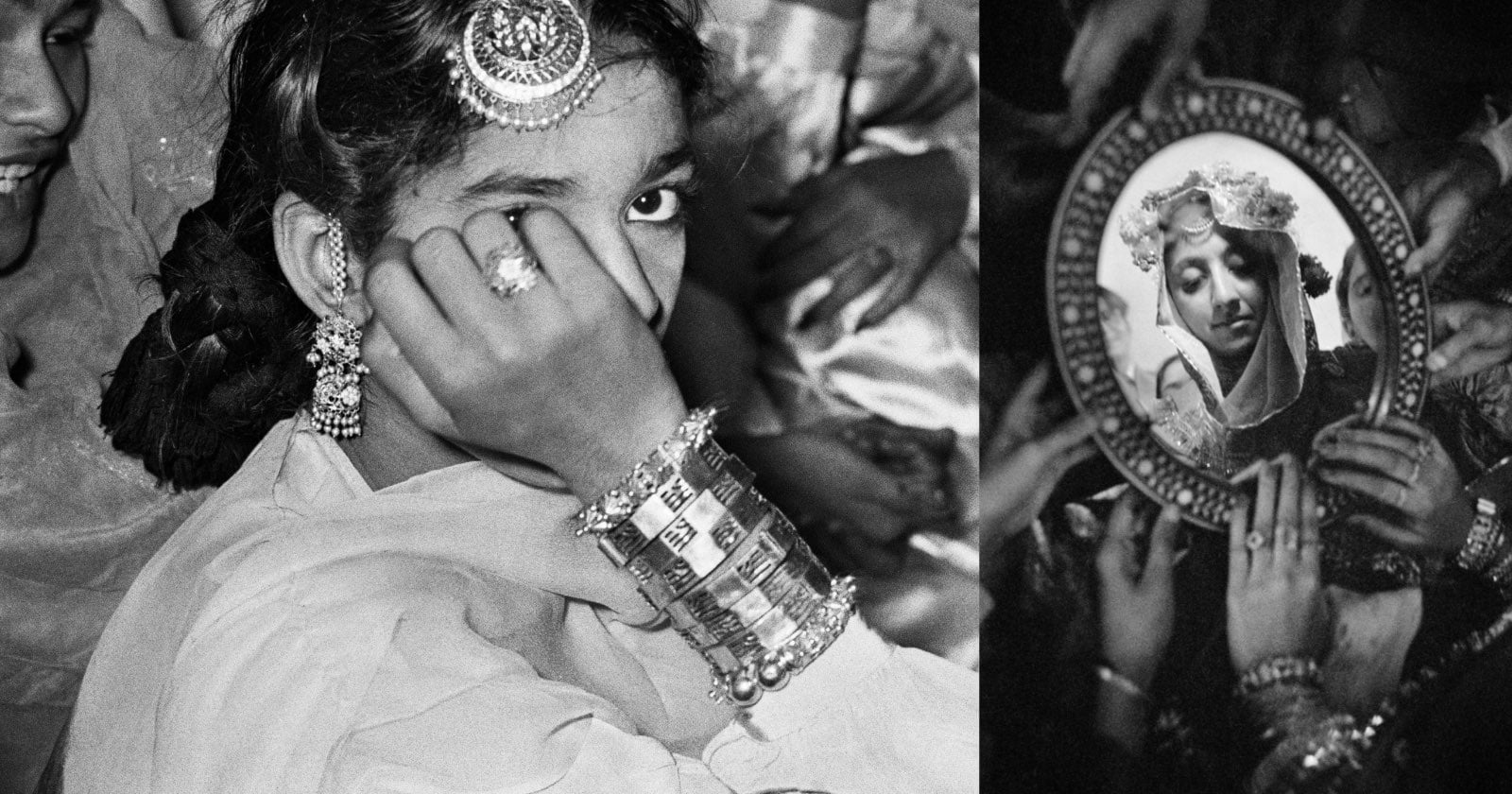
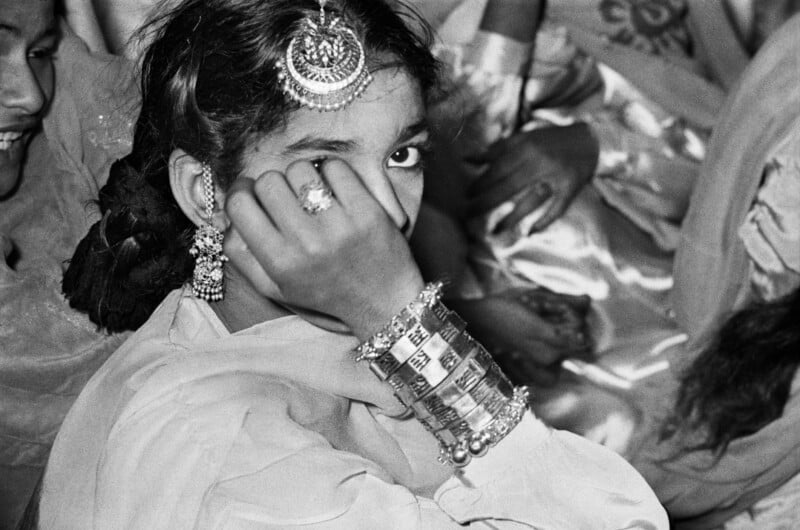
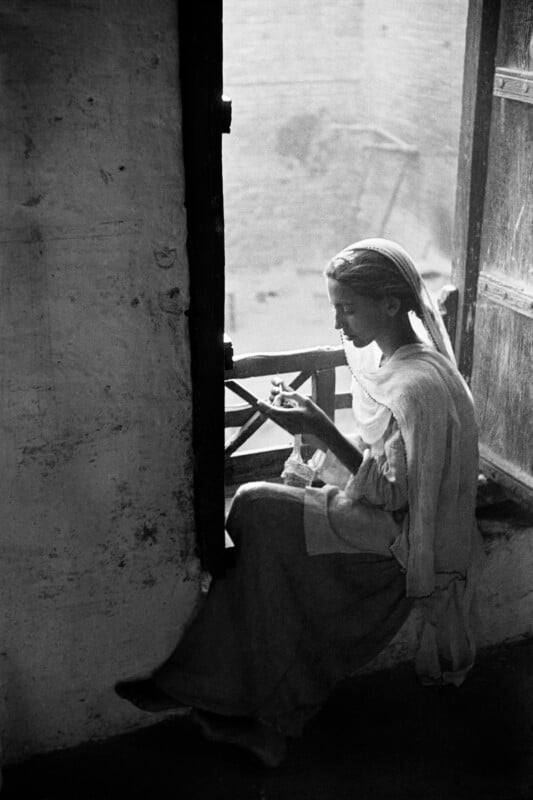
- 1952–1954: The South Asian Expedition: Horvat spent two years traversing India and Pakistan. This period resulted in a portfolio of work that would eventually gain international acclaim, including the selection of his portrait of a Pakistani bride for Edward Steichen’s seminal 1955 MoMA exhibition, The Family of Man.
- 1955–1980s: The Fashion Pioneer: Horvat moved to Paris and revolutionized fashion photography by bringing the candid, spontaneous energy of street photography into the studio and onto the runway. He became a fixture in publications like Harper’s Bazaar and Vogue.
- 1962: A Return to Roots: Returning to India a decade after his first trip, Horvat revisited the themes of his youth, documenting the changing landscape with a more mature, refined perspective.
- 1970s–2020: Technical Experimentation: Moving beyond traditional film, Horvat embraced the transition to color, digital imaging, and early Photoshop techniques, remaining a relevant figure in contemporary art until his death in 2020 at the age of 92.
Analysis of the Photographic Technique
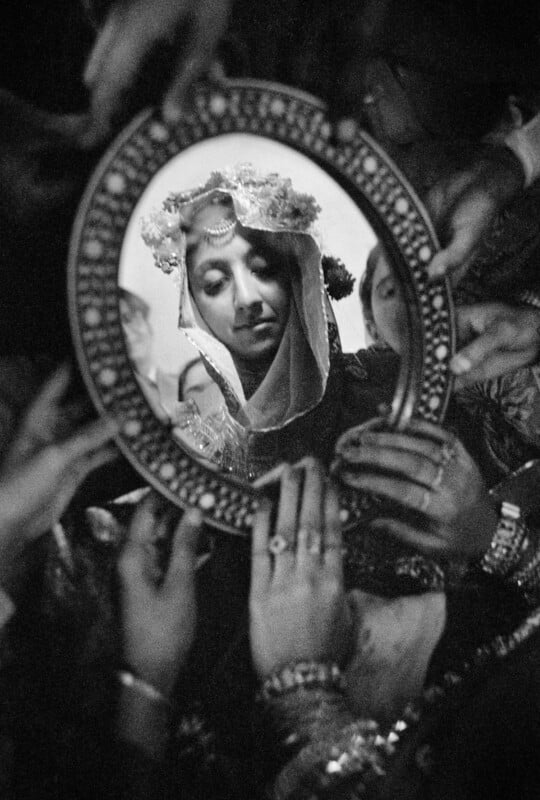
The significance of Horvat’s 1952–1962 work lies in his departure from the static, posed portraits that dominated the era. By utilizing the portability of the 35mm camera, Horvat was able to integrate himself into the environment. His work in the red-light districts of Lahore or the crowded alleys of Calcutta reveals a practitioner who prioritized human vulnerability over technical perfection.
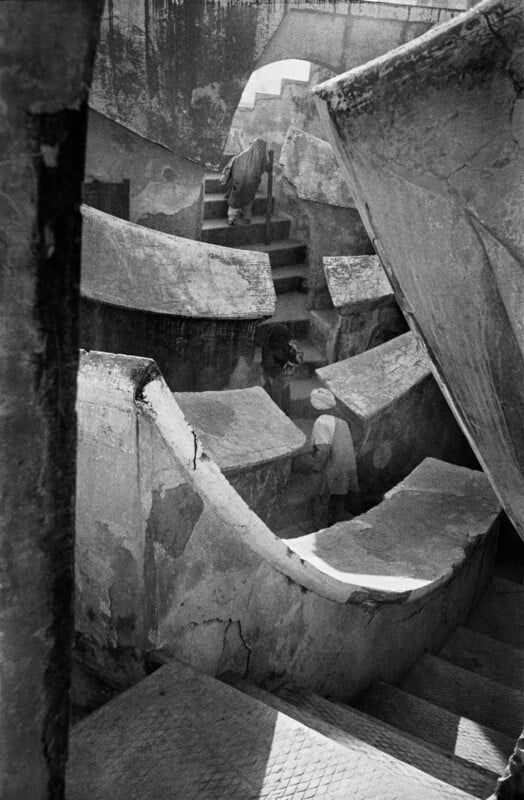
In images such as his study of the Jantar Mantar in New Delhi, Horvat demonstrates an architectural eye, framing human figures against the stark, geometric lines of historical stone structures. This ability to synthesize human scale with monumental environments would later become a hallmark of his fashion photography, where he treated city streets as theatrical sets. His work bridges the gap between the documentary traditions of Magnum Photos—of which he was briefly a member—and the stylized, aspirational world of haute couture.
The Significance of The Family of Man
The inclusion of Horvat’s 1952 Pakistani bride photograph in the 1955 MoMA exhibition, The Family of Man, serves as the primary historical validation of his early work. Curated by Edward Steichen, the exhibition remains the most visited photography exhibition in history and aimed to capture the universality of human experience. For a 27-year-old Horvat, this endorsement confirmed that his instinct to look for the "universal" in the "local" was a valid and powerful photographic approach. The image itself, characterized by deep contrast and a focus on traditional jewelry and facial expression, highlights a respect for cultural detail that was often missing in Western depictions of South Asia at the time.
Broader Implications for Photographic History
The publication of this new collection by Kehrer Verlag is not merely a nostalgic exercise; it is an act of historical reclamation. In an era dominated by digital saturation, these black-and-white prints serve as a reminder of the patience required in analog photography.
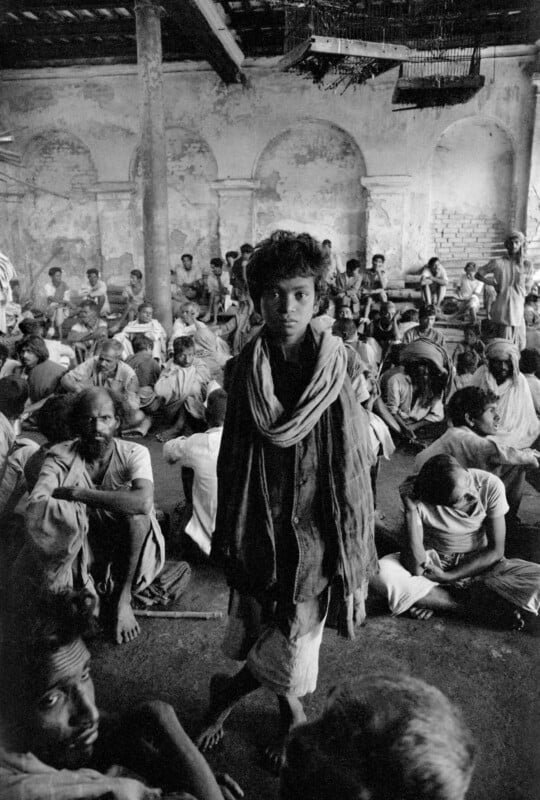
The book’s release allows scholars and enthusiasts to trace the lineage of modern street photography back to these formative moments. By documenting the rituals of daily life—a man holding a seashell to his face in Bombay, or the assembly of beggars in Calcutta—Horvat provided a visual anthropology of the region during a period of intense post-colonial transition. His refusal to romanticize poverty or exoticize tradition distinguishes these images from the colonial-era photography that preceded his generation.
Official Perspectives and Legacy
The Frank Horvat Studio, which manages the artist’s vast archives, has emphasized that the release of these images is intended to correct the narrative that Horvat was exclusively a "fashion photographer." By showcasing his work in India and Pakistan, the studio highlights a career defined by diversity—encompassing photojournalism, portraiture, landscapes, and sculpture.
Industry experts have noted that Horvat’s legacy is defined by his adaptability. Throughout his life, he transitioned from the heavy, mechanical cameras of the 1950s to the digital medium with ease. His work serves as a case study for photographers on the importance of maintaining a "beginner’s mind." Even as a celebrated master, he continued to experiment with new technologies, often stating that a camera was merely an instrument, whereas the "regard"—the way of looking—was the true essence of the craft.
Conclusion
Frank Horvat. The Birth of a Photographer / La naissance d’un regard provides a comprehensive lens through which to view the early life of one of the 20th century’s most versatile artists. By juxtaposing his early, unvarnished field work with the later, polished sensibilities that made him a household name in fashion, the collection creates a dialogue between the observer and the observed.
As we look back on his career, it is clear that his journey through India and Pakistan provided the foundational ethics of his work: an unwavering curiosity, a commitment to capturing the truth of the moment, and an artistic courage that allowed him to redefine the boundaries of his medium. Whether in the high-fashion magazines of Paris or the dusty, crowded lanes of 1950s Lahore, Horvat remained the same: a tireless seeker of the human story. This new monograph is an essential acquisition for those interested in the history of photography, the evolution of the 35mm format, and the enduring power of the image to bridge cultural divides.

