


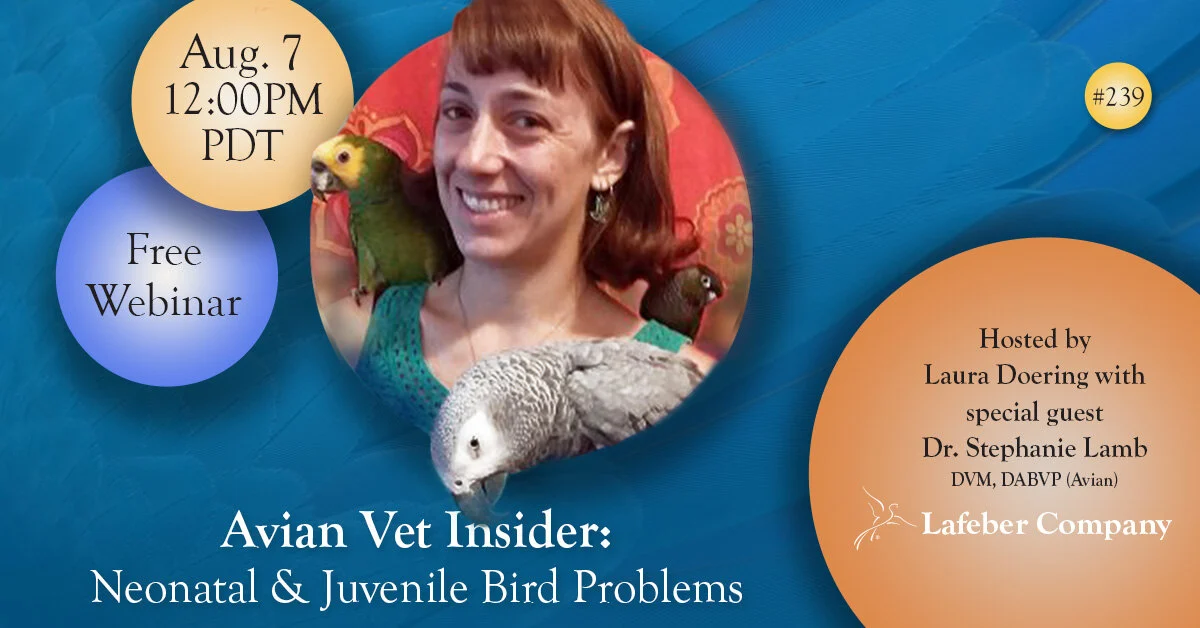
The transition from a vulnerable hatchling to a self-sufficient juvenile is perhaps the most critical phase in the avian lifecycle, characterized by rapid physiological development and heightened susceptibility to environmental stressors. On Friday, August 7, 2026, at 12:00 p.m. PDT, Dr. Lamb will host a comprehensive webinar titled Neonatal & Juvenile Bird Problems. This educational session is designed to equip avian caregivers, veterinary professionals, and enthusiasts with the essential knowledge required to identify, manage, and prevent health complications that frequently arise during these formative months.
Understanding the Avian Developmental Timeline
The growth trajectory of a neonatal bird is marked by extraordinary metabolic demands. From the moment of pipping—the process by which a chick breaks through its shell—to the attainment of fledgling status, the bird undergoes significant skeletal, muscular, and neurological maturation.
In the immediate post-hatch period, the immune system is largely undeveloped, leaving the hatchling dependent on maternal antibodies transferred through the yolk sac. As the bird transitions into the juvenile stage, it begins to develop its own active immunity while simultaneously learning to navigate its environment, regulate its body temperature, and transition from parental feeding to independent foraging. This period, often lasting from a few weeks to several months depending on the species, is a high-risk window where nutritional deficiencies, infectious pathogens, or improper husbandry can lead to irreversible developmental delays or chronic health conditions.
Common Developmental and Health Challenges
Dr. Lamb’s presentation will focus on the clinical realities of avian pediatrics. Data from avian health organizations suggest that the highest mortality rates in captive-bred birds occur within the first 60 days of life. Common complications that will be addressed in the webinar include:
- Metabolic Bone Disease: Often caused by improper calcium-phosphorus ratios in the diet, this condition can lead to skeletal deformities that impact a bird’s ability to perch, fly, or walk properly.
- Nutritional Deficiencies: Young birds require specific protein-to-fat ratios to fuel their rapid growth. Deficiencies in essential amino acids or vitamins, such as Vitamin A or D3, are frequently cited as primary contributors to developmental failure.
- Infectious Pathogens: Due to their nascent immune systems, juveniles are highly susceptible to avian polyomavirus, psittacine beak and feather disease (PBFD), and various fungal or bacterial infections that can be exacerbated by stress or poor hygiene.
- Behavioral Imprinting and Socialization: Beyond physical health, the juvenile period is critical for cognitive development. Issues related to improper weaning or social isolation during this time can result in long-term behavioral problems, including feather plucking, aggression, or chronic anxiety.
Contextualizing Avian Pediatric Care
The importance of this webinar lies in the shift toward preventative medicine in avian husbandry. Historically, many of the issues seen in young birds were addressed only after symptoms became severe. Modern veterinary practice, however, emphasizes early detection through weight monitoring, crop analysis, and regular hematological screening.
By analyzing the developmental milestones of various species, Dr. Lamb aims to provide attendees with a standardized framework for monitoring health. For instance, documenting the rate of weight gain is one of the most effective ways to spot early signs of infection or malnourishment. When a juvenile bird deviates from its projected growth curve, it often acts as a leading indicator of an underlying health issue long before clinical signs—such as lethargy or appetite loss—become visible to the casual observer.
Implications for Long-Term Wellness
The impact of early-life care on a bird’s lifespan cannot be overstated. A bird that suffers from chronic illness or poor nutrition during its juvenile phase may exhibit a compromised immune system well into its adulthood. Furthermore, chronic developmental stress can lead to permanent changes in the bird’s hypothalamic-pituitary-adrenal (HPA) axis, potentially rendering it more susceptible to stress-induced disease later in life.
The webinar serves as a critical resource for those who recognize that the quality of care provided in the first year of life dictates the quality of life for the next several decades. For many species of parrots, which can live for 50 years or more, the formative months are a foundational investment in their future longevity.
Official Perspectives and Educational Objectives
While the specific clinical insights will be unveiled during the live session, the move to host this webinar reflects a broader industry trend toward disseminating specialized veterinary knowledge to the public. As avian medicine advances, the gap between specialized clinical knowledge and home-based care remains a challenge. Experts like Dr. Lamb provide a bridge by simplifying complex physiological processes without compromising on scientific accuracy.
The objective of this session is not to replace the need for professional veterinary intervention but to empower owners with the observational skills necessary to seek help at the earliest possible juncture. Attendees will be guided through a series of case studies that highlight the successful management of common juvenile pathologies, offering a practical, evidence-based approach to problem-solving.
Logistics and Participation
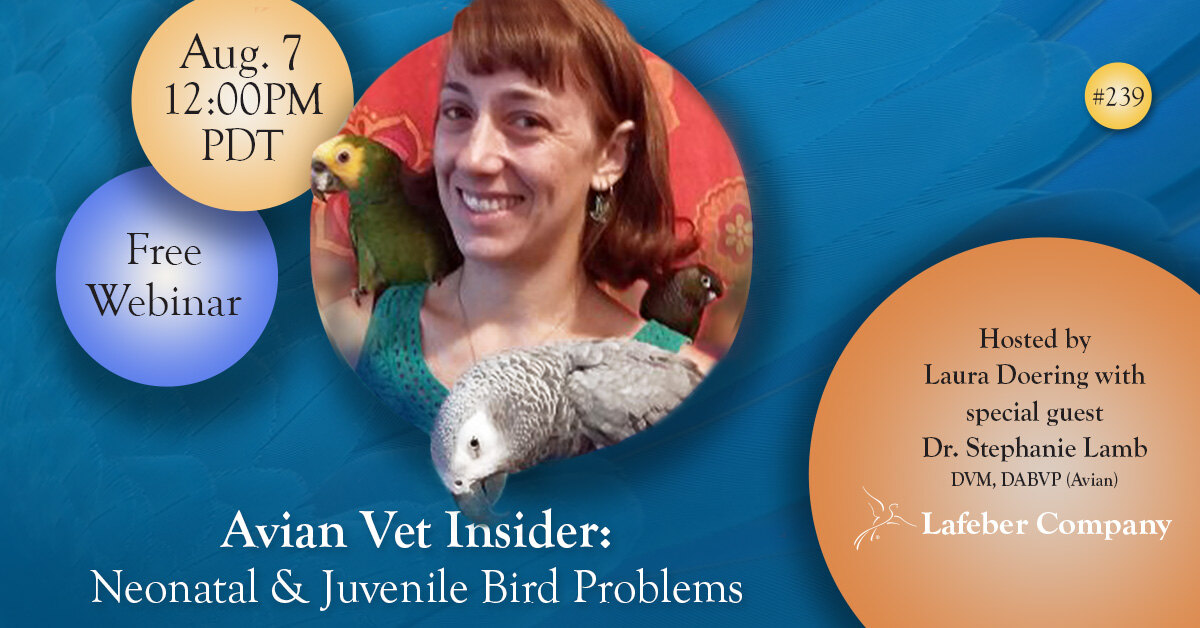
The event is scheduled for Friday, August 7, 2026. Participants are encouraged to verify their local start time using an online time zone converter, as the 12:00 p.m. PDT start time will vary globally. Registration is currently open via the official webinar portal. Given the technical nature of the subject matter, the presentation will include a Q&A session, allowing attendees to address specific concerns regarding the developmental stages of the species in their care.
The content provided by Dr. Lamb is expected to be of particular interest to breeders, avian rescue workers, and dedicated pet owners who strive to meet the complex nutritional and environmental requirements of young birds. By focusing on the intersection of biology, environment, and nutrition, the webinar promises to be a comprehensive guide for navigating the challenges inherent in raising healthy, resilient avian companions.
Looking Ahead: The Future of Avian Health
As our understanding of avian endocrinology and nutritional requirements continues to evolve, the ability to provide precise, age-appropriate care will only increase in importance. The upcoming webinar is a testament to the ongoing professional development required in the field of ornithology and companion animal welfare.
By prioritizing the early weeks of a bird’s life, we can effectively mitigate risks that would otherwise compromise their potential. As more caregivers adopt proactive health monitoring and informed nutritional strategies, the collective well-being of the captive bird population is expected to improve. This webinar represents a significant step in that direction, ensuring that those responsible for the care of these sensitive creatures have access to the most current and authoritative research available.
Summary of Key Takeaways
For those planning to attend, it is recommended to prepare questions regarding specific species-related developmental milestones. The webinar will synthesize broad biological principles with actionable advice, making it an essential event for anyone invested in the health and future of avian species. Whether dealing with a rescue hatchling or a bird purchased from a breeder, the principles of developmental health remain universal: early detection, optimal nutrition, and a profound respect for the physiological transformations that define the juvenile experience.
The session on August 7, 2026, serves as a focal point for this essential dialogue, offering a rare opportunity to gain insight from an expert in the field. Through this initiative, the goal is to reduce the incidence of preventable health crises and promote a higher standard of care that reflects the complexities and needs of developing birds. Registration remains available, and early sign-up is encouraged for those who wish to ensure their participation in this pivotal discussion on neonatal and juvenile avian health.

