


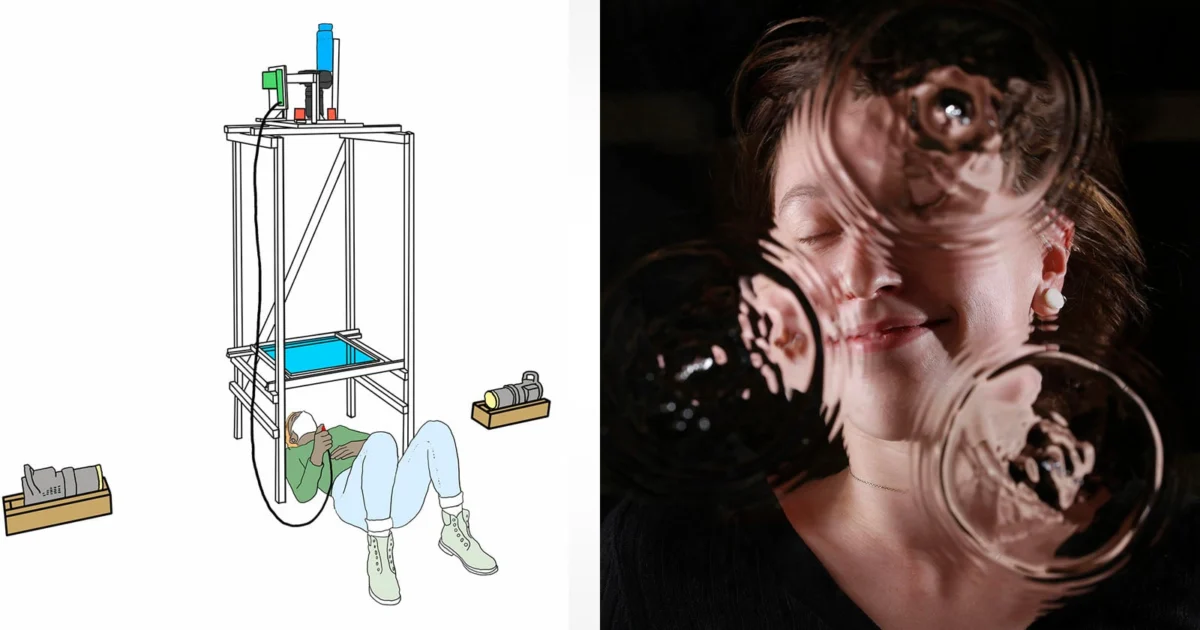
The intersection of high-speed fluid dynamics and traditional portraiture has long remained an untapped frontier for creative photographers seeking to push the boundaries of visual distortion and organic abstraction. By integrating the precision of water-drop photography with the emotive power of the human face, a new methodology has emerged that transforms a simple tray of water into a sophisticated optical lens. This technique, which involves photographing a subject through a shallow, rippling body of water, offers a departure from digital post-processing, providing a tactile, physical method for achieving surrealist imagery. The process relies on a combination of custom-built hardware, precise electronic timing, and a collaborative environment where the subject often takes control of the creative trigger.
The Engineering of the Aqueous Lens
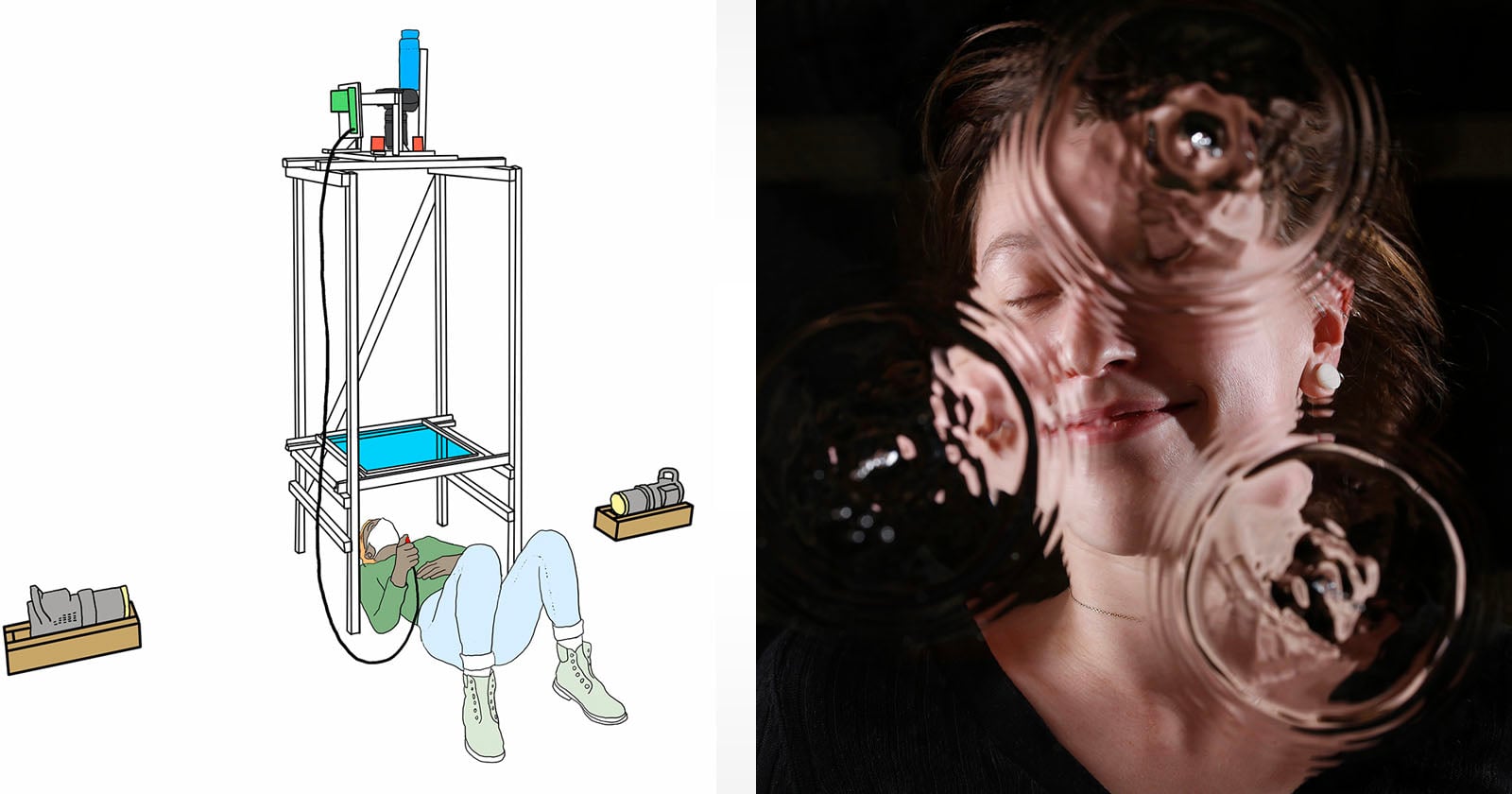
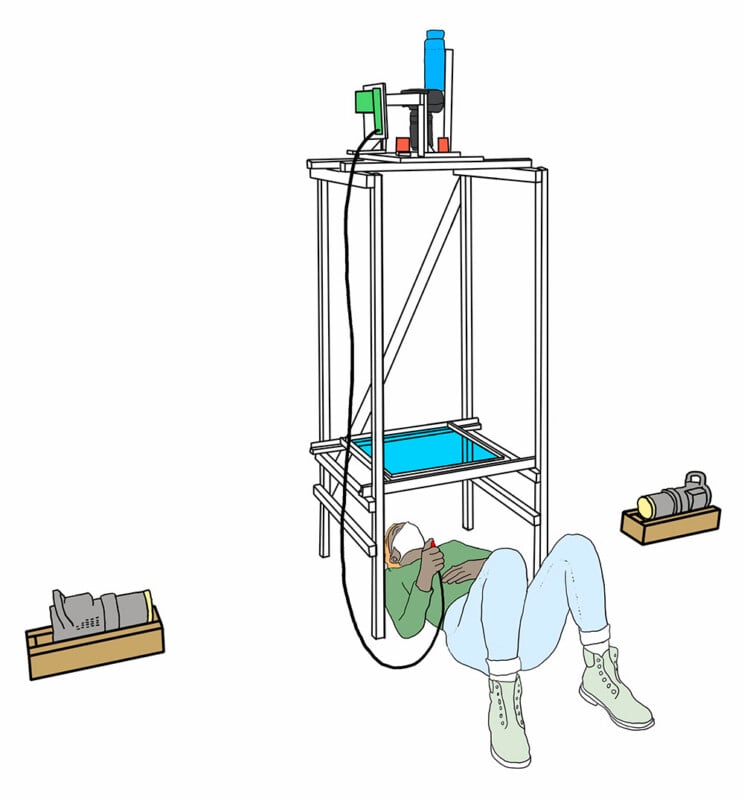
At the heart of this photographic innovation is a specialized, transparent water tank designed to be suspended safely above the subject. The construction of this tank is a study in practical DIY engineering. Utilizing a standard aluminum picture frame as a chassis, a sheet of high-clarity glass is secured using RTV (Room Temperature Vulcanizing) aquarium adhesive. This specific adhesive is chosen for its waterproof properties and its ability to bond glass to metal under the slight pressure of a water load.
The tank is designed to hold a water depth of approximately one centimeter. This shallow depth is critical for two reasons: it minimizes the weight and subsequent pressure on the glass and adhesive, and it ensures that light transmission remains high, preventing the water from acting as a heavy neutral density filter. Safety is a paramount concern in this configuration, as the model must lie directly beneath the apparatus. To mitigate risk, the completed frame is mounted onto a reinforced wooden support system, engineered to provide absolute stability and prevent any possibility of the tank shifting or falling during a session.
Technical Specifications of the Drip System
To achieve the concentric, overlapping circles characteristic of professional water-drop photography, the setup utilizes a sophisticated electronic triggering system. This system features three independent drip valves, each controlled by a programmable microcontroller. This level of control allows the photographer or the model to dictate the complexity of the ripple patterns.
The valves are capable of several modes of operation:
- Independent Drip: A single valve releases a drop to create a clean, singular ripple.
- Sequenced Drip: Multiple valves fire in a timed sequence, creating interference patterns as the ripples collide.
- Multi-Drop: A single valve releases two or more drops in rapid succession, allowing the second drop to strike the "rebound" or "crown" of the first, though in portraiture, the focus remains on the surface ripples rather than the vertical splash.
The timing of the photograph is managed through a programmable delay. Once the drip system is triggered, the electronics wait for a precise number of milliseconds—allowing the drop to travel from the valve to the water surface—before firing the camera shutter and the external flashes. By adjusting this delay by as little as five milliseconds, the photographer can capture the evolution of the ripple from the initial point of impact to a wide, frame-filling distortion.
Lighting and Motion Capture
In the execution of these portraits, lighting plays a dual role: illuminating the subject and defining the texture of the water. In the primary configuration, two Profoto flash units are positioned on the floor, angled upward toward the model. This bottom-lighting approach ensures that the model’s features are clearly visible through the glass while the light catches the peaks and troughs of the water ripples, creating highlights and shadows that define the liquid’s movement.
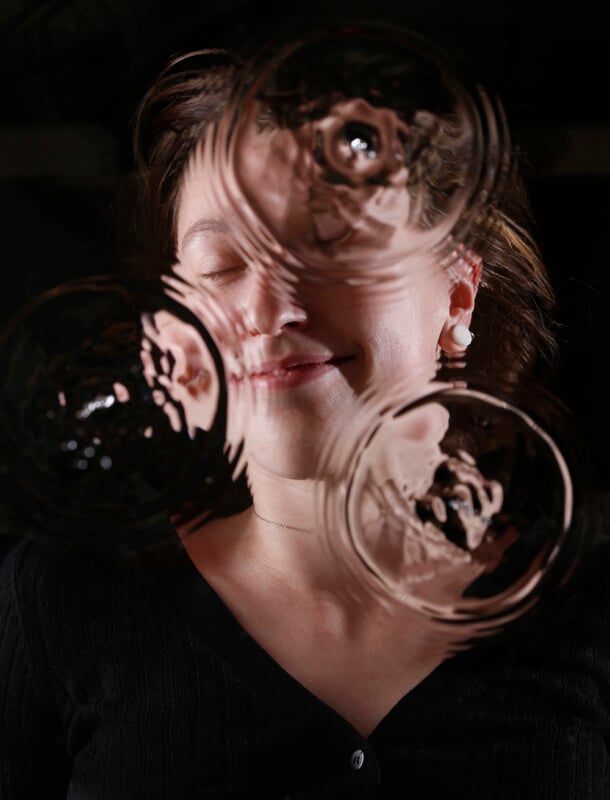
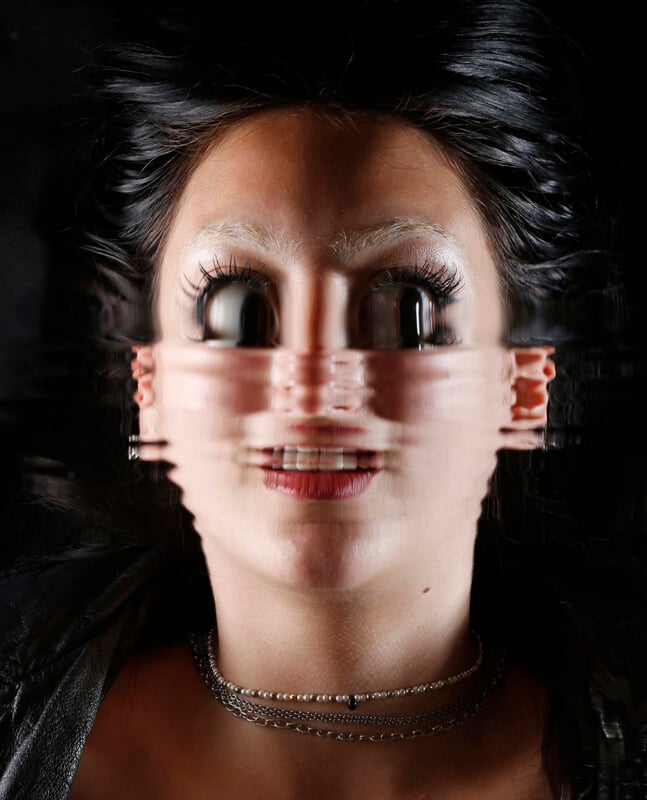
Because the velocity of a water ripple is relatively slow compared to a high-speed bullet or a shattering glass, the requirements for flash duration are less stringent than in other forms of high-speed photography. Standard electronic flashes are generally sufficient to freeze the motion of the ripples. Furthermore, because the light is directed through the water and toward the camera, the water acts as a dynamic prism, refracting the light and the subject’s features simultaneously. This creates a "liquified" effect that is entirely organic and impossible to replicate perfectly with software.
The Evolution of the Experimental Workflow
The project originated in an academic setting, evolving from standard water-drop macro experiments conducted by students. The transition from photographing drops against a plain background to using them as a filter for portraiture represented a significant shift in conceptualizing "the lens." During early trials, it was noted that students and models became deeply engaged with the process when the control was handed over to the subject.
By allowing the model to trigger the water-drop system themselves, the session transforms into a form of high-tech "selfie" or self-portraiture. Data collected from these sessions indicated a high level of productivity; in a single session, a fascinated student could capture upwards of 500 images, each with a unique ripple configuration. This iterative process allows for the fine-tuning of facial expressions in relation to the moving water, as the model learns to anticipate the timing of the drip and the flash.
Simplified Methods and Manual Ripples
While the electronic drip system offers precision and repeatability, a secondary, more accessible method was discovered during the experimental phase. This "manual ripple" technique eliminates the need for solenoid valves and microcontrollers. Instead of falling drops, the photographer or an assistant gently lifts one edge of the water tray and releases it, or taps the side of the frame, allowing a wave or series of ripples to travel across the surface.
This manual approach relies on the photographer’s reflexes and the "burst mode" of the camera. While it lacks the mathematical precision of the timed system, it often produces broader, more sweeping distortions that can be aesthetically superior for certain styles of portraiture. It highlights the project’s versatility: it can be a high-tech exercise in electronic timing or a low-tech exploration of physical optics.
Chronology of Development
The development of the ripple portrait technique followed a clear trajectory of increasing complexity followed by a refinement of simplicity:
- Phase 1: Macro Foundations. Initial experiments focused on the physics of the "Worthington Jet" and the "Crown Splash," utilizing DIY double-water drip systems.
- Phase 2: Integration. The realization that the water surface could serve as a distorting medium for larger subjects led to the construction of the first glass-bottomed tank.
- Phase 3: Automation. Integration of multi-valve systems allowed for complex interference patterns, mimicking the aesthetics of pebble-strewn ponds.
- Phase 4: Subject Agency. The workflow was modified to allow models to trigger the system, leading to a surge in creative output and student engagement.
- Phase 5: Simplification. The discovery that manual tray movement could yield similar high-quality results without specialized electronics, making the project viable for a wider range of photographers.
Analysis of Visual Implications
The visual result of this technique is a hybrid of realism and impressionism. The water ripples act as a variable-focus lens, stretching and compressing the model’s features in real-time. This creates a sense of fluid identity, where the subject appears to be merging with the element of water.
From a technical standpoint, the refraction of light through the curved surface of the ripple follows Snell’s Law, where the angle of the water’s surface dictates the displacement of the image below. Because the ripples are constantly moving, the "lens" is effectively changing its shape and focal properties every millisecond. This ensures that no two portraits are ever identical, providing a level of exclusivity to every frame captured.
Broader Impact on Photographic Education
Beyond the creation of striking imagery, the ripple portrait project serves as a significant pedagogical tool. It introduces students to several core concepts of both physics and photography:
- Fluid Dynamics: Understanding how waves move, reflect off the edges of a container, and interfere with one another.
- Electronics and Timing: The practical application of microcontrollers and solenoid valves in a creative context.
- Safety and Rigging: The importance of secure construction when working with glass and water over a human subject.
- Creative Experimentation: Encouraging a "what if" mindset that leads to the development of unique visual signatures.
The project demonstrates that high-quality, professional results do not always require expensive, off-the-shelf solutions. By repurposing common materials like picture frames and aquarium adhesive, photographers can build specialized tools that offer creative possibilities far beyond the capabilities of standard equipment.
Conclusion
The ripple portrait project is a testament to the power of experimental photography. By combining the calculated precision of high-speed electronics with the unpredictable beauty of moving water, it offers a unique way to view the human form. Whether through the use of complex triple-valve drip systems or the simple manual agitation of a water tray, the technique provides a gateway into a world of organic distortion. It challenges photographers to look through the medium rather than just at the subject, ultimately resulting in portraits that are as much about the physics of the environment as they are about the person within it. As digital tools continue to dominate the industry, such physical, "in-camera" techniques remain vital for photographers seeking to maintain a tangible connection to the art of light and motion.

