


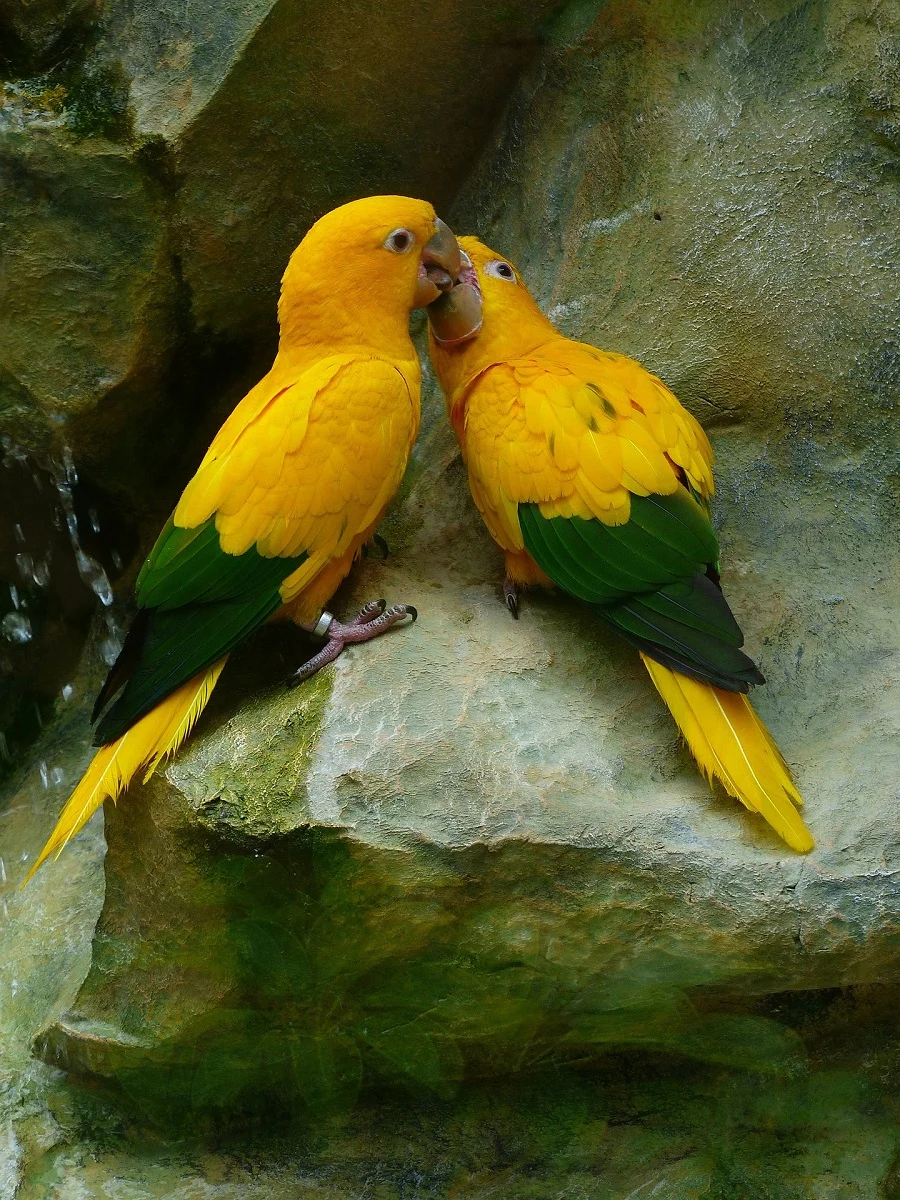
The golden conure, scientifically classified as Guaruba guarouba and historically referred to as the Queen of Bavaria conure, stands as one of the most visually striking and unique members of the global parrot family. Recognized for its intensely vibrant, uniform yellow plumage contrasted against dark green wing tips, this medium-sized Neotropical bird has captured the attention of ornithologists, conservationists, and aviculturists alike. Native exclusively to the Amazon Basin of Brazil, the species occupies a distinct ecological and taxonomic niche that separates it from standard conures. As habitat fragmentation and environmental pressures continue to threaten its wild populations, understanding the biological characteristics, captive husbandry requirements, and conservation status of the golden conure has become increasingly critical for wildlife authorities and exotic bird caretakers.
Taxonomic Evolution and Scientific Classification
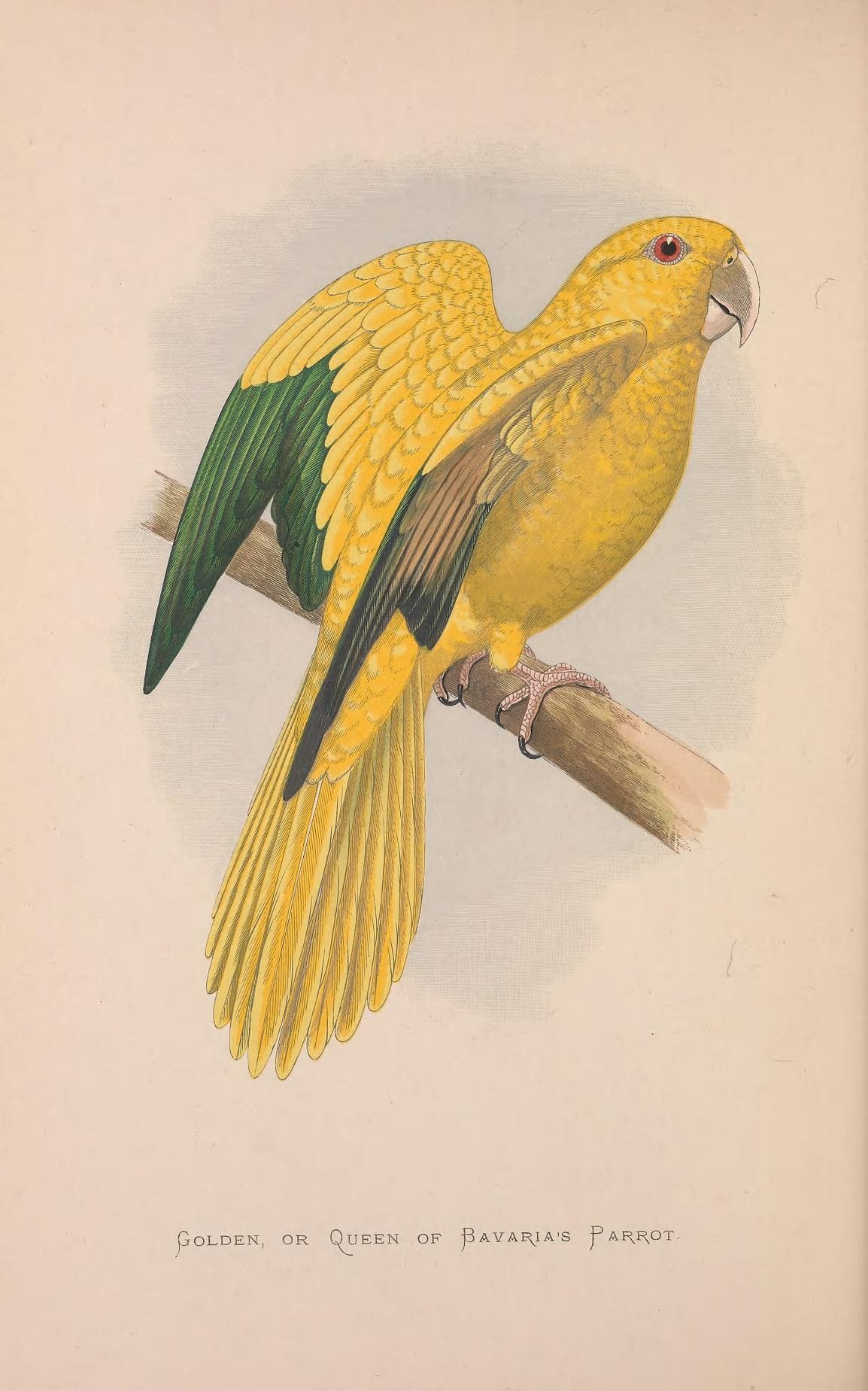
The classification of the golden conure has undergone significant revision over the past two centuries, reflecting broader shifts in avian taxonomy and genetic research. Historically, ornithologists struggled to accurately place the species within a definitive genus, assigning it sequentially to Conurus, Eupsittula, and Aratinga. For decades, its physical traits and behavioral patterns led researchers to group it alongside other common conure species.
However, modern phylogenetic studies have fundamentally reshaped this understanding. In 2006, prominent ornithologist Joseph Forshaw formally recognized the species under the monotypic genus Guaruba in his comprehensive reference work, Parrots of the World. Subsequent DNA analyses published in systematic biology journals confirmed that Guaruba guarouba is genetically distinct from the Aratinga genus. Genetic mapping indicates that the golden conure shares a closer evolutionary lineage with the red-shouldered macaws of the genus Diopsittaca than with traditional conures. This taxonomic separation underscores the bird’s unique evolutionary trajectory within the Neotropical parrot family.
Natural Habitat and Geographic Distribution
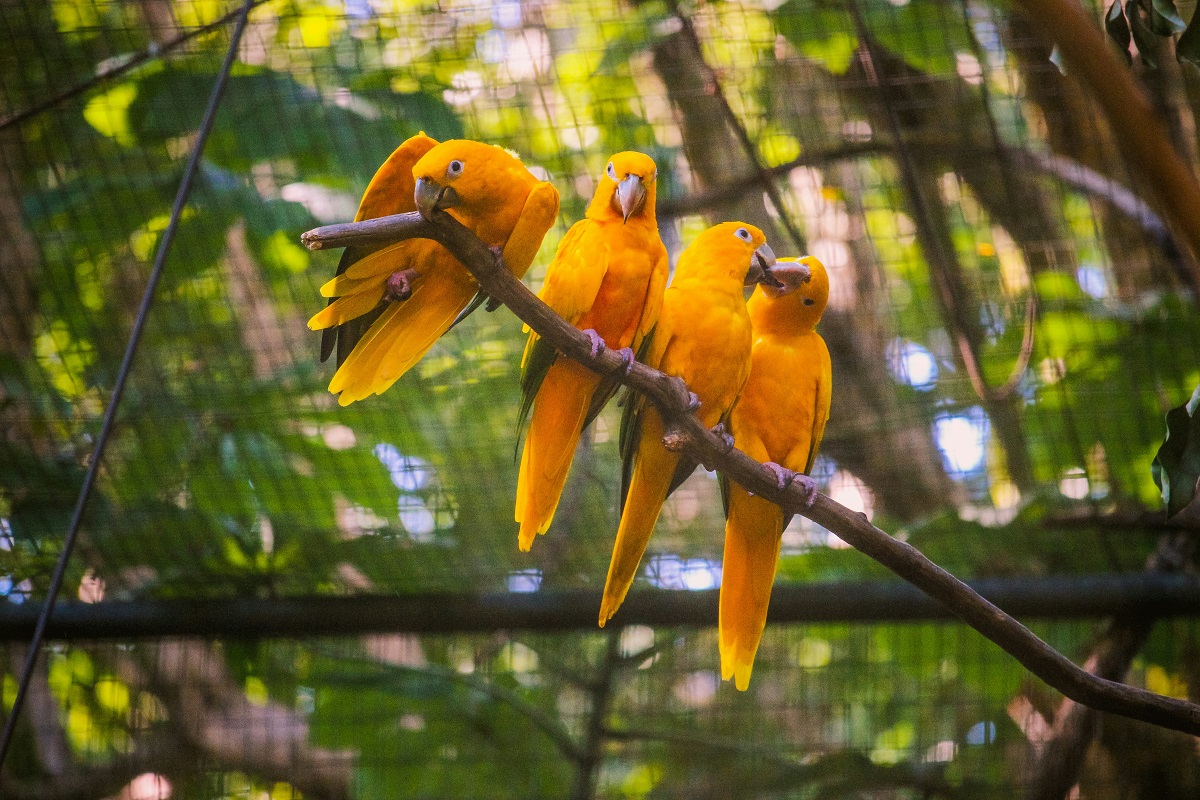
Endemic to the tropical rainforests of the southern Amazon Basin in Brazil, the golden conure is primarily concentrated in the state of Pará, with occasional sightings extending into neighboring Maranhão. Within these regions, the species exhibits a preference for dry lowland terra firme forests, though populations frequently migrate into seasonally flooded varzea habitats depending on resource availability and breeding cycles.
Unlike sedentary bird species that maintain rigid territorial boundaries throughout the year, golden conures display notable nomadic tendencies. Field observations indicate that during the non-breeding season and periods of seasonal food scarcity, flocks will traverse significant distances across the jungle canopy, occasionally venturing into transitional, less dense forest margins.
Nesting habits of wild golden conures deviate significantly from those of typical parrots. Rather than utilizing standard individual tree cavities, multiple female golden conures frequently congregate to lay their eggs within a single, shared communal nesting hollow. These nests are typically excavated in tall, isolated forest trees, sometimes by expanding existing cavities abandoned by other species. This cooperative breeding strategy can result in oversized clutches containing ten or more eggs, which are then incubated and reared communally by members of the flock.
Conservation Status and Ecological Pressures
The International Union for Conservation of Nature (IUCN) Red List classifies Guaruba guarouba as a Vulnerable species. While large-scale commercial trapping for the international pet trade—which historically decimated wild numbers during the 20th century—has declined due to stringent enforcement of international wildlife treaties such as CITES, contemporary threats remain severe.
The primary drivers of the golden conure’s population decline are habitat fragmentation and large-scale deforestation driven by agricultural expansion, logging, and infrastructure development within the Brazilian Amazon. As contiguous forest tracts are broken into isolated patches, foraging and breeding dynamics are disrupted, leaving small flocks vulnerable to localized extinction. Indigenous populations in the Brazilian Amazon have historically prized the species not only for the exotic pet trade, but also for its brilliant golden feathers, which carry cultural and ornamental value. Local communities refer to the bird as the "Ararajuba." Historical accounts, such as those documented in Helmut Sick’s Ornitologia Brasileira, indicate that illegal wildlife markets have occasionally featured other common conure species artificially dyed yellow to deceive buyers seeking the high-status golden parakeet.
Nutritional Requirements in the Wild and Captivity
In its natural ecosystem, the golden conure capitalizes on the rich floral and botanical diversity of the Amazon rainforest. Field studies analyzing the feeding ecology of reintroduced and wild populations reveal that the species subsists primarily on a fruit-based diet. Staple food sources include the drupes of açaí and bacaba palms, alongside wild cashew, ice cream bean, nance, and locustberry fruits. Additionally, the birds consume flowers, floral buds, and agricultural yields when available, frequently raiding local smallholder crops such as corn and mango.
For specimens maintained in captivity, replicating this diverse nutritional intake is vital for long-term health and longevity. Avian veterinarians and researchers recommend substituting high-fat, seed-based diets with nutritionally complete, high-quality commercial parrot pellets as the primary dietary staple. Captive diets must be supplemented with a rotating array of fresh vegetables, leafy greens, and seasonal fruits to mimic the nutritional variety found in the wild. Furthermore, experts strongly advise against standard bowl-feeding methods, recommending instead that owners utilize foraging toys and puzzle feeders. This enrichment strategy replicates the cognitive demands of wild foraging, prevents captive-induced obesity—a leading cause of mortality in pet parrots—and deters behavioral abnormalities associated with psychological under-stimulation.
Housing, Environmental Enrichment, and Husbandry Standards
Golden conures are robust, medium-sized psittacines, measuring up to 14 inches (35 cm) in length and averaging approximately 250 grams in weight. Due to their physical stature and high energy levels, they require substantial living accommodations. Captive housing must consist of a full-sized indoor aviary or a large enclosure with a minimum width of 40 inches (1 метра), provided the bird is granted several hours of supervised out-of-cage time daily.
The enclosure interior must be outfitted with natural wood perches of varying diameters, climbing ladders, and heavy-duty chew toys. Because golden conures possess powerful beaks and an innate drive to manipulate their environment, enrichment devices must be durable and regularly rotated to prevent habituation. Without adequate environmental enrichment and social interaction, captive birds routinely manifest stress-related behaviors, including excessive vocalization, self-destructive feather-plucking, and secondary territorial aggression. Proper room-proofing is also mandatory for owners allowing free-roaming privileges, as the species’ natural inquisitiveness exposes them to household hazards.
Behavioral Profile, Temperament, and Social Dynamics
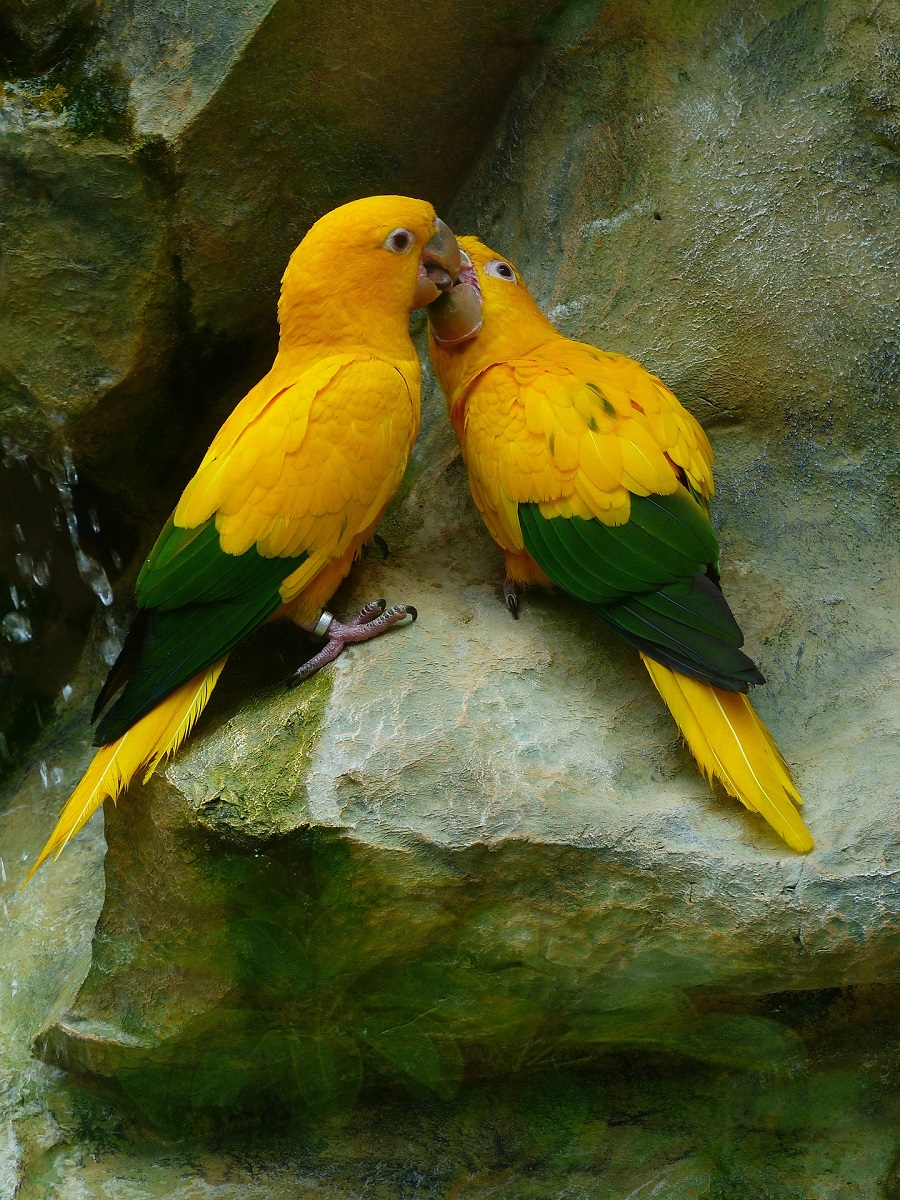
Characterized by a disposition as vibrant as their exterior appearance, golden conures are renowned for their highly social, affectionate, and energetic personalities. Unlike many parrot species that bond exclusively with a single handler, golden conures frequently distribute their affection across multiple members of a household, establishing dynamic social hierarchies.
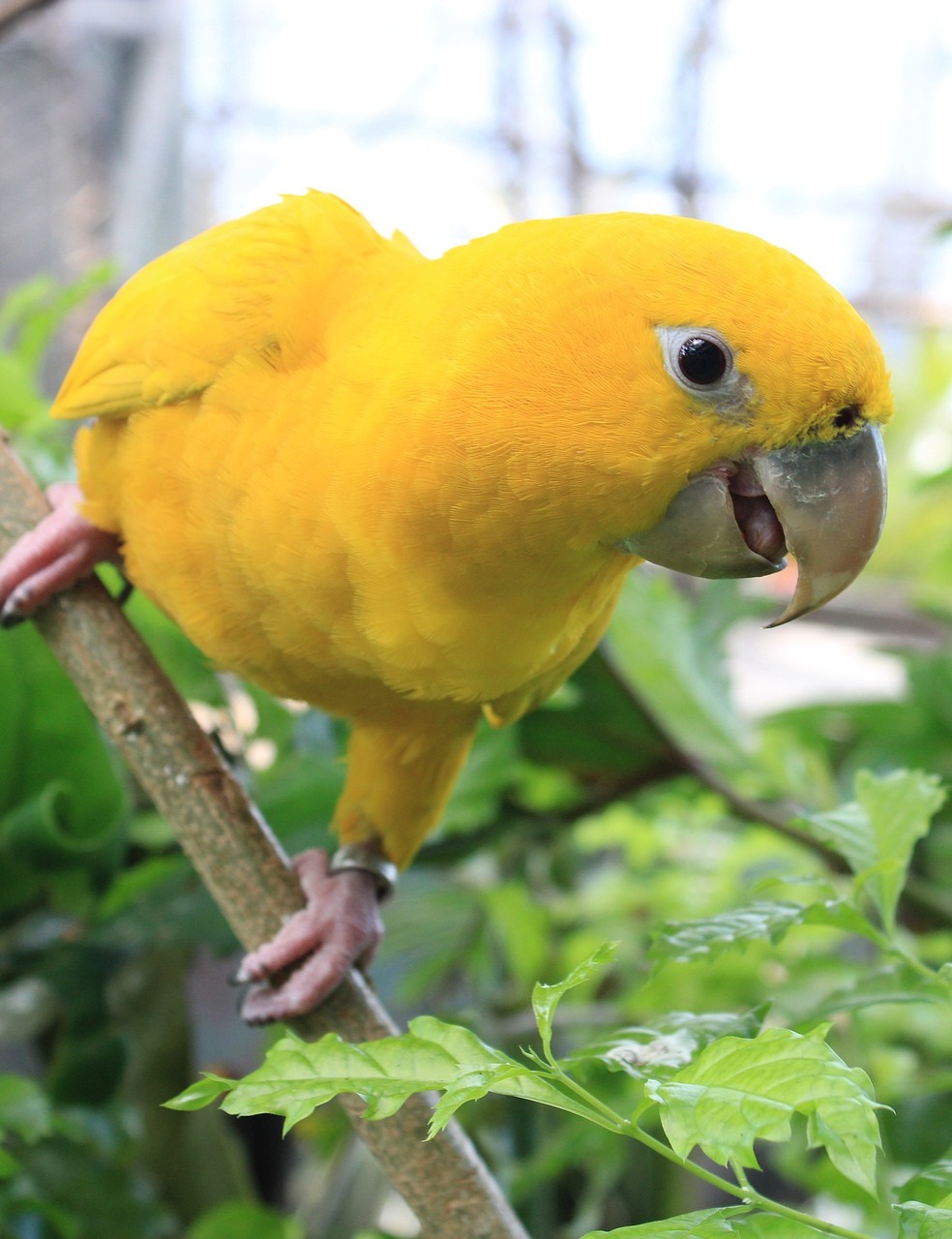
They thrive on constant interaction, play, and physical proximity, making them ill-suited for owners seeking low-maintenance pets. Their high intelligence necessitates continuous mental stimulation through training, social play, and environmental exploration.
Vocalizations and Auditory Capabilities
While golden conures lack the piercing, high-frequency vocal range characteristic of some members of the Aratinga genus, such as the sun conure, they are far from quiet animals. Their physical size endows them with powerful, resonant voices capable of carrying significant distance. Prospective owners must evaluate their living situation and noise tolerance before acquiring the species, as vocalizations are a natural expression of flock-calling and excitement.
Regarding vocal mimicry, golden conures possess the neurological capacity common to most psittacines to replicate environmental sounds, household noises, and simple words or phrases. However, they are not categorized among the elite talking parrots. When vocabulary is acquired, articulation tends to be muffled rather than distinct, meaning owners should prioritize companionship and behavioral engagement over speech training when considering the species as a household pet.

