


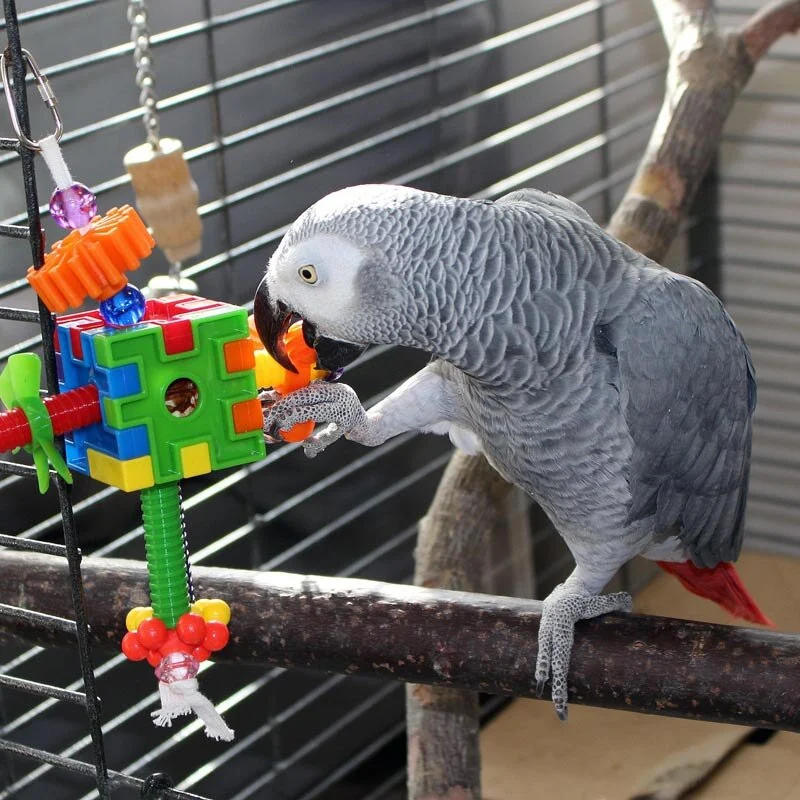
The integration of psittacines—the biological family comprising parrots—into human households has evolved from traditional pet ownership into a complex form of interspecies cohabitation. As companion birds increasingly become central figures in domestic environments, behavioral analysts and avian veterinarians have noted a distinct shift in household management patterns. While human owners provide the resources, the social structure of a home inhabited by a parrot often mirrors a hierarchy where the bird exerts significant influence over daily operations. This phenomenon is not merely anecdotal; it is supported by avian psychology, which suggests that parrots, as highly intelligent, social, and flock-oriented creatures, are biologically predisposed to seek roles of influence within their primary social group.
The Biological Basis for Domestic Dominance
To understand why parrots effectively "take charge" of a household, one must first consider their evolutionary background. In the wild, parrots are flock animals. Their survival depends on constant communication, social hierarchy, and the ability to monitor the actions of others. When a parrot is brought into a home, that household becomes its flock. According to the Association of Avian Veterinarians, a parrot’s behavior—including vocalization schedules, territoriality, and the demand for participation—is an extension of natural survival instincts adapted to a modern environment.
The transition from a wild habitat to a domestic setting occurred largely over the last century, with the popularity of avian companionship peaking in the late 1990s and early 2000s. As pet ownership data from the American Pet Products Association (APPA) suggests, the number of households with birds has remained consistent, with approximately 6.1 million households in the United States currently housing one or more birds. As these populations grow, so does the documentation of how these birds influence human behavior.
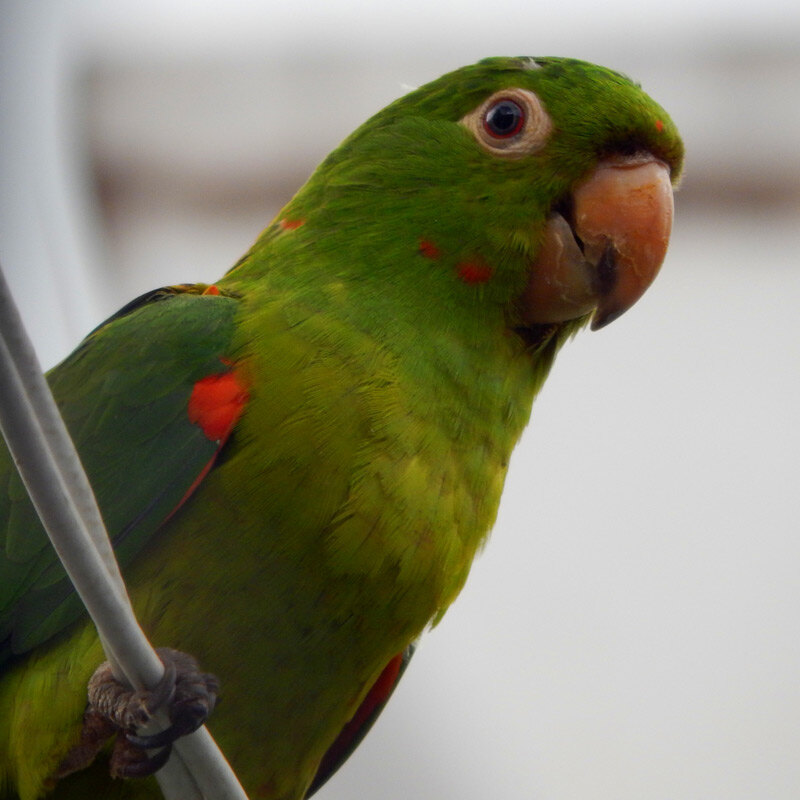
Chronology of Influence: From Introduction to Management
The trajectory of a parrot’s influence within a home typically follows a predictable chronology.
- The Integration Phase (Weeks 1–4): The bird observes the human routine. During this time, the parrot identifies critical human behaviors, such as wake-up times, meal prep, and the use of technology.
- The Assessment Phase (Months 1–6): The bird begins testing boundaries. This is when the "quality control" behavior manifests, as the bird starts vocalizing or moving to investigate changes in the environment, such as new furniture or decor.
- The Management Phase (Ongoing): The bird has established a routine. It now anticipates human actions and actively intervenes if those actions deviate from the established "flock" expectations.
1. The Circadian Override: Controlling the Daily Schedule
The most immediate impact a parrot has on a household is the enforcement of a rigid, bird-centric schedule. Research into avian circadian rhythms indicates that parrots are naturally diurnal, with high energy levels during dawn and dusk. In a domestic setting, this translates into a "wake-up call" that often ignores the human need for sleep or weekend relaxation.
Avian behaviorists note that this is a form of social synchronization. By vocalizing or rattling cage bars, the parrot is essentially calling the flock together to begin the day. For the human owner, this results in a loss of autonomy over their sleep-wake cycle. Data from behavioral surveys indicate that over 70% of parrot owners report their bird as the primary reason they wake up at a consistent time, regardless of whether it is a workday or a holiday.
2. Environmental Surveillance: The Quality-Control Function
Parrots are highly visual creatures, possessing a tetrachromatic vision system that allows them to see into the ultraviolet spectrum. This biological advantage makes them exceptionally sensitive to environmental changes. When a household item is moved or a new object is introduced, the parrot perceives a potential threat or a shift in the territory.
This behavior—labeled as "environmental quality control"—is a survival mechanism. In the wild, a changed environment could signify a predator or a shift in resources. Consequently, pet parrots often exhibit signs of agitation or intense scrutiny toward new furniture or decor. From a domestic management perspective, this means that every interior design choice must pass a silent, avian inspection. Owners frequently find themselves monitoring their bird’s reaction to changes in the home to prevent stress-related issues such as feather picking or repetitive vocalizations.
3. Economic Reallocation: The Treasure Hunt Economy
A significant economic shift occurs when a parrot is introduced to a household: the reclassification of "waste" into "enrichment." Materials that would typically be discarded—cardboard, paper, or plastic rings—are now viewed through the lens of foraging and destruction, which are vital components of a parrot’s psychological health.
This behavior is supported by the principles of environmental enrichment. According to studies published in the Journal of Applied Animal Welfare Science, providing destructive materials reduces stereotypies (abnormal repetitive behaviors) in captive parrots. As a result, the average household budget for toys often shifts, as owners realize that the most expensive, commercially produced toys may be ignored in favor of a clean, recycled paper bag. This forces owners to reconsider the value of consumer goods, shifting their focus toward utility over aesthetics.
4. Forced Collaborative Participation
The concept of "personal space" is largely incompatible with the social nature of a parrot. Whether the human is attempting to engage in remote work, read, or perform household chores, the parrot typically views these activities as communal tasks.
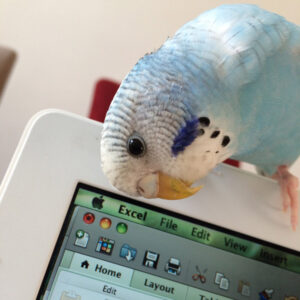
This creates an environment of "forced collaboration." When an owner sits at a computer, the parrot views the keyboard or the screen as a point of interest, leading to the bird perching on the device or attempting to "assist" by pecking at keys. This is not defiance; it is a manifestation of the bird’s social integration. From a productivity standpoint, this requires owners to develop strategies for "parallel play"—providing the bird with an equivalent activity to perform while the human works.
5. Subjective Valuation of Enrichment Materials
Perhaps the most interesting aspect of domestic avian management is the parrot’s role as the final arbiter of value. In the pet industry, manufacturers invest millions in research to create durable, high-end toys. However, empirical observation by owners reveals a common trend: the "bargain" item often holds more value than the luxury product.
This reflects a divergence between human marketing and avian preference. Parrots evaluate objects based on texture, sound, and the ability to be manipulated, rather than price or brand. This forces a shift in the human perspective, encouraging owners to prioritize the bird’s individual preferences over the prestige of a brand. This impact is significant enough that many avian supply retailers have shifted their focus to offering "DIY" kits, acknowledging that the bird will inevitably decide the true worth of its environment.
Implications for the Human-Animal Bond
The presence of a parrot in a household demands a fundamental renegotiation of power. As these birds are long-lived and possess cognitive capabilities comparable to a human toddler, the relationship is one of stewardship rather than ownership.
The implications for the human are profound:
- Psychological Adaptation: Owners must develop high levels of patience and observation skills to interpret the bird’s needs.
- Lifestyle Modification: Domestic routines, from the time spent on chores to the arrangement of furniture, become optimized for the bird’s well-being.
- Increased Environmental Awareness: The focus on non-toxic, bird-safe materials forces a more conscious approach to household cleaning products and home maintenance.
In conclusion, while the human may provide the physical structure of the home, the parrot dictates the rhythm and quality of the life lived within it. By understanding these five domains—scheduling, inspection, recycling, participation, and valuation—owners can foster a more harmonious relationship with their avian companions, acknowledging the reality that, in many cases, the bird is indeed the one running the household. This dynamic, while demanding, offers a unique window into the cognitive complexity of one of nature’s most fascinating creatures.

